
When to Hire a General Contractor for Your Home
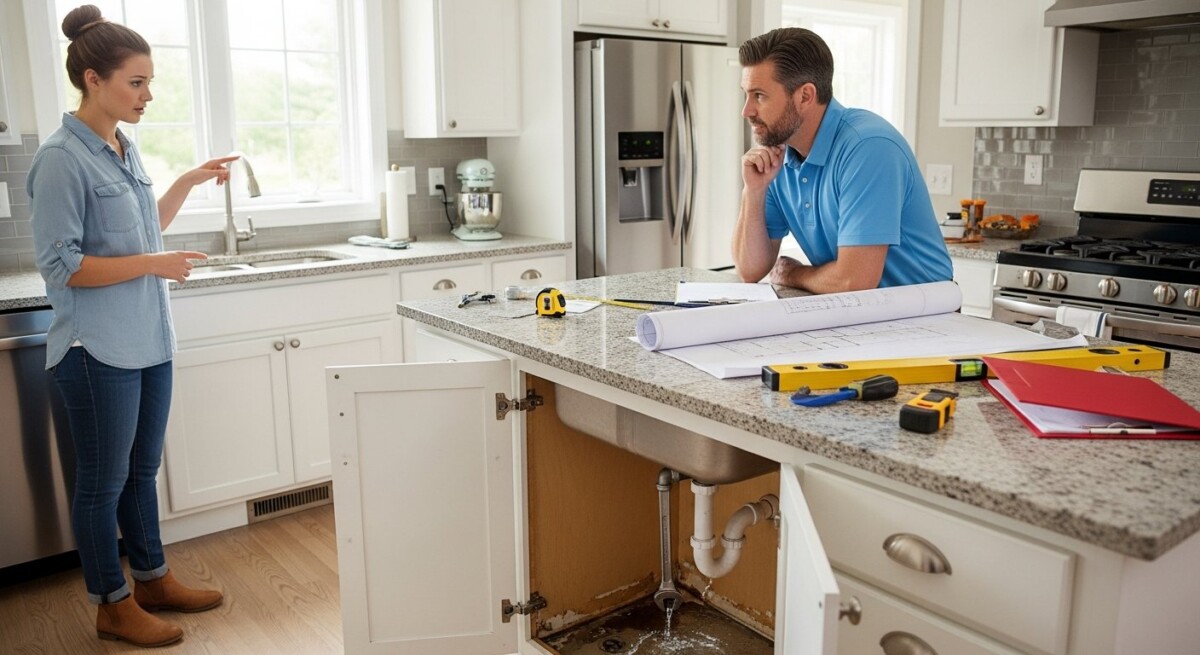
You walk into your kitchen and see a small, persistent drip under the sink. A few weeks later, you notice the floorboards nearby feel slightly soft. Suddenly, you’re not just looking at a leaky pipe,you’re facing potential water damage, mold, and a repair that’s grown far beyond a simple DIY fix. This is a story that plays out in homes every day. Small issues are often the first sign that a project is becoming too complex, too time-consuming, or too risky to handle alone. Knowing when to hire a general contractor can be the difference between a manageable update and a costly, stressful disaster.
Understanding When to Hire a General Contractor
A general contractor (GC) is the project manager for your home improvement or repair. They coordinate all the moving parts, from pulling permits to hiring and supervising specialized subcontractors like plumbers and electricians. They handle the logistics, the timeline, and the problem-solving, so you don’t have to.
You hire a GC when a project involves multiple trades, requires permits, or has the potential for hidden complications. It’s about recognizing when a job’s scope has outgrown your available time, skills, or risk tolerance. This isn’t just for new builds; it’s for any significant alteration, repair, or upgrade to your existing home.
Why This Matters for Your Home
Attempting a complex project without the right expertise can lead to a cascade of problems. What starts as a bathroom remodel can uncover faulty wiring or rotted subflooring. Without a professional’s eye, these issues might be missed until they cause more damage.
More importantly, your safety and your home’s integrity are on the line. Incorrect electrical work is a fire hazard. Poor structural modifications can compromise your home’s stability. A professional general contractor ensures work is done to code, protecting your family and your largest investment.
If you notice signs of this issue in your home, it may help to speak with a qualified contractor. Request a free quote or call to explore your repair or remodeling options.
Common Problems Homeowners Experience
Homeowners often start a project with confidence, only to find themselves overwhelmed. The reality of construction is that one task inevitably reveals another. You might tear out an old wall only to find plumbing that needs to be relocated, instantly doubling the project’s complexity.
Without a central manager, you become the one coordinating the electrician, the drywall installer, and the painter. Delays from one trade push back the next, stretching your timeline and budget. The stress of managing these details while living in a construction zone is a common pain point.
- Project Creep: A simple update uncovers necessary, unplanned repairs.
- Trade Coordination: Juggling schedules for plumbers, electricians, and carpenters.
- Permit Problems: Navigating confusing local building codes and inspections.
- Cost Overruns: Underestimating material costs or labor time.
- Quality Inconsistency: Difficulty ensuring different workers meet the same standard.
- Time Drain: The project consuming all your evenings and weekends.
How Professionals Solve the Problem
A skilled general contractor brings order to chaos. They see the whole project from start to finish before the first wall comes down. Their experience allows them to anticipate common pitfalls, source materials efficiently, and maintain a realistic schedule.
They act as your single point of contact, handling all communication with subcontractors. This means you’re not left trying to resolve a dispute between the carpenter and the tile setter. Their network of trusted, licensed tradespeople is one of their greatest assets, ensuring quality work across all phases of the project. For a deeper look at their role, our guide on what a general contractor does breaks it down in detail.
- Consultation & Planning: They assess your goals, inspect the space, and create a detailed plan and timeline.
- Permitting & Logistics: They secure all necessary permits and arrange for material deliveries and equipment.
- Subcontractor Management: They hire, schedule, and supervise all specialized trades.
- Quality Control & Problem-Solving: They monitor work daily, ensure it meets code, and solve unforeseen issues.
- Final Inspection & Cleanup: They walk you through the completed project, ensure your satisfaction, and leave the site clean.
A professional inspection can reveal hidden issues before they become expensive repairs. Compare contractor quotes here or call to discuss your project.
Warning Signs You Should Not Ignore
Listening to your gut is key. If you feel a sense of dread or overwhelming confusion when thinking about the next steps of your project, it’s a sign. Your home is too important for guesswork.
Physically, if a project requires touching load-bearing structures, the electrical panel, or the main plumbing stack, it’s time to call a pro. These systems are integral to your home’s safety and functionality. Mistakes here are not just cosmetic; they are dangerous and expensive to fix later.
- Multiple Trades Required: Your project needs an electrician and a plumber and a carpenter.
- Permits Are Needed: Any structural change, addition, or major electrical/plumbing work typically requires a permit.
- You’re Unclear on the Process: You don’t know the correct order of operations (e.g., drywall before painting).
- The Project is Expanding: What was one room now affects another due to structural or mechanical needs.
- Safety Concerns Exist: Work involves heights, electrical systems, or structural components.
- You Lack the Time: The project timeline is unrealistic for your schedule.
What Affects the Cost of Repairs or Installation
Understanding cost factors helps you budget realistically. The average cost to hire a general contractor involves more than just their fee. It encompasses the entire project scope. A GC’s management fee is typically a percentage of the total project cost (often 10-20%), but this fee buys you coordination, expertise, and risk mitigation.
Project size and complexity are the biggest drivers. A whole-house remodel is vastly different from a single bathroom update. Material choices,from standard laminate to custom marble,also create a wide price range. Finally, your home’s age and location can impact cost, as older homes often have hidden issues, and local labor rates vary.
Costs can vary depending on the condition of your home. The best way to know the price is to get a personalized estimate. Request free quotes from contractors or call today.
How to Choose the Right Contractor
Selecting your contractor is the most critical decision in the process. This is the person you will trust in your home for weeks or months. It’s essential to do your homework and not just choose the lowest bidder, which can sometimes signal corner-cutting.
Start by asking for recommendations from friends or neighbors who have had similar work done. Then, vet each candidate thoroughly. A reputable contractor will be transparent, communicative, and happy to provide all the documentation you request.
- Verify Licenses and Insurance: Ensure they carry both liability and workers’ compensation insurance.
- Check References and Reviews: Look at past projects and talk to former clients about their experience.
- Get Detailed, Written Estimates: Compare “apples to apples” quotes that break down labor, materials, and other costs.
- Review the Contract Carefully: It should include payment schedule, timeline, specific materials, and a process for changes.
- Assess Communication: Choose someone who listens, answers questions clearly, and makes you feel comfortable.
Long-Term Benefits of Professional Work
Hiring a general contractor is an investment that pays off long after the project is complete. Professionally managed work comes with warranties and guarantees, giving you peace of mind. If an issue arises with the plumbing six months later, you have one person to call,your GC,who will make it right.
This quality and proper permitting also directly protect and enhance your home’s value. When it comes time to sell, documented, code-compliant improvements are a strong selling point. Appraisers and home inspectors will recognize the quality, which can translate into a higher resale value and a smoother sale process. To start your search with confidence, you can learn more about how to find a trusted general contractor near you.
What projects absolutely require a general contractor?
Any project that involves multiple skilled trades (like plumbing, electrical, and framing), requires structural changes, or needs building permits is a strong candidate for a GC. Whole-house remodels, room additions, and major kitchen/bath overhauls almost always benefit from professional management.
Can I save money by being my own general contractor?
While it’s possible, it’s rarely advisable for complex jobs. Without trade discounts, industry knowledge, and scheduling expertise, homeowners often encounter costly delays, mistakes, and stress. The potential for budget overruns and the value of your time often outweigh the perceived savings.
How many quotes should I get before hiring?
It’s wise to get at least three detailed, written estimates. This allows you to compare not just price, but also project scope, proposed materials, and timelines. Be wary of any bid that is significantly lower than the others, as it may indicate inexperience or a plan to use subpar materials.
What questions should I ask a potential contractor?
Ask how long they’ve been in business, for proof of insurance and licenses, for a list of recent references, and who will be the daily point of contact on-site. Also, ask how they handle unexpected problems or changes to the project plan once work begins.
What does a typical contractor’s fee cover?
The fee covers project management, which includes obtaining permits, scheduling and supervising all workers, ordering and coordinating material deliveries, handling inspections, and providing a warranty on the work. It’s payment for their expertise, time, and risk.
How long do most home renovation projects take?
Timelines vary widely. A bathroom might take 3-6 weeks, while a major kitchen remodel or addition can take 3-6 months. A good contractor will provide a realistic schedule upfront and communicate promptly about any delays due to material shortages or unforeseen issues.
Recognizing when to bring in a professional is a sign of a smart homeowner, not a DIY failure. It’s about protecting your investment, your safety, and your sanity. By addressing issues early and with the right team, you turn a potential headache into a valuable upgrade for your home. The best first step is an informed one,start by comparing detailed quotes from qualified local contractors to understand your options and set a clear path forward.

About

Understanding Contractor Cost Estimates for Homeowners
A practical guide for homeowners on understanding, comparing, and using contractor cost estimates to make confident decisions for home repairs and renovations.
When to Hire a General Contractor for Your Home
Learn the key signs it's time to hire a general contractor for your home project, from permit needs to managing multiple trades.
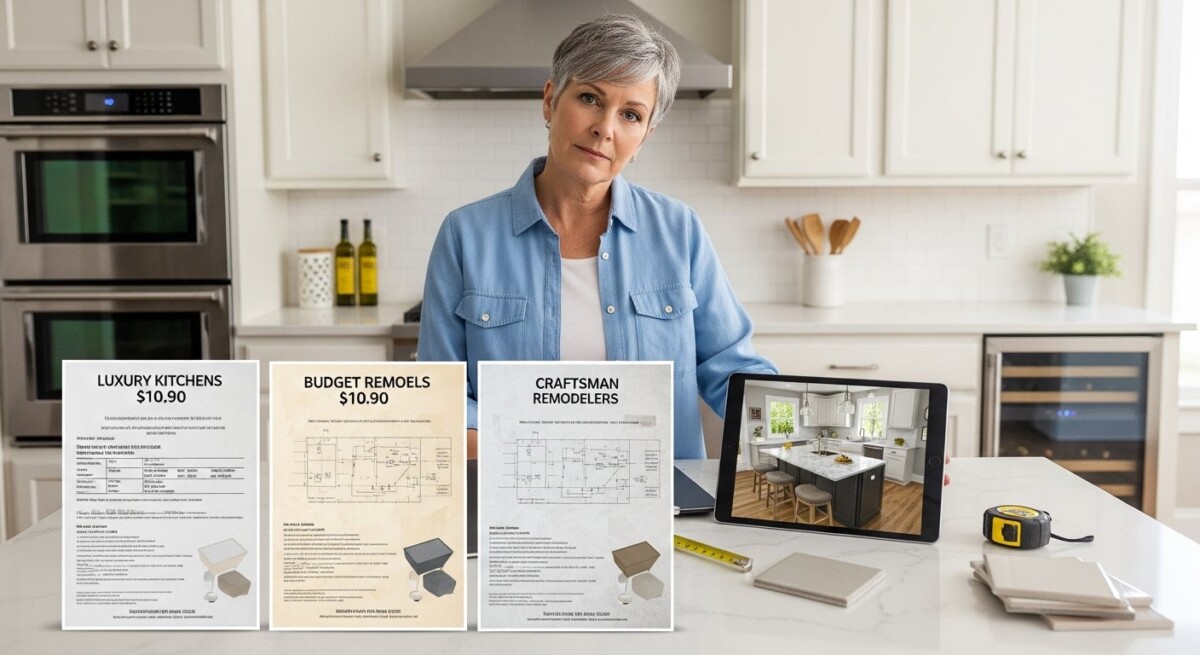
Understanding Contractor Bid Estimates for Homeowners
A practical guide for homeowners on understanding, comparing, and choosing the right contractor bid estimates for home projects.
Find a Pro!
"*" indicates required fields