
What Is a Contractor Estimate? A Homeowner’s Guide
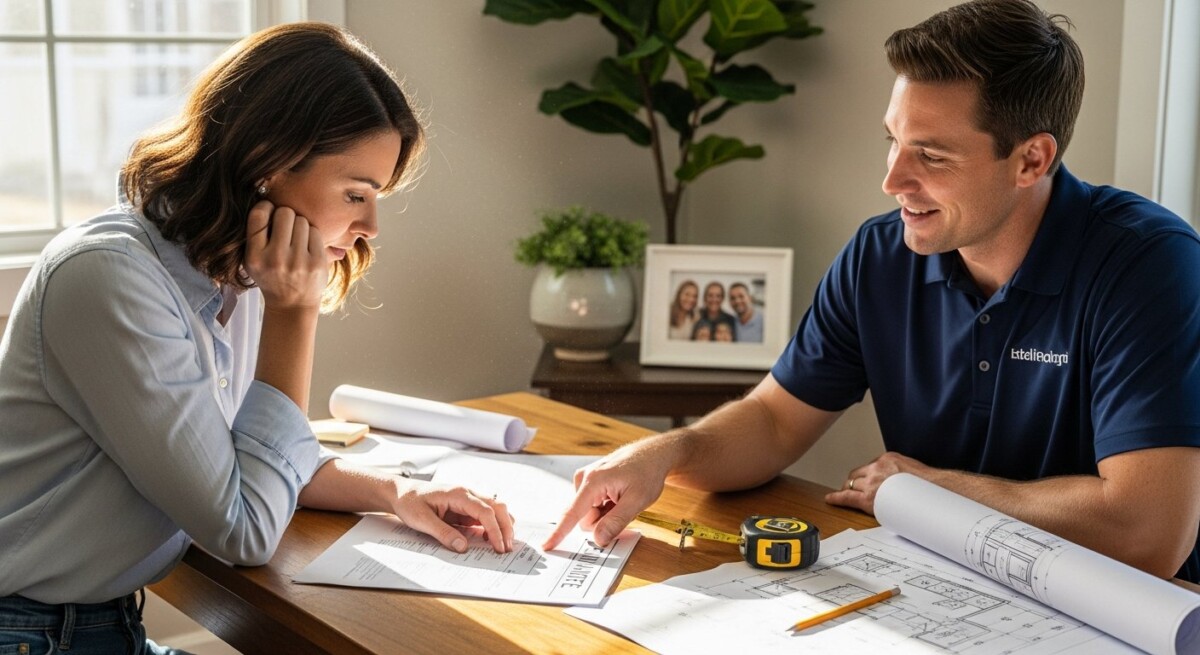
You’ve finally decided to tackle that kitchen remodel or fix the persistent leak in your basement. You call a few contractors, and they all say they’ll send over an “estimate.” You nod along, but inside you’re wondering: What exactly am I getting? Is this a fixed price or just a guess? How do I know what’s fair? For many homeowners, the world of contractor estimates feels confusing, filled with industry jargon and hidden pitfalls. But understanding this document is the single most important step in protecting your investment, your home, and your peace of mind during any project.
Understanding What Is a Contractor Estimate
In simple terms, a contractor estimate is a detailed forecast of what a home project will cost. It’s not a final bill, but rather a professional’s educated prediction based on the scope of work you’ve discussed. Think of it as a roadmap for your project’s budget.
This document is created after a contractor reviews your project needs, either from plans, a walk-through, or photos. They calculate the costs of materials, labor, equipment, permits, and a margin for their business overhead and profit. A good estimate transforms your vision into a clear, line-by-item financial plan.
The Difference Between an Estimate, Quote, and Bid
You might hear these words used interchangeably, but there are subtle differences. An “estimate” is often a preliminary, non-binding approximation. A “quote” or “bid” is typically more formal and detailed, sometimes representing a fixed-price offer for the specified work. Always ask a contractor to clarify what type of document they are providing.
Why This Matters for Your Home
An accurate, detailed contractor estimate is your primary tool for avoiding financial surprises. It turns a vague idea into a concrete plan, allowing you to make informed decisions. Without it, you’re essentially giving a contractor a blank check, which can lead to strained relationships, unfinished work, and budgets spiraling out of control.
More than just a number, a thorough estimate reflects a contractor’s professionalism and planning skills. It shows they’ve taken the time to understand your project fully. This foresight helps prevent mid-project change orders and disputes, ensuring the work progresses smoothly and your home is treated with care.
If you notice signs of this issue in your home, it may help to speak with a qualified contractor. Request a free quote or call to explore your repair or remodeling options.
Common Problems Homeowners Experience
The most frequent headaches start with vague or verbal estimates. A contractor who gives a rough number over the phone without seeing the job is setting the stage for problems. When the final bill arrives much higher, you have no documentation to fall back on, leading to conflict and distrust.
Another common issue is the “scope gap”,where the estimate misses critical parts of the project. This might mean not including the cost of disposing of old materials, forgetting necessary permits, or underestimating the labor for unforeseen complications like rotten subflooring behind an old wall.
- Receiving a single bottom-line number with no itemized breakdown.
- Estimates that exclude key costs like permits, dump fees, or premium materials.
- Pressure to sign a contract immediately based on a bare-bones estimate.
- Wildly different price ranges from different contractors for the same job.
- Assumptions about who supplies appliances or fixtures that aren’t written down.
- No clear payment schedule tied to project milestones.
How Professionals Solve the Problem
A reputable contractor approaches an estimate as a collaborative planning session. They start by listening to your goals, then conduct a thorough inspection of the work area. They identify potential challenges,like outdated wiring or structural issues,that could affect the project’s cost and timeline.
They then translate this understanding into a transparent document. This process protects both you and them. For you, it provides clarity and control. For them, it ensures they are compensated fairly for all the work required, reducing the chance of cutting corners later. Our guide on getting accurate contractor estimates dives deeper into this collaborative process.
- Consultation & Site Visit: The contractor assesses the project scope and existing conditions.
- Research & Calculation: They price materials, labor hours, subcontractor fees, permits, and equipment.
- Document Creation: They compile a detailed, written estimate, often with line items.
- Review & Revision: They present the estimate to you, explaining each section and answering questions.
- Agreement: Once approved, the estimate typically forms the basis of a formal contract.
A professional inspection can reveal hidden issues before they become expensive repairs. Compare contractor quotes here or call to discuss your project.
Warning Signs You Should Not Ignore
Not all estimates are created equal. Some red flags should make you pause and reconsider moving forward with a particular contractor. The biggest warning sign is a refusal to put anything in writing. A trustworthy professional will never hesitate to provide a detailed, written estimate.
Be wary of estimates that seem too good to be true. They often are. A drastically low bid can mean the contractor is cutting corners, using subpar materials, or plans to hit you with expensive change orders later. It can also indicate a lack of proper insurance or licensing, putting you at significant risk.
- The contractor asks for a large cash deposit or full payment upfront before any work begins.
- The estimate is handwritten on a generic form or notepad without company letterhead.
- Key details like start/end dates, brand of materials, or specific work phases are missing.
- The contractor is evasive when asked for references, proof of insurance, or a license number.
- You feel pressured to sign immediately with a “today-only” discount.
- The estimate lacks a clear total, with lots of “TBD” (to be determined) items.
What Affects the Cost of Repairs or Installation
Many factors influence the final number on your contractor estimate. The size and complexity of the project are the most obvious. A whole-house renovation will cost more than a bathroom update, and a custom-built deck will be priced higher than a standard prefab one.
Material choices create a huge swing in cost. You can select budget-friendly laminate countertops or high-end granite. Labor is another major component. Specialized work, like electrical or plumbing, or projects in hard-to-access areas (a steep roof, a cramped crawl space) will require more time and skill, increasing the labor cost. For a fast overview of your options, you can explore resources on how to get fast contractor estimates online as a starting point.
Costs can vary depending on the condition of your home. The best way to know the price is to get a personalized estimate. Request free quotes from contractors or call today.
How to Choose the Right Contractor
Your choice of contractor is just as important as the estimate itself. Start by seeking recommendations from friends, family, or trusted online review platforms. Look for contractors who specialize in your type of project and have a proven track record in your community.
Once you have a shortlist, the estimate becomes a key evaluation tool. Don’t just compare the bottom line,compare the details. The most thorough and transparent estimate often comes from the most professional contractor, even if their price isn’t the absolute lowest.
- Verify Credentials: Always check for a valid state license, liability insurance, and workers’ compensation coverage.
- Read Reviews & Ask for References: Talk to past clients about their experience, especially regarding budget adherence.
- Insist on Detailed, Written Estimates: Compare apples to apples by getting itemized estimates from at least three contractors.
- Understand the Contract: Ensure the final contract includes everything from the estimate, plus terms for change orders and dispute resolution.
- Trust Your Instincts: Choose someone who communicates clearly, answers your questions patiently, and makes you feel confident.
Long-Term Benefits of Professional Work
Investing in a professional contractor who provides a solid estimate pays dividends long after the project is complete. First and foremost, it ensures the work is done safely and to code, protecting your family from hazards like faulty wiring or structural failures. Proper installation also extends the lifespan of materials, saving you money on premature repairs.
Quality workmanship enhances your home’s value and appeal. Whether you’re planning to sell soon or stay for decades, a well-executed project improves your daily comfort and is a sound financial investment. Furthermore, many professional contractors offer warranties on their work, giving you lasting peace of mind that a DIY job or a cut-rate handyman cannot match.
How Long Is a Contractor Estimate Valid?
Most estimates are valid for 30 to 90 days. This is because material prices and labor availability can fluctuate. The validity period should be clearly stated on the estimate document. If you delay your project beyond that timeframe, expect to request an updated estimate.
Should I Always Choose the Lowest Estimate?
Not necessarily. The lowest bid can sometimes indicate inexperience, the use of inferior materials, or missed scope items that will become change orders. It’s wiser to choose the best value,the contractor with a strong reputation, clear communication, and a thorough, mid-range estimate that inspires confidence.
What Should Be Included in a Detailed Estimate?
A comprehensive estimate should include: a project description, breakdown of material costs (type, quantity, unit price), labor costs, subcontractor fees, cost of permits, equipment rentals, cleanup/disposal fees, a payment schedule, project timeline, and the estimate’s validity period. For a complete checklist, review our article on the essential documents for an accurate contractor estimate.
Can I Negotiate a Contractor’s Estimate?
Yes, respectfully. You can discuss material alternatives (e.g., a different grade of tile), phasing the project, or adjusting the scope. However, be cautious about pushing a professional to cut their profit margin too deeply, as it may compromise their incentive to do quality work.
What Is a ‘Change Order’ and How Does It Affect the Estimate?
A change order is a written amendment to the original contract and estimate. It’s used when you request additional work or changes mid-project. It should detail the new work, adjusted cost, and impact on the timeline. A reputable contractor will never proceed with extra work without a signed change order.
How Much of a Deposit Is Normal?
Typical deposits range from 10% to 33% of the total project cost, often due upon signing the contract. Be extremely wary of contractors who demand 50% or more upfront. Your payment schedule should be tied to clear milestones (e.g., 30% after demolition, 30% after rough-in inspection, etc.).
What If the Final Cost Exceeds the Estimate?
With a fixed-price contract based on a detailed estimate, the final cost should not exceed the agreed price unless you approve change orders. With a “time and materials” (T&M) estimate, the final cost can vary. Always know which type of agreement you are signing.
Is an Estimate Legally Binding?
An estimate itself is usually not a legally binding contract to perform the work. It is a proposal. Once you sign a contract based on that estimate, the contract becomes the legally binding agreement. The estimate should be attached to the contract as the scope of work.
Understanding a contractor estimate empowers you to be an active partner in your home project. It moves you from a position of uncertainty to one of informed control. By taking the time to get detailed, written estimates from qualified professionals, you make a smart investment in your home’s future, your financial well-being, and your own peace of mind. Start your next project on solid ground by comparing quotes and choosing a contractor who values transparency as much as you do.

About Danica Leslie

Secure Home Service Quote Platforms: Compare Contractors Safely
Learn how a secure home service quote platform helps homeowners compare vetted contractors, get free estimates, and avoid costly repair surprises.
How to Get a Roof Repair Quote: A Homeowner’s Guide
Learn how to request a roof repair quote, spot warning signs, compare contractor options, and protect your home from costly damage with professional help.
Average Cost for Home Addition: What Homeowners Need to Know
Learn the average cost for home addition, what affects pricing, and how to budget wisely. Get tips on choosing contractors and avoiding costly mistakes.
Find a Pro!
"*" indicates required fields