
What Happens When Your Contractor Misses a Deadline
A contractor missing a deadline disrupts your life and home. Learn the risks, warning signs, and how professional planning prevents costly delays.

By Eric Andrew
Find Local Pros Near You

Enter your ZIP code to compare top-rated local professionals and request free quotes.
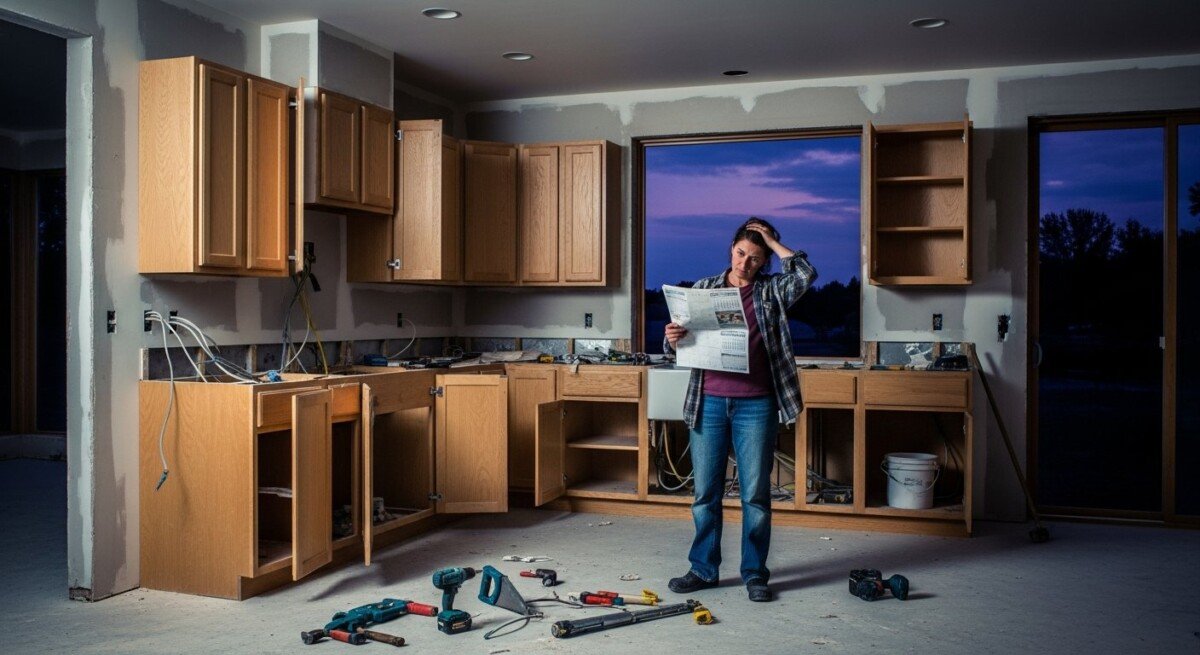
You’ve planned the remodel, saved the money, and cleared your schedule. The contractor promised a six-week project, but week eight arrives and your kitchen is still a construction zone. The frustration is real, and the disruption to your daily life is mounting. When a contractor misses a deadline, it’s more than an inconvenience,it can signal deeper issues with communication, planning, or reliability that may impact the quality and cost of your project. Ignoring these red flags can leave you with an unfinished home and dwindling options.
Understanding What Happens If Contractor Misses Deadline
A missed deadline in home construction or remodeling means the agreed-upon completion date has passed without the work being finished. This is a breach of the project timeline outlined in your contract. It disrupts the carefully planned sequence of a renovation.
This happens for various reasons, from poor project management and underestimating the work’s complexity to supply chain delays or the contractor taking on too many jobs at once. Sometimes, unforeseen issues like hidden water damage or faulty wiring are legitimate causes, but a professional contractor should communicate these immediately.
While any project can face delays, homeowners are most affected when they have tight move-in schedules, are living in a disrupted space, or have coordinated other tradespeople and deliveries based on the original timeline. The stress and financial strain can quickly escalate.
Why This Matters for Your Home
When a project drags on, your home remains in a vulnerable state. Open walls, exposed wiring, or incomplete roofing are not just eyesores,they are potential safety hazards for your family. A prolonged construction phase increases the risk of accidents, theft of materials, or weather damage to unprotected areas.
Beyond safety, your daily comfort and finances take a hit. You might be living without a functional kitchen or bathroom for months, eating into savings for temporary solutions like eating out or renting accommodations. The longer a project stalls, the more likely you are to encounter cost overruns, change orders, and a frustrating loss of trust in the process.
For a comprehensive look at your rights and steps, our guide on what to do when your contractor misses a deadline outlines a clear path forward.
If you notice signs of this issue in your home, it may help to speak with a qualified contractor. Request a free quote or call to explore your repair or remodeling options.
Common Problems Homeowners Experience
The immediate problem is an unfinished space, but the ripple effects create a cascade of headaches. You may have furniture in storage, appliances sitting in boxes, or family events you now can’t host. The contractor’s crew might become less frequent or communicative, leaving you in the dark.
Financially, you could be making mortgage or loan payments on a home that isn’t fully functional. You might also face penalties if you’ve arranged bridge financing with a specific completion date. The emotional toll of living in constant disarray is a significant, often overlooked, problem.
- Extended Living Disruption: No kitchen, bathroom, or primary living space for weeks or months beyond the plan.
- Communication Breakdown: Contractor becomes hard to reach, doesn’t return calls, or gives vague new timelines.
- Subcontractor Scheduling Conflicts: Electricians, plumbers, and tilers booked for the original date now can’t return for weeks, causing further delays.
- Material Storage & Damage: Materials left on-site may be stolen, warped by weather, or become obstacles.
- Warranty & Permit Issues: Project timelines may exceed permit validity periods, and manufacturer warranties on installed products may start from delivery, not completion.
- Budget Depletion: Unexpected living expenses eat into the contingency fund meant for the project itself.
How Professionals Solve the Problem
A reputable, professional contractor views your timeline as a commitment. They solve deadline issues through proactive communication, detailed planning, and responsible project management. Their experience allows them to anticipate common hurdles and build realistic buffers into the schedule.
When an unavoidable delay occurs, a true professional will contact you immediately, explain the situation clearly, and present a revised, detailed plan to get back on track. They manage their subcontractors and supply chains efficiently to prevent cascading delays. This reliability is what you pay for,the peace of mind that your project is in capable hands.
- Initial Consultation & Realistic Scheduling: A pro assesses the scope accurately and creates a timeline with built-in contingencies, avoiding overly optimistic promises.
- Detailed Contract: They provide a clear contract with a payment schedule tied to project milestones, not just a start and end date, which helps keep the project moving.
- Proactive Communication: You receive regular updates. If a delay arises, you hear about it first with a solution already in the works.
- Efficient Crew & Subcontractor Management: They coordinate all trades to ensure the job site is always active with the right workers, avoiding idle days.
- Quality Assurance Throughout: By doing things right the first time, they avoid costly and time-consuming rework that derails schedules.
A professional inspection can reveal hidden issues before they become expensive repairs. Compare contractor quotes here or call to discuss your project.
Warning Signs You Should Not Ignore
Deadline misses rarely happen without warning. Spotting the early signs can help you address problems before your project grinds to a halt. Pay attention to patterns, not just one-off issues.
If the work pace suddenly slows, fewer crew members show up, or there are frequent “no-show” days, it’s a major red flag. Consistently missed mini-deadlines, like “the cabinets will be in by Friday,” that then slip to the next week indicate poor management. These early warnings are your cue to initiate a direct conversation about the timeline.
- Consistently Empty Job Site: No workers for days at a time with no prior explanation.
- Frequent, Unverified Excuses: Constant blame on suppliers, weather, or other jobs without proof or solutions.
- Requests for Early or Off-Schedule Payments: Asking for the next milestone payment before the work is done to “keep things moving.”
- Lack of a Detailed Schedule: You never received a written timeline, or the contractor can’t show you one.
- Poor Subcontractor Coordination: Tradespeople arrive when no preparatory work is done, so they can’t perform their task.
- Defensive or Avoidant Communication: Your questions about timing are met with irritation or vague answers.
What Affects the Cost of Repairs or Installation
If you need to bring in a new contractor to finish a stalled project, costs can vary widely. The primary factor is the state of the work left behind. A new professional must first spend time diagnosing what was done, what was done incorrectly, and what materials are needed to complete the job.
Other cost drivers include the complexity of fixing any substandard work, the current availability and price of materials, and the urgency of your timeline. A contractor may charge a premium to fast-track a project or to work around another’s incomplete tasks. The age and condition of your home can also introduce unforeseen issues that the original contractor may have ignored.
Costs can vary depending on the condition of your home. The best way to know the price is to get a personalized estimate. Request free quotes from contractors or call today.
How to Choose the Right Contractor
Prevention is the best cure for deadline stress. Choosing the right contractor from the start is your most powerful tool. This means looking beyond the lowest bid and evaluating their professionalism, communication, and track record.
Take your time during the selection process. A contractor who is eager to start tomorrow without a detailed plan may be the one who leaves your project half-finished months later. Your goal is to find a partner who respects your time, your home, and your investment.
- Verify Licenses and Insurance: Always check for current, valid licensing and ample liability and workers’ compensation insurance.
- Read Reviews and Ask for References: Look for patterns in reviews about timeliness and communication. Speak directly to past clients about their on-time experience.
- Get Detailed, Written Estimates: A thorough estimate shows planning. Compare the scope of work and materials line-by-line across quotes.
- Understand the Payment Schedule: Avoid large upfront deposits. Payments should be tied to clear, completed milestones.
- Assess Communication Style: From your first interaction, note if they are prompt, clear, and willing to answer all your questions. This style will continue through the project.
Long-Term Benefits of Professional Work
Hiring a true professional who honors timelines delivers benefits that last for the life of your home. You gain more than just a finished project on schedule; you gain quality, durability, and peace of mind.
A well-managed project completed on time protects your home’s value and your sanity. It ensures work is done to code, with proper permits, and with quality materials installed correctly. This reduces the need for costly repairs down the road and ensures your investment enhances your home’s long-term marketability and efficiency.
What should I do first if my contractor misses the deadline?
First, refer to your contract for any clauses about delays and remedies. Then, communicate directly and calmly with your contractor in writing (email is good) to express your concern. Ask for a specific, written explanation for the delay and a detailed, revised schedule for completion. Document everything.
Can I withhold payment if the project is late?
This depends entirely on your contract terms. Never withhold payment arbitrarily, as it may put you in breach of contract. However, if the contract ties payments to completion milestones and those milestones are not met, you may have grounds to delay that specific payment until the work is done. Consult your contract and consider legal advice for significant disputes.
How long is a reasonable delay for a home renovation?
Minor delays of a few days due to weather or a late material shipment are common. However, a delay of more than a week without a clear, communicated reason and a new plan is a cause for concern. For more insight on navigating this, our resource on handling a contractor who misses a deadline can help you determine reasonable next steps.
What if the delay is due to something I requested?
If you initiated a change order,like selecting a different tile that takes longer to arrive,the delay is typically your responsibility. A professional contractor will explain the timeline impact of any change before you approve it. These delays are usually built into a revised schedule agreed upon by both parties.
Should I fire my contractor for being late?
Firing a contractor is a serious step. Consider it if the delay is extreme (e.g., weeks with no work), communication has completely broken down, or you’ve lost trust in their ability to finish. Always review your contract’s termination clause and, if possible, consult with an attorney before taking action to ensure you do not jeopardize your position.
How can I prevent delays in my next project?
Prevention starts with contractor selection. Choose someone with strong references for timeliness. Have a detailed contract with a clear payment schedule tied to milestones. Maintain open, weekly communication, and be prompt with your own decisions and payments. Understanding why contractors miss deadlines can also help you ask the right questions during the planning phase.
Does a verbal promise about the deadline count?
While a verbal promise can be part of your agreement, it is very difficult to enforce. Always get every detail,especially the project timeline, payment schedule, and scope of work,in a written, signed contract. This document is your primary protection if disputes arise.
What if the contractor just abandons the job?
Job abandonment is a severe breach of contract. Immediately document the state of the project with photos and videos. Send a formal letter (certified mail) giving notice to return to work as per the contract. If they do not respond, you may need to seek legal counsel to understand your options for recovery and hiring a new contractor to finish the work.
A delayed project tests your patience and budget, but taking informed, calm action can get things back on track. Addressing timeline issues early protects your investment and your home. Before starting any project, the most important step is to compare detailed quotes from several reputable, professional contractors to find a true partner you can trust with your timeline and your home.
Find Local Pros Near You
Enter your ZIP code to compare top-rated local professionals and request free quotes.