
What Happens If a Contractor Goes Over Budget
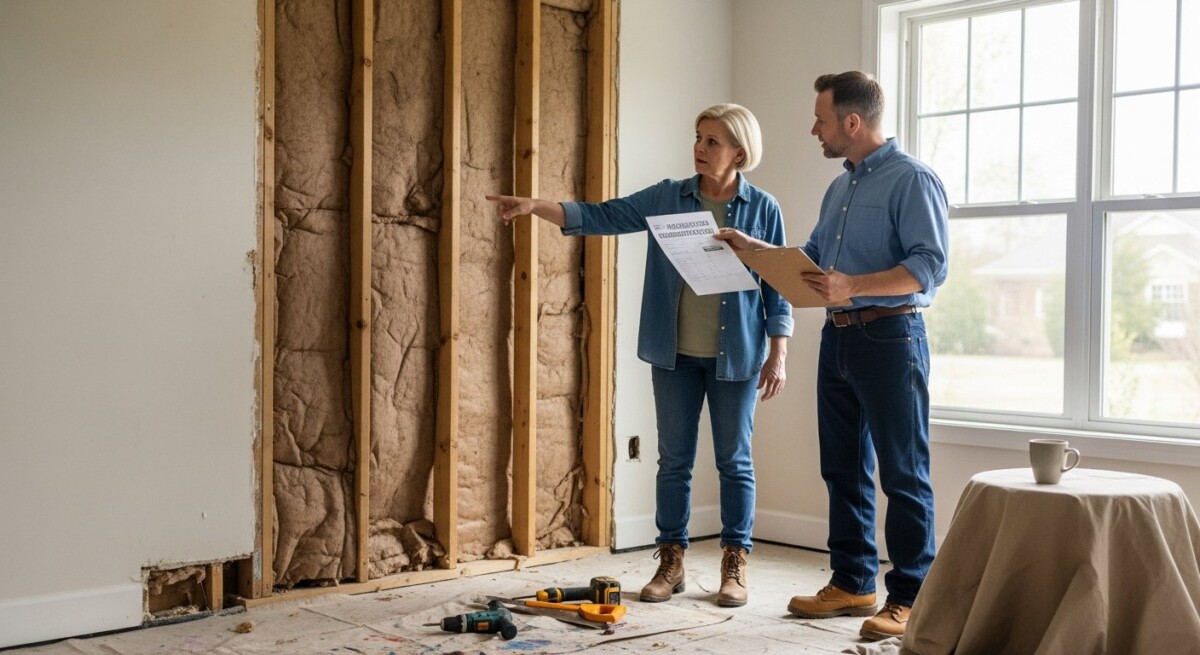
You’ve planned your home renovation down to the last detail, and the budget feels solid. Then, a few weeks into the project, your contractor delivers the news: costs are running higher than expected. That sinking feeling is all too common for homeowners. Understanding what happens when a contractor goes over budget is crucial,it helps you protect your finances, manage the project effectively, and maintain a good working relationship with your contractor.
Understanding Contractor Budget Overruns
A budget overrun occurs when the final cost of a construction or renovation project exceeds the originally agreed-upon price. It’s a disruption to your financial plan and can create significant stress. While some overruns are minor and manageable, others can derail a project entirely.
It’s important to know that not all overruns are the contractor’s fault, and not all are created equal. The key is understanding why the costs increased and who is responsible for covering them. This knowledge is your first line of defense in navigating the situation calmly and professionally.
The Role of Your Contract
Your signed contract is the rulebook for this scenario. It should clearly outline procedures for changes, extra costs, and approvals. A well-written contract protects both you and the contractor by setting expectations from the start.
Why It Matters for Homeowners
Budget overruns aren’t just about spending more money. They can have a domino effect on your life. A project that costs 20% more than planned might mean delaying other financial goals, tapping into emergency savings, or even halting work before it’s finished, leaving you with a half-done kitchen or bathroom.
Beyond finances, overruns strain trust. You hired a professional to deliver a project within a set framework. When that framework breaks, it can lead to conflict, frustration, and a negative experience that taints the enjoyment of your newly improved home. Proactively managing this risk ensures your project ends with satisfaction, not regret.
Ready to start your project with confidence? Contact our team at Repairmen for a transparent, detailed quote and a contract that prioritizes clarity. Call us today at (555) 123-4567.
Common Issues and Their Causes
Budget overruns typically stem from a few key areas. Often, they arise from unforeseen problems hidden within your home’s walls, floors, or foundation. These “unknown conditions” are a leading cause of cost increases.
Another frequent issue is a change in scope. This happens when you, the homeowner, decide to upgrade materials, add an extra feature, or alter the design mid-project. While these changes enhance your home, they almost always add cost and time.
- Hidden Structural Problems: Rotting wood, faulty wiring, plumbing issues, or foundation cracks discovered after work begins.
- Material Price Fluctuations: Sudden increases in the cost of lumber, tiles, or other supplies, especially if there’s a long gap between quoting and purchasing.
- Design Errors or Omissions: Incomplete plans that miss key details, leading to on-the-fly (and costly) decisions.
- Permit and Code Issues: Unexpected requirements from local building inspectors that necessitate additional work.
- Poor Initial Estimates: A contractor providing an unrealistically low bid to win the job, then adding costs later.
How Professionals Fix the Problem
When a reputable contractor identifies a potential overrun, they follow a clear, professional process. The first and most critical step is immediate, transparent communication. They will present you with a formal Change Order.
A Change Order is a written document that details the reason for the extra cost, the exact work to be done, the new price, and how it affects the project timeline. You should never be asked to pay for significant extra work based on a verbal conversation alone. A professional will pause work, present the Change Order, and wait for your written approval before proceeding.
This process, while sometimes frustrating, is the hallmark of a trustworthy contractor. It ensures you are never in the dark about costs and that all decisions are documented. It transforms a potential conflict into a collaborative problem-solving session.
Don’t let budget surprises derail your dream renovation. The experts at Repairmen are committed to upfront pricing and clear communication. For peace of mind, call (555) 123-4567 for a consultation.
Signs You Should Not Ignore
Sometimes, budget issues develop gradually. Watching for early warning signs can help you address problems before they spiral. The biggest red flag is a contractor who is hesitant to put details in writing or who dismisses your questions about costs.
Pay close attention to the flow of communication. Are you receiving regular updates? Is the contractor responsive when you ask for clarification on invoices? Vagueness is a warning sign that demands your attention.
- Frequent “Small” Extra Charges: A pattern of unexpected bills for minor items not in the original plan.
- Pressure to Pay Upfront for Extras: Being asked to pay for unforeseen work before it’s completed or even started.
- Missing Paperwork: No written Change Orders for additional work, or a refusal to provide them.
- Blame-Shifting: The contractor consistently attributes overruns to external factors without taking responsibility for their estimate.
- Work Progress Without Your Approval: The crew continues working on an altered scope before you’ve officially approved the cost.
Cost Factors and What Affects Pricing
Understanding what drives costs helps you evaluate a Change Order fairly. The biggest factor is often labor. Unforeseen problems usually require more skilled hours to fix. For example, replacing a section of rotted subfloor takes far longer than simply installing new flooring over a sound base.
Material quality and availability also play a huge role. You might have chosen a mid-range tile, but a supply chain issue could make it unavailable, forcing a choice between a delay or a more expensive alternative. Specialty items, custom work, and expedited shipping all add premium costs that may not have been in the initial quote.
Get a clear picture of your project’s true cost from the beginning. Repairmen provides detailed, fixed-price quotes where possible and clear allowances for variable items. Call (555) 123-4567 to discuss your project and avoid hidden fees.
How To Choose the Right Professional or Service
Prevention is the best cure for budget overruns. Start by selecting a contractor with a proven track record of transparency. Read reviews specifically about budgeting and communication. Ask for and check references from past clients, and don’t just ask if they were happy,ask if the project stayed on budget and how changes were handled.
Your contract is your most important tool. Before signing, ensure it includes: a detailed scope of work, a payment schedule tied to completed milestones (not just time), a clear process for Change Orders, and a clause for handling unforeseen conditions. Avoid contractors who pressure you to sign a vague or one-page agreement.
Long-Term Benefits for Your Home
Successfully navigating a budget overrun with a professional contractor does more than just get the job done. It ensures the underlying problems in your home are properly addressed, not just covered up. Fixing hidden rot or updating outdated electrical wiring during a renovation increases your home’s safety, durability, and value for years to come.
Furthermore, the process builds a relationship with a contractor you can trust for future projects. You gain confidence in managing home improvements and protect your largest investment,your home,by ensuring work is completed correctly and completely, even when surprises arise.
Frequently Asked Questions
Can a contractor legally charge me more than the quoted price?
It depends on your contract. A fixed-price contract generally means they cannot charge more unless you approve a Change Order for unforeseen issues or changes you request. A time-and-materials or cost-plus contract has more flexibility, but should still have a not-to-exceed estimate and require good faith communication about costs.
What should I do if I think my contractor’s overrun is unfair?
First, request a detailed, written breakdown of the extra costs. Review your contract’s Change Order clause. If the explanation is unsatisfactory and the contractor is licensed, you can contact your state’s licensing board for mediation. For larger disputes, consulting a construction attorney may be necessary.
How can I prevent budget overruns?
Get multiple detailed quotes, choose a contractor with excellent references, have thorough plans before starting, include a 10-20% contingency fund in your overall budget, and ensure your contract has a clear Change Order process. Open communication from day one is key.
What is a contingency fund, and how much should it be?
A contingency fund is money set aside specifically for unexpected costs. For renovations, especially on older homes, a 10-20% contingency on top of your quoted budget is a smart financial cushion. It reduces stress if unforeseen issues arise.
Should I ever pay for overruns in cash?
No. Always pay for approved Change Orders the same way you pay the original contract,by check or credit card, with a receipt and a reference to the Change Order number. Cash payments are untraceable and not recommended for any part of a contracting job.
What if I can’t afford the overrun?
Communicate this immediately to your contractor. Discuss options like scaling back other parts of the project, using different materials, or phasing the work. A good contractor will work with you to find a solution, even if it means temporarily pausing some aspects of the job.
Does homeowner’s insurance cover any budget overruns?
Typically, no. Homeowner’s insurance covers sudden, accidental damage (like a tree falling through the roof). It does not cover expected costs of renovation, poor planning, or unforeseen conditions discovered during voluntary work. However, if a hidden problem is itself a covered peril (like hidden water damage from a past, unknown leak), a portion might be covered,check with your agent.
What’s the difference between an estimate and a quote?
An estimate is an educated guess of the project cost and can change. A quote (or bid) is typically a fixed-price offer for the defined scope of work. Always get a formal, written quote or fixed-price bid before hiring a contractor.
Facing a budget overrun can be challenging, but with the right knowledge and a professional contractor, it’s a manageable part of many home improvement journeys. By prioritizing clear contracts, open communication, and a realistic contingency plan, you can navigate these waters and still achieve the beautiful, functional home you envisioned. The goal is a finished project you love, delivered with integrity and transparency.

About Eric Andrew
What Happens If a Contractor Goes Over Budget
Discover what happens if a contractor goes over budget, how to protect yourself, and why clear contracts prevent costly surprises on your home renovation.

Your Guide to Finding a Trusted Roofing Contractor in Denver
A complete guide for Denver homeowners on choosing a roofing contractor. Learn about local climate challenges, costs, and how to ensure a durable, long-lasting roof for your home.

How to Negotiate Contractor Price for Home Repairs
Learn how to negotiate contractor price effectively with our step-by-step guide. Get fair value for your home repair without sacrificing quality.
Find a Pro!
"*" indicates required fields