
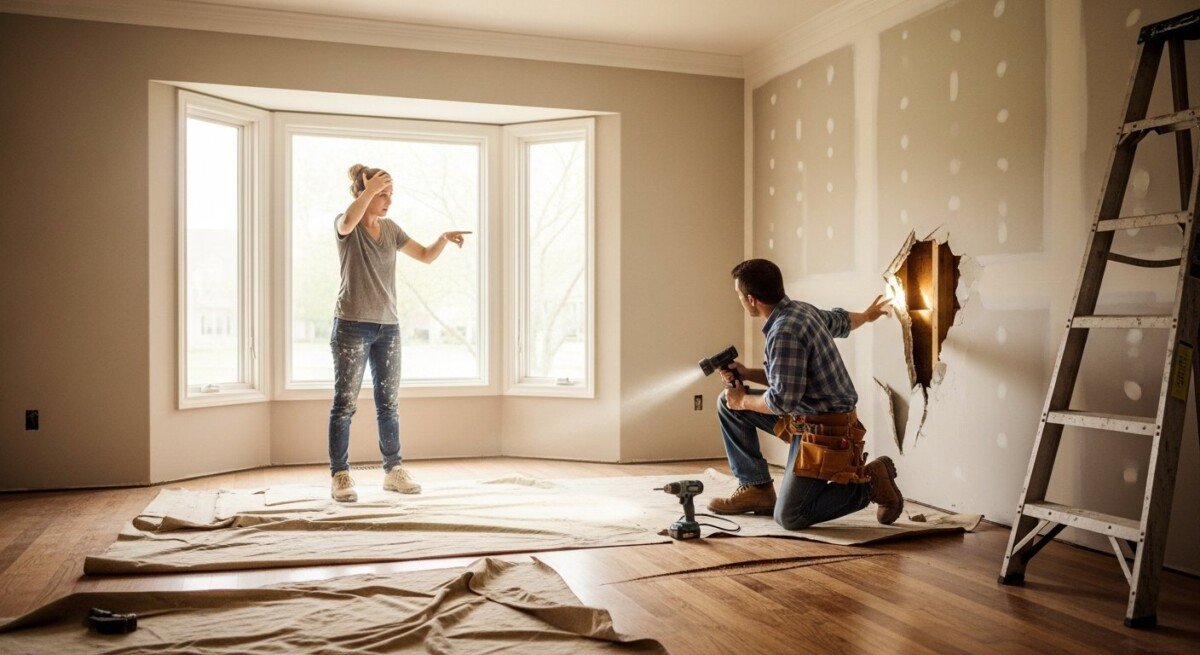
What Happens If a Contractor Damages Your Property?
A contractor accidentally damages your home. Learn who is responsible, how to get it fixed for free, and the steps to protect your property and investment.

By Danica Leslie
Learn more about Home Inspection for guides, costs, and what to expect.
Compare Home Inspection Pros Near You

Enter your ZIP code to compare top-rated local professionals and request free quotes.
You hire a contractor to improve your home, trusting them to work carefully. But then the unexpected happens: a wall is accidentally punctured, new flooring gets scratched, or a valuable fixture is broken. In that moment, panic and frustration are natural. You’re left wondering who is responsible, how it gets fixed, and who pays for it. Understanding the steps to take and knowing your rights can turn a stressful situation into a manageable one, ensuring your home is restored properly and fairly.
Protect your investment. Call 📞833-365-8755 or visit Resolve Contractor Damage to ensure any contractor damage is resolved professionally and fairly.
Understanding Contractor Damage to Your Property
When a contractor, subcontractor, or their crew causes damage while working on your home, it’s known as “contractor-caused damage.” This isn’t just about major disasters; it can be anything from a small paint spill on your carpet to significant structural harm. The key principle is that the professional you hired is generally responsible for fixing any damage they create.
This responsibility stems from their duty of care. By accepting the job, they agree to perform the work with reasonable skill and to protect your existing property. Damage can occur due to accidents, carelessness, unforeseen complications, or even errors in their work plan. Regardless of the cause, addressing it promptly and correctly is crucial for your home’s integrity and your peace of mind.
Why It Matters for Homeowners
Ignoring or improperly handling contractor damage can lead to bigger, more expensive problems down the road. A small water leak from a punctured pipe can lead to mold and rot inside your walls. A cracked tile might seem cosmetic but could indicate underlying subfloor damage. Proper resolution isn’t just about aesthetics; it’s about maintaining your home’s safety, value, and structure.
Knowing how to navigate this situation protects your financial investment. You shouldn’t have to pay out-of-pocket to correct mistakes made by a hired professional. Furthermore, a contractor’s willingness to promptly and professionally address damage is a major indicator of their integrity and quality of service. Handling it well preserves your contractor relationship; handling it poorly can lead to disputes and legal headaches.
Professional property maintenance services emphasize the importance of proactive care, and that includes rectifying any new damage immediately to prevent compounding issues. A reputable contractor views fixing their mistake as part of their complete service.
Common Issues and Their Causes
Damage can occur in many forms, depending on the type of work being done. Some of the most frequent issues homeowners face include structural damage, such as accidentally cutting into load-bearing beams or drilling through essential supports. Water damage is also common, often from nicking plumbing lines during installation or failing to properly seal around new fixtures.
Surface and finish damage includes scratches on hardwood floors from moving equipment, dings in walls, paint splatters, and broken tiles. Electrical mishaps can involve severed wires or damaged panels. Even landscaping isn’t immune, with heavy equipment often damaging driveways, sprinkler systems, and gardens.
- Accidents & Carelessness: Dropped tools, spills, or lack of protective coverings.
- Unforeseen Conditions: Hitting unknown wiring or plumbing inside a wall.
- Poor Planning/Execution: Incorrect measurements leading to improper cuts or installations.
- Subcontractor Error: Damage caused by a specialist hired by your main contractor.
- Equipment Failure: Malfunctioning machinery causing collateral damage.
How Professionals Fix the Problem
The right way to fix contractor damage follows a clear, professional process. First, the contractor should immediately acknowledge the issue and document it with photos. This transparency is the foundation of a good resolution. Next, they will assess the full extent of the damage, which may involve a more thorough inspection to find any hidden problems.
They will then provide a clear plan and timeline for repairs at no additional cost to you. This often involves bringing in their own specialized repair sub-trades (like a drywall expert or a flooring specialist) to ensure the fix is seamless. The goal is to restore your property to its original condition,or better,integrating the repair so it matches the surrounding area. For major projects like a roof, ensuring repairs are done to a high standard is critical for long-term performance, a principle detailed in resources like our guide on roof replacement standards and practices.
Signs You Should Not Ignore
Sometimes damage is obvious, like a hole in the wall. Other times, it’s subtle or hidden. Pay close attention during and after the project. Visible cracks or sagging in areas near the work site can signal structural compromise. New water stains on ceilings or walls, especially after plumbing or roof work, are a major red flag that requires immediate investigation.
Be wary of a contractor who dismisses your concerns, minimizes the issue, or suggests you handle the repair yourself and “deduct it from the bill.” This can lead to disputes and improper fixes. Always insist on a professional resolution.
- New leaks or water stains appearing during/after work.
- Cracks in drywall, tile, or foundation that weren’t there before.
- Electrical issues like flickering lights or dead outlets in the work area.
- Doors or windows that no longer open or close properly.
- Unusual sounds (creaking, dripping) coming from finished work.
Cost Factors and What Affects Pricing
While the contractor should bear the cost of repairs, understanding what goes into it helps you evaluate their proposed solution. The primary factor is the extent and type of damage. A simple drywall patch is far less costly than repairing a structural beam. The materials affected also matter; matching rare hardwood or custom tile can be expensive and time-consuming.
Protect your investment. Call 📞833-365-8755 or visit Resolve Contractor Damage to ensure any contractor damage is resolved professionally and fairly.
Labor complexity is another key factor. A repair that requires disassembling other finished work to access the damage will increase labor hours. If the damage is related to a critical system, like the roof or electrical panel, the expertise required raises the cost. This underscores the value of hiring contractors who prioritize quality workmanship from the start, as explored in discussions about enhancing your property with careful, efficient installations.
How To Choose the Right Professional or Service
Prevention is the best cure. You can significantly reduce the risk of damage by carefully vetting your contractor before work begins. Always choose a licensed, bonded, and insured professional. “Bonded” provides you financial recourse if they fail to complete the job, and “Insured” is critical,it means they have general liability and workers’ compensation insurance to cover accidents and damage.
Get everything in writing with a detailed contract that outlines the work scope, timeline, payment schedule, and a clause addressing how damage to your property will be handled. Check online reviews and ask for references. A professional who communicates clearly and has a solid reputation is more likely to handle any mishaps responsibly.
Long-Term Benefits for Your Home
Ensuring damage is repaired correctly by the responsible party does more than just fix an immediate eyesore. It preserves the structural integrity and safety of your home, preventing small issues from becoming catastrophic failures. It protects your home’s market value by maintaining quality workmanship throughout.
Perhaps most importantly, it establishes a standard of care and accountability. It gives you peace of mind, knowing that your investment is protected and that the professionals you hire stand behind their work completely. A home where every repair is done right is a more durable, valuable, and comfortable place to live.
FAQs
What should I do first if I see damage?
Remain calm and notify the lead contractor or foreman immediately. Point out the damage in person, take clear photographs for your own records, and avoid disturbing the area if possible. Prompt, documented communication is key.
Is the contractor always legally responsible for damage?
In nearly all cases, yes. Contractors have a “duty of care” and are liable for negligence or failure to perform work skillfully. Their liability insurance is specifically designed to cover such incidents. Exceptions are extremely rare, like damage caused by a pre-existing, hidden condition you knowingly withheld.
What if the contractor refuses to fix the damage?
First, refer to your contract. Then, communicate your concerns in writing (email is good). If they still refuse, contact their insurance company directly (info should be on their certificate of insurance). As a last resort, you may need to file a claim in small claims court or consult a lawyer.
Should I withhold payment if there’s damage?
Withholding final payment can be a legitimate leverage tool, but do it carefully and as specified in your contract terms. Never withhold payment without clear communication and documentation of the issue. An abrupt stoppage can complicate resolution.
What if a subcontractor causes the damage?
Your contract is with the general contractor. They are responsible for the actions of everyone they hire. You should deal solely with your general contractor to get the damage fixed; it’s their job to manage their subs and ensure the repair is made.
How can I prevent damage before work starts?
Discuss protection plans upfront. A good contractor will outline how they will protect your home (floor coverings, furniture movers, dust barriers). Ensure they have adequate insurance, and do a pre-construction walkthrough with photos to document the existing condition of your home.
Does homeowners insurance cover contractor damage?
Your homeowner’s policy is typically a last resort and may only cover damage under certain circumstances, often with a deductible. The contractor’s liability insurance should always be the primary source for covering the repair costs. Filing a claim on your own policy could raise your rates.
What if the damage is discovered after the contractor leaves?
Contact the contractor immediately with photo evidence. Most reputable professionals will want to make it right to protect their reputation. The sooner you contact them, the better. If it’s related to their workmanship, they are still responsible.
Dealing with property damage from a contractor can feel overwhelming, but you have clear rights and pathways to a solution. By choosing insured professionals, communicating clearly, and insisting on proper repairs, you can navigate this challenge effectively. Remember, a true professional doesn’t just build things,they take full responsibility for their work and ensure your home is left whole, safe, and beautiful.
Protect your investment. Call 📞833-365-8755 or visit Resolve Contractor Damage to ensure any contractor damage is resolved professionally and fairly.
Learn more about Home Inspection for guides, costs, and what to expect.
Compare Home Inspection Pros Near You
Enter your ZIP code to compare top-rated local professionals and request free quotes.