
What Does a General Contractor Do? A Homeowner’s Guide
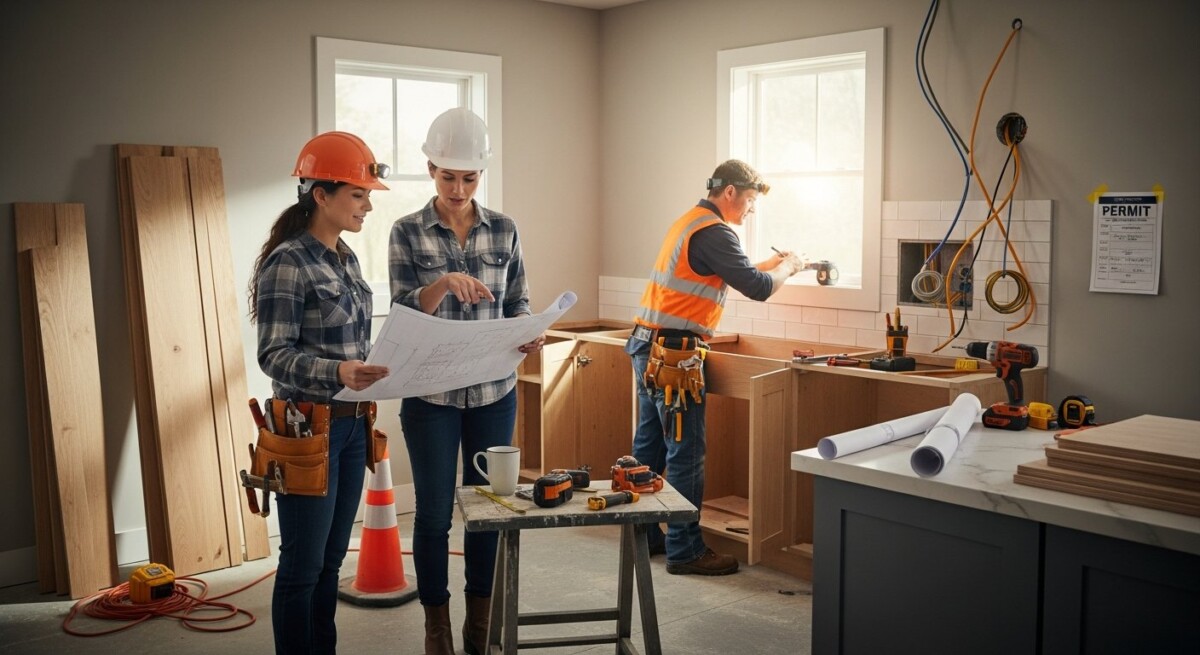
You’ve finally decided to tackle that kitchen renovation or add that much-needed bathroom. The vision is clear, but the path to get there feels overwhelming. Between hiring plumbers, electricians, and carpenters, coordinating schedules, and navigating permits, your dream project can quickly turn into a full-time job filled with stress. This is where understanding what a general contractor does becomes crucial. They are the professional you hire not just to do the work, but to manage the entire process, transforming your complex project from a daunting challenge into a smoothly executed plan.
Understanding What a General Contractor Does
A general contractor (GC) is the project manager for your home construction or renovation. Think of them as the conductor of an orchestra, ensuring every specialist plays their part at the right time to create a harmonious result. They don’t necessarily perform every single task themselves, but they are responsible for making sure it all gets done correctly, on time, and within budget.
Their primary role is to oversee the entire project from start to finish. This includes hiring and supervising all the subcontractors, like electricians and plumbers, sourcing materials, securing necessary permits, and maintaining the project schedule. They are your single point of contact, saving you from the headache of managing a dozen different tradespeople.
Essentially, when you hire a general contractor, you’re hiring a company to take full responsibility for turning your plans into reality. They handle the complexities so you can focus on your life and the exciting outcome.
The Difference Between a GC and a Subcontractor
It’s important to distinguish a general contractor from a subcontractor. A subcontractor (or “sub”) is a specialist in one trade, such as tile installation or roofing. You might hire a sub directly for a single, specific job. A general contractor, however, hires and manages all the subs needed for a larger, multi-trade project, ensuring their work is coordinated and meets the overall project standards.
Why This Matters for Your Home
Attempting to manage a major home project yourself, often called being your own general contractor, is a significant undertaking. While it might seem like a way to save money, the risks and hidden costs can be substantial. Without professional experience, timelines can balloon, budgets can spiral from mistakes or poor planning, and the quality of work can become inconsistent when different trades aren’t properly coordinated.
The value a GC provides goes beyond simple labor. They bring expertise in building codes, construction sequencing, and problem-solving. They have established relationships with suppliers and reliable subcontractors, which can lead to better pricing and priority scheduling. Most importantly, they assume liability for the work and the job site, protecting you from potential legal and financial pitfalls. For a deeper look at the financial aspect, our article on the average cost to hire a general contractor breaks down how their fee translates into value and peace of mind.
If you notice signs of this issue in your home, it may help to speak with a qualified contractor. Request a free quote or call to explore your repair or remodeling options.
Common Problems Homeowners Experience Without a GC
When homeowners decide to self-manage a complex project, several common problems tend to arise. The sheer number of details can be paralyzing, leading to delays and frustration. Without a central manager, communication between different trades breaks down, causing errors and rework.
These issues aren’t just inconveniences; they can directly impact your wallet, your home’s safety, and your sanity. The following are typical challenges faced without professional project management:
- Schedule Nightmares: Coordinating the plumber to finish before the drywaller arrives, who must be done before the painter starts. One delay cascades, pushing your completion date back by weeks or months.
- Budget Overruns: Underestimating material costs, encountering unexpected problems behind walls, or paying premium rates because subs are hired for one-off jobs without contractor discounts.
- Quality Inconsistency: Different trades working in isolation without a GC’s oversight can lead to subpar work that doesn’t integrate well, leaving you to deal with the conflicts and fixes.
- Permit and Code Violations: Unknowingly skipping required permits or not following local building codes can result in fines, forced rework, and problems when you try to sell your home.
- Liability and Insurance Gaps: If a subcontractor gets injured on your property, you, as the homeowner acting as GC, could be held liable if proper insurance isn’t in place.
- Stress and Decision Fatigue: Being the constant point of contact for every question, delay, and problem can be exhausting, taking the joy out of your home improvement project.
How Professionals Solve the Problem
A professional general contractor brings a structured, efficient process to your project. They start with a detailed plan and estimate, setting clear expectations from the beginning. Their experience allows them to foresee potential challenges and navigate them before they become costly problems.
They solve the core issue of coordination by acting as the central hub for all communication and work. This streamlined approach not only saves time but also ensures higher quality results, as the GC is responsible for inspecting each subcontractor’s work before the next phase begins. To understand how to begin this process, you can explore our resource on how to find a trusted general contractor near you.
The typical process a GC follows includes:
- Consultation and Estimation: They review your project goals, assess your space, and provide a detailed proposal and cost estimate.
- Planning and Permitting: They develop a project timeline, finalize material selections, and pull all necessary building permits.
- Pre-Construction: They order materials, schedule subcontractors, and set up the job site (e.g., porta-potty, dumpster).
- Construction and Management: They oversee daily operations, manage subs, inspect work quality, maintain safety, and keep you updated on progress.
- Final Inspection and Closeout: They conduct a final walkthrough with you to ensure complete satisfaction, handle any punch-list items, and provide documentation like warranties and permit sign-offs.
A professional inspection can reveal hidden issues before they become expensive repairs. Compare contractor quotes here or call to discuss your project.
Warning Signs You Should Not Ignore
How do you know if your project needs a general contractor? Some projects, like painting a room or installing a pre-fab vanity, are manageable for a handy homeowner. However, certain project scopes and warning signs clearly indicate the need for professional management.
Ignoring these signs and attempting to manage a complex project yourself can lead to the common problems we discussed, ultimately costing more in time, money, and stress. Pay attention if your project involves multiple skilled trades or significant structural work.
- The project requires a building permit. This is a major red flag that the work is complex enough to need professional oversight for code compliance.
- It involves structural changes, like removing walls, adding rooms, or altering the roofline.
- Multiple trades are needed (e.g., plumbing, electrical, framing, drywall, finishing).
- You have a tight deadline and cannot afford lengthy delays from poor coordination.
- The budget is substantial, and you cannot risk unexpected overruns from planning errors.
- You feel overwhelmed just thinking about organizing the sequence of work and hiring individual trades.
What Affects the Cost of Hiring a General Contractor
The cost of hiring a GC is not a flat fee; it’s a reflection of the project’s scope, complexity, and the value they provide. Typically, a GC charges a percentage of the total project cost (often 10-20%) or a fixed fee based on their detailed estimate. This fee covers their project management, overhead, and profit.
Several key factors influence the final price. Understanding these can help you see where your investment is going and why quotes may vary. A comprehensive guide on this topic can be found in our breakdown of the average cost to hire a general contractor, which details these variables.
Costs can vary depending on the condition of your home. The best way to know the price is to get a personalized estimate. Request free quotes from contractors or call today.
How to Choose the Right Contractor
Selecting the right general contractor is the most important decision you’ll make for your project. This choice will determine your experience, the quality of the work, and the final outcome. It’s worth investing time in the selection process to find a trustworthy professional.
Start by seeking recommendations from friends, family, or neighbors. Then, vet each candidate thoroughly. A reliable contractor will be transparent, communicative, and happy to provide the information you need to feel confident.
- Verify Licenses and Insurance: Ensure they hold a current, valid license for your state and carry both liability insurance and workers’ compensation.
- Check References and Reviews: Ask for recent references and contact them. Look at online reviews on multiple platforms to gauge reputation.
- Review Detailed, Written Estimates: Get at least three written estimates that break down costs for materials, labor, profit, and a payment schedule. Avoid large upfront cash payments.
- Assess Communication and Professionalism: Choose someone who listens, answers questions clearly, and makes you feel comfortable. Your interactions during the estimate phase are a preview of the project.
- Confirm Experience with Similar Projects: Ask to see photos or visit a completed project similar to yours to assess the quality of their work.
Long-Term Benefits of Professional Work
Hiring a professional general contractor is an investment that pays dividends long after the project is complete. While the upfront cost may be higher than a DIY approach, the long-term value and protection they provide are significant.
Professional work ensures your project is built to last, using correct techniques and quality materials. This durability means fewer callbacks for repairs and less maintenance down the road. Furthermore, work done with proper permits and to code adds documented value to your home and prevents issues during future real estate transactions.
Ultimately, the greatest benefit is peace of mind. You gain the assurance that your home is safe, the work is warrantied, and a single professional is accountable for the entire outcome. This allows you to enjoy your newly improved space without lingering worries about hidden problems or future failures.
How much does it cost to hire a general contractor?
Costs vary widely based on project size, location, and materials. General contractors typically charge a management fee of 10-20% of the total project cost. For a precise idea, it’s best to get detailed, written estimates from several contractors for your specific project.
Do I need a general contractor for a small remodel?
It depends on the scope. For a simple, single-trade job like replacing a toilet, you might hire a plumber directly. If your “small” remodel involves changing layouts, moving plumbing/electrical, or requires a permit, a GC is highly recommended to manage the complexity.
What’s the difference between a general contractor and a handyman?
A handyman is skilled at smaller repairs and maintenance tasks (e.g., fixing a door, patching drywall). A general contractor is licensed and insured to manage entire construction projects, hire specialized subcontractors, and pull building permits, which a handyman cannot do.
Who buys the materials, me or the contractor?
This can be negotiated. Often, the general contractor purchases all materials, leveraging trade discounts and ensuring correct specs. In some arrangements, homeowners may purchase finish materials (like tiles or fixtures) themselves, but the GC typically supplies all structural and rough-in materials.
How long does a typical home renovation take?
There is no “typical” timeframe; it depends entirely on the project. A bathroom might take 3-6 weeks, while a full kitchen remodel or addition could take 3-6 months. A reliable GC will provide a projected timeline in their proposal, factoring in material lead times and trade schedules.
What should be included in the contractor’s contract?
A solid contract should include: a detailed project description and scope of work, a list of materials and products, a payment schedule tied to completed milestones, a start date and projected completion date, procedures for handling changes, and warranty information. Never start work without a signed contract.
Understanding the role of a general contractor is the first step toward a successful and less stressful home improvement journey. They are more than just builders; they are project leaders, problem-solvers, and your advocate. By recognizing when a project is beyond a DIY scope and choosing a qualified professional, you protect your investment, your home, and your peace of mind. The smartest next step is to gather information specific to your vision,start by comparing detailed quotes from trusted local contractors to understand your options and make an informed decision.

About
Understanding Fence Installation Contractor Quotes for Homeowners
A clear guide for homeowners on understanding fence installation contractor quotes, how to compare them, and why a detailed quote is key to a successful project.

How Contractor Quotes Work: A Homeowner’s Guide
A clear guide for homeowners on how contractor quotes work, how to read them, and why detailed estimates are crucial for a successful home project.
What Does a General Contractor Do? A Homeowner’s Guide
A clear guide explaining what a general contractor does, why homeowners need one for major projects, and how they manage renovations from start to finish.
Find a Pro!
"*" indicates required fields