
Vinyl Siding Repair vs Replacement: How to Decide
Torn between patching a few panels or replacing your home's siding? This guide breaks down the key cost, age, and damage factors to help you choose.

By Jessica Reis
Learn more about Siding Repair for guides, costs, and what to expect.
Compare Siding Repair Pros Near You

Enter your ZIP code to compare top-rated local professionals and request free quotes.
Your home's vinyl siding is more than just an exterior finish; it is the first line of defense against weather, moisture, and pests. When you notice a cracked panel, a warped section, or fading color, the decision to repair or replace can feel overwhelming. This guide will walk you through the key factors that determine whether a simple repair will suffice or if a full replacement is the wiser investment. By understanding the trade-offs between cost, durability, and curb appeal, you can make a choice that protects both your home and your budget.
Assessing the Extent of the Damage
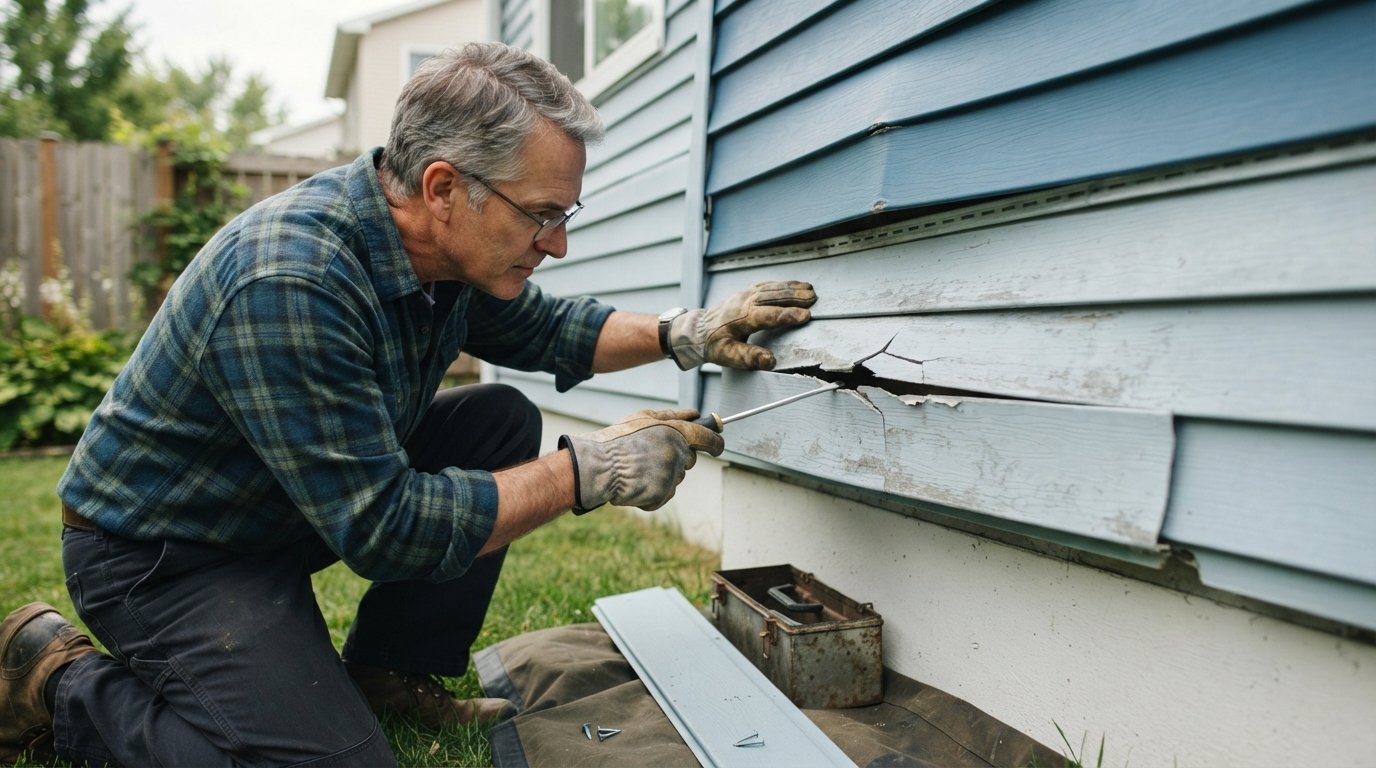
The first step in the vinyl siding repair vs replacement how to decide process is a thorough inspection. Not all damage is equal, and the scope of the problem often points to the right solution. A single crack from a stray baseball or a storm branch might be a job for a quick patch. However, widespread issues such as multiple broken panels, large sections of warping, or pervasive fading across several walls suggest a deeper problem.
Take a slow walk around your house and note every area that looks off. Pay special attention to areas near the ground where sprinklers may cause mineral deposits, and inspect the siding under windows and eaves where water might pool. Use a screwdriver to gently probe any soft spots or areas that look brittle. If the siding flexes excessively or crumbles, the material has likely lost its structural integrity.
Distinguishing Between Cosmetic and Structural Damage
Cosmetic issues, such as a few scratches, light fading, or a single dent, do not compromise the siding's ability to protect your home. These can often be repaired or even left alone for a while. Structural damage, on the other hand, includes holes that expose the sheathing, cracked panels that allow moisture to penetrate, or sections that have become loose due to wind events. When structural damage is present, the priority shifts from aesthetics to preventing water intrusion and potential rot.
Also, consider the age and condition of your underlying house wrap or foam sheathing. If water has been getting behind the siding, you may be dealing with hidden mold or rot that a simple panel replacement will not fix. In that case, removing the siding to inspect and repair the substrate becomes necessary, which often tips the scale toward replacement.
Evaluating the Cost Difference
Cost is a major factor in the vinyl siding repair vs replacement how to decide equation. A single panel replacement might cost between $100 and $300, including materials and labor. Full siding replacement, however, is a significant investment, typically ranging from $5,000 to $15,000 or more for an average-sized home, depending on the quality of the vinyl and the complexity of the installation.
To help you weigh the financial side, consider these points:
- Repair costs are immediate and lower, but they may recur if the underlying problem is not resolved.
- Replacement costs are high upfront, yet they offer a fresh start with new material and often a warranty of 25 to 50 years.
- Energy efficiency can improve with replacement if you add insulated vinyl, which may lower your heating and cooling bills over time.
- Insurance may cover some damage, especially if it is caused by a storm or other sudden event. Check your policy and file a claim if applicable.
If you are only repairing a few isolated spots, the cost is clearly lower. But when you add up multiple repairs over several years, the total can approach the cost of a replacement. In our guide to repairing clapboard vinyl siding, we explain how to handle localized issues without breaking the bank.
Considering the Age and Condition of Your Siding
Vinyl siding has a typical lifespan of 20 to 40 years, depending on the quality of the product and the climate in which you live. If your siding is close to or beyond that range, replacement is often the more logical choice. Older vinyl becomes brittle, more prone to cracking, and fades unevenly, making it hard to match new panels.
Even if you can find a matching color, the new piece will stand out against the faded older siding. This cosmetic mismatch is a common reason why homeowners choose to replace the entire wall or the entire house. If you are in this situation, ask yourself if you are willing to live with a patchwork appearance or if a uniform, fresh look is worth the extra expense.
Also, consider the structural condition of your home's exterior. If you have noticed frequent issues with moisture or pests, replacement provides an opportunity to inspect and correct the underlying wall system. This proactive approach can save you from costly repairs down the road.
Factoring in Long-Term Durability and Maintenance
Vinyl siding is celebrated for its low maintenance, but it is not maintenance-free. Over time, it can fade, warp, or become brittle. Repairing a few panels may extend the life of your siding for another five to ten years, but it does not address the gradual degradation of the entire surface. If you plan to stay in your home for more than a few years, replacement might be the better investment.
Newer vinyl siding products offer improved resistance to impact, fading, and high winds. Many come with a transferable warranty, which can be a selling point if you ever decide to move. On the other hand, if you are planning to sell soon, a minor repair might be all that is needed to make the home presentable, especially if the damage is not easily noticeable.
Think about the maintenance you are willing to commit to. If you are an active DIYer who enjoys small home projects, you might find satisfaction in keeping an older siding system alive with periodic repairs. If you prefer a set-and-forget approach, investing in high-quality replacement siding will give you peace of mind for decades.
Comparing Aesthetics and Curb Appeal
Your home's exterior is the first thing people see, and its condition can significantly affect its value and your enjoyment. A few mismatched patches can detract from an otherwise beautiful home. If the damage is in a prominent location, such as the front facade, a repair might still be noticeable. Replacement, in contrast, ensures a uniform color and texture.
Vinyl siding comes in a wide range of colors and profiles, including options that mimic wood grain or cedar shake. If you have been thinking about changing the color of your home, replacement gives you that opportunity. Even if you stick with the same color, new siding will look crisp and vibrant, instantly boosting curb appeal.
When deciding, look at your home through the eyes of a potential buyer. Would they see an older, tired exterior with visible flaws, or would they see a well-maintained facade? If the siding is a major part of your home's appearance, replacement can offer a higher return on investment when it comes time to sell.
When Repair Is the Clear Winner
There are certainly scenarios where repairing your vinyl siding is the smart choice. If the damage is limited to a few panels, the rest of the siding is in good condition, and your home is relatively young, a simple repair is quick and affordable. For example, if a storm knocked a single panel loose, you can reattach it or replace that one piece without needing to touch the rest.
Here is a simple list to help you decide if repair is sufficient:
- Damage is confined to a small area (less than 5% of total siding).
- The siding is under 15 years old and has no signs of widespread wear.
- You can find a matching color and profile from the same manufacturer.
- There is no evidence of moisture intrusion or rot behind the siding.
- You are on a tight budget and cannot afford a full replacement.
If these conditions describe your situation, hiring a local siding contractor to make a few targeted repairs is a practical approach. Just make sure the contractor uses the proper techniques to avoid damaging adjacent panels during the repair.
When Replacement Is the Better Investment
Replacement becomes the logical choice when the siding has reached the end of its useful life or when the damage is too extensive to repair effectively. If you notice multiple issues across different walls, or if the siding has become extremely brittle and breaks easily, patching it up will only delay the inevitable. Similarly, if you are experiencing high energy bills due to poor insulation, new insulated vinyl siding can help reduce those costs.
Another reason to consider replacement is if you are planning a major home renovation. Combining a siding replacement with other exterior projects, such as new windows or a roof, can be more efficient and cost-effective. Contractors can coordinate the work, and you avoid the hassle of multiple crews and overlapping schedules.
To get a clear picture of what replacement would involve, request estimates from several licensed contractors. They will evaluate your home's size, the number of stories, and the complexity of the installation. Use this information to compare the long-term cost of replacement against the cumulative cost of ongoing repairs.
How to Get Professional Quotes and Estimates
Once you have a general sense of whether repair or replacement is right for your home, it is time to gather professional opinions. A trusted contractor can provide a detailed inspection and a written estimate for both repair and replacement options. This allows you to see the exact price difference and make an informed decision based on real numbers.
When requesting quotes, be clear about your concerns and the condition of your siding. Provide photos of any damage and mention the age of the siding if you know it. Ask about the types of vinyl they recommend and whether they include insulation in their replacement estimate. Also, check their credentials, including licenses, insurance, and references.
For a hassle-free way to connect with vetted professionals, consider using a service like FreeQuotes.Contractors, which can provide you with multiple quotes from local siding experts. This gives you a broad view of the market and helps you find a contractor who fits your budget and expectations.
Remember that the cheapest quote is not always the best. Look for a contractor who communicates clearly, has a solid track record, and offers a warranty on both materials and workmanship. Getting three to four quotes is a good rule of thumb to ensure you are paying a fair price.
Making the Final Decision
Weighing all these factors can be complex, but the vinyl siding repair vs replacement how to decide process ultimately comes down to a few key questions. How old is your siding? How extensive is the damage? What is your budget, and what are your long-term plans for the home? If you answer these honestly, the right choice becomes clearer.
For many homeowners, a mid-range solution is to repair the most visible damage now and set aside money for a future replacement. This can be a smart strategy if you are not ready for a large capital expenditure but want to maintain your home's appearance in the meantime. Just be aware that this approach may cost more in the long run if you end up paying for multiple repairs.
No matter which path you choose, always prioritize quality workmanship. Proper installation is critical to the performance and longevity of your siding. Whether it is a simple panel replacement or a full house re-side, hiring a skilled professional ensures that your home remains protected and looks its best.
As you move forward, remember that your home is one of your most valuable assets. Maintaining its exterior is not just about looks; it is about preserving the structure and comfort of your living space. With the information in this guide, you are well-equipped to make a decision that aligns with your needs and your wallet.