
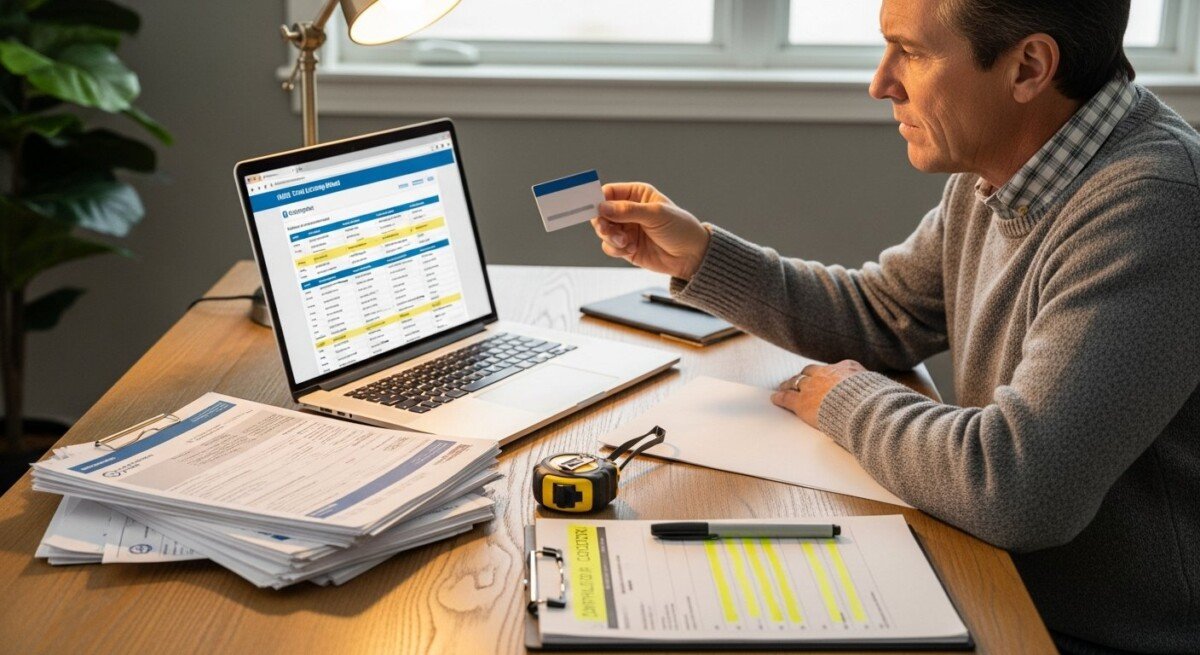
How to Verify a Contractor License: A Homeowner’s Guide
Learn the simple, essential steps to verify a contractor’s license. Protect your home, your budget, and your peace of mind by hiring the right pro.

By Alexia Mabel
Learn more about Exterior Painting for guides, costs, and what to expect.
Compare Exterior Painting Pros Near You

Enter your ZIP code to compare top-rated local professionals and request free quotes.
Hiring a contractor for a home project is a big decision. You’re trusting someone with your safety, your budget, and your most valuable asset,your home. While getting multiple quotes and checking references are smart steps, there’s one crucial task that often gets overlooked: verifying the contractor’s license. It might sound like a formality, but it’s your first and best line of defense against scams, shoddy work, and financial headaches. This guide will walk you through exactly how to do it, step-by-step, in clear, simple language.
Protect your home and budget. Verify a contractor’s credentials and get a transparent, worry-free estimate by calling 📞833-365-8755 or visiting Verify Contractor License.
Understanding Contractor License Verification
At its core, verifying a contractor’s license means confirming that the professional you’re considering is legally authorized to perform the work in your area. A license is more than just a piece of paper; it’s proof that the contractor has met specific state and local requirements for knowledge, experience, and financial responsibility.
Licensing rules vary widely. They can be managed at the state, county, or city level, and the type of license needed depends on the trade (like plumbing, electrical, or general contracting) and the job’s cost. This is why a blanket check isn’t enough,you need to verify the specific license that applies to your project.
What a Valid License Really Means
When a contractor holds a current, active license, it typically signifies they have passed exams, carry the necessary insurance (like liability and workers’ compensation), and have a bond for your protection. It also means they are subject to oversight by a licensing board, giving you a formal path to file a complaint if something goes wrong.
Why It Matters for Homeowners
Skipping license verification is a risk no homeowner should take. An unlicensed contractor might offer a lower price, but that “savings” can vanish instantly if they cause damage, perform unsafe work, or simply disappear with your deposit. Without a license, you have little to no recourse.
Verifying a license protects you in several key ways. It ensures the work will be done to code, which is critical for your family’s safety and for passing future home inspections. It also protects you from being held liable if a worker is injured on your property. Most importantly, it filters out the unqualified operators, giving you peace of mind that you’re hiring a legitimate professional.
Think of it as a fundamental part of your due diligence. Just as you wouldn’t buy a car without checking its history report, you shouldn’t hire a contractor without checking their license status. It’s a simple process that can prevent enormous stress and expense down the line.
Ready to hire a verified pro? The team at Repairmen is fully licensed, insured, and ready to deliver quality work you can trust. Contact us online for a transparent, worry-free estimate.
Common Issues and Their Causes
Many homeowners run into problems because they assume a contractor is licensed based on a website claim, a logo on a truck, or a verbal assurance. Unfortunately, misrepresentation is common. Other issues arise from not understanding the different types of licenses or where to check.
The most frequent causes of verification failures include:
- Expired Licenses: A contractor may have been licensed once but let their registration or insurance lapse.
- Out-of-Scope Work: A contractor licensed for general handyman tasks may not be legally allowed to do major electrical, plumbing, or structural work.
- Borrowed or Fake Numbers: Some may use another company’s license number or create a fake one.
- Jurisdiction Problems: A license valid in one county or city may not be valid in yours, even within the same state.
- Complaint History: The license may be active, but have a history of serious violations or unpaid judgments attached to it.
How to Verify a Contractor License: A Step-by-Step Process
Verifying a license is straightforward if you know where to look. Follow these steps to conduct a thorough check.
First, ask the contractor for their full, exact business name and license number. A reputable professional will provide this willingly and immediately. If they hesitate, give vague answers, or say they “don’t have it on them,” consider it a major red flag.
Next, find your state’s official licensing board website. You can search online for phrases like “[Your State] contractor license lookup” or “[Your State] licensing board.” Always use the official .gov website. Once there, use the search tool to enter the contractor’s license number or business name.
- Check the Status: Confirm the license is “Active” or “Current.”
- Verify the Details: Ensure the business name and address match what the contractor gave you. Check the classification or type of license (e.g., “General Building Contractor,” “Electrical”) to confirm it covers your project.
- Review the History: Look for any disciplinary actions, complaints, or legal judgments. A clean record is ideal.
- Confirm Insurance: The lookup often shows if liability and workers’ comp insurance are current. If not, ask for a certificate of insurance directly from the contractor and call the provider to verify it’s valid.
Signs You Should Not Ignore
During your search and conversations, certain warning signs should prompt you to walk away. Trust your instincts,if something feels off, it probably is.
A contractor who only accepts cash, pressures you for a large deposit upfront, or is reluctant to put the full project scope in a written contract is operating outside standard professional practices. These are tactics often used by unlicensed or unscrupulous workers.
Protect your home and budget. Verify a contractor’s credentials and get a transparent, worry-free estimate by calling 📞833-365-8755 or visiting Verify Contractor License.
- No Written Contract: A detailed contract is non-negotiable for any project of significant size.
- Pressure to Get Permits Yourself: Licensed contractors typically pull required permits themselves. If they ask you to do it, they may be unlicensed.
- Vague or Changing Business Identity: Be wary if they use multiple business names, a PO Box with no physical address, or only a cell phone number.
- Extremely Low Bid: A bid dramatically lower than others often means cutting corners, using subpar materials, or being uninsured.
- No Online Presence or Reviews: While not a definitive sign, a complete lack of a digital footprint or verifiable customer reviews is a cause for extra caution.
Cost Factors and What Affects Pricing
It’s natural to focus on the bottom line, but understanding what goes into a contractor’s quote helps you evaluate value. A licensed contractor’s price reflects their qualifications, insurance, quality materials, and skilled labor.
The main factors affecting cost include the project’s scope and complexity, the quality of materials selected, local labor rates, and permit fees. A licensed pro will also factor in their overhead,insurance, bonding, continuing education, and tools,which an unlicensed worker does not carry. This is why their bid may be higher, but it represents real protection for you.
Remember, the cheapest option is often the most expensive in the long run. Poor workmanship can lead to costly repairs, failed inspections, decreased home value, and even safety hazards. Investing in a properly licensed contractor is an investment in quality and peace of mind.
How to Choose the Right Professional
Once you’ve verified the license, your decision isn’t over. Use this as the foundation to choose the best contractor for your job. Look for clear communication, a professional demeanor, and a willingness to answer all your questions.
Always get at least three detailed, written estimates from licensed contractors. Compare not just the price, but the scope of work, materials specified, and projected timeline. Check online reviews and ask for references from past clients for similar projects. Finally, ensure you are comfortable with them,you’ll be working together closely, so good rapport is important.
Long-Term Benefits for Your Home
Hiring a licensed contractor pays dividends long after the project is complete. Work done to code ensures the safety and integrity of your home, preventing future issues like electrical fires, water damage, or structural failures. It also protects your home’s resale value, as unpermitted or non-compliant work can be a major red flag for future buyers and home inspectors.
You gain the confidence that your investment is sound and the security of knowing you have recourse through the licensing board if a rare problem arises. Ultimately, it’s about creating a safe, beautiful, and functional home without the lingering worry of “what if.”
Frequently Asked Questions
Is a “handyman” required to have a contractor’s license?
It depends on your state’s laws and the job’s value or complexity. Many states have a monetary threshold (e.g., jobs over $1,000) or exclude specific trades like plumbing and electrical. Always check your local regulations to be sure.
What’s the difference between being bonded and insured?
Insurance (liability and workers’ comp) protects against damages and injuries. A bond is a financial guarantee that protects you if the contractor fails to complete the job, doesn’t pay for permits, or causes other financial loss.
The license lookup shows “Inactive.” What does that mean?
An “Inactive” status usually means the contractor cannot legally contract for new work. This could be due to expired insurance, unpaid fees, or a voluntary suspension. Do not hire a contractor with an inactive license.
Can I verify a license over the phone?
Yes, most state licensing boards have a phone number for verification. However, the online database is often more detailed, allowing you to see the license classification and complaint history.
What if my contractor is licensed in another state?
With rare exceptions for federal projects, a contractor must hold a valid license in the state where the work is being performed. An out-of-state license is not valid for your local project.
The contractor has a business license. Is that the same?
No. A general business license from a city allows them to operate a business. A contractor’s license is a specialized credential proving competency in the construction trade. You need to verify the contractor’s license.
What should I do if I discover I hired an unlicensed contractor?
Stop work immediately. You may be able to file a complaint with your state’s licensing board or consumer protection agency. Consult with an attorney to understand your options for recovering funds.
Are online review sites a reliable substitute for license verification?
Absolutely not. Reviews are subjective and can be faked. They are a useful tool for assessing reputation and customer service, but they are not a legal substitute for an active, verified license.
Taking the time to verify a contractor’s license is one of the most powerful things you can do as a homeowner. It’s a simple process that builds a foundation of trust, quality, and security for your home improvement project. By following the steps outlined here, you can confidently hire a professional who will deliver results that last, protecting your home and your investment for years to come.
Protect your home and budget. Verify a contractor’s credentials and get a transparent, worry-free estimate by calling 📞833-365-8755 or visiting Verify Contractor License.
Learn more about Exterior Painting for guides, costs, and what to expect.
Compare Exterior Painting Pros Near You
Enter your ZIP code to compare top-rated local professionals and request free quotes.