
Understanding Your HVAC Installation Estimate: A Homeowner’s Guide
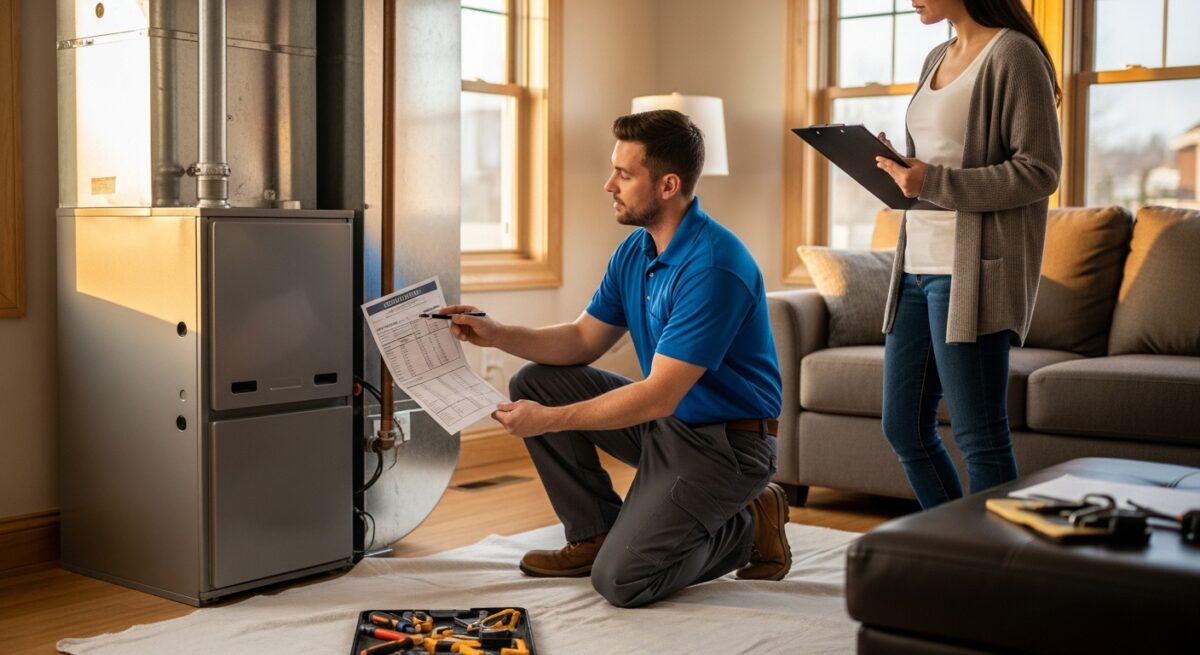
Getting ready for a new HVAC system can feel overwhelming, and nothing is more confusing than trying to compare different estimates. You want to make a smart investment in your home’s comfort, but how do you know if you’re getting a fair price and the right system? The estimate you receive is more than just a number; it’s a blueprint for your home’s climate control for the next decade or more. Let’s break down exactly what goes into an HVAC installation estimate, so you can feel confident and clear when making this important decision.
A Simple Breakdown of Your HVAC Installation Estimate
An HVAC installation estimate is a detailed proposal from a contractor. It outlines the scope of work, the equipment to be used, the labor involved, and the total cost. A good estimate doesn’t just give you a final price; it explains the “why” behind it.
Think of it as a roadmap for your project. It should clearly show the starting point, the destination (a comfortable, efficient home), and every step along the way. This transparency is what separates a trustworthy professional from someone just looking to make a quick sale.
Understanding each line item empowers you. You’ll see exactly what you’re paying for, from the brand of the air conditioner to the cost of installing new ductwork. This knowledge is crucial for comparing proposals apples-to-apples.
What a Detailed Estimate Should Include
A comprehensive estimate will list the make, model, and size (in tons or BTUs) of both the proposed furnace and air conditioner or heat pump. It should also specify the system’s efficiency ratings, like SEER for cooling and AFUE for heating. These numbers directly impact your long-term energy bills.
Why a Detailed Estimate Matters for Homeowners
An unclear or vague estimate can lead to unexpected costs, project delays, and frustration. Imagine agreeing to a price, only to find out later that electrical upgrades or a new thermostat weren’t included. A detailed estimate prevents these unpleasant surprises by setting clear expectations for both you and the contractor.
Beyond avoiding hidden fees, a proper estimate ensures you get a system that’s correctly sized for your home. An oversized unit will cycle on and off too quickly, wasting energy and failing to dehumidify properly. An undersized unit will struggle to keep up on extreme days. The estimate should reference the manual load calculation (like a Manual J) performed to determine the perfect size.
Finally, this document protects your investment. It serves as a written agreement detailing the work to be done, the products to be used, and the project timeline. Should any disagreement arise, your detailed estimate is the first place you’ll look for clarification.
Ready for a clear, no-surprises estimate on your new HVAC system? Our local experts provide detailed, upfront quotes. Get your free HVAC installation estimate today or call (555) 123-4567 to schedule your in-home assessment.
Common Issues with HVAC Estimates and Their Causes
The most frequent problem homeowners face is receiving a “ballpark” quote over the phone without a technician ever seeing their home. This is a major red flag. Every home is unique, and an accurate estimate requires an on-site visit to assess your existing ductwork, electrical panel, insulation, and layout.
Another issue is when estimates vary wildly in price. This can be caused by contractors quoting different tiers of equipment (basic, mid-range, high-efficiency), omitting necessary work like duct sealing, or using subpar materials. Sometimes, a shockingly low bid means the contractor plans to cut corners or isn’t properly licensed and insured.
Confusing terminology can also be a barrier. If you don’t understand terms like “manifold,” “line set,” or “load calculation,” it’s hard to know what you’re paying for. A good contractor will walk you through every part of the estimate in plain language.
- Cause: No on-site inspection performed.
- Cause: Comparing different equipment quality and efficiency levels.
- Cause: Excluding necessary ancillary work (permits, disposal, electrical).
- Cause: Unclear or missing scope of work descriptions.
How a Professional Creates Your Installation Estimate
The process starts with a thorough home evaluation. A qualified technician will inspect your current system, measure your living space, check insulation levels, and evaluate your ductwork. They’ll discuss your comfort needs and any issues with your old system.
Next, they perform calculations. This includes a Manual J load calculation to determine the precise heating and cooling capacity your home needs, and a Manual D to design ductwork that efficiently delivers air. This step is non-negotiable for a proper installation.
Finally, the contractor compiles the estimate. This document will synthesize the equipment choices, the labor for removal and installation, all materials (from refrigerant lines to sealant), costs for permits, and a clean-up plan. They will then review this document with you, ensuring you understand each component before you make a decision.
- Home Assessment: In-person evaluation of your space and needs.
- System Design: Load calculation and equipment selection.
- Proposal Creation: Compiling labor, materials, and costs into a clear document.
Don’t settle for guesswork. A precise estimate is the foundation of a successful installation. Connect with our vetted HVAC contractors who deliver detailed, transparent proposals. Call us at (555) 123-4567 to get started.
Signs You Should Not Ignore on an Estimate
If an estimate seems too good to be true, it probably is. Extremely low bids often mean the contractor is unlicensed, plans to use uncertified technicians, or will use inferior equipment. This can void warranties and lead to costly repairs down the line.
Be wary of high-pressure sales tactics or limited-time discounts designed to force a quick signature. A reputable contractor gives you time to review the proposal and ask questions. They are educators, not just salespeople.
Most importantly, an estimate that lacks detail is a warning sign. A single-line item that just says “Install new HVAC system – $XXXXX” is useless. You need a breakdown to understand the value you’re receiving.
- Warning Sign: A quote provided without a home visit.
- Warning Sign: Vague descriptions like “labor and materials” without specifics.
- Warning Sign: No mention of obtaining local building permits.
- Warning Sign: The contractor is reluctant to provide references.
- Warning Sign: No written warranty details included.
Cost Factors and What Affects Your HVAC Installation Pricing
The single biggest factor is the equipment itself. Higher-efficiency systems with features like variable-speed motors and smart thermostats cost more upfront but offer significant energy savings. The brand and warranty length also play a role in the price.
The complexity of the installation dramatically impacts cost. Is the contractor simply replacing an old unit with a new one in the same spot (a “like-for-like” swap), or is there extensive new ductwork needed? Moving the indoor air handler or installing a new flue for a furnace adds labor and material expenses. Similar to other major home projects, the scope defines the price, much like the factors covered in our guide to window installation estimates.
Additional costs often include necessary upgrades to your home’s infrastructure, such as installing a new electrical line or upgrading your drain line. Permit fees, charged by your local municipality to ensure the work is inspected and meets code, are also a standard part of a legitimate estimate.
How to Choose the Right Professional for the Job
Always verify licensing, insurance, and bonding. This protects you if anything goes wrong during the project. Ask for proof and check with your state’s licensing board. A professional who takes pride in their work will have this information readily available.
Look for established companies with strong local reputations. Read online reviews and ask for references from recent customers. A good question to ask a reference is, “Did the crew clean up thoroughly at the end of each day?”
Choose a contractor who acts as a consultant. They should ask detailed questions about your home and comfort, perform those essential load calculations, and explain your options without pressure. The right partner will help you balance upfront cost with long-term efficiency and comfort.
- Check for proper state and local HVAC licenses.
- Request proof of liability insurance and worker’s compensation.
- Ask about in-house technicians vs. subcontractors.
- Compare the warranty offered on both parts and labor.
Investing in your home’s comfort is a big decision. Get it right with a partner you can trust. Learn more about evaluating HVAC quotes and then let us provide your detailed estimate. Call (555) 123-4567 for expert guidance.
Long-Term Benefits of a Proper HVAC Installation
When your system is correctly sized and installed according to the detailed estimate, your home reaches a new level of comfort. Consistent temperatures, balanced humidity, and even airflow throughout all rooms become your everyday reality, not a wishlist item.
Efficiency translates directly to savings. A properly installed high-efficiency system can cut your monthly energy bills significantly. The money you save over the 15-20 year lifespan of the unit can offset a higher initial investment. You also reduce your home’s carbon footprint.
Finally, a quality installation extends the life of your equipment. When an HVAC system struggles because it was poorly installed, components wear out faster. A professional installation minimizes strain on the system, leading to fewer repairs, greater reliability, and peace of mind knowing your home is in good hands for years to come.
Frequently Asked Questions (FAQs)
How many estimates should I get for an HVAC installation?
It’s wise to get at least three detailed estimates from reputable contractors. This allows you to compare not just the bottom-line price, but also the equipment proposed, the scope of work, and the professionalism of each company. Be cautious of any bid that is drastically higher or lower than the others.
What is the difference between an estimate and a quote?
In common usage, they are often interchangeable. However, technically, an “estimate” is a professional’s best guess at the final cost, while a “quote” or “bid” is typically a fixed price for the outlined work. Always clarify with the contractor if the number they provide is a fixed price or subject to change.
Are there financing options available for HVAC installation?
Most reputable HVAC companies offer financing options. These can range from special promotional periods with low or no interest to longer-term loans. Be sure to understand all the terms, including interest rates and fees, before signing a financing agreement.
How long does a typical HVAC installation take?
A standard replacement of a furnace and air conditioner can often be completed in one full day. Projects involving new ductwork, moving equipment locations, or installing complex systems like geothermal may take several days to a week. Your estimate should include a projected timeline.
Do I need to be home during the installation?
Yes, it’s highly recommended that an adult be home at the start and end of the project day. This allows for a walkthrough with the project lead, answering any last-minute questions, and ensuring you understand how to operate your new system once they leave.
Will the old equipment be hauled away?
A professional estimate should always include the cost of removing and responsibly disposing of your old HVAC equipment. This is a standard part of the service. Never hire a contractor who plans to leave the old unit for you to handle.
What maintenance will my new system need?
To keep your system running efficiently and maintain the warranty, plan for annual maintenance. This typically involves a spring tune-up for your cooling system and a fall check-up for your heating system. Many contractors offer affordable maintenance plans. For optimal performance, consider pairing your new system with a regular HVAC tune-up schedule.
Does a new HVAC system add value to my home?
Absolutely. A modern, efficient HVAC system is a major selling point for potential homebuyers. It signals that a key, expensive component of the house is new, reliable, and won’t need immediate replacement. It can significantly enhance your home’s marketability and value.
Navigating your HVAC installation estimate doesn’t have to be stressful. With the right information and a trustworthy professional by your side, you can move forward with confidence, knowing you’re making a sound investment in your home’s comfort, efficiency, and value for the long haul.


About

Your Guide to Finding a Trusted Window Contractor Nearby
Find a trusted window contractor near you for repairs or replacement. Learn how to choose a pro, understand costs, and secure long-term benefits for your home's comfort and value.

Why Licensed and Insured Contractors Protect Your Home
Hiring a licensed and insured contractor is the most important step for a safe, successful home project. Learn why this protection matters for your home and budget.
Why Licensed and Insured Contractors Protect Your Home
Hiring a licensed and insured contractor is your best protection for home projects. Learn why these credentials matter for your safety, wallet, and peace of mind.
Find a Pro!
"*" indicates required fields