
Understanding Labor Cost vs Material Cost for Homeowners

You’ve finally decided to tackle that kitchen renovation or fix that leaky roof. You start shopping for beautiful cabinets or durable shingles, excitedly adding up the price tags. Then, you get the first contractor quote. The total is significantly higher than your material tally, and you’re left wondering: where did all that extra money go? This moment of sticker shock is a common experience for homeowners, and it usually comes down to one key distinction,understanding labor cost vs material cost.
Understanding Labor Cost vs Material Cost
In simple terms, material cost is the price of the physical items needed for your project. This includes lumber, tiles, fixtures, pipes, wiring, and paint. You can often see, touch, and price these items at a store.
Labor cost, on the other hand, is the price for the skilled work to install, build, or repair those materials. It covers the contractor’s or tradesperson’s time, expertise, tools, insurance, and overhead. While materials are a tangible product, labor is the skilled service that brings your project to life.
Every home improvement project, from a small bathroom update to a major addition, is a combination of these two costs. Knowing the difference is the first step to creating a realistic budget and understanding the true value you’re receiving.
Why This Matters for Your Home
Misunderstanding these costs can lead to serious budget overruns or, worse, choosing the wrong contractor. If you budget only for materials, you might be forced to cut corners on labor, hiring someone without the proper skills or insurance to save money.
This gamble can put your home and family at risk. Poor installation can lead to water damage, electrical fires, or structural issues that cost far more to fix later. Quality labor ensures materials perform as intended, protecting your investment and your safety.
Getting a clear breakdown of labor vs. material costs helps you compare quotes fairly. It shows you what you’re paying for and allows you to make informed decisions about where to potentially save and where to invest for long-term value.
If you notice signs of this issue in your home, it may help to speak with a qualified contractor. Request a free quote or call to explore your repair or remodeling options.
Common Problems Homeowners Experience
When labor and material costs aren’t properly understood, homeowners often face frustrating and expensive situations. A common problem is the “disappearing budget,” where the initial savings from choosing cheaper materials are swallowed by complex installation fees.
Another frequent issue is inconsistent pricing. One contractor may quote a low material cost but a high labor fee, while another does the opposite. Without understanding the split, it’s impossible to know which quote offers better value for the same quality of work.
- The “DIY Disaster” Budget: Underestimating the skill required, a homeowner buys materials and attempts the work, only to call a pro to fix costly mistakes.
- Unbalanced Quotes: Comparing total prices without a cost breakdown, potentially choosing inferior work disguised by a low bid.
- Quality Mismatch: Pairing high-end materials with a low-bid, inexperienced installer, leading to poor performance and wasted money.
- Hidden Cost Surprises: Encountering unexpected labor charges for problem-solving issues like rotten subfloors or outdated wiring once walls are opened.
- Warranty Voids: Installing materials yourself or with an unlicensed contractor, which often voids the manufacturer’s warranty on the products.
How Professionals Solve the Problem
A reputable contractor brings clarity to the labor vs. material equation. They provide detailed estimates that separate these costs, so you see exactly what you’re paying for. Their expertise allows them to accurately forecast both the materials needed and the time required to install them correctly.
Professional work follows a process designed for efficiency and quality. This structured approach is why labor has value,it’s the application of years of experience to avoid pitfalls and ensure a durable result. For example, a professional bathroom remodel involves precise steps that a DIYer might overlook, as detailed in our guide on small bathroom remodel labor costs.
- Assessment & Planning: Evaluating the existing conditions and creating a precise plan to avoid mid-project surprises.
- Material Procurement: Sourcing quality materials at competitive trade prices, often with better warranties.
- Skilled Installation: Applying trade-specific knowledge and proper techniques to ensure code compliance and longevity.
- Problem-Solving: Efficiently handling unforeseen issues (like hidden water damage) without compromising the project timeline or quality.
- Cleanup & Inspection: Leaving a finished job site and ensuring all work meets safety and quality standards.
A professional inspection can reveal hidden issues before they become expensive repairs. Compare contractor quotes here or call to discuss your project.
Warning Signs You Should Not Ignore
When reviewing quotes or planning a project, certain red flags can indicate a misunderstanding of costs that will lead to trouble. The biggest warning sign is a contractor who refuses to provide any kind of cost breakdown, offering only a single, vague total.
Ignoring the value of skilled labor often results in recurring problems. A roof that leaks after every storm or a floor that squeaks no matter what you do are usually symptoms of installation errors, not material failures. Addressing these issues early with professional help prevents minor repairs from becoming major reconstructions.
- A quote that is dramatically lower than all others, often indicating cut-rate labor or substandard materials.
- A contractor who pressures you to buy all materials yourself to “save money.”
- No mention of permits, licenses, or insurance, which are critical labor-related protections for you.
- An estimate that lists only a total price with no itemization of labor hours or material types.
- Promises of an unusually fast completion time, which can mean rushed, sloppy work.
- Requests for full payment upfront before any materials are delivered or work begins.
What Affects the Cost of Repairs or Installation
Several key factors influence how the labor and material costs add up for your specific project. The size and scope are the most obvious,re-shingling a garage is different from re-roofing a large, multi-story home. Similarly, a full kitchen remodel involves more labor and higher-end materials than a simple cabinet refacing.
The condition of your home plays a huge role. Labor costs can skyrocket if workers must remediate mold, replace rotten framing, or update ancient electrical systems before they can even begin the planned work. Accessibility also matters; working in a tight, hard-to-reach attic or on a steep roof requires more time and skill.
Costs can vary depending on the condition of your home. The best way to know the price is to get a personalized estimate. Request free quotes from contractors or call today.
How to Choose the Right Contractor
Selecting the right professional is the most important step in ensuring you get fair value for both labor and materials. Start by looking for established contractors with verifiable references and a physical business address. This demonstrates they invest in their business and community.
Always compare multiple detailed quotes. A good quote should clearly list the types and grades of materials to be used (e.g., brand and model of shingles, grade of lumber) and provide an estimate of labor hours or a fixed labor price for the scope. This transparency allows for an apples-to-apples comparison and builds trust.
- Verify Licenses & Insurance: Confirm they are licensed for your type of project and carry both liability and workers’ compensation insurance.
- Read Reviews & Ask for References: Check online platforms and ask for past client contacts to hear about their experience.
- Request Detailed, Written Estimates: Ensure quotes separate labor and material costs and specify the products to be used.
- Compare Multiple Quotes: Get at least three bids to understand the market rate for your project’s labor and materials.
- Ask About Experience: Choose a contractor with specific experience in projects like yours, whether it’s a historical home update or a modern addition.
Long-Term Benefits of Professional Work
Investing in quality labor pays dividends for years to come. Proper installation extends the life of your materials, meaning your new roof, windows, or HVAC system will last as long as the manufacturer intended. This delays the need for replacement and saves you money over the life of your home.
Professional work also protects your home’s value and safety. Code-compliant electrical and plumbing work prevents fire and water hazards. Structurally sound additions and renovations increase your property’s market value. Furthermore, many professional installations come with a workmanship warranty, giving you peace of mind long after the project is complete.
How much should labor cost compared to materials?
There’s no universal ratio, as it varies wildly by project. For example, a complex plumbing repair might be 90% labor and 10% parts, while a flooring project could be a 50/50 split. Highly skilled trades and intricate custom work typically have a higher labor proportion. The key is that the labor cost should reflect the expertise required.
Can I save money by buying my own materials?
Sometimes, but it often comes with risks. Contractors may not warranty labor on homeowner-supplied materials. You also miss out on their trade discounts. If materials are incorrect, delayed, or damaged, you bear the responsibility, potentially increasing project delays and costs.
Why do contractor labor rates seem so high?
The hourly rate covers far more than just the worker’s wage. It includes business insurance, vehicle and tool costs, licensing fees, employee benefits, and overhead for their office. Most importantly, it pays for their expertise,the knowledge to complete the job correctly and efficiently the first time.
What’s included in a “labor” cost on a quote?
Labor cost should encompass all time for the crew (preparation, installation, cleanup), the use of specialized tools and equipment, project management and supervision, securing permits, and the contractor’s liability for the quality and safety of the installation.
Is a higher material cost always better?
Not necessarily. While quality materials are crucial, their performance depends entirely on proper installation. A mid-grade material installed expertly will often outperform a premium material installed poorly. A good contractor can advise on the best value materials for your budget and goals.
How can I tell if a labor quote is fair?
Compare the detailed scope of work and labor hours across multiple quotes. Ask what specific tasks the labor covers. Research average labor times for your project type in your area. Remember, the cheapest labor can be the most expensive if it leads to rework or damage.
Should I pay for labor upfront?
Be wary of large upfront payments. A standard payment schedule is often a deposit to secure materials (10-30%), with progressive payments tied to project milestones, and a final payment due upon satisfactory completion. This protects both you and the contractor.
Understanding the distinct roles of labor and material costs empowers you to be a savvy homeowner. It transforms the budgeting process from a confusing guess into a clear financial plan. By valuing both the physical products and the skilled work that brings them together, you make decisions that protect your home’s safety, functionality, and value for the long term. Don’t let cost confusion delay your project,reaching out to qualified professionals for detailed quotes is the most practical first step you can take.

About
Understanding Labor Cost vs Material Cost for Homeowners
A clear guide for homeowners on labor cost vs material cost, explaining the difference and why both matter for your renovation budget and project success.
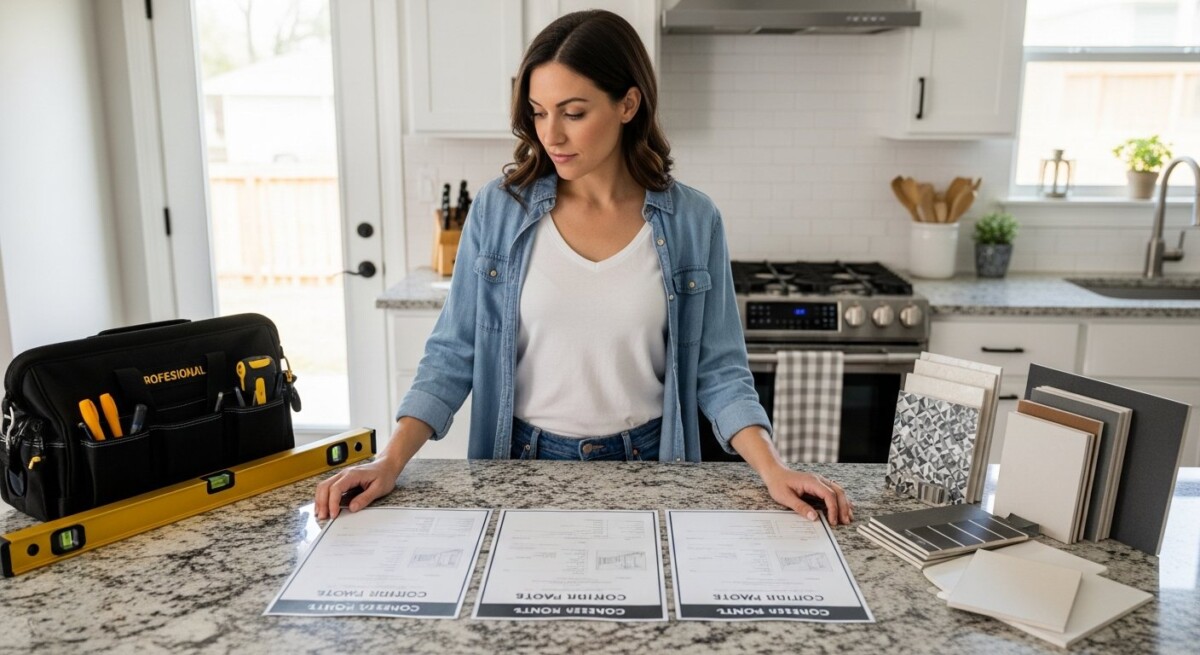
How to Choose Between Multiple Contractors for Your Home
A practical guide for homeowners on how to choose between multiple contractors, ensuring you pick the right professional for your repair or remodel.
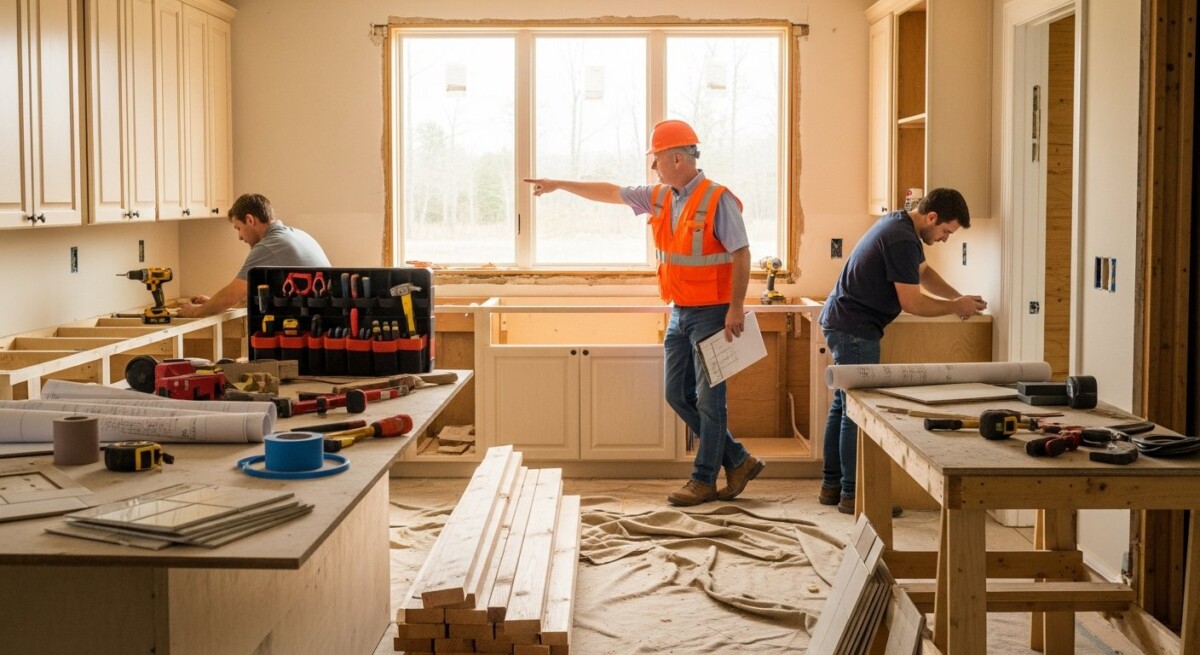
General Contractors in Raleigh NC: Your Home Project Guide
Your guide to hiring a general contractor in Raleigh, NC. Learn how they manage home renovations, ensure quality, and protect your investment for a stress-free project.
Find a Pro!
"*" indicates required fields