
Understanding Electrical Panel Replacement Costs
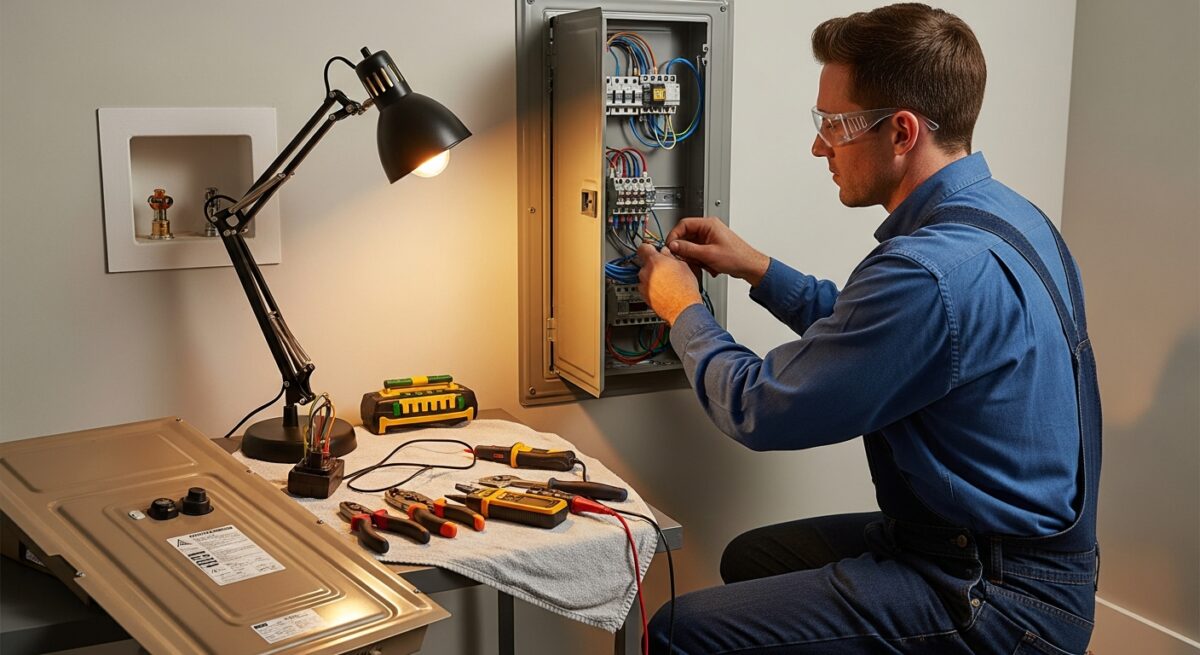
Your home’s electrical panel is the silent hero of your house, quietly distributing power to every light, outlet, and appliance. But when it’s old, failing, or simply too small for your modern needs, the thought of replacing it can feel overwhelming. One of the biggest questions homeowners have is, “How much is this going to cost?” Getting a clear, upfront understanding of electrical panel replacement cost is the first step toward a safer, more powerful home.
A Simple Breakdown of Electrical Panel Replacement Cost
So, what exactly goes into the price tag for a new electrical panel? It’s not a one-size-fits-all service. Think of it like remodeling a kitchen: the final cost depends on the size you choose, the materials used, and the complexity of the job.
In general, the cost for a full panel replacement, including labor and materials, typically ranges from $1,200 to $3,500 for most homes. However, simpler upgrades or more complex, high-amperage installations can fall outside this range. The final number is a combination of the panel itself, the skilled labor to install it safely, and any additional electrical work needed.
What’s Included in the Price?
A professional quote should cover the entire process. This includes the new panel box and circuit breakers, all labor for safe removal of the old unit and installation of the new one, necessary wiring updates, a full inspection by your local building department (permit fees are often included), and a final test to ensure everything is running perfectly.
Why It Matters for Homeowners
Investing in a new electrical panel isn’t just about fixing a problem; it’s about investing in your home’s safety, functionality, and future. An outdated or faulty panel is a leading cause of electrical fires. Modern panels with updated safety features, like AFCI and GFCI breakers, actively prevent dangerous arc faults and shocks.
Beyond safety, a new panel delivers reliable power. It eliminates frustrating issues like frequent breaker trips, flickering lights, and buzzing sounds. Most importantly, it provides the capacity for modern living. If you’re adding a home office, an EV charger, or a kitchen renovation, you need a panel that can handle the load without risking overload.
Ready for a safer, more powerful home? Our licensed electricians provide free, no-obligation estimates. Contact us online or call (555) 123-4567 today to schedule your assessment.
Common Issues and Their Causes
Homeowners often consider replacement when their current panel shows clear signs of struggle. These problems usually stem from age, wear, or simply being outpaced by our electrical demands.
The most common culprit is an outdated panel. Many older homes still have fuse boxes or panels from brands known to be unsafe, like Federal Pacific or Zinsco. These panels are decades old, lack modern safety technology, and are prone to failure. Another major issue is insufficient amperage. A 60- or 100-amp panel from the 1970s wasn’t designed for multiple large appliances, computers, and charging stations running simultaneously.
- Age: Panels over 25-30 years old are beyond their expected lifespan.
- Frequent Breaker Trips: Constant tripping is a sign of overload or a faulty breaker.
- Burning Smell or Scorch Marks: This indicates overheating and is a serious fire hazard.
- Rust or Corrosion: Moisture in the panel can cause dangerous shorts and failures.
- Buzzing or Crackling Sounds: These are audible warnings of loose connections or arcing.
How Professionals Fix the Problem
A professional panel replacement is a meticulous process designed for safety and compliance. It begins with a thorough evaluation. A licensed electrician will assess your current system, your home’s power needs, and local codes to recommend the right panel size and type.
Once planned, the electrician will obtain the required permit from your local building department. On installation day, the power from the utility company is safely disconnected. The old panel is carefully removed, and the new panel is mounted and wired. All connections are secured, and new breakers are installed. After power is restored, the system is rigorously tested. Finally, the work is inspected by the city or county to ensure it meets all safety codes.
- Assessment & Planning: Evaluate needs and obtain permits.
- Safe Power Disconnect: Coordinate with the utility company.
- Removal & Installation: Swap old for new with precise wiring.
- Testing & Inspection: Verify safety and secure final approval.
Don’t gamble with DIY electrical work. Our expert team handles the entire process from permit to inspection. Schedule your service or call (555) 123-4567 for a job done right.
Signs You Should Not Ignore
Your electrical system often sends clear distress signals. Paying attention to these warnings can prevent inconvenient outages and, more critically, dangerous situations like electrical fires.
Some signs are obvious, like a persistent burning odor from the panel or visible rust and corrosion. Others are more subtle but just as important. If you constantly have to reset tripped breakers, or if your lights dim when you turn on an appliance like the microwave or vacuum, your system is telling you it’s overloaded or failing.
- Breakers that trip constantly, even with normal use.
- Any burning smell or discoloration/scorch marks on the panel.
- You still have an old-fashioned fuse box instead of a circuit breaker panel.
- Your panel is a recalled or hazardous brand (e.g., Federal Pacific, Zinsco, Sylvania).
- You’re using power strips and extension cords extensively because you don’t have enough outlets.
Cost Factors and What Affects Pricing
Understanding what influences the final cost helps you make sense of quotes and plan your investment. The single biggest factor is the amperage of the new panel. Upgrading from 100 amps to 200 amps costs more than a like-for-like replacement because it involves heavier-gauge wiring from the utility.
The brand and features of the panel also matter. A standard panel from a reputable brand is a solid choice, while panels with advanced surge protection or smart home compatibility may cost more. Labor complexity is a major driver. Is the panel easily accessible, or is it in a tight closet? Does the existing wiring need to be updated to current code? These factors add time and expertise to the job. Finally, local permit and inspection fees vary by municipality but are a non-negotiable part of a legal, safe installation.
Get a transparent, detailed quote tailored to your home. We break down all costs upfront with no hidden fees. Request your free estimate or call (555) 123-4567 now.
How To Choose the Right Professional or Service
This is not a job for a handyman. Electrical panel replacement requires a licensed, insured electrician. Always verify that the professional holds a current state or local license and carries both liability insurance and worker’s compensation. This protects you and your home.
Look for a company with specific experience in panel upgrades. Ask for references and read reviews. A trustworthy electrician will always pull a permit for this work,if they suggest skipping it, it’s a major red flag. Choose someone who provides a detailed, written estimate that outlines the scope of work, materials, labor, and all associated costs.
Long-Term Benefits for Your Home
While there is an upfront cost, a new electrical panel pays for itself in peace of mind and added value. First and foremost, you gain unparalleled safety, dramatically reducing the risk of electrical fire for your family. You also get reliability,no more resetting breakers or worrying about overtaxing your system.
This upgrade future-proofs your home. It provides the capacity for the technologies of tomorrow, whether that’s an electric vehicle charger, a home battery backup, or a full smart home system. Furthermore, it increases your home’s resale value and marketability, as savvy buyers and home inspectors look for safe, modern electrical systems. It’s an investment that protects your biggest asset.
Frequently Asked Questions
How long does an electrical panel replacement take?
A standard replacement typically takes one full day for a professional crew. More complex upgrades, like increasing amperage significantly, may require a day and a half. This includes time for utility coordination, installation, and the final inspection.
Will my power be off during the replacement?
Yes, the power must be completely disconnected by the utility company for safety while the electrician works on the main panel. This usually lasts for several hours. A professional team will work efficiently to minimize the disruption.
Is a permit really necessary?
Absolutely. A permit ensures the work is performed to national and local electrical code standards. The subsequent inspection is a crucial safety check. Any reputable electrician will always pull the required permit for a panel replacement.
Can I replace my electrical panel myself?
We strongly advise against it. Panel work involves high-voltage connections and intricate knowledge of electrical codes. Mistakes can lead to fire, electrocution, or an unsafe installation that could void your home insurance. It’s a job for a licensed professional.
What’s the difference between 100-amp and 200-amp service?
Amperage is the measure of electrical capacity. A 100-amp panel is often insufficient for modern homes with multiple large appliances. A 200-amp upgrade provides double the capacity, supporting electric vehicle chargers, home additions, and high-demand appliances without overloading the system.
How do I know if my panel is a hazardous brand?
Look at the name on the panel door. Brands like Federal Pacific (FPE), Zinsco, and certain Sylvania panels are known for critical safety defects. If you see these names, or if breakers don’t snap firmly into place, contact an electrician for an evaluation immediately.
Does homeowners insurance cover panel replacement?
Typically, no. Insurance generally covers sudden, accidental damage (like from a storm), not routine upgrades or wear-and-tear. However, some insurers may offer a discount for updating an outdated system. Always check with your provider.
What is the lifespan of a new electrical panel?
A quality panel installed by a professional can last 25 to 40 years. Its lifespan depends on the electrical demands placed on it and the environmental conditions (like moisture). Regular inspections by an electrician can help ensure its longevity.
Understanding the cost and process of electrical panel replacement empowers you to make the best decision for your home’s safety and efficiency. It’s a significant upgrade that delivers immediate benefits and long-term value. When you’re ready to move forward, partnering with a trusted, licensed professional ensures the job is done safely, correctly, and to code, giving you confidence in your home’s electrical heart for years to come.

About

Your Guide to Understanding and Comparing Home Contractor Quotes
Feeling confused by contractor quotes? Our guide breaks them down in simple terms. Learn how to compare quotes, spot red flags, and choose the right pro for your home project with confidence.
Understanding Electrical Panel Replacement Costs
Get a clear breakdown of electrical panel replacement cost, factors that affect pricing, and why this upgrade is a crucial investment for home safety and modern power needs.
Finding a Trusted AC Contractor Near You
Struggling to find a reliable AC contractor? Our guide explains how to choose a trusted local professional for repairs, maintenance, and installations.
Find a Pro!
"*" indicates required fields