
Understanding Cost Per Square Foot for Your Remodeling Project
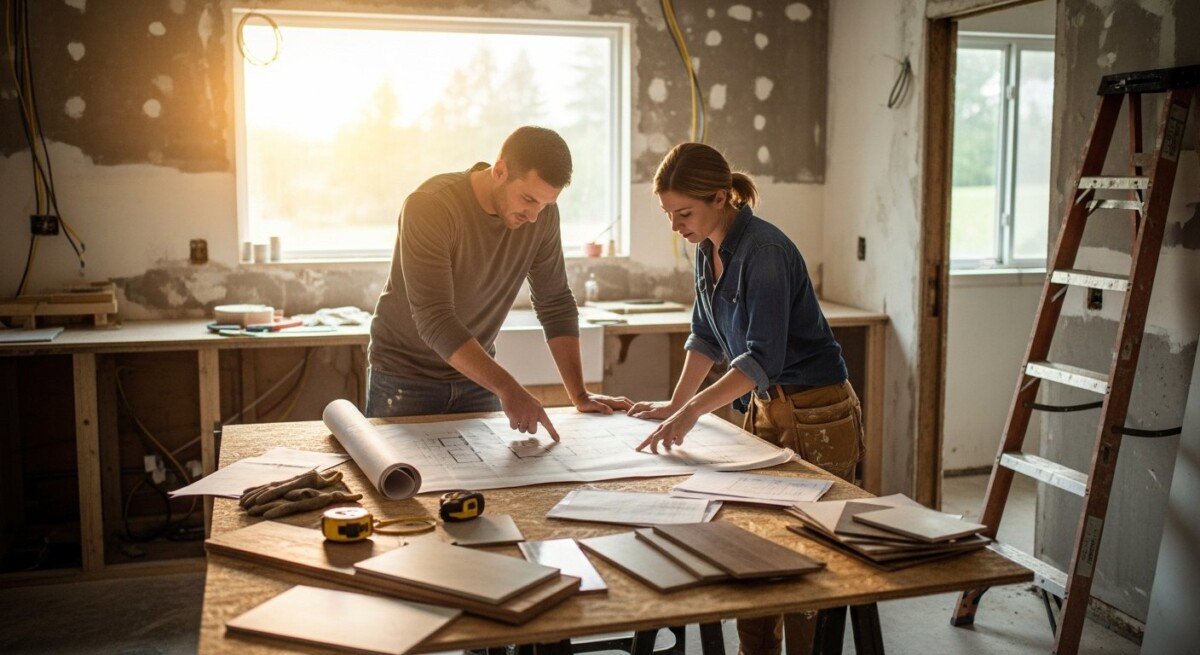
You’ve finally decided to tackle that kitchen renovation or add that master suite you’ve been dreaming about. You start researching online, asking friends for recommendations, and then you see it: the dizzying range of “cost per square foot” estimates. One website says $150, another says $350, and a neighbor claims they did it for $75. Suddenly, your exciting project feels like a financial guessing game, leaving you wondering how to budget accurately and avoid costly surprises.
Understanding Cost Per Square Foot Remodeling
Cost per square foot is a common metric used in the construction and remodeling industry to provide a rough estimate for a project. It’s calculated by dividing the total project cost by the total square footage being remodeled. For example, a $50,000 kitchen renovation in a 200-square-foot space would have a cost per square foot of $250.
This number is a helpful starting point for budgeting, but it’s crucial to understand it’s not a fixed price tag. Think of it as an average, like the average cost of a car. That average includes everything from basic sedans to luxury SUVs,your final price depends entirely on your specific choices and conditions.
Why This Matters for Your Home
Using an inaccurate or overly simplistic square foot cost can lead to severe budget shortfalls. You might set aside $30,000 for a bathroom remodel based on a generic online calculator, only to discover that due to your home’s age, plumbing needs, and material choices, the realistic cost is closer to $45,000. This mismatch can stall your project halfway through or force you to compromise on quality.
More importantly, a project planned with a flawed budget often leads to cutting corners. A contractor trying to meet an unrealistically low budget might use subpar materials or skip essential prep work. This can result in problems down the line, like water damage from improperly installed fixtures or the need for premature repairs, ultimately costing you more than if you had planned correctly from the start.
If you notice signs of this issue in your home, it may help to speak with a qualified contractor. Request a free quote or call to explore your repair or remodeling options.
Common Problems Homeowners Experience
The biggest challenge with the cost per square foot figure is that it often omits critical variables that define your unique project. Homeowners frequently encounter sticker shock when they realize the quoted “average” doesn’t include the realities of their specific house. A major factor is labor, which can vary dramatically; understanding labor cost percentage in home renovation is key to decoding any estimate.
Another common issue is the “while we’re at it” discovery. Once walls are opened up, previously hidden problems like outdated wiring, plumbing issues, or structural concerns are revealed. These necessary fixes are almost never factored into a basic square foot calculation but must be addressed for a safe, lasting remodel.
- Unexpected Structural Issues: Rot, termite damage, or non-compliant framing discovered during demolition.
- Outdated Systems: Electrical, plumbing, or HVAC that needs upgrading to support new appliances or meet current building codes.
- Material & Finish Upgrades: The difference between stock cabinets and custom, or laminate countertops versus quartz, drastically changes the price.
- Space Complexity: Small bathrooms or kitchens often have a higher cost per square foot due to the concentration of expensive fixtures and complex plumbing/electrical in a tight area.
- Permit and Design Fees: These necessary costs are fixed and don’t scale with square footage, skewing the average.
- Site Accessibility: A third-story bathroom remodel costs more to execute than a ground-floor one due to logistics.
How Professionals Solve the Problem
A reputable contractor doesn’t rely on a simple square foot multiplier to price your job. Instead, they create a detailed estimate based on a thorough assessment of your actual space. This process transforms a vague average into a concrete, personalized plan and budget. They account for the visible work and anticipate potential hidden challenges common in homes of your era and construction type.
The professional approach involves breaking the project down into all its components,a method known as an assembly estimate. This ensures every task, from demolition to final paint touch-ups, is accounted for with associated material and labor costs. This clarity protects you from surprise change orders for work you assumed was included.
- Initial Consultation & Scope Definition: A professional walks through your space, discusses your goals, and defines the project’s exact scope.
- Detailed Takeoff & Material Selection: They measure everything precisely and work with you to select specific materials, fixtures, and finishes, each with a known cost.
- Labor & Timeline Calculation: Based on the scope, they calculate the required skilled labor hours and create a realistic timeline.
- Comprehensive Estimate Creation: All costs,materials, labor, subcontractors, permits, waste disposal, and a contingency for unknowns,are compiled into a line-item estimate.
- Transparent Proposal & Contract: You receive a clear proposal outlining what is and isn’t included, leading to a fixed-price or time-and-materials contract with clear terms.
A professional inspection can reveal hidden issues before they become expensive repairs. Compare contractor quotes here or call to discuss your project.
Warning Signs You Should Not Ignore
Before you even start collecting estimates, certain signs in your current home can signal that your remodeling costs might be higher than the “standard” average. Being aware of these red flags helps you set a more realistic budget from the outset and discuss potential challenges openly with contractors.
Ignoring these signs and budgeting based on a best-case scenario is a recipe for financial stress. By acknowledging them early, you can ensure your project budget includes necessary investigative work (like opening up a wall to inspect plumbing) or contingency funds to handle surprises without derailing the entire renovation.
- Your home was built before 1980, increasing the likelihood of outdated wiring, plumbing, or materials like asbestos.
- You have experienced persistent issues like slow drains, flickering lights, or moisture in the area to be remodeled.
- Previous DIY renovations or additions are evident, which may not have been permitted or done to code.
- You’re changing the home’s layout (moving walls, plumbing, or electrical panels), which is far more complex than a cosmetic update.
- Your design ideas involve high-end, custom, or specialty materials that are not included in basic cost databases.
- You live in an area with strict permitting processes or high demand for skilled tradespeople, which can increase labor costs.
What Affects the Cost of Repairs or Installation
Many factors influence your final cost per square foot, making your project unique. The quality of materials is the most obvious variable. Choosing luxury hardwood flooring over budget-friendly laminate, or commercial-grade appliances over standard models, will significantly increase the price, regardless of the square footage.
Labor complexity and location are other major drivers. Intricate tile patterns, custom carpentry, and integrating smart home technology require more skilled labor hours. Furthermore, labor rates vary by region,contractors in major metropolitan areas typically charge more than those in rural communities. The overall project management, including coordinating multiple subcontractors, is a critical skill that factors into the cost but ensures efficiency and quality.
Costs can vary depending on the condition of your home. The best way to know the price is to get a personalized estimate. Request free quotes from contractors or call today.
How to Choose the Right Contractor
Selecting the right professional is the single most important step in ensuring your remodeling project stays on budget and meets your expectations. The cheapest estimate is rarely the best value; a qualified contractor provides clarity, reliability, and quality that saves money and headaches in the long run. A key part of evaluating any quote is understanding the labor cost percentage and what it includes.
Look for a contractor who communicates clearly, listens to your needs, and provides detailed documentation. They should be willing to explain every aspect of their estimate and the remodeling process. Trust your instincts,you will be working with this person or team in your home for weeks or months, so a good rapport is essential.
- Verify Licenses, Insurance, and Bonding: This is non-negotiable for your protection against liability and subpar work.
- Check References and Online Reviews: Speak to past clients about their experience, especially regarding budget adherence and problem-solving.
- Request Detailed, Line-Item Estimates: Avoid vague proposals. Compare estimates that break down costs for materials, labor, profit margin, and contingencies.
- Get Everything in Writing: A comprehensive contract should include payment schedule, timeline, specific materials (brand, model, color), and a process for handling changes.
- Assess Communication Style: Choose someone who responds promptly, answers questions thoroughly, and makes you feel confident and informed.
Long-Term Benefits of Professional Work
Investing in a well-planned, professionally executed remodel pays dividends far beyond the immediate improvement to your home. Quality workmanship with proper materials and techniques ensures your new space is durable, safe, and functional for years to come. This means fewer callbacks for repairs, no worries about leaks or electrical hazards, and materials that wear well over time.
Furthermore, a professional remodel significantly enhances your home’s value and marketability. Real estate agents and appraisers can easily spot shoddy DIY work, which can detract from value. In contrast, documented, permitted work done by licensed professionals is a strong selling point. It also improves your daily quality of life through better energy efficiency, improved layout, and the peace of mind that comes from a job done right.
Is cost per square foot a reliable way to budget my remodel?
It’s a useful starting point for a very rough initial budget, but it is not reliable for final planning. Too many variables specific to your home, materials, and project scope are not captured in a single average number. Always get detailed, project-specific estimates.
Why do small rooms like bathrooms have a higher cost per square foot?
Small rooms contain a high concentration of expensive, labor-intensive elements (plumbing fixtures, tile, custom cabinetry, electrical) in a tiny area. The fixed costs of these items don’t decrease just because the room is small, driving the square foot cost up.
What’s usually included in a contractor’s “cost per square foot” quote?
It varies wildly, which is the problem. Some may include only basic materials and labor, excluding fixtures, finishes, permits, design, and demolition. Always ask for a detailed breakdown to see exactly what is and isn’t covered.
How much should I budget for unexpected issues?
Most professionals recommend a contingency fund of 10-20% of your total project budget, especially for older homes or major renovations where hidden problems are common. A detailed contract should outline how contingency funds are managed.
Can I save money by sourcing my own materials?
Sometimes, but proceed with caution. Contractors often get trade discounts you can’t access. If you supply materials, you may be responsible for delivery, defects, and having the correct items on-site when needed, which can cause delays. Discuss this option openly with your contractor.
How do I compare quotes that use different pricing methods?
Insist that all bids be based on the exact same project scope, plans, and material specifications. Then, compare the line-item details, not just the bottom line. Look at the quality of materials specified, labor breakdown, and what warranties are offered. Understanding what drives the price, like the detailed labor cost percentage, is crucial for a fair comparison.
Does getting multiple quotes really make a difference?
Absolutely. It helps you understand the fair market price for your specific project, reveals different approaches to the work, and allows you to evaluate not just cost, but also the contractor’s professionalism, communication, and proposed timeline.
What is the biggest mistake homeowners make when budgeting a remodel?
The biggest mistake is basing their entire budget on a generic online cost-per-square-foot calculator or a friend’s project cost without accounting for the vast differences in scope, home condition, material quality, and regional labor rates.
Navigating the world of remodeling costs can feel complex, but it doesn’t have to be a source of anxiety. By moving beyond generic square foot averages and focusing on a detailed, personalized plan for your home, you gain control and clarity. The most effective step you can take is to gather comprehensive information specific to your project. Investing time upfront to compare detailed quotes from qualified, local professionals is the surest path to a successful remodel that meets your vision, timeline, and budget.

About
Understanding Cost Per Square Foot for Your Remodeling Project
A practical guide to understanding cost per square foot remodeling, helping homeowners budget accurately and avoid surprises by moving beyond simple averages.
Renovation vs Remodeling: Which Is Right for Your Home?
A clear guide for homeowners on the key differences between renovation and remodeling, helping you choose the right project for your needs and budget.
Understanding Contractor Quotes in Austin Texas for Homeowners
A practical guide for Austin homeowners on understanding, comparing, and choosing the right contractor quotes for repairs and remodeling projects.
Find a Pro!
"*" indicates required fields