
Understanding Contractor Estimates: A Guide for Homeowners
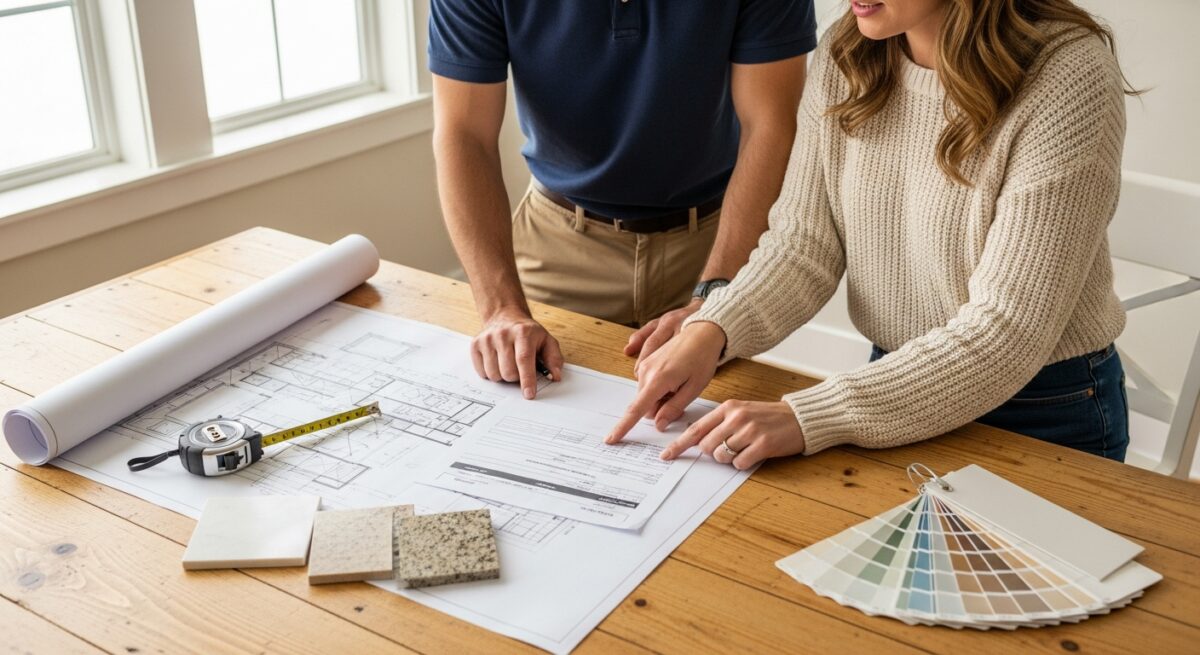
Getting a contractor’s estimate can feel confusing. You’re ready to improve your home, but the paperwork seems complicated, with different numbers, terms, and materials listed. You want to make a smart investment, but you also need to understand what you’re paying for and why. A clear, detailed estimate is your first and most important step toward a successful project, giving you peace of mind and protecting your budget. This guide breaks it down in simple terms, so you can feel confident and in control from the very first quote.
For a clear, detailed estimate on your next project, call 📞833-365-8755 or visit Get Your Estimate to request a professional, no-obligation assessment.
A Simple Breakdown of Contractor Estimates
Think of a contractor estimate as a detailed roadmap for your home project. It’s more than just a price tag; it’s a document that outlines the journey from start to finish. A proper estimate translates your vision into a clear plan of action, materials, and costs. It sets expectations for everyone involved.
This roadmap should include several key sections. You’ll see a description of the work, the specific materials to be used, a proposed timeline, and of course, the total cost. A thorough estimate leaves little to the imagination, preventing surprises later on. It’s the foundation of trust between you and your contractor.
The Difference Between an Estimate and a Quote
You might hear the words “estimate” and “quote” used interchangeably, but there’s an important distinction. An estimate is a professional’s best calculation of the projected costs. It’s based on the initial project scope and can sometimes change if unforeseen issues arise or if you make changes. A quote, or a firm bid, is a fixed-price offer for the exact work described. Knowing which one you’re looking at is crucial for budgeting.
Why Detailed Estimates Matter for Homeowners
A detailed estimate is your primary tool for making an informed decision. It allows you to compare offers from different contractors fairly. When every line item is spelled out, you can see exactly where your money is going,whether it’s for premium materials, labor hours, or permit fees. This transparency helps you choose the best value, not just the lowest price.
Beyond comparison shopping, a solid estimate protects you. It serves as a reference point throughout the project. If a contractor later tries to charge for something not listed, you have a document to refer back to. It minimizes the risk of disputes over cost overruns and scope creep, where small additions slowly inflate the final bill. In short, it turns a verbal agreement into a clear, professional commitment.
Common Issues with Estimates and Their Causes
Many homeowner frustrations stem from estimates that are vague or incomplete. A common problem is the “ballpark figure” given over the phone or in person without a site visit. These numbers are often guesses that can change dramatically once the contractor sees the actual space and conditions. Without a written breakdown, you have no way to hold them to that initial number.
The root cause of most estimate issues is a lack of detail. Contractors rushing to give a quick price may omit critical items to make their bid appear more attractive. This can lead to “change orders” later, which are additions to the original scope that always cost more. Other causes include underestimating material costs, not accounting for necessary permits, or failing to identify potential hidden problems like old wiring or structural issues during the initial evaluation.
- Vague Descriptions: Phrases like “install flooring” without specifying brand, grade, or square footage.
- Missing Costs: Leaving out line items for waste disposal, permits, or clean-up.
- Unrealistic Timelines: Promising a completion date that doesn’t account for material lead times or inspection schedules.
How Professionals Create a Reliable Estimate
A reputable contractor follows a meticulous process to build an accurate estimate. It starts with a thorough on-site consultation. They will measure, inspect, and ask detailed questions about your goals. This step is non-negotiable; you can’t price a job you haven’t seen. They look for potential challenges behind walls or under floors that could affect the project’s complexity and cost.
Next, they translate that inspection into a detailed plan. They calculate exact material quantities, source current prices from suppliers, and estimate the labor hours required for each phase of the job. They also factor in overhead costs like insurance, licensing, and equipment, as well as a reasonable profit margin. The final document is a comprehensive reflection of the entire project, built from the ground up.
- Site Visit & Assessment: A professional evaluates the existing conditions and discusses your needs.
- Scope Definition: They clearly outline every task required to complete the project.
- Material & Labor Calculation: Precise take-offs and time estimates are made for each task.
- Document Assembly: All costs, terms, and conditions are compiled into a single, clear estimate.
Signs of a Problematic Estimate You Should Not Ignore
Some red flags on an estimate should make you pause and ask more questions. The most glaring sign is a price that seems too good to be true. It almost always is. A drastically low bid often means the contractor plans to use subpar materials, cut corners, or will hit you with numerous change orders later to make up the difference. It can also indicate a lack of proper insurance or licensing.
Another major warning sign is pressure to sign immediately. A trustworthy contractor wants you to be comfortable and will give you time to review their proposal. They should also be willing and able to explain every line item to your satisfaction. If an estimate feels rushed, vague, or evasive, it’s a sign of potential problems down the line. Trust your instincts; a good estimate builds confidence, not anxiety.
- Requires a Large Upfront Cash Payment: Reputable contractors may ask for a deposit to schedule and order materials, but not the full cost in cash.
- Lacks Contractor Details: No business name, license number, phone number, or physical address listed.
- Is Verbally Promised: If it’s not in writing, it doesn’t exist. Always insist on a written estimate.
- Has Blank Spaces: Never sign a document with blank lines, as they can be filled in later without your consent.
Cost Factors and What Affects Your Project Pricing
Understanding what goes into the final number helps you evaluate estimates intelligently. The largest factors are typically materials and labor. Material costs can vary widely based on quality, brand, and market availability. Choosing granite over laminate countertops or hardwood over vinyl plank flooring will have a significant impact. Labor costs reflect the skill required, the time needed, and the local rates for skilled tradespeople.
For a clear, detailed estimate on your next project, call 📞833-365-8755 or visit Get Your Estimate to request a professional, no-obligation assessment.
Beyond the basics, several other elements influence price. The project’s complexity and accessibility matter,remodeling a small, hard-to-reach bathroom often costs more per square foot than a simple open-area flooring install. Permit fees, which are legally required for many projects, are a direct cost. Finally, a contractor’s overhead,including their insurance, vehicles, tools, and business licenses,is a legitimate part of their pricing that ensures they operate professionally and can stand behind their work.
How to Choose the Right Professional with the Right Estimate
The estimate is a reflection of the contractor. Start by getting at least three written estimates for the same project scope. This allows for a true apples-to-apples comparison. Don’t automatically choose the lowest bid; instead, look for the one that offers the clearest detail, the most professional presentation, and the best feeling of communication and trust.
Verify everything. Check the contractor’s license and insurance, and ask for references from recent jobs similar to yours. Read online reviews. During the estimate meeting, note if they listen to your ideas, ask thoughtful questions, and point out potential concerns. The right professional will educate you, not just sell to you. Their estimate should feel like a collaborative plan, not a simple invoice.
- Get multiple detailed, written estimates.
- Verify licenses, insurance, and references.
- Choose clarity and communication over the lowest price.
- Ensure payment terms and schedule are clearly stated.
Long-Term Benefits of a Clear Contractor Estimate
Investing time upfront to secure a proper estimate pays dividends throughout your project and for years to come. It establishes a professional tone and sets the stage for a smooth working relationship. With clear expectations, the project is more likely to stay on schedule and within budget, reducing stress for you and your family.
In the long term, this clarity translates directly to the quality and durability of the work in your home. A detailed estimate means the contractor has properly planned for the right materials and adequate labor time to do the job correctly. This prevents rushed work and costly callbacks for repairs. Ultimately, a good estimate isn’t just about the cost of the project,it’s about protecting the value, safety, and comfort of your home for the future.
FAQs
What is the difference between an estimate and a contract?
An estimate is a detailed proposal of the projected costs and scope. A contract is a legally binding agreement you sign to proceed. The contract should incorporate the final, agreed-upon estimate, along with terms and conditions, warranties, and the payment schedule.
Should I always choose the lowest estimate?
Not necessarily. The lowest bid can sometimes indicate corners will be cut, inferior materials used, or critical costs omitted. Compare the details, the contractor’s reputation, and your comfort level with them. Value, which combines quality, communication, and fair price, is more important than cost alone.
What should I do if the final bill is higher than the estimate?
This depends on why. If you requested changes or upgrades (called change orders), a higher bill is expected. However, if the cost increase is for the original scope due to “unforeseen conditions,” a reputable contractor will discuss this with you immediately, explain the cause, and get your written approval before proceeding with the extra work.
How detailed should a good estimate be?
Very detailed. It should list specific materials (brand, model, quantity), labor for each phase, costs for permits and disposal, a project timeline, and the payment schedule. Vague categories like “plumbing work” are a red flag; it should specify “install new faucet, supply lines, and P-trap.”
Is a deposit normal when I accept an estimate?
Yes, it is standard practice for contractors to request a deposit (often 10-30%) upon signing the contract. This secures your spot on their schedule and allows them to purchase specialized materials for your job. Be wary of any request for 50% or more upfront, especially in cash.
Can I negotiate a contractor’s estimate?
You can, but focus on value, not just price. You might ask if there are alternative materials that could lower costs without sacrificing quality, or if scheduling the work during a slower season could affect the price. A professional will discuss options with you respectfully.
What if I find a problem after the work starts that wasn’t in the estimate?
This is common in renovations (like finding rotten wood behind a wall). A trustworthy contractor will halt work on that area, document the issue for you, and provide a written change order with a new price for the additional work required. You then approve it before they continue.
How long is an estimate valid?
Estimates typically have a validity period, often 30 to 90 days, due to fluctuating material costs. This should be clearly stated on the document. If you wait longer to decide, it’s reasonable for the contractor to review and potentially adjust the estimate based on current pricing.
Navigating contractor estimates is a key skill for any homeowner. By understanding what makes a good estimate, you empower yourself to choose the right professional, protect your investment, and ensure your home improvement project is a success from the first conversation to the final walk-through. A clear, detailed estimate is the blueprint for a job well done.
For a clear, detailed estimate on your next project, call 📞833-365-8755 or visit Get Your Estimate to request a professional, no-obligation assessment.

About Danica Leslie
Contractor Quote vs. Estimate: A Homeowner’s Guide
Learn the crucial difference between a contractor quote and estimate to protect your budget and avoid surprise costs on your next home project.
Understanding Remodeling Contractor Quotes for Your Home
A practical guide to understanding and comparing remodeling contractor quotes. Learn how to get accurate estimates and choose the right professional for your home project.

Understanding Construction Contractor Quotes for Homeowners
A practical guide for homeowners on understanding, comparing, and choosing the right construction contractor quotes for home repairs and remodeling projects.
Find a Pro!
"*" indicates required fields