
Understanding Contractor Cost Estimates for Homeowners

You’ve finally decided to tackle that kitchen remodel or fix the leaky roof. You call a few contractors, and soon you have three different pieces of paper in your hand,three wildly different contractor cost estimates for what seems like the same job. One is surprisingly low, another is eye-wateringly high, and the third is somewhere in the middle. You’re left confused, unsure who to trust, and worried about making a costly mistake. This common scenario can stall important home projects, leaving small problems to grow into major, expensive repairs. Understanding how to navigate contractor estimates is the first step to protecting your investment and your peace of mind.
Understanding Contractor Cost Estimates
A contractor cost estimate is a detailed projection of what a home project will cost. It’s not just a random number. It’s a breakdown of materials, labor, permits, and other expenses needed to complete the work.
These estimates vary because every home and project is unique. An experienced contractor considers hidden factors like the age of your wiring, the condition of your subfloor, or local building code requirements. Two contractors looking at the same bathroom might see two different sets of challenges.
While all homes can face estimate confusion, older homes often have more surprises behind the walls. However, even new construction projects require precise estimates to stay on budget and ensure quality work from the start.
Why This Matters for Your Home
Getting a clear, accurate estimate is about more than just price. It’s about the long-term health and value of your biggest asset. A vague or incomplete estimate can lead to unexpected costs mid-project, rushed work, or the use of subpar materials.
Ignoring the need for a proper estimate can have serious consequences. You might choose a lowball bid only to discover the contractor cut corners, used cheap materials that fail quickly, or didn’t pull necessary permits. This can lead to safety hazards, failed inspections, and more money spent later to fix the botched job.
Conversely, a detailed estimate acts as a roadmap. It sets clear expectations, defines the project scope, and helps prevent disputes. It ensures the work done protects your home’s structure, improves its efficiency, and enhances its market value, making the investment worthwhile.
If you notice signs of this issue in your home, it may help to speak with a qualified contractor. Request a free quote or call to explore your repair or remodeling options.
Common Problems Homeowners Experience
Homeowners often feel overwhelmed when comparing estimates. The documents might use different formats, include different line items, or leave out crucial details. This makes an apples-to-apples comparison nearly impossible.
Another frequent issue is the “scope gap.” One estimate might include removing old materials and hauling them away, while another assumes you’ll handle disposal. These missing pieces can add hundreds or thousands of dollars to your final bill after you’ve already committed.
- Receiving a single bottom-line number with no itemized breakdown.
- Estimates that exclude costs for permits, inspections, or potential structural surprises.
- Vague descriptions of materials (e.g., “standard cabinets” instead of specifying brand and model).
- Unrealistically low bids that seem too good to be true, often signaling inexperience or planned cost overruns.
- High-pressure sales tactics urging you to sign a contract immediately based on an estimate.
- Lack of clarity on the project timeline, payment schedule, or warranty details.
How Professionals Solve the Problem
A reputable contractor approaches an estimate as a planning tool, not just a sales document. They start by thoroughly understanding your goals and then systematically assess what it will take to achieve them. Their process is designed to minimize surprises and build trust.
Professional work is safer and more reliable because it’s based on experience and adherence to building codes. They know where problems typically hide and how to solve them correctly the first time. This prevents the DIY cycle of temporary fixes that lead to permanent damage.
- Consultation & Scope Definition: They listen to your needs and walk the property to understand the full scope of work.
- Detailed Inspection: They look for hidden issues,like water damage, outdated wiring, or structural weaknesses,that must be addressed.
- Material Selection: They help you choose quality materials that fit your budget and the project’s demands, providing specific product names.
- Labor & Timeline Calculation: They calculate the skilled labor required and provide a realistic project schedule.
- Transparent Documentation: They provide a written estimate that details costs, timeline, warranties, and payment terms, creating a clear agreement. For a deeper dive into this process, our resource on getting accurate contractor estimates breaks it down step-by-step.
A professional inspection can reveal hidden issues before they become expensive repairs. Compare contractor quotes here or call to discuss your project.
Warning Signs You Should Not Ignore
Sometimes, the need for a professional estimate is obvious, like a sagging roof. Other times, the signs are subtle but just as urgent. Paying attention to these early warnings can save you from emergency repairs and catastrophic damage.
Acting early is always less expensive. A small water stain on the ceiling today could mean a minor plumbing leak. Ignored for months, it can lead to rotted framing, mold remediation, and a full bathroom tear-out.
- Persistent drafts, high energy bills, or uneven temperatures between rooms.
- Cracks in foundation walls, above door frames, or in ceilings.
- Water stains, peeling paint, or soft spots on walls, ceilings, or floors.
- Roof shingles that are curling, cracked, or missing.
- Bouncing or sagging floors, especially in older homes.
- Outdated electrical systems (e.g., frequent breaker trips, two-prong outlets).
What Affects the Cost of Repairs or Installation
Understanding what drives costs empowers you to have better conversations with contractors. The final price isn’t arbitrary; it’s a sum of many factors, some visible and some hidden until work begins.
The size and complexity of the project are the most obvious factors. A whole-house renovation costs more than a single-room update. However, the age and condition of your home often play a larger role. An older home may need extensive updates to plumbing or electrical systems to meet modern codes before new walls can even go up.
- Project Scope & Size: Square footage and the number of elements being replaced.
- Material Quality: Choices range from builder-grade to premium custom finishes.
- Labor Intensity: Skilled trades (like plumbing, electrical) and complex designs cost more.
- Accessibility: A difficult-to-reach roof or a basement with a narrow staircase increases time and labor.
- Permits & Inspections: Local government fees for permits and required inspections.
- Unforeseen Conditions: Rot, mold, or outdated wiring discovered after opening up a wall.
Costs can vary depending on the condition of your home. The best way to know the price is to get a personalized estimate. Request free quotes from contractors or call today.
How to Choose the Right Contractor
Your contractor’s reliability is as important as the estimate they provide. The right professional will be a partner, guiding you through the process and ensuring a quality outcome. Taking time to vet them is your best defense against project nightmares.
Always start by verifying their credentials. A licensed and insured contractor protects you from liability and demonstrates a commitment to their trade. Then, look for proof of their experience with projects similar to yours.
- Check Licenses & Insurance: Verify their state license is current and that they carry both liability and workers’ compensation insurance.
- Read Reviews & Ask for References: Look at online reviews and ask for past client references you can call to hear about their experience.
- Request Detailed, Written Estimates: Never proceed with only a verbal quote. A written estimate should be clear and comprehensive.
- Compare Multiple Quotes: Get at least three estimates to understand the market rate for your project. Our guide on how to compare contractor estimates offers a practical framework for this crucial step.
- Assess Communication: Choose someone who listens, answers questions clearly, and makes you feel comfortable.
Long-Term Benefits of Professional Work
Investing in professional work based on a solid estimate pays dividends long after the project is complete. It’s not just about fixing a current problem; it’s about investing in your home’s future performance and value.
Quality workmanship and materials lead to better durability, meaning fewer repairs down the road. Proper installation of windows, insulation, and HVAC systems also boosts energy efficiency, lowering your utility bills for years to come. This makes the initial investment worthwhile.
Ultimately, professional renovations and repairs protect your safety and increase your home’s resale value. Buyers and appraisers recognize quality work. A well-documented, permitted project completed by a professional is a strong selling point that protects your equity. For a comprehensive look at planning a successful project, a homeowner’s guide to accurate renovation estimates is an excellent place to start.
What should a contractor estimate include?
A good estimate should be a detailed, written document. It must include a breakdown of material costs (with specific brands/models), labor costs, a project timeline, payment schedule, and information about permits, warranties, and the contractor’s license and insurance numbers. Vague estimates are a red flag.
How many contractor estimates should I get?
It’s wise to get at least three detailed estimates for any significant project. This gives you a range for a fair market price and allows you to compare the contractors’ approaches, communication styles, and proposed solutions. Be wary of any bid that is drastically lower than the others.
Is the lowest estimate always the best choice?
Not usually. An extremely low estimate often means the contractor is cutting corners, using inferior materials, or has misunderstood the scope. They may also plan to hit you with expensive change orders later. The goal is to find the best value,a fair price for comprehensive, quality work.
What’s the difference between an estimate and a quote?
In home improvement, the terms are often used interchangeably. However, an “estimate” is typically a professional’s best guess of costs, which can change if conditions change. A “quote” or “bid” is often a fixed-price offer. Always clarify with the contractor which they are providing and under what circumstances the price could change.
Should I pay a deposit before work starts?
It is standard for contractors to request a deposit to secure the job and order materials. This should typically not exceed 10-30% of the total project cost. Never pay the full amount upfront. Payments should be tied to completed milestones outlined in your contract.
What if I find a problem after the estimate is given?
Reputable contractors build a contingency (often 10-15%) into their estimates for unforeseen issues. If a major, unexpected problem is discovered after work begins (like extensive rot), they should stop, document the issue, and provide you with a written change order detailing the new cost before proceeding.
Navigating contractor cost estimates doesn’t have to be a source of stress. By understanding what goes into them, knowing the warning signs that demand action, and choosing your professional carefully, you turn a confusing process into a confident investment. Your home deserves care and protection. Start by gathering clear, detailed estimates from qualified contractors to understand your options and make a decision that safeguards your home’s value and your family’s comfort for years to come.

About
Understanding Contractor Cost Estimates for Homeowners
A practical guide for homeowners on understanding, comparing, and using contractor cost estimates to make confident decisions for home repairs and renovations.
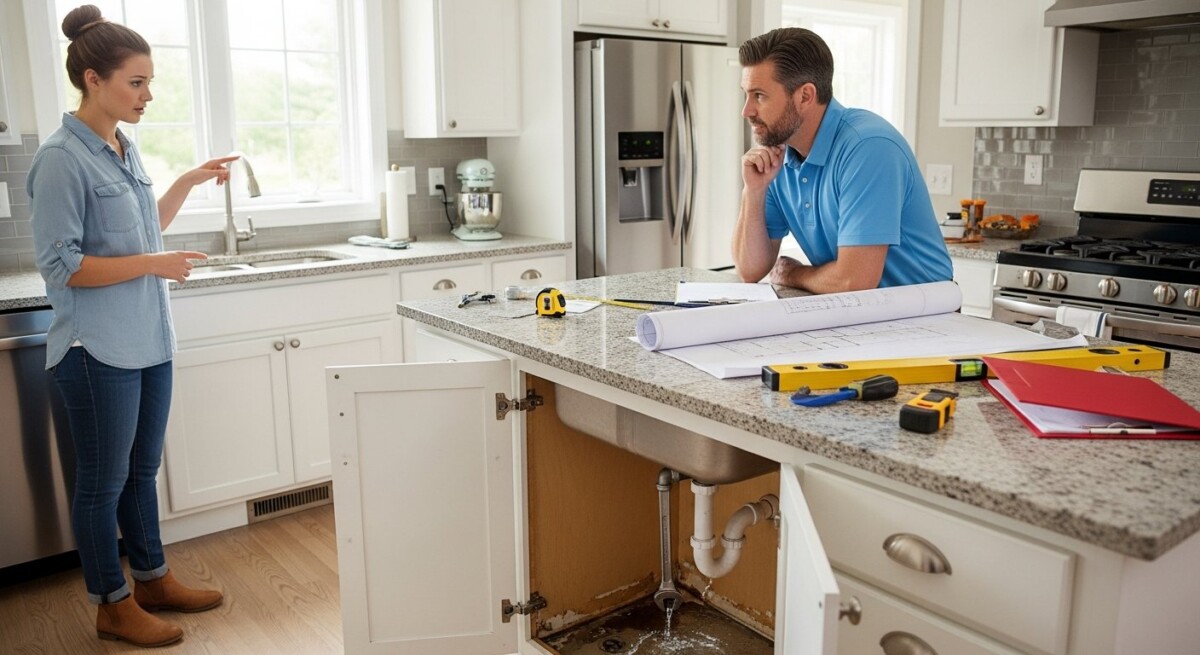
When to Hire a General Contractor for Your Home
Learn the key signs it's time to hire a general contractor for your home project, from permit needs to managing multiple trades.
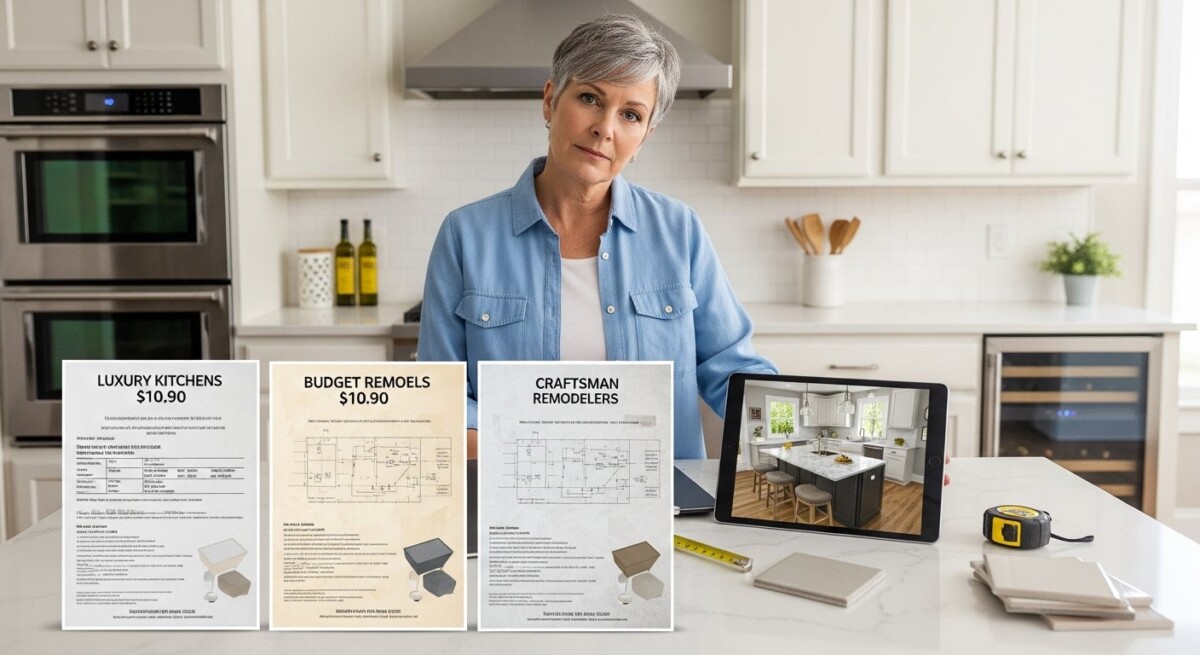
Understanding Contractor Bid Estimates for Homeowners
A practical guide for homeowners on understanding, comparing, and choosing the right contractor bid estimates for home projects.
Find a Pro!
"*" indicates required fields