
Understanding Contractor Bid Estimates for Homeowners
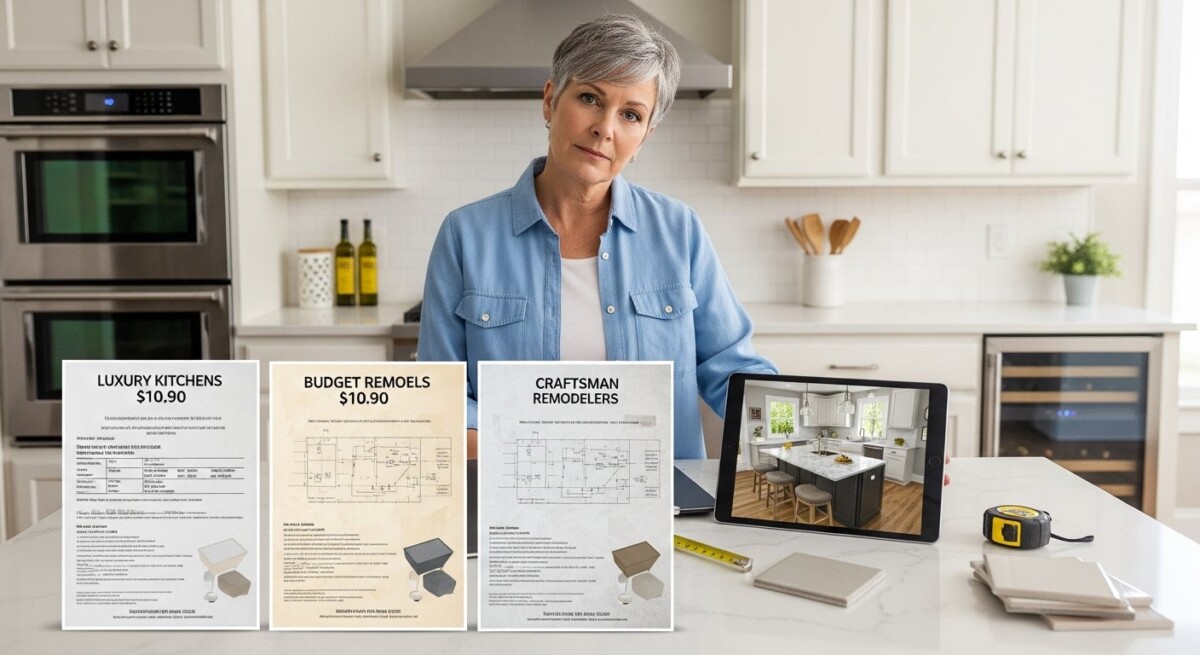
You’ve finally decided to tackle that kitchen remodel or replace that worn-out roof. You call a few contractors, and soon you have a handful of papers in front of you,each one a different price, a different scope of work, and a different timeline. It’s confusing, and you’re left wondering: “Why are these contractor bid estimates so different? Which one is right, and how do I even begin to compare them?” This moment of uncertainty is where many homeowners feel stuck, and the temptation to simply choose the lowest number can be strong. But understanding what’s behind these estimates is crucial, as picking the wrong one can lead to unexpected costs, project delays, and even subpar work that damages your home’s value.
Understanding Contractor Bid Estimates
A contractor bid estimate is much more than just a price tag. It’s a detailed proposal that outlines what the contractor will do, what materials they’ll use, how long it will take, and how much it will cost. Think of it as a roadmap for your project.
These documents vary because every contractor assesses a project slightly differently. They may have different suppliers, labor costs, or approaches to solving a problem. The goal isn’t to find identical bids, but to understand the reasoning behind each one so you can make an informed decision.
All homes, from brand-new builds to historic properties, will need contractor services eventually. However, older homes often have more variables,like outdated wiring or structural surprises,that can lead to a wider range in bid estimates as contractors account for potential unknowns.
Why This Matters for Your Home
Your home is likely your largest investment. The quality of work done on it directly impacts your safety, comfort, and financial future. A well-executed project protects that investment, while a poor one can undermine it.
Choosing a contractor based solely on the lowest bid can be a costly mistake. That low number might mean cutting corners on materials, using less experienced labor, or omitting important steps. These shortcuts can lead to leaks, electrical hazards, or structural issues that surface months or years later, requiring expensive repairs that far exceed your initial “savings.”
Professional work done right the first time ensures your family’s safety, improves your daily living experience, and boosts your home’s resale value. It’s an investment in your peace of mind.
If you notice signs of this issue in your home, it may help to speak with a qualified contractor. Request a free quote or call to explore your repair or remodeling options.
Common Problems Homeowners Experience
When comparing bids, homeowners often face a confusing array of numbers and terms. One bid might be a single lump sum, while another breaks down every nail and hour of labor. This inconsistency makes an apples-to-apples comparison feel impossible.
The core problem is a lack of clarity. Without a detailed, itemized scope of work, you can’t truly know what you’re paying for. This ambiguity opens the door for misunderstandings, change orders (which add cost), and disputes during the project.
- Vastly different pricing for what seems like the same job.
- Vague descriptions like “repair roof” instead of specifying materials and methods.
- Missing key details like brand names, model numbers, or quality grades of materials.
- Unclear timelines or no defined project milestones.
- Omitted costs for permits, waste disposal, or site preparation.
- Assumptions about existing conditions that turn out to be wrong, leading to surprise charges.
How Professionals Solve the Problem
A reputable contractor approaches an estimate as a planning tool, not just a sales document. They start with a thorough inspection to understand the full scope of the project, including potential hidden issues behind walls or under floors.
This professional process leads to a more accurate and reliable estimate. They account for proper building codes, high-quality materials, skilled labor, and a realistic timeline. Their goal is to provide a complete picture, so there are fewer surprises for everyone involved. For a deeper dive into this distinction, our guide on contractor bid vs estimate explains the key differences.
- Consultation & Inspection: The contractor visits your home, discusses your goals, and examines the work area to assess conditions.
- Scope Development: They define every task required, from demolition to final cleanup.
- Material Selection: Specific products, brands, and quantities are listed to ensure quality and clarity.
- Labor & Timeline Projection: They estimate the hours needed for each trade and create a projected schedule.
- Final Proposal: All costs are compiled into a clear, detailed bid estimate for your review.
A professional inspection can reveal hidden issues before they become expensive repairs. Compare contractor quotes here or call to discuss your project.
Warning Signs You Should Not Ignore
When reviewing a contractor’s bid, certain red flags should prompt you to ask more questions or consider other options. A trustworthy contractor is transparent and happy to explain their numbers.
Ignoring these signs can lock you into a bad agreement. It’s far better to address concerns before signing a contract than to deal with cost overruns and frustration later.
- The bid is significantly lower than all others without a clear, justified reason.
- You’re pressured to sign immediately to “lock in” a price.
- The contractor asks for a large cash deposit or full payment upfront.
- The document is handwritten, overly simplistic, or lacks company letterhead.
- Key details are missing, and the contractor is vague when you ask for specifics.
- They are unwilling to provide references or proof of license and insurance.
What Affects the Cost of Repairs or Installation
Many factors influence the final number on a bid estimate. Understanding these variables helps you see why prices differ and what you’re actually investing in.
The size and complexity of the project are the most obvious drivers. A whole-house renovation will cost more than a bathroom update. However, material choices create a huge range,builder-grade cabinets cost a fraction of custom solid-wood ones.
Labor is another major component. Specialized skills, like electrical or masonry work, command higher rates. The age and condition of your home also play a role; working in an older home often requires extra time to address unforeseen issues like knob-and-tube wiring or plaster walls.
Costs can vary depending on the condition of your home. The best way to know the price is to get a personalized estimate. Request free quotes from contractors or call today.
How to Choose the Right Contractor
The estimate is a reflection of the contractor. Your choice should be based on trust, clarity, and professionalism, not just price. Taking the time to vet contractors properly is the single most important step in ensuring a successful project.
Start by verifying their credentials. Then, use the estimate as a tool for conversation. A good contractor will walk you through their proposal line by line. To make this process easier, consider using reputable online contractor bidding platforms that pre-vet professionals.
- Check Licenses & Insurance: Always verify they are licensed for your type of project and carry both liability and workers’ compensation insurance.
- Read Reviews & Ask for References: Look at online reviews and, crucially, ask for and contact past clients to ask about their experience.
- Request Detailed, Itemized Estimates: Ask every contractor to bid on the same detailed scope of work so you can compare fairly.
- Compare Multiple Quotes: Get at least three detailed estimates. This gives you a realistic price range and highlights different approaches.
- Assess Communication: Choose someone who listens, answers questions clearly, and makes you feel comfortable. You’ll be working with them for weeks or months.
Long-Term Benefits of Professional Work
Investing in a thorough, professional contractor pays dividends long after the project is complete. Quality workmanship and materials stand the test of time, requiring less maintenance and repair.
This translates to real savings and added value. A properly installed roof lasts decades, a well-wired electrical system prevents fires, and a precision-built addition feels solid and secure. These outcomes protect your family and your wallet.
Furthermore, professional upgrades often improve energy efficiency (lowering utility bills) and significantly increase your home’s market value. It’s an investment that enhances your daily life while building equity for the future.
What should a contractor bid estimate include?
A comprehensive estimate should include a detailed description of work, specifications for all materials (including brands/model numbers), a breakdown of labor and material costs, a project timeline with start/completion dates, payment schedule, and information about warranties, licenses, and insurance. For a complete checklist, see our article on how to evaluate contractor bids.
How many contractor estimates should I get?
It’s generally recommended to get at least three detailed estimates. This provides a good range for comparison and helps you understand the market rate for your project. Fewer than three might not give you enough perspective, while more than five can become overwhelming and time-consuming.
Is the lowest bid always the best choice?
Not usually. A bid that is significantly lower than others often indicates that the contractor has underestimated the project, plans to use inferior materials, or has omitted necessary steps. Always prioritize value, clarity, and professionalism over the lowest price to avoid costly problems later.
What’s the difference between an estimate and a quote?
An estimate is typically an approximate price based on an initial assessment and can change. A quote or bid is usually a fixed-price offer for the specified scope of work. It’s crucial to ask a contractor which they are providing and under what circumstances the price could change.
Should I pay a deposit before work begins?
It is standard for contractors to request a deposit to secure materials and schedule your project. This should typically be a modest percentage of the total cost (often 10-30%), not the full amount. Never pay the entire project cost upfront.
What if I find a problem after the estimate is given?
Reputable contractors include a contingency for unforeseen issues, especially in older homes. If a major hidden problem is discovered (like rot or faulty wiring), they should pause work, document the issue for you, and provide a written change order with a new price before proceeding.
How long is a contractor bid estimate valid?
Prices for materials and labor can fluctuate. Most estimates are valid for 30 to 90 days. Always check the expiration date on the document. If you need more time to decide, communicate with the contractor, as they may be able to extend the validity.
Navigating contractor bid estimates doesn’t have to be a source of stress. By understanding what a good estimate looks like and taking the time to compare your options carefully, you turn a confusing process into a powerful tool for planning. Your home deserves quality care, and that starts with choosing the right professional for the job. Addressing issues early with a well-planned project is the smartest way to protect your investment. The next step is simple: start gathering detailed quotes from qualified contractors to understand your specific options and move forward with confidence.

About

Understanding Contractor Cost Estimates for Homeowners
A practical guide for homeowners on understanding, comparing, and using contractor cost estimates to make confident decisions for home repairs and renovations.
When to Hire a General Contractor for Your Home
Learn the key signs it's time to hire a general contractor for your home project, from permit needs to managing multiple trades.
Understanding Contractor Bid Estimates for Homeowners
A practical guide for homeowners on understanding, comparing, and choosing the right contractor bid estimates for home projects.
Find a Pro!
"*" indicates required fields