
Roof Repair vs Replace Cost Comparison Guide for Homeowners
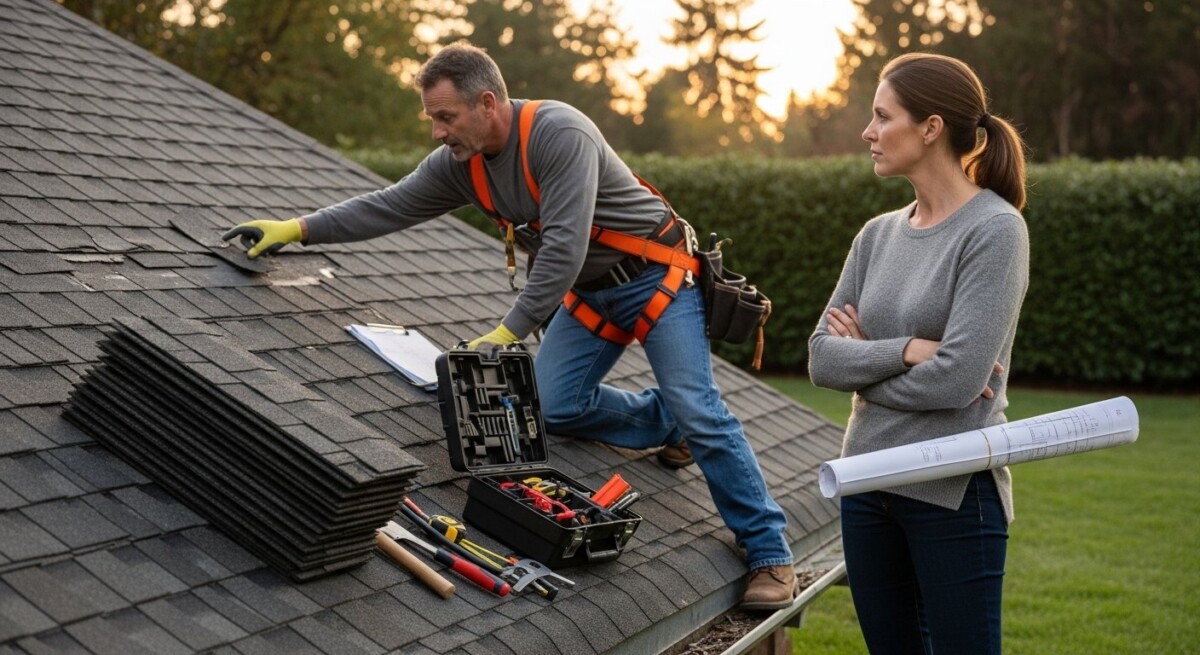
Staring at a leak, missing shingles, or a sagging roofline can send any homeowner into a spiral of worry. The biggest question that follows is almost always the same: “Can I fix this, or do I need a whole new roof?” The answer often comes down to a careful balance between immediate cost and long-term value. Understanding the real-world cost comparison between repairing and replacing your roof is the first, most critical step in making a smart, confident decision that protects your home and your budget.
A Simple Breakdown of Roof Repair vs. Replacement Costs
At its core, the “repair vs. replace” decision is a financial and practical puzzle. A repair addresses a specific, localized problem, like a leak around a chimney or wind damage to a few shingles. A replacement involves removing all the old roofing materials and installing a completely new system.
The cost difference is significant, but so is the scope of work and the result. A repair is a targeted solution, while a replacement is a comprehensive investment in your home’s future. The goal is to weigh the upfront price of each option against its expected lifespan and the peace of mind it provides.
It’s not just about today’s bill. A series of small repairs can add up over time, and if your roof is near the end of its life, you might be throwing good money after bad. Conversely, replacing a roof with minor, isolated damage is often an unnecessary overreach. A professional assessment is key to finding the right path.
Why This Cost Comparison Matters for Your Home
Getting this decision right protects more than just your attic from rain. It safeguards your biggest investment,your home. A compromised roof can lead to cascading damage: ruined insulation, mold growth in walls and ceilings, structural rot, and damaged personal belongings. The cost of fixing these secondary issues can dwarf the original roofing problem.
Financially, the choice impacts your home’s value and curb appeal. A new roof is a major selling point and can significantly boost resale value. On the other hand, a well-maintained roof with a history of proper, documented repairs also shows potential buyers that the home has been cared for.
Ultimately, this comparison is about balancing risk and reward. A repair might save you thousands today, but if it fails in a year, you’re back to square one. A replacement is a larger commitment, but it comes with decades of worry-free protection and often includes strong warranties. Making an informed choice gives you control and confidence.
Feeling unsure about the state of your roof? Don’t wait for a small issue to become a major expense. Get a professional roof inspection in Arizona or call us at (555) 123-4567 for a clear, honest assessment and detailed quote.
Common Roof Issues and What Usually Causes Them
Most roofing problems start small and are often related to age, weather, or installation flaws. Understanding the cause helps predict whether a repair will be sufficient or if it’s a symptom of wider failure.
Weather is the most common culprit. High winds can tear shingles off, hail can bruise or crack them, and relentless sun (UV radiation) causes materials to become brittle and degrade over time. Poor ventilation in your attic is another silent enemy, causing heat and moisture to build up and prematurely age your roof from the inside out.
Here are some typical issues homeowners face:
- Leaks and Water Stains: Often caused by cracked flashing around vents/chimneys, damaged shingles, or clogged gutters.
- Missing, Cracked, or Curling Shingles: Usually a sign of wind damage, aging, or poor installation.
- Granule Loss in Gutters: Asphalt shingles shed their protective granules as they age, indicating wear.
- Sagging Areas: A serious sign of potential structural issues, often from long-term water damage to the decking.
- Excessive Moss or Algae Growth: Can trap moisture against the roof surface, leading to decay, especially in shaded areas.
How Professionals Assess and Fix Your Roof
A qualified roofing professional doesn’t just look at the surface. They perform a thorough inspection to diagnose the root cause and recommend the most effective solution. This process starts with a visual examination from the ground and then a careful, safe walk on the roof to check the condition of all components.
They will look at the shingles, flashing, gutters, vents, and the roof deck (if accessible from the attic). For a repair, the process is precise: identify the exact source of the problem, remove the damaged materials, and install new, matching materials with proper sealing techniques. For example, fixing a leak involves locating the entry point, replacing compromised underlayment and shingles, and resealing flashing.
For a full replacement, the process is more extensive but follows a clear, professional sequence:
- Complete tear-off of old shingles and underlayment down to the deck.
- Inspection and repair of the roof deck (plywood/OSB).
- Installation of new ice and water shield (in critical areas), underlayment, and flashing.
- Installation of new shingles or other roofing material with proper ventilation.
- Final cleanup and inspection to ensure quality.
Whether you need a targeted fix or a full system overhaul, our team provides transparent pricing and expert workmanship. Schedule your emergency roof repair in Florida or call (555) 123-4567 to discuss your project.
Signs You Should Not Ignore
Some roofing problems give you clear warnings. Paying attention to these signs can mean the difference between a simple, affordable repair and a costly, urgent replacement. The key is to act promptly when you notice them.
Interior signs are often the most alarming. Water stains on your ceilings or walls, especially after a rainstorm, are a direct red flag. If you see daylight coming through your attic boards, that’s an urgent issue. Musty odors in the attic or upper floors can indicate hidden moisture and mold growth, which requires immediate attention.
Don’t ignore these exterior warning signs either:
- Shingles that are buckling, curling, or completely missing.
- Large amounts of granules in your gutters (they look like coarse black sand).
- Flashing (metal around chimneys/vents) that is cracked, rusty, or lifted.
- Sagging or dipping sections on your roofline.
- Multiple leaks or leaks that reappear in different areas after a repair.
Cost Factors and What Affects Your Pricing
The final price tag for a roof repair or replacement isn’t a random number. It’s calculated based on several concrete factors that a professional will evaluate. The size and slope of your roof are the most basic starting points,a larger, steeper roof requires more materials, more labor, and more safety equipment.
The type of roofing material you choose has a major impact. Standard asphalt architectural shingles are the most common and affordable option. Premium materials like metal, slate, or tile cost significantly more but offer longer lifespans and distinct aesthetics. The extent of damage also plays a role; a repair replacing three shingles is far less than one replacing an entire section of decking.
Other key factors include your location (labor costs vary), the complexity of your roof (lots of valleys, dormers, and chimneys increase time and difficulty), and necessary ancillary work like updating ventilation or replacing rotten fascia boards. Always ensure your quote includes the cost of removing and disposing of old materials, permits, and a clear warranty for both materials and labor.
Costs can vary widely by region and roof type. For specific insights on unique roofing systems, learn more about flat roof repair costs in California. Ready for a personalized quote? Call us at (555) 123-4567.
How to Choose the Right Roofing Professional
Your roof is too important to trust to just anyone. The right contractor will be your partner in making this critical decision. Start by looking for proper licensing and insurance,this is non-negotiable for your protection. Ask for local references and look at examples of their recent work, both repairs and full replacements.
A trustworthy roofer will provide a detailed, written estimate that breaks down costs for materials, labor, and disposal. They should be willing to explain the “why” behind their recommendation, whether it’s for a repair or a replacement. Be wary of high-pressure sales tactics or door-to-door contractors offering “leftover materials” from a “job down the street.”
Choose a professional who communicates clearly, answers all your questions, and makes you feel confident in their expertise. Your comfort with the contractor is just as important as the numbers on the quote.
Long-Term Benefits for Your Home and Wallet
Investing in the right roofing solution,whether a precise repair or a full replacement,pays dividends for years to come. The most immediate benefit is peace of mind. Knowing your home is sealed against the elements lets you sleep soundly through any storm.
A structurally sound roof improves your home’s energy efficiency by maintaining proper insulation and ventilation, which can lower heating and cooling bills. It prevents incredibly expensive secondary damage to your home’s interior, framing, and foundation. Most importantly, it preserves and enhances the value of your property, ensuring it remains a safe, sturdy, and beautiful place for you and your family.
Frequently Asked Questions
How do I know if I need a repair or a full replacement?
A professional inspection is the best way to know. Generally, if damage is isolated to less than 30% of the roof, your shingles are not near the end of their lifespan, and there’s no widespread deck rot, a repair is likely sufficient. Widespread leaks, significant granule loss, and an aging roof (20+ years for asphalt) often point to replacement.
What is the average cost difference between repairing and replacing a roof?
Repairs typically range from a few hundred to a few thousand dollars, depending on severity. A full roof replacement is a larger investment, often ranging from $8,000 to $25,000+ for an average home. The replacement cost is higher, but it resets the clock with a new 20+ year system.
Can I just repair my roof if it’s old to avoid replacement costs?
You can, but it may be a temporary fix. On an old, worn-out roof, new patches often don’t seal perfectly with old, brittle shingles. You may experience more leaks nearby, leading to a cycle of repeated repairs that can ultimately cost more than a timely replacement.
Will my homeowner’s insurance cover roof repair or replacement?
It depends on the cause of damage. Insurance typically covers sudden, accidental damage from a covered peril like a storm, fire, or fallen tree. It usually does not cover damage from general wear and tear, age, or lack of maintenance. Always file a claim and have your roofer work with the adjuster.
How long does a typical roof repair take versus a replacement?
Most minor to moderate repairs can be completed in a single day. A full roof replacement on an average-sized home usually takes 2 to 5 days, depending on size, complexity, and weather conditions. Professional crews work efficiently to minimize disruption.
What warranty should I expect with a repair or new roof?
For a repair, expect a warranty on the workmanship, often 1-5 years. For a replacement, you should receive two warranties: the manufacturer’s warranty on the materials (often 25-50 years) and the contractor’s warranty on the installation (often 5-10 years or more). Get all warranties in writing.
Does a new roof increase my home’s value?
Yes, significantly. A new roof is one of the top ROI home improvements. It boosts curb appeal, assures buyers, and is a major selling point. Real estate experts often note that a new roof can recoup a high percentage of its cost in increased home value.
Deciding between repairing and replacing your roof is a significant choice, but you don’t have to make it alone. With the right information and a trusted professional by your side, you can choose a solution that fits your budget today and protects your home for years to come. A proactive approach is always the most cost-effective strategy for maintaining your roof’s health and your home’s value.

About
What Is a Change Order in Construction? A Homeowner’s Guide
A clear guide explaining what a change order is in construction, why it matters for your home project, and how to manage it effectively to avoid surprises.
Roof Repair vs Replace Cost Comparison Guide for Homeowners
Understand the real cost difference between roof repair and replacement. Our guide helps homeowners make an informed, budget-friendly decision to protect their biggest investment.
What Happens If a Contractor Damages Your Property?
A contractor accidentally damages your home. Learn who is responsible, how to get it fixed for free, and the steps to protect your property and investment.
Find a Pro!
"*" indicates required fields