
Renovation vs Remodeling: Which Is Right for Your Home?
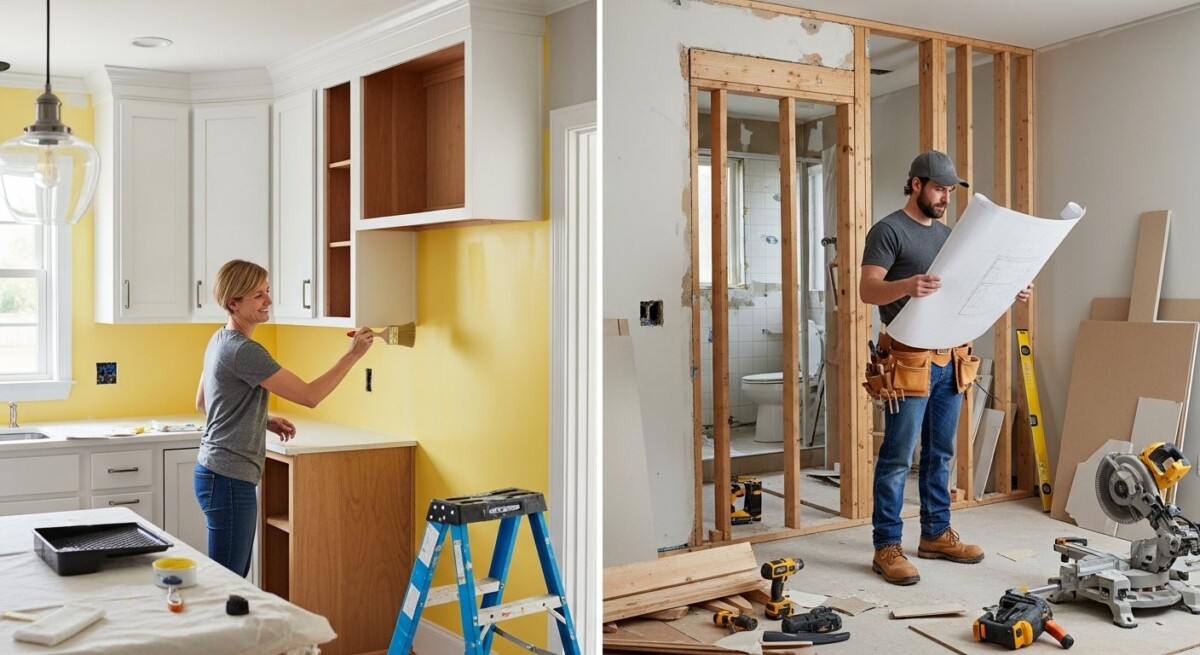
You love your home, but it’s starting to feel a bit off. Maybe the kitchen layout is impractical, or the bathroom fixtures are showing their age. You know you need to make a change, but you’re stuck on the first big question: should you renovate or remodel? Many homeowners start planning without fully understanding the difference, which can lead to unexpected costs, scope creep, and disappointment with the final result. Understanding the key distinctions between renovation and remodeling is the crucial first step to a successful project that protects your investment and delivers the home you envision.
Understanding Renovation vs Remodeling
At its core, a renovation refreshes and updates what already exists, while a remodeling project changes the structure and layout of a space. Think of renovation as a significant makeover. It involves restoring or improving an existing part of your home without altering its fundamental purpose or footprint.
Remodeling, on the other hand, is a transformation. It reconfigures the space, often involving moving walls, changing the floor plan, or completely repurposing a room. A remodel changes the function and form of an area. Knowing which path you’re on from the start sets clear expectations for your budget, timeline, and the contractor you’ll need.
Key Differences at a Glance
Renovation typically means updating surfaces, fixtures, and systems. Remodeling involves changing the actual layout and structure. This fundamental distinction impacts everything from the permits you’ll need to the level of dust and disruption you can expect during the project.
Why This Matters for Your Home
Choosing the wrong approach can be a costly mistake. If you need a new layout to solve a functional problem, a simple renovation of surfaces won’t fix it. You’ll spend money only to remain frustrated with the core issue.
Conversely, if your home’s layout works well and you just want a modern update, a full remodel is an unnecessary expense and disruption. Understanding the scope ensures your investment directly solves your problem and enhances your home’s value appropriately. A well-executed project improves your daily life, while a mismatched one can feel like a wasted effort.
If you’re unsure whether your vision calls for a renovation or a full remodel, it may help to speak with a qualified contractor. Request a free quote or call to explore your repair or remodeling options.
Common Problems Homeowners Experience
Homeowners often begin with a clear pain point but an unclear solution. You might want a more open feel between the kitchen and living room, which is a structural change (remodel). Or, you might just want to replace outdated cabinets and appliances, which is an update (renovation).
Confusing these two leads to the most common issues: budgets that balloon when hidden structural work is discovered, or disappointment when a cosmetic update doesn’t fix a cramped or awkward layout. For example, a bathroom remodel in New York often involves reconfiguring small spaces to maximize function, which goes far beyond just replacing a vanity.
- Scope Creep: Starting a “simple” renovation that uncovers the need for expensive structural changes.
- Underestimating Disruption: Not being prepared for the level of demolition and dust a remodel entails.
- Permit Problems: Discovering too late that your remodeling plans require extensive (and slow) permits.
- Wasted Investment: Spending on high-end finishes in a layout that still doesn’t work for your family.
- Resale Value Missteps: Over-remodeling for the neighborhood or making overly personal layout choices.
How Professionals Solve the Problem
A professional contractor brings clarity to the renovation vs. remodeling decision from the very first consultation. They listen to your goals, assess your existing space, and help translate your wishes into a defined project with a clear scope. Their experience allows them to foresee challenges you might not consider.
For a renovation, professionals efficiently manage the update of systems and finishes, ensuring quality work that lasts. For a remodel, they coordinate the complex dance of structural work, plumbing/electrical rerouting, and design, keeping the project on track. Their knowledge of building codes and permit processes is invaluable, especially for remodeling work that alters walls or systems.
- Consultation & Vision: They discuss your needs, budget, and lifestyle to define the project’s true goal.
- Assessment & Planning: They evaluate your home’s structure, systems, and potential limitations to create a feasible plan.
- Scope Definition: They clearly outline what is included (renovation) and what is being changed (remodel), preventing misunderstandings.
- Expert Execution: They manage the specialized tradespeople, timelines, and quality control, whether it’s a cosmetic update or a major reconfiguration.
A professional inspection can reveal hidden issues before they become expensive repairs. Compare contractor quotes here or call to discuss your project.
Warning Signs You Should Not Ignore
Your home often tells you what it needs. Paying attention to these signals can guide you toward the right type of project. Persistent frustration with how a room functions is a strong indicator that a remodel, not just a renovation, might be necessary.
Ignoring these signs and opting for a superficial fix is like putting a bandage on a structural issue. The underlying problem remains, and you’ll likely need to address it later at a higher cost. Early and correct action protects your home’s value and your sanity.
- You avoid using a room because the layout is awkward or inefficient.
- Your family’s needs have changed (e.g., more children, working from home), but your home’s layout hasn’t adapted.
- You have recurring maintenance issues with old plumbing, wiring, or windows that need replacement during any update.
- There are obvious structural concerns like sagging floors, cracked walls, or outdated support beams.
- You dream of a completely different use for a space, like turning a formal dining room into a home office or playroom.
- Simple updates feel like they wouldn’t be enough to make you happy with the space.
What Affects the Cost of Repairs or Installation
The cost difference between renovation and remodeling is significant, primarily driven by labor and materials. A renovation’s cost is largely in the finishes (cabinets, countertops, flooring) and skilled labor for installation. A remodel’s cost includes all of that plus the expense of demolition, structural changes, moving major systems, and additional engineering or architectural fees.
Other key factors include the size of the area, the quality of materials selected, and the accessibility of the work area. The age of your home also plays a huge role; older homes often have surprises behind the walls that can add to a remodeling budget. For inspiration on budgeting for updates, you can explore trendiest home renovation ideas that range from simple to complex.
Costs can vary depending on the condition of your home. The best way to know the price is to get a personalized estimate. Request free quotes from contractors or call today.
How to Choose the Right Contractor
Selecting the right professional is perhaps the most important step. A contractor who specializes in kitchen renovations might not be the best fit for a whole-house remodel that involves moving load-bearing walls. You need a team whose expertise matches your project’s scope.
Look for a contractor who communicates clearly, provides detailed estimates, and makes you feel confident. They should ask thoughtful questions about how you live in your home to ensure the result truly meets your needs, whether it’s a refresh or a complete transformation.
- Verify Licenses & Insurance: This is non-negotiable for your protection, especially for remodeling work.
- Review Portfolios: Look at past projects similar in scope to yours (renovations vs. remodels).
- Get Detailed, Written Estimates: Quotes should break down costs for labor, materials, and permits.
- Check References & Reviews: Speak to past clients about their experience, particularly regarding communication and problem-solving.
- Understand Their Process: Ask how they handle unexpected issues, which are common in remodels.
Long-Term Benefits of Professional Work
Investing in the right type of project, done professionally, pays dividends for years. A proper remodel that improves flow and function will enhance your daily life every single day. A quality renovation with durable materials will look beautiful and require less maintenance.
Beyond comfort, professional work safeguards your investment. It ensures all work is to code, which is critical for safety and resale. It also maximizes your home’s value; a well-thought-out remodel or a high-quality renovation are both strong selling points. For specific room guidance, a resource like our bathroom remodel Baltimore guide can highlight how professionals approach space challenges.
Ultimately, the peace of mind that comes from knowing the job was done correctly and safely is priceless. You can enjoy your updated home without worrying about hidden flaws or future failures.
How do I know if I need a renovation or a remodel?
Ask yourself if you want to change the structure and layout of the room. If you’re happy with where everything is but want it to look new, it’s a renovation. If you want to move walls, plumbing, or change the room’s fundamental purpose, you’re planning a remodel. A contractor can help you finalize this decision.
Which adds more value to my home: renovation or remodeling?
Both can add value, but the key is appropriateness. A remodel that creates a highly desired feature (like an open-concept kitchen) can add significant value. A renovation that updates a key room (like a kitchen or bathroom) with quality materials also boosts value. The best project is one that fits your neighborhood and solves a functional problem.
Is a permit required for both types of projects?
Renovations often require permits, especially for electrical, plumbing, or HVAC work. Remodels almost always require permits because they involve structural changes. Your contractor should handle pulling all necessary permits, which ensures the work is inspected and up to code.
How much more expensive is a remodel than a renovation?
There’s no fixed percentage, as remodels involve more labor, materials, and potential structural work. As a general rule, a remodel can cost 20-50% more than a renovation of the same space, but this varies wildly based on the extent of the changes. Detailed quotes are essential for comparison.
Can I live in my home during a remodel?
It depends on the scale. For a single-room remodel (like a kitchen), you can often stay with careful planning, but expect major disruption. For whole-house remodels, temporary relocation is often recommended. Renovations are typically easier to live through, as the disruption is more contained.
How long does each type of project take?
A renovation can take a few weeks to a couple of months. A remodel takes longer due to the sequential nature of structural work, rough-ins, and finishes. A bathroom remodel might take 4-8 weeks, while a major kitchen remodel could take 3-6 months. Your contractor will provide a timeline.
Understanding the difference between renovation and remodeling empowers you to plan the right project for your home and budget. It prevents costly mid-project changes and ensures your expectations are met. By clearly defining your goals and working with a qualified professional, you can transform your living space with confidence. Don’t let uncertainty delay your dream home; start by comparing detailed quotes from experienced contractors to see your options clearly.

About
Renovation vs Remodeling: Which Is Right for Your Home?
A clear guide for homeowners on the key differences between renovation and remodeling, helping you choose the right project for your needs and budget.

Understanding Contractor Quotes in Austin Texas for Homeowners
A practical guide for Austin homeowners on understanding, comparing, and choosing the right contractor quotes for repairs and remodeling projects.

What Is a Scope of Work for Contractors? A Homeowner’s Guide
A clear Scope of Work is your blueprint for a successful home project. Learn why this document is critical for protecting your budget, your home, and your peace of mind.
Find a Pro!
"*" indicates required fields