
Licensed vs Insured Contractor: What Homeowners Must Know
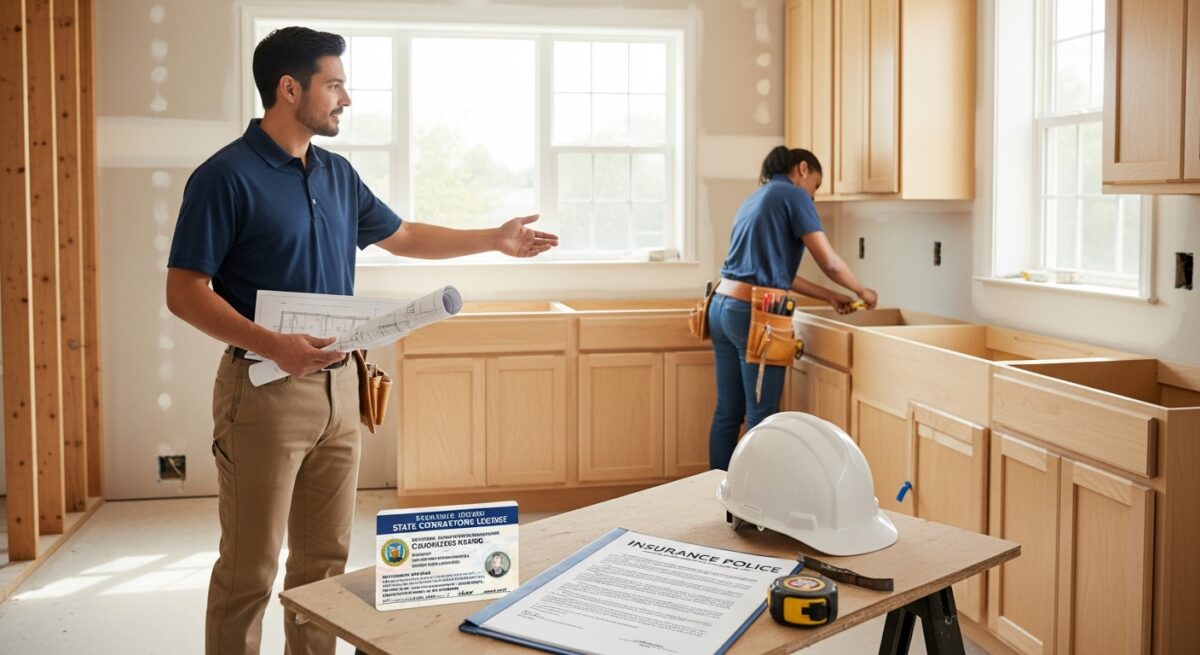
You’re ready to hire a contractor for your home project, but you keep seeing “licensed and insured” in their ads. It sounds important, but what does it really mean? And is one more important than the other? Many homeowners make the costly mistake of hiring based on price or a friendly handshake alone, not understanding the critical protection these credentials provide. This simple guide breaks down the licensed vs insured contractor meaning in plain language, so you can hire with confidence and protect your biggest investment,your home.
A Simple Breakdown of Licensed vs Insured Contractor Meaning
Let’s start with the basics. A contractor’s license and their insurance are two separate things, but they work together to protect you. Think of them as the professional and financial safeguards for your project.
A license is official permission from your state or local government that allows a contractor to legally perform work. To get it, the contractor usually has to pass exams proving they know building codes, safety standards, and trade practices. It’s a check on their knowledge and skill.
Insurance is a financial safety net. It’s a policy the contractor pays for to cover accidents, mistakes, or injuries that could happen on your property. If something goes wrong, the insurance company handles the costs, not you.
The Key Difference in a Nutshell
License = Proven skill and legal permission to work. Insurance = Financial protection for when the unexpected happens. The best contractors are both. You should never have to choose between the two.
Why It Matters for Homeowners
Understanding the licensed vs insured contractor meaning isn’t just paperwork,it’s about your safety, your wallet, and your peace of mind. Hiring someone who lacks these credentials turns you, the homeowner, into the general contractor and the insurer. You become responsible for everything.
Imagine a worker falls off a ladder and gets seriously hurt while remodeling your kitchen. If the contractor isn’t insured, that worker’s medical bills could become your legal liability. Or, what if a subcontractor does faulty electrical work that causes a fire months later? Without proper licensing and insurance, you could be left holding the bag for massive repair costs. These aren’t scare tactics; they are real risks that proper credentials are designed to prevent.
Furthermore, many municipalities require permits for significant work, and they will only issue permits to licensed contractors. If you hire an unlicensed handyman to build an addition, you could face fines, be forced to tear down the work, and have a harder time selling your home later. The credentials are your first line of defense.
Don’t gamble with your home’s safety or your financial future. Verify a contractor’s license and insurance before you sign anything. For trusted, vetted professionals in your area, call us today at (555) 123-4567 for a free consultation.
Common Issues and Their Causes
The most common problems stem from homeowners not verifying credentials upfront, often due to a tempting low bid or a referral from a friend. The causes are usually a mix of confusion, urgency, and the desire to save money.
• The “Handyman” Trap: A skilled individual offers a great price but operates without a license or full insurance, claiming permits aren’t needed for “small jobs.”
• The Vague Verbal Promise: A contractor says, “Yeah, I’m insured,” but never provides proof or a certificate naming you as additionally insured.
• The License-Only Hire: You check the state website and see a valid license, so you assume everything is fine, overlooking the critical need for active liability and workers’ comp insurance.
• The Subcontractor Loophole: The main contractor is licensed and insured, but they hire uninsured subs. If a sub gets hurt, you could still be liable.
These situations all create gaps in your protection. The root cause is often a lack of understanding that license and insurance are separate, non-negotiable requirements.
How Professionals Fix the Problem
Reputable contractors build their business on being properly credentialed. They don’t see it as a hurdle but as a standard part of professional operation. Here’s how they ensure you’re protected from start to finish.
First, a true professional will willingly provide their license number and insurance details before you ask. They’ll have their state license number on their website, truck, and proposal. Second, they will contact their insurance agent to send you a current Certificate of Insurance (COI) directly. This document is proof the policy is active and will often list you as an “additional insured” for the project’s duration.
The process is straightforward for them because it’s routine. They renew their license with continuing education and keep their insurance policies active because they know it’s fundamental to running a legitimate, trustworthy business. This proactive approach is what separates a true professional from a risky hire.
Ready to work with a pro who handles the details? Our network of contractors is pre-vetted for licensing and insurance. Learn more about our verification process and get a guaranteed quote by calling (555) 123-4567.
Signs You Should Not Ignore
Certain red flags should immediately tell you to walk away from a contractor. Ignoring these signs is an invitation for trouble.
If a contractor asks for cash-only payments, offers a price dramatically lower than all other bids, or is reluctant to put a detailed contract in writing, consider these major warnings. They often indicate someone operating outside the regulated, professional system.
• They can’t provide a license number. A simple “I’m licensed” isn’t enough. Ask for the number and verify it online with your state’s licensing board.
• They say insurance is “too expensive” or not needed. This directly translates to “you will be liable.”
• They pressure you to skip permits. They may say, “It’ll save you money and time.” In reality, it saves them from having their work inspected to code.
• The quote or contract has no company name, address, or phone number. This lack of transparency is a huge risk.
• They ask you to get the homeowner permit. This is a tactic used by unlicensed contractors, making you legally responsible for the work’s compliance.
Cost Factors and What Affects Pricing
It’s true that a licensed and insured contractor might not always be the cheapest bid. There’s a reason for that. Their pricing reflects the real cost of doing business properly, which includes their insurance premiums, licensing fees, and often higher wages for skilled, legitimate employees.
The factors that affect a professional’s quote include the project’s scope and materials, of course, but also their overhead costs for proper insurance (general liability and workers’ compensation), bonding, and continuing education to maintain their license. This isn’t a markup; it’s the cost of security. When you pay a fair price to a credentialed pro, you’re buying quality workmanship and transferring the financial risk of accidents, injuries, and errors away from your personal assets.
Choosing a lower bid from an uninsured worker might save you 15-20% upfront, but it exposes you to 100% of the potential downside cost, which could be tens or even hundreds of thousands of dollars. The real cost is about long-term value and risk management, not just the initial number on the quote.
Invest in peace of mind, not just a project. Get a transparent, detailed quote from a contractor who values your protection as much as their craft. Call us at (555) 123-4567 to connect with a verified professional.
How To Choose the Right Professional or Service
Selecting the right contractor is a process, not a snap decision. Follow these steps to ensure you hire someone who is both qualified and protected.
First, always get at least three detailed written estimates. Second, for each contractor, ask for their state license number and the name of their insurance carrier. Verify the license online (your state’s contractor licensing board has a free search tool) and call the insurance agent to confirm the policy is current and adequate. Third, check online reviews and ask for references from past clients,and actually call them. Ask about the crew’s cleanliness, communication, and how any issues were resolved.
Finally, ensure everything is in the contract: start/end dates, payment schedule, specific materials (brand, model, color), and a clause stating the contractor maintains active license and insurance for the project duration. Taking these steps empowers you to make an informed, safe choice.
Long-Term Benefits for Your Home
Hiring a licensed and insured contractor pays dividends long after the project is complete. The benefits extend far beyond the immediate repair or renovation.
You gain safety knowing the work was done to code by a knowledgeable professional. You gain durability because quality workmanship lasts longer and performs better. You gain legal and financial protection that shields you from unforeseen disasters. Perhaps most importantly, you gain peace of mind. You can enjoy your new bathroom, roof, or basement without a nagging worry about what might be hidden behind the walls.
This protection also adds value to your home. When it’s time to sell, you can provide permits and documentation proving the work was done professionally, which is a strong selling point and can prevent delays during the inspection process. It’s an investment in your home’s value and your own well-being.
Frequently Asked Questions
What’s more important, a contractor’s license or insurance?
Both are equally critical and non-negotiable. The license proves skill and legal standing; the insurance provides financial protection. Never hire a contractor who offers only one.
How can I verify a contractor’s license and insurance?
For the license, search your state’s official contractor licensing board website using their license number. For insurance, ask the contractor to have their agent email or mail you a Certificate of Insurance (COI) directly. Don’t accept a photocopy.
What if a contractor is licensed but not insured?
This is a major risk. It means they are legally allowed to work, but if anything goes wrong,an injury or property damage,you could be held financially responsible. Do not hire them.
What types of insurance should a contractor have?
They should have both General Liability Insurance (covers property damage) and Workers’ Compensation Insurance (covers employee injuries). Ask for proof of both.
Does a handyman need to be licensed and insured?
It depends on the scope and value of the work, as defined by your state law. However, for any significant project, you should insist on full credentials. The risks are the same.
What does “bonded” mean, and is it necessary?
Being bonded is a third layer of protection. A bond is a guarantee of financial compensation if the contractor fails to complete the job, doesn’t pay for permits, or violates licensing laws. It’s a strong sign of reliability.
Can I be sued if an uninsured worker gets hurt on my property?
Yes, absolutely. As the property owner, you can be held liable for medical bills and lost wages. This is why verifying workers’ comp insurance is so vital.
Will my homeowner’s insurance cover contractor mistakes?
Typically, no. Most homeowner policies exclude poor workmanship or damage caused by a contractor. Relying on your own policy is a dangerous gamble. The contractor must have their own insurance.
Hiring for a home project is a big decision, but it doesn’t have to be a scary one. By understanding the true licensed vs insured contractor meaning and taking the simple steps to verify both, you can move forward with confidence. You’ll protect your home, your finances, and your family, ensuring your renovation story has a happy ending for years to come.

About
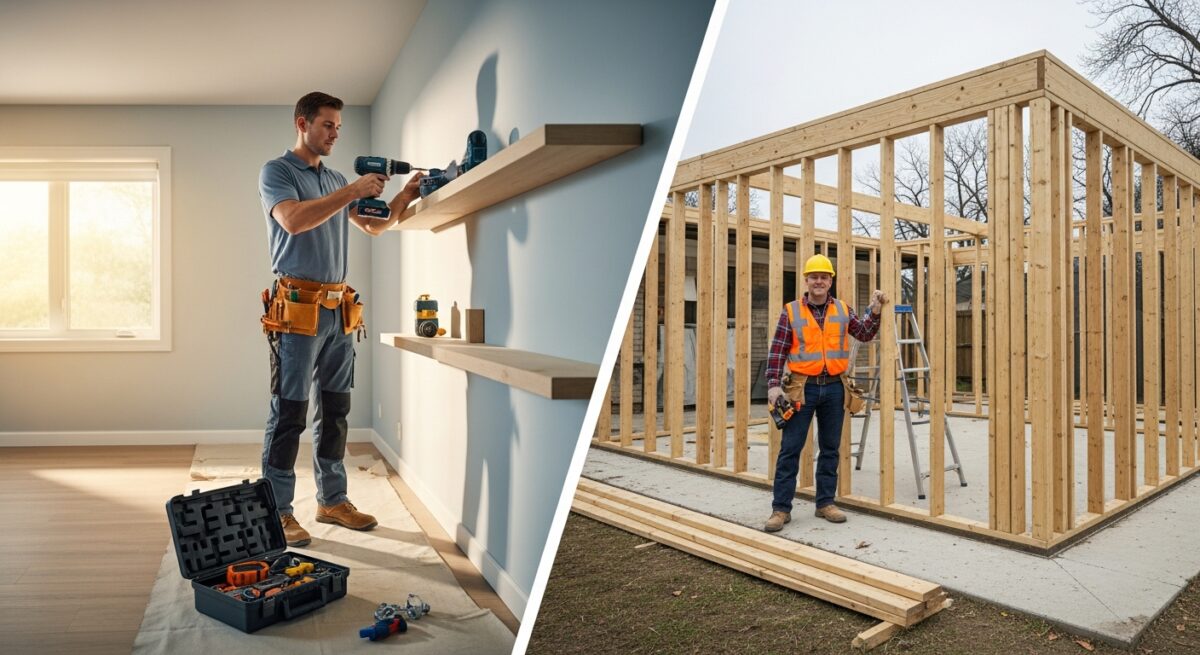
General Contractor vs Handyman: Choosing the Right Pro for Your Project
Not sure whether to call a handyman or a general contractor? Our clear guide explains the key differences, helping you choose the right pro for your home project and budget.
Licensed vs Insured Contractor: What Homeowners Must Know
Understand the critical difference between a licensed and insured contractor. This guide explains what each means for your protection, safety, and peace of mind on any home project.

Understanding Roof Replacement Quotes for Your Home
Learn how to read, compare, and understand roof replacement quotes. Our guide helps homeowners make informed decisions for this major home investment.
Find a Pro!
"*" indicates required fields