
How to Vet Foundation Repair Contractors
Learn how to vet foundation repair contractors with our comprehensive guide, covering inspections, red flags, and cost factors.

By Peter Hubert
Learn more about Foundation Repair for guides, costs, and what to expect.
Compare Foundation Repair Pros Near You

Enter your ZIP code to compare top-rated local professionals and request free quotes.
Your home's foundation is its most critical structural element, yet it is often the most overlooked until a problem becomes impossible to ignore. Cracks in drywall, sticking doors, or uneven floors can signal serious issues beneath your feet. When these signs appear, the pressure to act quickly can lead to hasty decisions. Choosing the right professional is not just about fixing the immediate problem; it is about protecting your largest investment for decades to come. This guide will walk you through the process of vetting foundation repair contractors so you can make an informed, confident choice without falling for common scams or unnecessary repairs.
Understanding the Role of a Foundation Repair Contractor
A foundation repair contractor is a specialized professional who assesses, stabilizes, and restores a home's foundation. Unlike a general contractor who might handle a variety of home projects, a foundation specialist focuses solely on the structural integrity of your home's base. Their work can involve installing piers or helical anchors, underpinning failing concrete, repairing cracks with epoxy injections, and addressing water-related issues like poor drainage that threaten the foundation.
It is crucial to understand that not all foundation issues require the same level of intervention. Minor hairline cracks might be cosmetic, while significant structural movement demands immediate attention. A qualified contractor will provide a detailed assessment and explain the underlying causes, not just the symptoms. They should also be transparent about whether a repair is necessary or if monitoring is a safer, more cost-effective option. Our guide on residential roofing contractors in Massachusetts highlights similar principles of specialized expertise that apply across home repair trades.
Key Qualifications to Look For
Vetting a contractor begins with verifying their credentials and experience. This is not a time to cut corners, as the structural safety of your home depends on it. Here are the essential qualifications to confirm before you even consider signing a contract.
Licensing and Insurance
Every state has different licensing requirements for contractors. Some states require a general contractor's license that covers foundation work, while others have specific classifications. At a minimum, the contractor should be licensed and registered with your state's licensing board. You can verify their license status online through your state's regulatory agency.
Insurance is equally non-negotiable. The contractor must carry both general liability insurance and workers' compensation. General liability protects your property if the contractor causes damage during the repair. Workers' compensation covers you if a worker is injured on your property. Ask for certificates of insurance directly from the contractor's insurance provider, not just a photocopy, to ensure the policies are current and valid.
Experience and Specialization
Foundation repair is a complex engineering discipline. Look for a contractor who has been in business for at least 5 to 10 years and has a portfolio of completed foundation repair projects in your area. Local experience is invaluable because soil types, climate, and water tables vary dramatically from region to region. A contractor who has solved problems in your neighborhood will better understand your home's specific challenges.
Ask about their specific experience with your type of foundation. For example, a pier and beam foundation requires different techniques than a concrete slab. Do not hesitate to ask for references from recent projects. A reputable contractor will gladly provide contact information for past clients, and you should follow up with them to ask about their experience, the quality of the work, and whether the repair has held up over time.
Red Flags and Warning Signs
Unfortunately, the foundation repair industry has more than its fair share of unethical operators. Knowing the warning signs can save you from a costly mistake and even prevent further damage to your home. Be wary of any contractor who exhibits the following behaviors.
- Pressure tactics: They claim the repair must be done immediately or the house will collapse, pushing you to sign a contract on the spot.
- No physical inspection: They provide a quote over the phone or via video without ever visiting your property to examine the foundation.
- Vague contracts: The contract lacks specific details about the repair method, materials, timeline, or warranty terms.
- Upfront payment demands: They request a large down payment before any work begins, often more than 10-20% of the total project cost.
- Claims of a one-size-fits-all solution: They recommend the same expensive repair method, such as installing piers, regardless of the actual problem.
These red flags are not just inconvenient; they are indicators of potential fraud or substandard work. A professional contractor will never pressure you into a decision. They will provide a clear, written estimate after a thorough inspection and give you time to consider your options. They will also explain why a specific repair method is necessary based on the evidence they find, not a scripted sales pitch.
The Inspection and Estimate Process
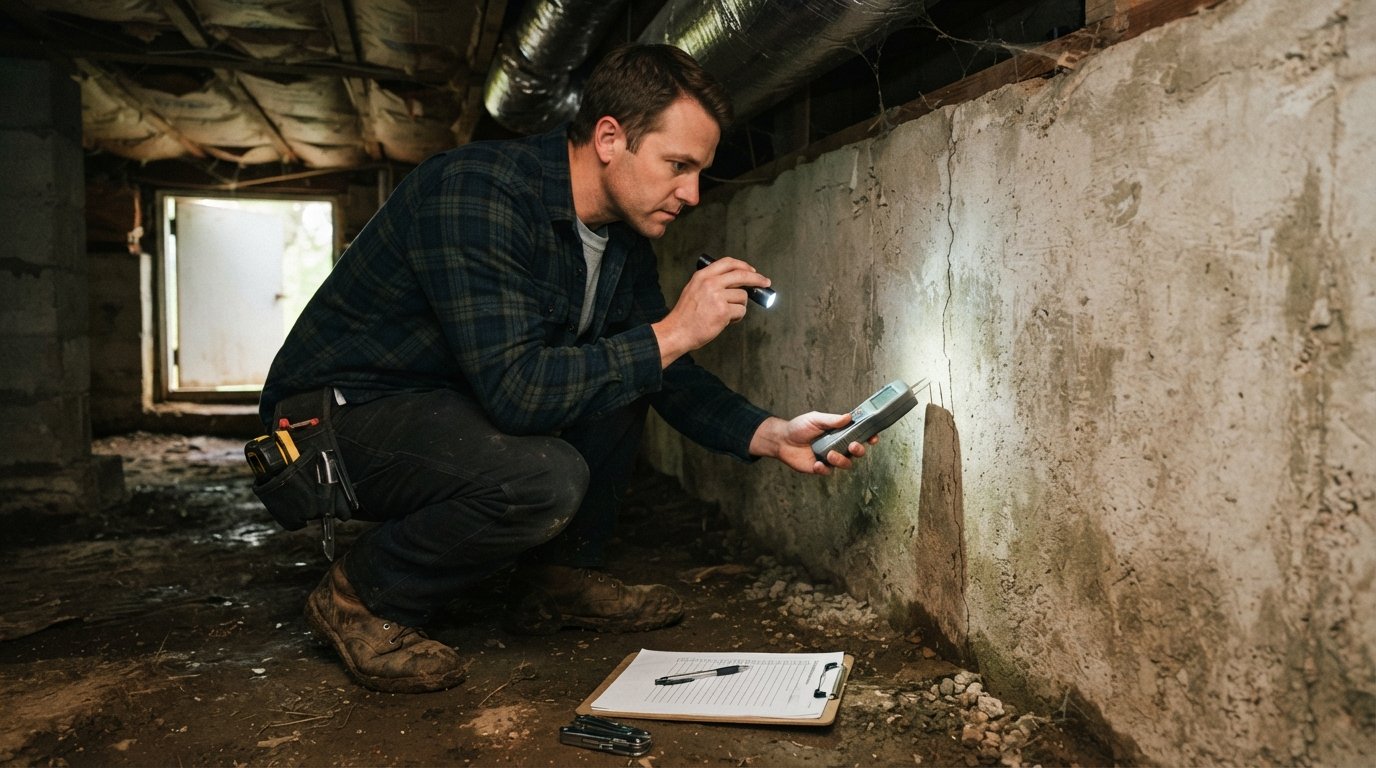
A proper inspection is the foundation of a reliable repair plan. The contractor should spend at least 30 to 60 minutes examining your foundation, both inside and outside. They will look for cracks, bulges, water damage, and signs of structural movement. They may also check your property's grading and drainage systems to identify contributing factors.
After the inspection, you should receive a detailed written estimate, not just a verbal quote. This document should itemize the scope of work, the exact materials to be used, the number of piers or anchors, the timeline for completion, and the total cost. The estimate should also include a clear warranty description. Most reputable foundation repair contractors offer a warranty on both the labor and the materials, often ranging from 5 to 25 years or more. Be sure you understand what the warranty covers and whether it is transferable if you sell your home.
Do not accept the first estimate you receive. Get at least three detailed quotes from different contractors. Compare not only the prices but also the repair methods, the quality of materials, and the warranty terms. The cheapest option is not always the best, but the most expensive is not necessarily the best either. The goal is to find a contractor who provides a clear, logical plan at a fair price.
Understanding Repair Methods and Costs
Foundation repair is not a one-size-fits-all endeavor. The method your contractor recommends will depend on the type of foundation, the severity of the damage, and the underlying soil conditions. Being familiar with common repair methods will help you ask informed questions and understand what you are paying for.
For concrete slab foundations, common repairs include:
- Piering (or underpinning): Steel piers are driven deep into the soil to support the foundation and lift it back to its original level.
- Slabjacking (or mudjacking): A grout mixture is pumped under the slab to lift it, often used for minor settling.
- Crack injection: Epoxy or polyurethane foam is injected into cracks to seal them and restore structural integrity.
For pier and beam foundations, repairs often involve replacing damaged piers, sistering joists, or installing additional support beams. The cost for these repairs varies widely. According to recent industry data, homeowners can expect to pay anywhere from $2,000 for minor crack repairs to $20,000 or more for extensive piering. Our article on residential roofing contractors in Kansas also discusses how regional factors can influence the cost of home repair services.
To get a more accurate estimate for your specific situation, you can use our residential roofing contractors in Alabama tool, which, while focused on roofing, demonstrates the importance of localized cost data. For foundation work, always request a detailed breakdown of labor and materials in your quote.
Why Drainage and Water Management Matter
Many foundation problems are directly caused by water. Poor drainage around your home can saturate the soil, causing it to expand and contract, which puts enormous pressure on your foundation. This is why a good foundation repair contractor will often include a drainage assessment in their inspection.
If your foundation is experiencing issues, the contractor may recommend solutions such as installing or repairing gutters and downspouts, regrading the soil around your home, or installing a French drain system. These water management measures are often essential to prevent future problems and can be more cost-effective than major structural repairs. A contractor who only focuses on the concrete repair and ignores the water issue is not providing a long-term solution.
Asking the Right Questions
When you meet with a potential contractor, come prepared with a list of questions. This will help you gauge their expertise and professionalism. Here are some key questions to ask:
- How long have you been in business specifically doing foundation repair?
- Can you provide references from projects completed in the last year?
- Will you provide a written, itemized estimate?
- What type of warranty do you offer, and what exactly does it cover?
- Do you use your own employees or subcontractors?
- How will you protect my landscaping and property during the repair?
- What is the expected timeline for the repair, and what can cause delays?
Listen carefully to their answers. A confident, knowledgeable contractor will answer these questions clearly without hesitation. They will also be willing to explain technical details in a way you can understand. If a contractor is vague, dismissive, or unwilling to provide references, consider that a major red flag and continue your search.
Making the Final Decision
After you have gathered estimates and conducted interviews, it is time to make your choice. Do not base your decision solely on price. The lowest bid might reflect a lack of experience, inferior materials, or a contractor who is eager to secure a job and will cut corners. The highest bid might include unnecessary work or premium materials you do not need.
Instead, weigh the following factors:
- Reputation: Check online reviews on platforms like Google and the Better Business Bureau. Look for patterns in negative reviews, such as missed deadlines or poor communication.
- Professionalism: Did they show up on time for the inspection? Were they courteous and respectful?
- Communication: Did they explain the process clearly and answer your questions thoroughly?
- Warranty: Is the warranty comprehensive and backed by a company that will likely be around to honor it?
- Comfort level: Do you feel comfortable working with them? Trust your instincts.
It is also wise to verify that the contractor's license is still active and that there are no unresolved complaints against them with your state's consumer protection agency. This final check can provide peace of mind before you sign on the dotted line.
Final Thoughts
Selecting a foundation repair contractor is a significant decision that should not be rushed. By understanding the scope of the work, verifying credentials, and asking the right questions, you can confidently choose a professional who will protect your home's structural health for years to come. Remember to get multiple quotes, read the fine print, and trust your judgment. A quality repair not only stabilizes your home but also gives you peace of mind, knowing that you have made a sound investment in your property's future.