
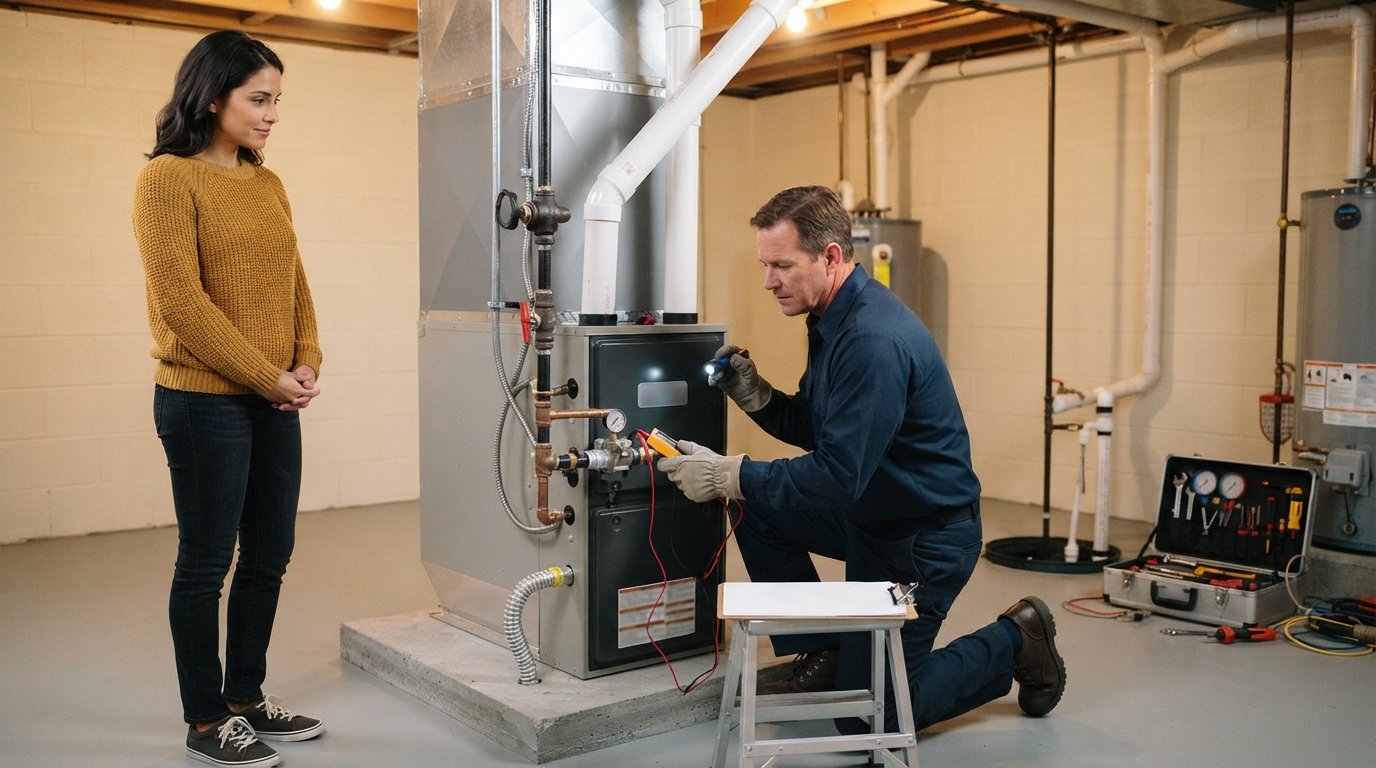
How to Vet an HVAC Contractor for Furnace Replacement
Vet an HVAC contractor for furnace replacement with confidence. Call 8333658755 for guidance on quotes and licensing.

By Jessica Reis
Learn more about Heating System Installation or Replacement for guides, costs, and what to expect.
Compare Heating System Installation or Replacement Pros Near You

Enter your ZIP code to compare top-rated local professionals and request free quotes.
A furnace failure rarely happens at a convenient time. When the heat goes out in January or your aging unit starts short-cycling in November, the pressure to hire someone fast can override your better judgment. That urgency is exactly what unscrupulous contractors count on. Hiring the wrong HVAC company for a furnace replacement can cost you thousands in inflated pricing, voided warranties, code violations, and unsafe installation work that puts your family at risk.
Vetting an HVAC contractor is not about being paranoid. It is about being methodical. A furnace replacement is a major investment, typically ranging from $3,500 to $10,000 or more depending on the system, your home's layout, and regional labor rates. You deserve to know that the person installing it is licensed, insured, experienced, and accountable. This guide walks you through a practical, step-by-step vetting process so you can hire with confidence and avoid the most common traps homeowners fall into.
Why Furnace Replacement Deserves Extra Scrutiny
Furnace installation is not a generic handyman task. It involves gas lines, electrical connections, venting, combustion air requirements, and strict building codes that vary by state and municipality. A mistake in any of these areas can lead to carbon monoxide leaks, fire hazards, or a system that fails inspection and must be torn out and redone.
Beyond safety, improper installation is the leading cause of premature furnace failure. A unit that is oversized will cycle on and off constantly, wearing out components and wasting energy. An undersized unit will run nonstop and never reach the set temperature. Incorrect ductwork connections, poor airflow, and faulty thermostat wiring can all shorten the life of a brand-new furnace by years.
Manufacturers also tie warranties to proper installation by licensed professionals. If your furnace is installed by an unlicensed contractor or someone who cuts corners, the manufacturer can deny warranty claims on parts and labor. That means a $2,000 repair bill could land entirely on you just a few years after installation.
The Pre-Vetting Phase: Research Before You Call
The best time to vet a contractor is before you are in crisis mode. If your furnace is 15 years or older, start researching now. Even if it is still running, you will make better decisions when you are not shivering in a cold house.
Start by checking your state's licensing board website. Most states require HVAC contractors to hold a specific license, and many issue separate credentials for contractors versus technicians. Verify that the license is active, in good standing, and covers the type of work you need. Some states also require a separate gas fitting license for furnace work.
Next, check for insurance. A legitimate HVAC contractor should carry both general liability insurance and workers' compensation coverage. If a worker is injured on your property and the contractor does not have workers' comp, you could be held liable. Ask for a certificate of insurance and verify it directly with the insurance company if you have any doubts.
Finally, look for red flags in online reviews. A single bad review is not disqualifying, but patterns matter. Watch for repeated complaints about unexpected charges, poor communication, unfinished work, or warranty disputes. Also be skeptical of companies with hundreds of five-star reviews that all sound identical, as these can be purchased.
How to Vet an HVAC Contractor for Furnace Replacement: A Step-by-Step Framework
Once you have a shortlist of three to five contractors, it is time to move into the active vetting phase. This is where you separate the professionals from the pretenders. The process below is designed to be thorough without being overwhelming, and it works whether you are replacing a furnace in a single-family home or a rental property.
Here is a practical sequence to follow:
- Request a detailed written estimate. A proper furnace replacement quote should include the model number, AFUE rating, BTU capacity, labor costs, permit fees, and any ancillary work such as duct modifications or venting upgrades.
- Ask about load calculations. A serious contractor will perform a Manual J load calculation to determine the correct furnace size for your home. If they simply ask for your square footage and guess, walk away.
- Verify licensing and insurance again. Do not take their word for it. Ask for license numbers and insurance certificates, then verify them independently.
- Check references from recent jobs. Ask for two or three references from furnace replacements completed in the past six months. Call those homeowners and ask about punctuality, cleanliness, communication, and whether the system has performed as promised.
- Review the warranty terms. Understand what is covered, for how long, and who honors the warranty if the contractor goes out of business. Manufacturer warranties and labor warranties are separate, and both matter.
After completing these steps, compare your notes side by side. The lowest price is not automatically the best deal, especially if it comes with vague scope language or a contractor who dodges your questions. The goal is to find the best combination of competence, transparency, and value.
Questions That Reveal a Contractor's True Colors
The questions you ask during the estimate visit tell you as much about the contractor as the answers themselves. A seasoned professional will welcome your questions and answer them directly. A less scrupulous operator will deflect, rush, or give vague responses.
Ask how long the company has been in business and whether they specialize in residential HVAC or also do commercial work. Ask whether the technicians who will perform the installation are employees or subcontractors. Subcontractors are not automatically bad, but you want to know who is actually doing the work and who stands behind it.
Ask about permits. In most jurisdictions, a furnace replacement requires a mechanical permit and an inspection. If a contractor suggests skipping the permit to save time or money, that is a major red flag. Unpermitted work can create problems when you sell your home and can void your homeowner's insurance if a fire or gas leak occurs.
Ask what happens if the furnace fails inspection or does not perform as expected. A reputable contractor will have a clear process for making it right, including returning to adjust airflow, replace defective parts, or correct installation errors at no additional cost to you.
Evaluating the Estimate: What a Fair Quote Looks Like
A furnace replacement estimate should be detailed enough that you can compare it apples to apples with other quotes. If one contractor gives you a one-line price and another provides a full breakdown, you cannot make a meaningful comparison. Transparency is a sign of professionalism.
A fair estimate typically includes the furnace model and specifications, the efficiency rating (AFUE), the BTU input and output, labor for removal and installation, disposal of the old unit, permit fees, and any required ductwork or venting modifications. It should also state whether a new thermostat is included and whether the contractor will handle warranty registration on your behalf.
Be cautious of quotes that are significantly lower than the others. In HVAC, lowball pricing often means cut corners: no permit, no load calculation, no duct inspection, or the use of builder-grade equipment that may not match your home's needs. It can also signal a contractor who plans to upsell you later with surprise charges once the work is underway.
Red Flags and Deal Breakers
Some warning signs are subtle, and others are impossible to miss. Either way, you should treat them as deal breakers rather than minor annoyances. Your safety and financial protection depend on it.
- Pressure to sign immediately. High-pressure tactics, such as claiming a discount expires today or that your furnace is an imminent danger, are classic signs of a predatory contractor.
- No physical business address. A legitimate company has a verifiable office or warehouse. A contractor who only provides a cell phone number and a P.O. box is difficult to hold accountable.
- Requests for full payment upfront. Standard practice is a deposit of 10 to 30 percent, with the balance due upon completion and inspection. Demanding full payment before work begins is a major red flag.
- No written contract. Verbal agreements are almost impossible to enforce. Insist on a written contract that spells out the scope, timeline, payment schedule, and warranty terms.
If you encounter any of these issues, move on to the next contractor on your list. There are plenty of qualified professionals who will treat you fairly and do the job right.
Comparing Multiple Bids Without Getting Overwhelmed
Getting three to five quotes is the gold standard for any major home project, and furnace replacement is no exception. But comparing bids can feel confusing if each contractor presents information differently. The solution is to create a simple comparison sheet with the same criteria for each quote.
List the furnace brand and model, AFUE rating, BTU capacity, total price, permit handling, warranty terms, and estimated timeline. Add a column for your overall impression of the contractor's professionalism and communication style. Sometimes the middle-priced bid wins because it offers the best combination of quality equipment, thorough workmanship, and responsive service.
If you want a broader perspective on how HVAC estimates are structured, including how to spot line items that may be inflated or missing, you can review our guide on understanding your AC replacement estimate. The principles overlap significantly with furnace quotes and can help you read the fine print with more confidence.
What Happens After You Hire
Vetting does not end when you sign the contract. The installation day itself is another opportunity to confirm that you hired the right team. A professional crew will arrive on time, protect your floors and furnishings, and keep you informed of progress. They will also walk you through the new system, show you how to operate the thermostat, and explain the maintenance schedule.
After the installation, the contractor should provide you with all documentation: the manufacturer's warranty paperwork, the permit inspection sign-off, and a final invoice that matches the original estimate. If the contractor promised to register your warranty, confirm that it was done. Some manufacturers require registration within a specific window to keep the warranty valid.
Finally, schedule a follow-up call or email after 30 days. A quality contractor will welcome the check-in and address any questions or minor adjustments. If the system is running quietly, heating evenly, and keeping your energy bills reasonable, you can feel confident that your vetting process paid off.
For homeowners who want help finding pre-vetted local contractors without spending hours on research, services like FreeQuotes.Contractors connect you with licensed professionals who can provide free, no-obligation estimates for furnace replacement and other HVAC projects.
Taking the time to vet an HVAC contractor for furnace replacement is one of the smartest investments you can make in your home. It protects your wallet, your comfort, and your family's safety. Use the steps and questions in this guide, trust your instincts, and do not settle for anything less than a licensed, insured, and experienced professional.