
How to Select the Best Contractor for Your Home Project

You’ve finally decided to tackle that kitchen remodel or fix that persistent leak in the basement. You’re excited, you have a vision, and you’re ready to get started. But then a familiar worry creeps in: how do you find and hire the right person for the job? The fear of choosing the wrong contractor,leading to delays, shoddy work, or budget blowouts,can stall even the most enthusiastic homeowner. Selecting the best contractor isn’t just about finding someone available; it’s about protecting your investment, your safety, and your peace of mind. A poor choice can turn a dream project into a costly, stressful nightmare, while the right professional ensures the job is done correctly, efficiently, and adds lasting value to your home.
Understanding How to Select the Best Contractor for Your Project
Selecting the best contractor is a systematic process of vetting and choosing a skilled professional to complete work on your home. It goes beyond just comparing prices. It’s about finding a trustworthy partner who understands your goals, communicates clearly, and has a proven track record of quality.
This process matters for any project, big or small. Whether you’re planning a minor repair or a major renovation, the principles of good selection remain the same. The goal is to match your specific project needs with a contractor’s expertise, reliability, and business practices.
All homeowners will face this decision at some point. It’s a critical skill for maintaining and improving your property. Taking the time to do it right from the beginning is the single most important step in ensuring your project’s success.
Why This Matters for Your Home
Your home is likely your largest financial asset. The work done on it directly impacts its safety, functionality, and market value. Hiring an unqualified or unreliable contractor can jeopardize all three. Poor workmanship can lead to structural issues, water damage, or electrical hazards that put your family at risk.
Furthermore, a botched project often means paying twice,once for the faulty work and again to have it fixed properly. This wastes your money and time, and the stress of managing a failing project can be overwhelming. The right contractor acts as a shield against these risks.
They bring expertise that ensures work meets building codes, uses proper materials, and is built to last. This protects your investment and enhances your daily living experience. A well-executed project increases comfort, improves efficiency, and boosts your home’s overall worth.
If you notice signs of this issue in your home, it may help to speak with a qualified contractor. Request a free quote or call to explore your repair or remodeling options.
Common Problems Homeowners Experience
Many homeowners jump into hiring without a plan, leading to predictable and frustrating outcomes. The most common issue is the “low-ball bid” that mysteriously inflates once work begins, through change orders or “unforeseen” problems. This leaves you over budget and feeling trapped.
Another frequent problem is poor communication. Contractors who don’t return calls, provide vague timelines, or fail to show up as promised can turn a scheduled project into a months-long ordeal. You’re left in the dark, unsure when your life will return to normal.
Then there’s the problem of incomplete or substandard work. This ranges from cosmetic flaws you have to live with to serious functional failures that cause new damage. Without a proper contract and vetting process, you have little recourse to get these issues resolved.
- Skyrocketing costs far beyond the initial estimate.
- Endless project delays and missed deadlines.
- Poor quality workmanship that requires immediate fixes.
- Lack of proper licensing or insurance, creating liability for you.
- Disappearing contractors who leave jobs unfinished.
- Damage to other parts of your home during construction.
How Professionals Solve the Problem
A true professional contractor doesn’t just swing a hammer; they manage your entire project. They bring a system to the chaos, starting with a detailed plan and a clear contract. This upfront clarity is your best defense against the common problems homeowners face.
They handle permits, source materials, schedule reliable subcontractors, and maintain a clean worksite. Their experience allows them to anticipate challenges before they become costly mistakes. For complex projects like a roof replacement, this professional project management is invaluable. A guide on efficiently managing roofing projects highlights how this structured approach saves time and prevents errors.
Ultimately, they deliver a finished product that is safe, durable, and built to code. The value isn’t just in the labor, but in the knowledge, planning, and risk mitigation they provide. This turns a potentially stressful experience into a smooth, predictable process.
- Consultation & Estimate: They assess your project, discuss your vision, and provide a detailed, written estimate.
- Planning & Permitting: They create a project plan, timeline, and secure any necessary building permits.
- Material Procurement: They order quality materials and ensure they arrive on schedule.
- Execution & Communication: They perform the work with skilled labor, maintain a clean site, and provide regular updates.
- Final Walkthrough & Warranty: They review the completed work with you, address any concerns, and explain warranties on materials and labor.
A professional inspection can reveal hidden issues before they become expensive repairs. Compare contractor quotes here or call to discuss your project.
Warning Signs You Should Not Ignore
When interviewing or researching contractors, certain red flags should prompt you to walk away. These signs often indicate a lack of professionalism, stability, or integrity that will likely cause problems down the line.
Ignoring these warnings because a price seems too good to be true is a classic mistake. That low price usually comes with hidden costs, either in money, quality, or stress. Protecting your home means being selective and trusting your instincts when something feels off.
Paying attention to these early signals can save you from a catastrophic hiring decision. It’s always better to delay your project slightly to find the right professional than to rush into a partnership with the wrong one.
- They demand a large cash deposit or full payment upfront before any work begins.
- They are reluctant to provide a written, detailed contract or a fixed price.
- They only communicate through pressure tactics or limited-time offers.
- They cannot provide proof of current liability insurance and workers’ compensation.
- Their business address is a P.O. box or they have no physical location.
- They ask you to pull the building permits yourself (this often makes you, the homeowner, legally responsible for the work).
What Affects the Cost of Repairs or Installation
Contractor quotes can vary widely, and understanding why helps you compare apples to apples. The scope of work is the biggest factor,are you replacing a few cabinets or the entire kitchen? Larger, more complex projects naturally cost more in materials and labor.
The quality of materials you choose also has a major impact. Premium fixtures, hardwood floors, or high-efficiency windows cost more than standard options. A good contractor will explain these choices and their long-term value. Labor costs are influenced by the skill required and local market rates; specialized trades like plumbing or electrical often command higher prices.
Finally, the condition of your home and accessibility of the work area matter. Older homes may have hidden issues like outdated wiring or structural rot that must be addressed first. A difficult-to-reach roof or a basement with limited entry will increase labor time. This is why localized expertise is key; for example, understanding the specific needs of homes in Connecticut versus those in other regions can affect both planning and cost.
Costs can vary depending on the condition of your home. The best way to know the price is to get a personalized estimate. Request free quotes from contractors or call today.
How to Choose the Right Contractor
Start by defining your project as clearly as possible. Know what you want to achieve, your desired timeline, and your budget range. This clarity allows you to communicate effectively and evaluate proposals accurately. Then, seek recommendations from friends, family, or trusted online review platforms.
Once you have a shortlist, conduct thorough interviews. This is your opportunity to assess not just their price, but their personality, communication style, and professionalism. The goal is to find someone you can trust and communicate with easily for the duration of the project.
Always verify the critical details before signing anything. A reputable contractor will have no issue providing their license number, insurance certificates, and references from past clients. Taking these steps diligently is your most powerful tool for a successful outcome.
- Verify Licenses and Insurance: Confirm their state-required license is active and request certificates of insurance for both liability and workers’ comp.
- Check Reviews and References: Read online reviews on multiple sites and actually call 2-3 past clients to ask about their experience.
- Get Detailed, Written Estimates: Ensure each quote includes a breakdown of costs for materials, labor, profit margin, and a payment schedule.
- Compare Multiple Quotes: Get at least three estimates to understand the market rate. Be wary of one that is significantly lower than the others.
- Review the Contract Carefully: The contract should include start/end dates, payment schedule, specific materials (brand, model, color), and a process for handling changes.
Long-Term Benefits of Professional Work
Hiring a skilled contractor is an investment that pays dividends long after the project is complete. The most immediate benefit is peace of mind. Knowing the work was done correctly to code means you don’t have to worry about safety hazards or premature failures.
Quality workmanship and materials also mean greater durability. Your repair or renovation will last longer, requiring less maintenance and saving you money on future fixes. For major systems like roofing, this is especially crucial, as highlighted in resources for homeowners in Colorado and other regions with specific climate challenges.
Finally, professional work enhances your home’s value and efficiency. A well-executed addition or update provides a strong return on investment if you sell. Energy-efficient upgrades lower utility bills. Ultimately, you get to enjoy a more beautiful, functional, and valuable home for years to come.
How many contractors should I get quotes from?
It’s recommended to get at least three detailed written estimates. This gives you a good sense of the fair market price for your project and allows you to compare the approach, professionalism, and scope outlined by different contractors. Fewer than three might not provide enough perspective, while more than five can become overwhelming.
What should be included in a contractor’s estimate?
A thorough estimate should be a multi-page document. It must include a description of the work, a list of all materials (including brands, models, quantities), a breakdown of labor costs, the total price, a projected timeline, and a payment schedule. It should also note who is responsible for obtaining permits and cleaning up the worksite.
Is the lowest bid always the best choice?
Rarely. A bid significantly lower than others is a major red flag. It often means the contractor has made an error, plans to use inferior materials, or will later hit you with expensive change orders. The goal is to find the best value,a fair price for high-quality work and reliable service,not just the lowest number.
What questions should I ask a contractor’s references?
Ask if the project was completed on time and on budget. Inquire about the contractor’s communication and cleanliness. Most importantly, ask if they would hire the contractor again for another project. The answer to this last question is very telling about the overall client experience.
Should I always check for a contractor’s license?
Absolutely. A valid license indicates the contractor has met minimum competency standards set by the state. It also provides you with recourse if something goes wrong. You can usually verify a license online through your state’s licensing board website. Never hire an unlicensed contractor.
What is a reasonable down payment?
A typical down payment ranges from 10% to 30% of the total project cost, often to secure materials. Be very cautious of any contractor who demands more than one-third upfront. Your payment schedule should be tied to project milestones (e.g., 30% at start, 30% after framing, 30% after installation, 10% upon final walkthrough).
How long does it usually take to get quotes?
A reputable contractor will need to see your project in person to provide an accurate quote. After the site visit, you should receive a detailed written estimate within a few days to a week. If a contractor gives you an instant quote over the phone without seeing the job, consider it unreliable.
What if I find a problem after the work is done?
This is why a warranty is crucial. Reputable contractors stand behind their work and will have a warranty period for labor (often 1-2 years) in addition to manufacturer warranties on materials. Contact them immediately to document the issue. A clear contract and good relationship make resolving post-completion problems much smoother.
Selecting the best contractor is the cornerstone of any successful home project. By taking a methodical approach,defining your needs, researching thoroughly, verifying credentials, and comparing detailed quotes,you protect your home, your budget, and your sanity. Don’t let the fear of a bad choice paralyze you into delaying necessary repairs or improvements. Start the process today by reaching out to a few well-vetted professionals. Getting personalized quotes is the most practical first step to turning your vision into a reality, ensuring your home remains a source of pride and comfort for years to come.

About Jessica Reis

Secure Home Service Quote Platforms: Compare Contractors Safely
Learn how a secure home service quote platform helps homeowners compare vetted contractors, get free estimates, and avoid costly repair surprises.
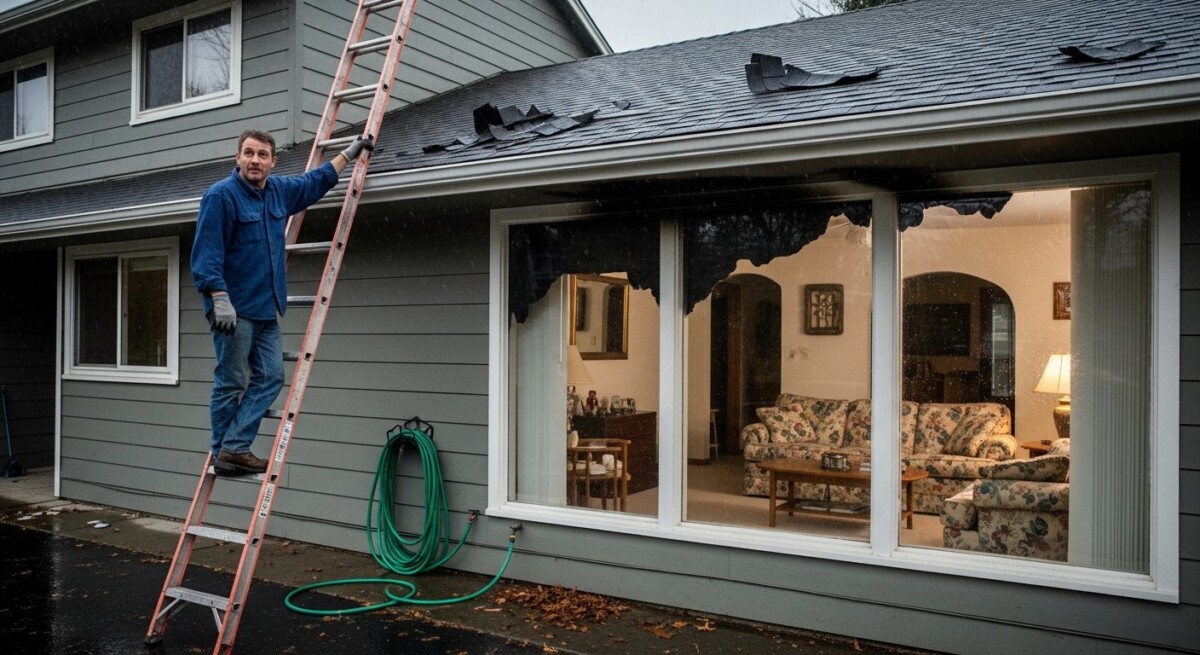
How to Get a Roof Repair Quote: A Homeowner’s Guide
Learn how to request a roof repair quote, spot warning signs, compare contractor options, and protect your home from costly damage with professional help.
Average Cost for Home Addition: What Homeowners Need to Know
Learn the average cost for home addition, what affects pricing, and how to budget wisely. Get tips on choosing contractors and avoiding costly mistakes.
Find a Pro!
"*" indicates required fields