
How to Compare Contractor Quotes for Your Home Project
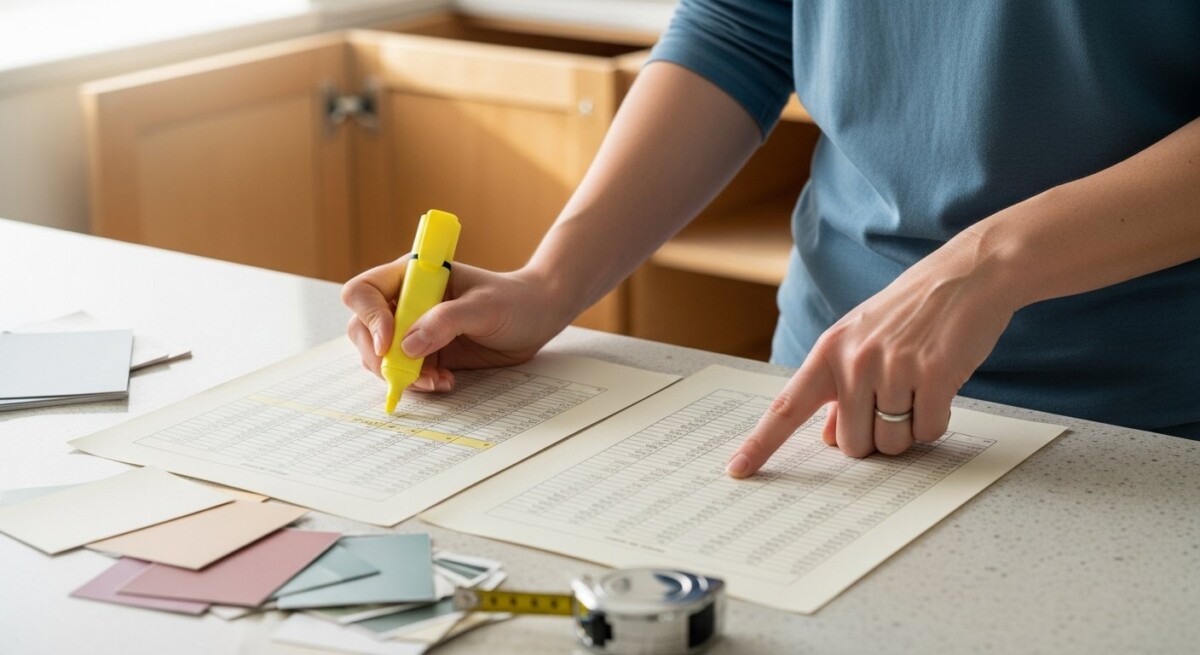
You’ve finally decided to tackle that kitchen remodel or fix that persistent roof leak. You call a few contractors, and soon, you have several estimates in hand. But instead of clarity, you feel confused. The prices are all over the map, the descriptions are vague, and you’re not sure what you’re really paying for. This common scenario is why knowing how to properly compare contractor quotes is one of the most important skills a homeowner can have. Without a clear comparison, you risk overpaying, choosing the wrong professional, or missing critical details that could lead to bigger problems down the road.
Understanding Compare Contractor Quotes
Comparing contractor quotes is more than just looking at the bottom-line price. It’s a process of evaluating multiple detailed proposals to understand the scope of work, materials, timeline, and overall value each professional offers. A quote is a contractor’s formal offer to complete a specific project for a specified price.
This process happens whenever you need professional work, from a small repair to a major renovation. Every home will need this service at some point, but it’s especially critical for older homes, major system upgrades, and any project where quality and safety are paramount.
Why This Matters for Your Home
Choosing a contractor based solely on the lowest bid can be a costly mistake. An unrealistically low quote might mean a contractor is cutting corners, using inferior materials, or has misunderstood the project’s complexity. This can lead to subpar work that fails soon after completion, leaving you to pay for repairs all over again.
More importantly, improper repairs can create serious safety hazards, like electrical fires or structural weaknesses. They can also lead to extensive property damage from water leaks or mold. A thorough comparison helps you invest in work that protects your family, your home’s value, and your peace of mind for years to come.
If you notice signs of this issue in your home, it may help to speak with a qualified contractor. Request a free quote or call to explore your repair or remodeling options.
Common Problems Homeowners Experience
When quotes are unclear or incomplete, homeowners face a frustrating guessing game. You might receive a one-page quote with a single dollar amount and no breakdown, making it impossible to know what’s included. Another contractor might provide a lengthy list but use confusing technical jargon.
These inconsistencies make it hard to ensure you’re comparing apples to apples. You might think two contractors are offering the same service, when in reality, their plans, material grades, and warranty terms are vastly different. This ambiguity is a primary source of budget overruns and disputes during a project.
- Vastly different prices for what seems like the same job.
- Vague descriptions like “repair roof” instead of specifying materials and methods.
- Missing cost breakdowns for labor, materials, and permits.
- Unclear timelines or no projected start/completion dates.
- Omitted information about cleanup, debris removal, and daily site management.
- No details on warranty coverage for both materials and workmanship.
How Professionals Solve the Problem
A reputable contractor views a detailed quote as the foundation of a successful project. They take the time to understand your needs, assess the existing conditions, and create a clear plan. This upfront effort prevents misunderstandings and establishes trust before work even begins.
Professional work follows a logical process that ensures quality and durability. While DIY fixes might address a symptom, a pro finds and fixes the root cause. They also handle necessary permits, adhere to building codes, and carry proper insurance, protecting you from liability.
- Initial Consultation & Assessment: The contractor visits your home to discuss the project, take measurements, and identify any hidden challenges.
- Detailed Proposal Creation: They draft a quote that itemizes costs, specifies brands and material grades, outlines the work sequence, and includes a timeline.
- Contract Finalization: Once you approve the quote, it becomes a binding contract that includes payment schedule, warranty terms, and change order procedures.
- Professional Execution: The crew completes the work according to the plan, with proper oversight and quality checks.
- Final Walkthrough & Follow-up: You review the completed work together, and the contractor explains any maintenance needs for the future.
A professional inspection can reveal hidden issues before they become expensive repairs. Compare contractor quotes here or call to discuss your project.
Warning Signs You Should Not Ignore
Sometimes, the problem isn’t with the quotes you receive, but with delaying the project altogether. Putting off necessary repairs or upgrades often allows a small issue to grow into a major, expensive one. Early action is almost always more affordable and less disruptive.
Listen to your home. It often gives clear signals when professional help is needed. Ignoring these signs can compromise your home’s integrity, efficiency, and safety. For a deeper look at what to expect during this initial phase, our guide on how long contractor quotes take explains the typical timeline.
- Water stains on ceilings or walls, which indicate a leak that could worsen.
- Persistent drafts, high energy bills, or uneven temperatures between rooms.
- Cracks in foundation walls, sagging rooflines, or bouncy floors.
- Aging major systems (roof, HVAC, plumbing) past their typical lifespan.
- Difficulty opening windows/doors or visible rot on exterior trim.
- Any safety concern, like flickering lights, sparking outlets, or gas odors.
What Affects the Cost of Repairs or Installation
Understanding cost factors demystifies why quotes vary. The size and complexity of the project are the biggest drivers. Replacing a few shingles is far less than a full roof replacement. Similarly, updating a bathroom’s fixtures is different from a complete gut renovation that involves moving plumbing lines.
Material choices create a significant price range. Builder-grade cabinets cost less than custom solid-wood ones. Labor intensity and accessibility also play a role. A roof on a steep, multi-story home is more dangerous and time-consuming to work on than a single-story ranch. The age of your home can add cost if it requires updating old wiring or plumbing to meet current codes.
Costs can vary depending on the condition of your home. The best way to know the price is to get a personalized estimate. Request free quotes from contractors or call today.
How to Choose the Right Contractor
Once you have detailed quotes in hand, the comparison truly begins. Look beyond the price and evaluate the contractor’s communication, professionalism, and thoroughness. The quote itself is a sample of their work ethic,a sloppy, vague quote often foreshadows sloppy, vague workmanship.
Your goal is to find a partner you can trust for the project’s duration. This means verifying their credentials and feeling confident in their ability to deliver on their promises. Taking these steps ensures you hire someone who will respect your home, your budget, and your timeline.
- Verify Licenses & Insurance: Always check for a valid state/local license and confirm they carry general liability and workers’ compensation insurance.
- Read Reviews & Ask for References: Check online platforms and ask the contractor for past client contacts. Speak to references about their experience.
- Insist on Detailed, Itemized Estimates: A good quote clearly separates material, labor, and other costs. Our resource on understanding home repair contractor quotes breaks down what to look for.
- Compare Multiple Quotes: Get at least three detailed quotes. This gives you a realistic price range and highlights different approaches to your project.
- Assess Communication & Professionalism: Were they punctual? Did they listen to your concerns? Clear communication during the quoting phase is a positive indicator.
Long-Term Benefits of Professional Work
Investing in quality workmanship pays dividends long after the project is complete. Proper repairs and installations last longer, perform better, and require less maintenance. This saves you money and hassle over the life of your home.
Beyond durability, professional work enhances your daily life. It improves your home’s energy efficiency, comfort, and safety. It also protects and increases your property’s market value, ensuring you recoup a significant portion of your investment if you ever sell. Ultimately, it provides the peace of mind that comes from knowing the job was done right.
Why do contractor quotes vary so much?
Quotes vary due to differences in material quality, labor costs, project scope understanding, and business overhead. One contractor might plan to use premium materials with a longer warranty, while another might budget for standard options. Some include costs like permits and dumpsters in their quote, while others list them separately or omit them entirely.
What should a good contractor quote include?
A comprehensive quote should include a detailed description of work, itemized costs for materials and labor, product specifications (brands, models, grades), a project timeline with start/end dates, payment schedule, information on licenses and insurance, and warranty details for both materials and workmanship. It should leave no question about what is and isn’t included.
Is the cheapest quote always a bad choice?
Not always, but it should be a red flag for closer scrutiny. A quote significantly lower than others may indicate the contractor made an error, is using inferior materials, or has misunderstood the project scope. It’s crucial to compare the details line-by-line to ensure you’re getting the same value before choosing based on price alone.
How many contractor quotes should I get?
It’s generally recommended to get at least three detailed quotes. This provides a good sample to understand the fair market price for your project and to evaluate different professional approaches. Getting fewer than three may not give you enough data, while more than five can become overwhelming and time-consuming.
Can I negotiate a contractor’s quote?
Yes, you can discuss the quote with the contractor. However, focus on value rather than just demanding a lower price. You might ask if there are areas where different material choices could save money, or if scheduling the work in their off-season is possible. Be wary of a contractor who readily agrees to a large price cut without changing the scope, as this may indicate poor initial pricing or a plan to cut corners.
What questions should I ask when reviewing a quote?
Ask about anything that’s unclear. Key questions include: Is this a fixed price or an estimate? Are permits and inspections included? Who is responsible for cleanup and debris removal? What is the process for handling unexpected issues or changes? How long is the workmanship warranty valid? Getting clear answers is a vital part of learning how to compare contractor quotes effectively.
Should the quote become the contract?
Yes, the accepted and signed quote should form the basis of your formal contract. Ensure all the details from the quote are incorporated into the final contract document before you sign and make any payment. This protects both you and the contractor by having a single, clear agreement.
What is a fair deposit to pay upfront?
This varies by state law and project size, but a deposit of 10-30% is common for material procurement. Be extremely cautious of any contractor who demands more than 50% upfront. The payment schedule in the contract should be tied to project milestones (e.g., 30% at start, 30% after framing, 30% upon completion, 10% after final walkthrough).
Taking the time to carefully compare contractor quotes is an investment in your home’s future. It transforms a stressful decision into a confident choice, ensuring you select the right professional for your needs and budget. By addressing issues early and choosing quality workmanship, you protect your largest asset and create a safer, more comfortable living space. Start by gathering a few detailed quotes,it’s the most practical first step toward a successful home project.

About

What to Do When Your Contractor Exceeds the Budget
A contractor going over budget can derail your renovation. Learn the causes, your options, and how to protect your home and finances.
How to Compare Contractor Quotes for Your Home Project
A practical guide for homeowners on how to compare contractor quotes effectively to ensure quality work, fair pricing, and a successful home project.
How to Compare Contractor Quotes for Your Home Project
A practical guide for homeowners on how to compare contractor quotes, ensuring you choose the right professional for your repair or remodel.
Find a Pro!
"*" indicates required fields