
How to Compare Contractor Quotes for Your Home Project
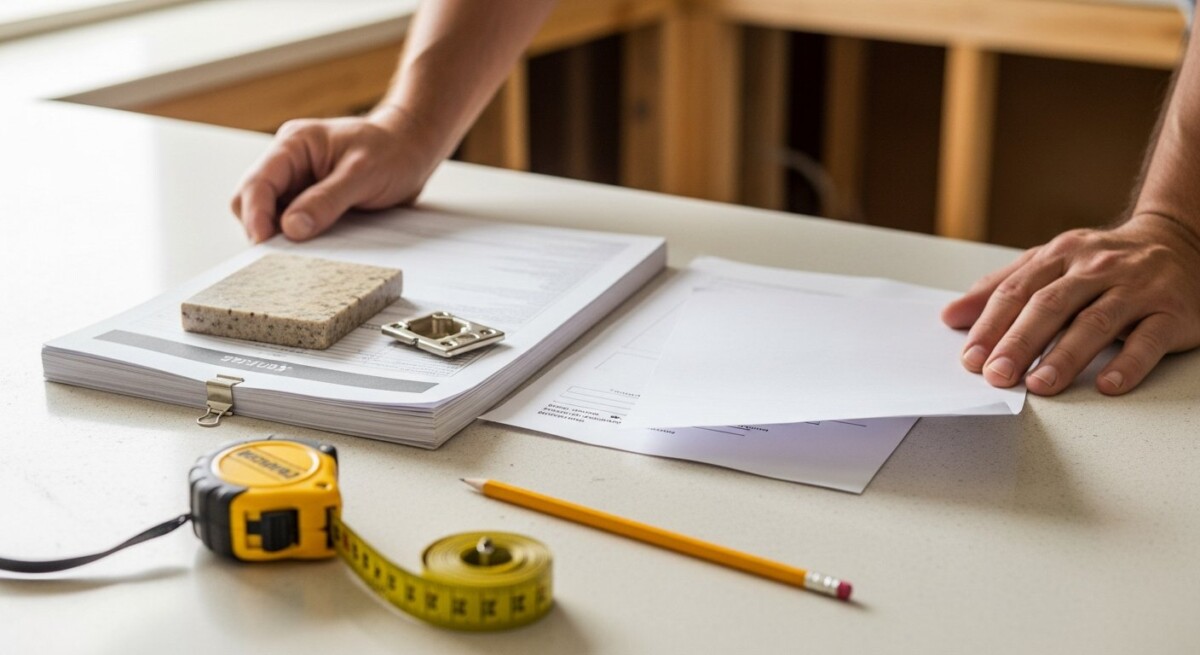
You’ve finally decided to tackle that kitchen remodel or fix that persistent roof leak. You call a few contractors, and soon, you’re holding three different quotes. One is surprisingly low, another is detailed but expensive, and the third is a vague single-page estimate. You feel a knot in your stomach,how do you possibly choose the right one without overpaying or hiring the wrong person? This moment of confusion is where many homeowners get stuck, and delaying a decision can let small problems grow into costly emergencies. Learning the art of the best contractor quote comparison is your key to moving forward with confidence, protecting your investment, and getting the quality work your home deserves.
Understanding Contractor Quote Comparison
Comparing contractor quotes isn’t just about picking the lowest number. It’s a process of evaluating apples-to-apples proposals to find the best value and the right professional for your job. A true comparison looks at the scope of work, materials, timeline, and the contractor’s credentials, not just the bottom line.
This happens because every contractor has a different way of estimating costs, overhead, and profit. Some may use premium materials, while others cut corners. Some include every last detail, and others provide a bare-bones estimate that leads to surprise charges later. Your goal is to understand what you’re really paying for.
Every homeowner planning a repair or renovation will face this. Whether you’re in a new build or a century-old house, a clear comparison process is your strongest tool for a successful project.
Why This Matters for Your Home
Choosing a contractor based on price alone is a major risk. A quote that’s too good to be true often means subpar materials, unskilled labor, or hidden fees that appear later. This can lead to repairs that fail prematurely, causing more damage to your home and costing you double to fix it correctly the second time.
Your home’s safety, comfort, and value are on the line. A poor roofing job can lead to water damage and mold. An electrical shortcut can create a fire hazard. A bad foundation repair can compromise your home’s structure. Investing time in a thorough quote comparison protects your biggest asset and gives you peace of mind.
If you notice signs of this issue in your home, it may help to speak with a qualified contractor. Request a free quote or call to explore your repair or remodeling options.
Common Problems Homeowners Experience
When quotes arrive, they can be confusing and inconsistent. One common problem is the “vague quote”,a single page with a total price but no breakdown of labor or materials. This makes it impossible to know what you’re getting or to compare it fairly with other bids.
Another frequent issue is the massive price gap. Quotes for the same project can vary by thousands of dollars. This doesn’t always mean someone is trying to rip you off; it often reflects different approaches, material grades, or levels of experience. Your job is to decipher why that gap exists.
- Vague, line-item-free estimates that hide costs.
- Wildly different prices for what seems like the same work.
- Pressure to sign immediately with a “today-only” discount.
- Quotes that exclude essential permits or cleanup.
- Unclear timelines or no projected start/end dates.
- Lack of proof of insurance or proper licensing.
How Professionals Solve the Problem
A reputable contractor wants you to understand their quote. They solve the comparison problem by providing a clear, detailed, and professional proposal. This document acts as a blueprint for the project and a contract that protects both of you.
Their process is methodical. It starts with a thorough inspection to understand the full scope, not just the obvious symptom. They then itemize costs so you see where your money is going. This transparency is what separates a true professional from a handy-person with a low price.
- Initial Consultation & Inspection: They assess the project site, discuss your goals, and identify any hidden issues.
- Detailed Scope of Work: They create a written description of every task to be performed.
- Material Specification: They list brands, grades, quantities, and costs of all materials.
- Labor & Timeline Breakdown: They estimate labor hours, crew size, and a realistic project schedule.
- Final Proposal: They present a total price with clear terms, warranties, and payment schedule.
A professional inspection can reveal hidden issues before they become expensive repairs. Compare contractor quotes here or call to discuss your project.
Warning Signs You Should Not Ignore
Some red flags on a quote should make you pause immediately. These signs often indicate a contractor who is inexperienced, uninsured, or planning to cut corners. Ignoring them can lead to project nightmares, financial loss, and even legal trouble.
Trust your instincts. If a quote feels off, or if the contractor is reluctant to put details in writing, walk away. Protecting your home is more important than securing the fastest or cheapest start date. Early, careful vetting prevents huge headaches down the road.
- The contractor asks for full payment upfront in cash.
- They are hesitant to provide references from past clients.
- The quote doesn’t include their license number or insurance details.
- They pressure you to skip pulling required building permits.
- The estimate is handwritten and lacks company letterhead.
- They cannot explain price differences or what specific tasks the cost covers.
What Affects the Cost of Repairs or Installation
Many factors influence why one quote is higher than another. Understanding these variables helps you compare quotes intelligently. For instance, a higher quote might include better-quality shingles with a longer warranty or more experienced carpenters who work efficiently.
The age and condition of your home play a huge role. Older homes often have surprises behind the walls, like outdated wiring or structural issues, that a conscientious contractor will factor in. Project accessibility, local labor rates, and the current cost of materials also cause prices to fluctuate.
Costs can vary depending on the condition of your home. The best way to know the price is to get a personalized estimate. Request free quotes from contractors or call today.
How to Choose the Right Contractor
Once you have detailed quotes in hand, the comparison becomes clearer. Your decision should balance cost, quality, communication, and trust. The right contractor isn’t just a vendor; they’re a partner you’ll work with for weeks or months.
Take your time with this step. Check every reference, verify licenses with your state’s board, and read online reviews. A contractor’s reputation is one of your best indicators of the experience you’ll have. For a deeper dive into what makes a quote trustworthy, our guide on understanding contractor quotes near you breaks down the essential elements.
- Verify state licensing and current liability & workers’ compensation insurance.
- Read recent reviews on multiple platforms and call 2-3 past clients.
- Ensure each quote details the same scope of work and material quality.
- Meet the project lead in person and assess their communication style.
- Trust your gut feeling about their professionalism and reliability.
Long-Term Benefits of Professional Work
Hiring the right professional through careful quote comparison pays off for years. Quality workmanship stands the test of time, meaning you won’t be repairing the repair in a few short years. This durability saves you money and stress in the long run.
Beyond durability, professional work enhances your safety and comfort. It also boosts your home’s resale value. A well-documented, permitted renovation by a licensed contractor is a strong selling point. Buyers and appraisers recognize the value of work done right the first time, which is a key topic in our resource on understanding construction contractor quotes.
You’ll enjoy better energy efficiency, fewer maintenance headaches, and the peace of mind that comes from knowing your home is sound. This long-term value far outweighs the short-term savings of choosing the cheapest bidder.
What should a good contractor quote include?
A good quote is a detailed document. It should list the scope of work, specific materials (brand, model, quantity), a labor breakdown, a project timeline, payment schedule, and warranty information. It must also include the contractor’s license number, insurance details, and contact information.
How many contractor quotes should I get?
Most experts recommend getting at least three detailed quotes. This gives you a clear range for the market price and allows you to compare approaches. Getting fewer might not show you the full picture, while getting many more can become overwhelming and time-consuming.
Is the lowest quote always a bad choice?
Not always, but it should be a red flag for closer inspection. The lowest quote may mean the contractor misunderstood the scope, plans to use inferior materials, or is desperate for work. Compare it line-by-line with the others to see what might be missing before considering it.
What questions should I ask when comparing quotes?
Ask about the crew who will be on-site, who your direct contact will be, how change orders are handled, and what the cleanup process is. Inquire about the warranty for both materials and labor. Also, ask if the price is fixed or an estimate that could change.
Why is there such a big price difference between quotes?
Large differences often stem from variations in material quality, labor costs (experienced vs. novice crews), overhead expenses, and project understanding. One contractor may have included unforeseen problem-solving, while another priced only for the visible work. This is especially important for larger projects, as discussed in our article on home addition contractor quotes.
Should I always choose the contractor with the middle quote?
The “middle quote” is not a magic formula. You should choose the contractor who provided the clearest, most detailed quote, has the best credentials and references, and with whom you communicate best. Sometimes that is the middle-priced option, but not always.
How do I know if a contractor is properly insured?
Ask for a copy of their Certificate of Insurance (COI) and call the insurance provider to verify it’s current. It should show both general liability and workers’ compensation coverage. Never hire a contractor who cannot provide this proof.
Taking control of your home project starts with understanding what you’re being offered. By investing time in a careful, detailed contractor quote comparison, you protect your home, your budget, and your peace of mind. Don’t let confusion or pressure force a quick decision. Gather your quotes, ask the right questions, and choose the professional who offers clear value and communication. Your home is worth the effort.

About
How to Compare Contractor Quotes for Your Home Project
A practical guide for homeowners on how to compare contractor quotes effectively to ensure quality work, avoid hidden costs, and protect your home investment.
How Long Contractor Quotes Take: A Homeowner’s Guide
A practical guide for homeowners on how long contractor quotes take, why timelines vary, and how to navigate the process for a successful home project.

Essential Documents for an Accurate Contractor Estimate
A guide to the essential documents homeowners need to gather for accurate, comparable contractor estimates, ensuring a smooth and on-budget project.
Find a Pro!
"*" indicates required fields