
How to Compare Contractor Quotes for Your Home Project

You’ve decided it’s time. The kitchen needs an update, the bathroom is showing its age, or a storm has left your roof in need of attention. You do your research, reach out to a few contractors, and then it arrives: the first quote. It’s a dense document filled with line items, materials you’ve never heard of, and a final number that makes you pause. Then a second quote comes in, looking completely different but for the same job, with a price that’s thousands apart. Suddenly, your exciting project feels overwhelming. How do you know what you’re really paying for, and who is the right choice for your home and your budget?
Understanding How to Compare Contractor Quotes
Comparing contractor quotes is more than just looking at the bottom-line price. It’s the process of evaluating multiple proposals to ensure you’re getting fair value, quality materials, and a clear plan for your home improvement project. A quote should be a blueprint for the entire job, not just an estimate.
This challenge happens because every contractor has a different way of operating, pricing labor, and sourcing materials. Some include every nail and hour of work, while others give a broader overview. The goal isn’t to find the cheapest option, but to find the best value,a balance of fair price, quality workmanship, and trust.
Every homeowner planning a repair or remodel will face this. Whether you’re in a new build or a century-old house, understanding quotes is the key to a successful, stress-free project.
Why This Matters for Your Home
Choosing a contractor based solely on the lowest price can be a costly mistake for your home. An unclear or incomplete quote often leads to “change orders” later,surprise charges for things that weren’t included, blowing your budget and causing frustration.
More importantly, a poor choice can compromise your home’s safety, structure, and long-term value. Inadequate repairs can lead to water damage, electrical hazards, or foundational issues that cost far more to fix later. Your home is your biggest investment; protecting it starts with choosing the right professional for the job.
If you notice signs of this issue in your home, it may help to speak with a qualified contractor. Request a free quote or call to explore your repair or remodeling options.
Common Problems Homeowners Experience
When quotes are vague or inconsistent, homeowners are left guessing. You might think you’re comparing apples to apples, but often it’s apples to oranges, leaving you unsure of what you’ll actually receive.
This confusion can delay your project, strain your budget, and lead to disputes during construction. Without a clear, detailed scope of work, there’s no agreed-upon roadmap for the project to succeed.
- Vague descriptions like “repair roof” instead of specifying materials and methods.
- Missing costs for permits, disposal fees, or site cleanup.
- Huge price gaps between quotes for what seems like the same work.
- Unclear timelines or no projected start/end dates.
- Using different grades of materials (e.g., builder-grade vs. premium cabinets) without specifying.
- Not outlining who is responsible for supplying which materials.
How Professionals Solve the Problem
A reputable contractor understands your need for clarity. They provide a detailed, written quote that serves as a contract and a communication tool. This document aligns expectations and protects both you and them.
Professional work follows a proven process, ensuring efficiency and quality. They handle the complexities, from pulling permits to coordinating subcontractors, so you don’t have to. This approach is almost always safer and more reliable than a DIY attempt, which can void warranties or create new problems.
- Detailed Assessment: They thoroughly inspect the project area to identify all needed work, including potential hidden issues.
- Clear Scope of Work: They document every task, phase, and responsibility in plain language.
- Itemized Pricing: Costs are broken down for labor, materials, permits, and other fees.
- Timeline & Communication Plan: They provide a schedule and explain how updates will be provided.
- Warranty & Cleanup: Professional quotes include workmanship warranties and post-job cleanup details.
A professional inspection can reveal hidden issues before they become expensive repairs. Compare contractor quotes here or call to discuss your project.
Warning Signs You Should Not Ignore
Some quotes are red flags in disguise. Ignoring these warning signs can lead to a nightmare project with endless cost overruns and subpar results.
Acting on these signs early allows you to rule out unreliable contractors before you sign anything. It saves you time, money, and immense stress down the road.
- A quote that’s just a number on a napkin or a blank page.
- Pressure to sign immediately with a “today-only” discount.
- A demand for a large cash deposit or full payment upfront.
- Unwillingness to provide references or proof of insurance.
- Vague answers to your specific questions about process or materials.
- No physical business address or legitimate-looking contact information.
What Affects the Cost of Repairs or Installation
Understanding cost drivers helps you make sense of different quotes. A higher price isn’t always a rip-off; it might reflect better materials, more experienced labor, or a more comprehensive solution.
Key factors include the project’s size and complexity, the quality and brand of materials selected, local labor rates, and the accessibility of the work area. Older homes often have unforeseen issues that can increase costs, which a thorough contractor will anticipate.
Costs can vary depending on the condition of your home. The best way to know the price is to get a personalized estimate. Request free quotes from contractors or call today.
How to Choose the Right Contractor
Once you have detailed quotes in hand, the comparison becomes meaningful. This is where you move from price-checking to partner-selecting. The right contractor will feel like a guide, not just a vendor.
Your goal is to find someone who is communicative, transparent, and knowledgeable. You’re inviting them into your home, so trust and rapport are just as important as the numbers on the page. For a deeper dive into this evaluation process, our guide on how to compare contractor quotes breaks down each step.
- Verify Credentials: Always check for a valid license, insurance, and bonding.
- Read Reviews & Ask for References: Look at recent reviews on multiple platforms and actually call past clients.
- Compare Detailed Estimates, Not Just Prices: Ensure each quote outlines the same scope of work for a true comparison.
- Meet Them in Person: Gauge their communication style and professionalism during a site visit.
- Understand Their Process: Ask how they handle unexpected issues, change orders, and daily cleanup.
Long-Term Benefits of Professional Work
Investing in a qualified professional pays dividends long after the project is complete. Quality workmanship ensures the repair or installation performs correctly for years, protecting the rest of your home from collateral damage.
This translates to greater peace of mind, lower utility bills through proper installation, and significantly higher resale value. A job done right the first time also means you won’t be paying for costly repairs or re-dos in the near future. Understanding how long contractor quotes take is part of this professional process, setting realistic expectations from the start.
You gain safety for your family, durability for your home, and the confidence that your investment is sound. It’s not just a repair; it’s an enhancement to your daily life and your financial future.
How many contractor quotes should I get?
It’s generally recommended to get at least three detailed quotes. This gives you a good range for comparison on both price and approach. Getting fewer might not show you the full market rate, while getting many more can become confusing and time-consuming.
What should a contractor quote include?
A comprehensive quote should include a detailed scope of work, an itemized list of materials (with brands/grade), labor costs, a project timeline, payment schedule, proof of insurance and license numbers, and warranty information. It should leave no question about what is and isn’t included.
Is the cheapest quote always the best?
Rarely. An unusually low quote can be a major red flag. It may indicate the contractor is cutting corners, using inferior materials, or has misunderstood the scope. Often, it leads to more costs later through change orders. Value and trust are more important than the lowest price.
How do I know if a contractor is reputable?
Check their license status with your state’s licensing board, verify their insurance is current, read online reviews across multiple sites, and ask for and contact recent references. A reputable contractor will provide all this information willingly and have a professional, organized presence.
Should I always go with a detailed quote over a simple estimate?
Yes, for any significant project. A simple estimate is just a rough guess. A detailed quote is a formal proposal that can become your contract. It protects you by specifying exactly what will be done, preventing misunderstandings. For more on what makes a quote comprehensive, see our resource on understanding home repair contractor quotes.
What questions should I ask a contractor before hiring?
Ask who will be supervising the job daily, how they handle permits, what their cleanup process is, how they communicate updates, and how they handle unexpected problems or changes. Their answers will reveal their professionalism and reliability.
Can I negotiate a contractor’s quote?
You can discuss it, but negotiation should be respectful and based on the scope. Instead of just asking for a lower price, ask if there are areas where different material choices or phasing the project could adjust the cost. Be wary of a contractor who readily agrees to slash prices dramatically.
What’s the difference between a quote and an estimate?
An estimate is an educated guess of the projected cost and is often non-binding. A quote (or bid) is a fixed-price offer for the work described. Once you accept a quote, that price should be locked in for the specified scope, making it a much safer agreement for your budget.
Taking the time to properly compare contractor quotes is one of the most important steps in any home project. It transforms uncertainty into a clear plan and helps you invest in a professional who will protect your home’s value, safety, and comfort. By focusing on detail, communication, and value over just price, you can move forward with confidence. Start by gathering a few detailed quotes to understand your options and take control of your home improvement journey.

About Alexia Mabel

What to Do When Your Contractor Exceeds the Budget
A contractor going over budget can derail your renovation. Learn the causes, your options, and how to protect your home and finances.
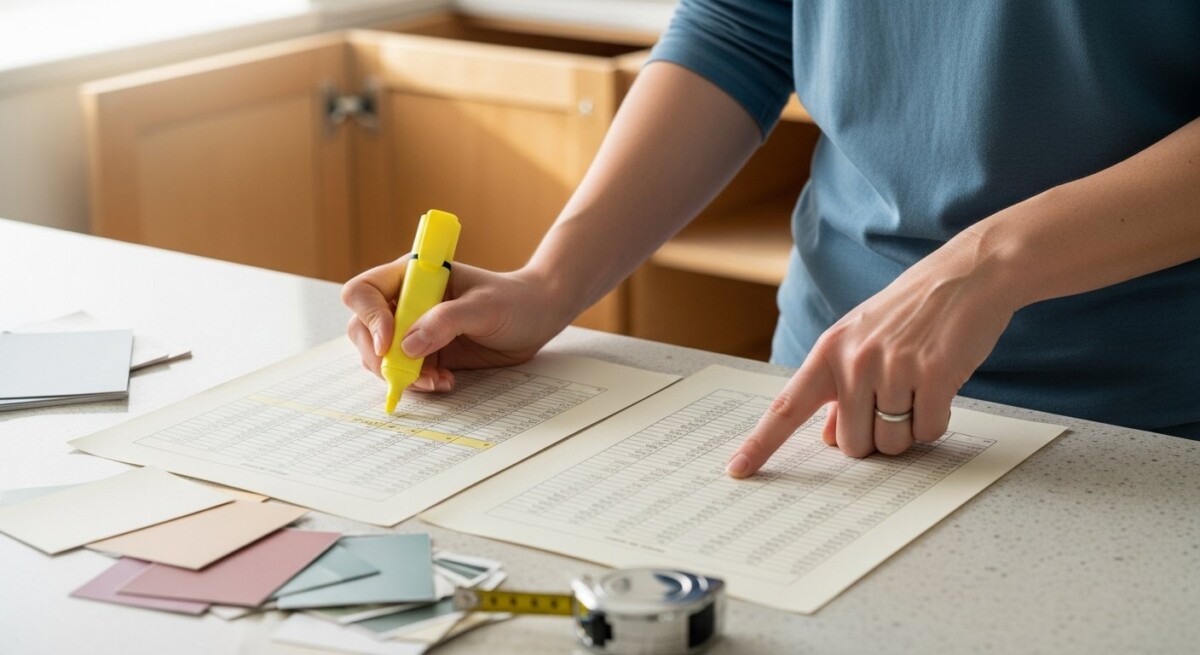
How to Compare Contractor Quotes for Your Home Project
A practical guide for homeowners on how to compare contractor quotes effectively to ensure quality work, fair pricing, and a successful home project.
How to Compare Contractor Quotes for Your Home Project
A practical guide for homeowners on how to compare contractor quotes, ensuring you choose the right professional for your repair or remodel.
Find a Pro!
"*" indicates required fields