
How to Compare Contractor Estimates for Homeowners
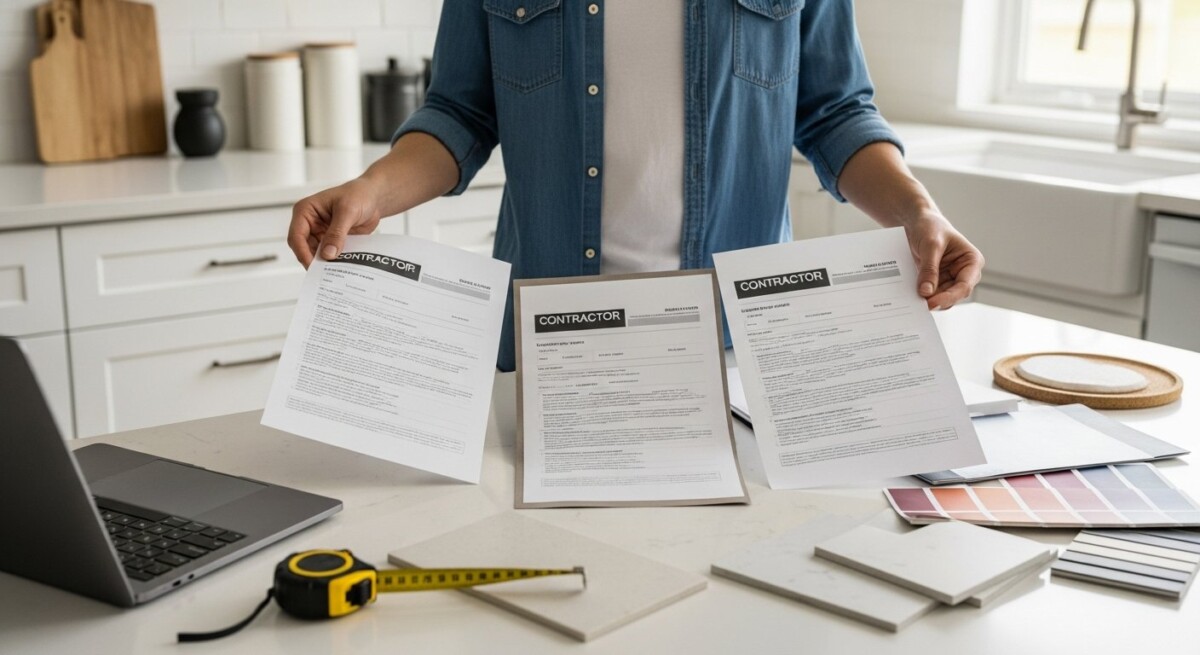
You’ve finally decided to tackle that kitchen remodel or replace that worn-out roof. You call a few contractors, and soon, three different estimates land in your inbox. One is surprisingly low, another is detailed but expensive, and the third is somewhere in the middle but vague. Your heart sinks a little. How do you possibly choose? Comparing contractor estimates isn’t just about picking the lowest number; it’s about understanding what you’re really paying for and ensuring your home project is done right.
Understanding How to Compare Contractor Estimates
Comparing contractor estimates is the process of evaluating multiple bids for a home project to make an informed hiring decision. It goes far beyond just looking at the bottom-line price. A true comparison involves dissecting each document to understand the scope of work, materials, timeline, and the contractor’s qualifications.
This step is crucial because an estimate is a promise. It outlines what will be done, how, and for how much. When estimates vary wildly, it’s often a sign that contractors are interpreting your project differently. Learning to compare them effectively protects your investment and your home.
Why This Matters for Your Home
Choosing a contractor based solely on price can lead to significant problems. The lowest bid might use subpar materials, cut corners, or exclude essential steps. This can result in repairs that fail prematurely, leaving you to pay for the same job twice.
More importantly, poor workmanship can compromise your home’s safety and structural integrity. A faulty electrical update or a poorly installed roof can lead to fire hazards or water damage. A thorough comparison helps you identify the contractor who offers the best value,quality, reliability, and fair pricing,for long-term peace of mind.
If you notice signs of this issue in your home, it may help to speak with a qualified contractor. Request a free quote or call to explore your repair or remodeling options.
Common Problems Homeowners Experience
When estimates are unclear or incomplete, homeowners often face frustrating and costly surprises. The project might start only to discover “unforeseen” issues that drastically increase the final bill. Other times, the work is completed, but problems appear months later because a critical step was omitted.
These experiences usually stem from a mismatch in expectations. What you assumed was included might not be in the contractor’s plan. Without a detailed, apples-to-apples comparison, you’re essentially guessing which contractor will deliver the result you envision.
- Hidden costs and surprise change orders mid-project.
- Vague descriptions that don’t specify brands or grades of materials.
- Missing permits, cleanup, or disposal fees.
- Unrealistically short or undefined project timelines.
- Lack of clarity on who supplies specific materials (owner or contractor).
- Work that doesn’t meet building codes, leading to failed inspections.
How Professionals Solve the Problem
A reputable contractor provides a clear, detailed estimate that serves as a roadmap for your project. They take the time to understand your goals and assess the existing conditions of your home. This upfront diligence allows them to create a comprehensive plan and a realistic price.
Their process minimizes guesswork and prevents most surprises. By documenting every aspect, they create accountability for both parties. You know exactly what to expect, and they have a clear guide to follow. This professional approach is why a detailed estimate, even if it’s not the cheapest, often represents the best value.
- Initial Consultation: They listen to your needs and inspect the project area to identify potential challenges.
- Detailed Scope of Work: They draft a precise list of every task, from demolition to final cleanup.
- Material Specification: They list the exact products, brands, colors, and quantities to be used.
- Labor & Timeline: They outline the crew, work schedule, and a projected completion date.
- Clear Pricing: They break down costs by labor, materials, permits, and other fees, so nothing is hidden.
A professional inspection can reveal hidden issues before they become expensive repairs. Compare contractor quotes here or call to discuss your project.
Warning Signs You Should Not Ignore
Some estimates are red flags in disguise. If a contractor pressures you to sign immediately with a “today-only” discount or is hesitant to put details in writing, proceed with caution. These tactics often indicate a lack of professionalism or an intent to use low-quality work.
Ignoring these warning signs can lock you into a stressful and expensive situation. It’s much harder to resolve disputes after work has begun. Trust your instincts,if an estimate feels off or a contractor seems evasive, it’s a sign to keep looking.
- The estimate is a single, round number with no line-item breakdown.
- The contractor asks for a large cash deposit or full payment upfront.
- They are not licensed, insured, or willing to provide references.
- The price seems too good to be true compared to other bids.
- Vague language like “includes all necessary work” without specifics.
- No mention of who obtains building permits or handles inspections.
What Affects the Cost of Repairs or Installation
Understanding cost factors demystifies why estimates differ. A major variable is the scope. One contractor might plan to replace only damaged sections, while another recommends a full system replacement for longevity. The materials chosen also have a huge impact,builder-grade cabinets cost far less than custom solid wood.
Labor intensity and accessibility matter, too. A roof on a simple, single-story home is less expensive than on a steep, multi-story one. The age of your home can introduce surprises like outdated wiring or plumbing that need upgrading to meet code, which a thorough contractor will factor in.
Costs can vary depending on the condition of your home. The best way to know the price is to get a personalized estimate. Request free quotes from contractors or call today.
How to Choose the Right Contractor
After comparing estimates, your decision should balance price, detail, and rapport. The right contractor makes you feel confident and heard. They answer questions patiently and provide clear explanations for their recommendations. This relationship is key, as they will be in your home for days or weeks.
Your final choice should be the contractor who provided the most thorough and transparent estimate, not necessarily the lowest bid. This document reflects their professionalism and approach to the job. For a deeper dive into evaluating these documents, our guide on understanding contractor estimates breaks down each section.
- Verify their license and insurance for your state.
- Read online reviews and ask for past client references.
- Ensure the estimate is detailed, specific, and includes a payment schedule.
- Compare at least three detailed quotes for the same project scope.
- Ask about their experience with projects similar to yours in size and style.
Long-Term Benefits of Professional Work
Investing in a professional contractor pays dividends for years. Quality workmanship ensures the repair or renovation is safe, durable, and built to code. This protects your family and prevents minor issues from escalating into major, costly damage down the road.
Furthermore, professional work enhances your home’s efficiency and value. A properly installed roof or HVAC system lowers energy bills. A well-executed kitchen or bathroom remodel significantly boosts resale value. It’s an investment that improves your daily life while safeguarding your financial future. To streamline the initial search, you can explore options to get fast contractor estimates online and connect with local professionals.
How many contractor estimates should I get?
It’s generally recommended to get at least three detailed estimates. This gives you a good range for comparison and helps you understand the fair market price for your project. Getting more than five can become overwhelming and time-consuming.
What’s the difference between an estimate and a quote?
An estimate is an educated guess of the project cost and can change. A quote (or bid) is typically a fixed price for the defined scope of work. Always clarify which you are receiving and ask for a fixed-price quote before signing a contract.
Should I always choose the lowest estimate?
Not necessarily. The lowest price might mean lower-quality materials, less experienced labor, or missing items that will be added later as costly change orders. The goal is to find the best value, which balances fair price with quality, reliability, and a clear scope.
What questions should I ask a contractor during the estimate?
Ask about their timeline, who will be on-site daily, how they handle unexpected issues, their cleanup process, and the warranty on both materials and labor. Their answers will reveal their professionalism and communication style.
What should a good contractor estimate include?
A good estimate includes contractor contact info, a detailed scope of work, specific materials list, labor costs, total price, payment schedule, start/end dates, and information on licenses, insurance, and warranties. For a side-by-side analysis, reviewing how to compare contractor quotes can be very helpful.
Is a verbal estimate binding?
No, a verbal estimate is not binding and offers you no protection. Always insist on a written, detailed estimate and a subsequent formal contract before any work begins or money changes hands.
How long is a contractor estimate valid?
Estimates are typically valid for 30 to 90 days, as material prices can fluctuate. The validity period should be stated on the estimate itself. If you delay your project, you may need to request an updated estimate.
What red flags should I look for in an estimate?
Major red flags include a very low-ball price, a large upfront deposit demand, lack of detail, pressure to sign immediately, no company letterhead, and refusal to provide a written contract or proof of insurance.
Taking the time to compare contractor estimates carefully is one of the most important steps in any home project. It transforms a confusing stack of papers into a clear path forward. By focusing on detail and value over just the bottom line, you protect your home, your budget, and your peace of mind. Start by gathering a few detailed quotes,it’s the first smart step toward a successful renovation or repair.

About
How to Compare Contractor Estimates for Homeowners
A practical guide for homeowners on how to compare contractor estimates, avoid pitfalls, and choose the right professional for your home project.

How Contractor Estimates Work: A Homeowner’s Guide
A clear guide on how contractor estimates work, helping homeowners understand costs, compare quotes fairly, and choose the right professional for their project.
How Contractors Price Home Projects: A Homeowner’s Guide
A clear guide to how contractors price home projects, helping homeowners understand quotes, avoid hidden costs, and choose the right professional for quality work.
Find a Pro!
"*" indicates required fields