
How to Choose the Right Contractor for Your Home Project

You’ve finally decided to tackle that kitchen renovation or fix that persistent leak. You’ve done your research, talked to a few friends, and now you have three different contractors offering three different plans and prices. Standing in your kitchen with these proposals, you feel a familiar knot of anxiety. How do you know who is trustworthy? Who will do the job right, on time, and for a fair price? Choosing the wrong contractor can turn your dream project into a costly, stressful nightmare, leading to delays, shoddy work, and even more damage to your home.
Understanding How to Choose Between Contractors
Choosing a contractor is more than just picking the lowest bid. It’s a process of vetting professionals to find the right partner for your specific home project. This decision impacts your daily life, your home’s safety, and your financial investment.
It involves comparing not just costs, but also experience, communication style, and proposed solutions. Every home and project is unique, so the “best” contractor is the one whose skills and approach align perfectly with your needs.
Why This Matters for Your Home
Your home is your largest investment and your sanctuary. The quality of work done on it directly affects its value, safety, and your family’s comfort. A poor contractor choice can compromise the structural integrity of an addition, create fire or water damage hazards with faulty electrical or plumbing work, and drastically reduce your property’s resale value.
Conversely, the right contractor protects that investment. They ensure work is permitted and up to code, use quality materials, and provide warranties. This peace of mind is invaluable, knowing the job was done correctly and will last for years to come.
If you notice signs of this issue in your home, it may help to speak with a qualified contractor. Request a free quote or call to explore your repair or remodeling options.
Common Problems Homeowners Experience
Many homeowners rush the selection process, leading to frustrating and expensive outcomes. The most common issues stem from a lack of clear communication, undefined expectations, and inadequate vetting.
These problems often surface mid-project, when it’s most difficult and costly to make a change. You might discover the work isn’t progressing as promised, the final price is ballooning far beyond the estimate, or the quality of materials is subpar.
- Massive cost overruns due to vague initial estimates.
- Endless project delays that disrupt your family’s life.
- Poor craftsmanship that requires rework or fails soon after completion.
- Disappearing contractors who stop communicating or showing up.
- Unpermitted work that causes issues during a future home sale.
- Damage to other parts of your home due to careless work practices.
How Professionals Solve the Problem
A true professional contractor manages the entire process, turning your vision into a reality with minimal stress on you. They act as the project manager, coordinating subcontractors, securing permits, and solving problems before they affect your timeline or budget.
Their experience allows them to foresee challenges you might not consider, like structural issues behind a wall or wiring that needs updating to meet code. They follow a systematic process to ensure quality and accountability from start to finish.
- Initial Consultation & Detailed Estimate: They listen to your goals, assess the space, and provide a clear, written scope of work and price.
- Planning & Permitting: They create detailed plans, pull necessary permits from the local municipality, and schedule materials and labor.
- Clear Communication: They establish a primary point of contact and provide regular updates on progress and any unforeseen issues.
- Quality Execution: Skilled tradespeople perform the work to industry standards, with the contractor overseeing quality control.
- Final Walkthrough & Warranty: They review the completed work with you, ensure your satisfaction, and provide warranties on labor and materials.
A professional inspection can reveal hidden issues before they become expensive repairs. Compare contractor quotes here or call to discuss your project.
Warning Signs You Should Not Ignore
During your search, certain red flags can help you eliminate poor candidates quickly. Trust your instincts,if something feels off during your initial meetings, it likely won’t improve once the project starts.
Paying attention to these early warnings can save you from a major headache. A contractor who is difficult to reach for a quote will likely be impossible to reach when there’s a problem on the job.
- They demand a large cash deposit or full payment upfront before any work begins.
- They are reluctant to put anything in writing or provide a detailed, itemized estimate.
- They don’t have a physical business address or verifiable insurance and licensing.
- They pressure you to make a quick decision, often with a “today-only” discount.
- They suggest skipping permits to “save you money and time.”
- They have no online presence or portfolio, or their references don’t check out.
What Affects the Cost of Repairs or Installation
Understanding what goes into a contractor’s quote helps you compare apples to apples. The lowest price isn’t always a bargain if it cuts corners on materials, labor, or necessary steps.
Costs are influenced by the project’s complexity, the quality of materials you select, and regional labor rates. A full guide on choosing between multiple contractors can help you decode estimates. For example, a bathroom remodel’s price changes drastically if you move plumbing lines versus keeping fixtures in the same location.
Costs can vary depending on the condition of your home. The best way to know the price is to get a personalized estimate. Request free quotes from contractors or call today.
How to Choose the Right Contractor
The key to a successful project is thorough vetting. Take your time with this step. Start by getting at least three detailed, written estimates for the exact same scope of work.
This allows you to compare not just the bottom line, but how each contractor approaches the job, what materials they include, and how they structure payment. It’s your best defense against surprises.
- Verify Credentials: Check for a valid state license and general liability insurance. Ask for proof.
- Check Reviews & References: Read online reviews on multiple platforms and actually call 2-3 past clients. Ask about cleanliness, communication, and if they’d hire them again.
- Review the Contract Meticulously: It should include the project timeline, payment schedule, specific materials (brand, model, color), and a process for handling change orders.
- Assess Communication: Choose someone who listens, answers questions clearly, and makes you feel comfortable. This is crucial for a multi-week partnership.
- Compare the Full Proposal: Look beyond price. Consider the proposed timeline, warranty terms, and the contractor’s specific experience with projects like yours. Understanding how to evaluate multiple bids is an essential skill for any homeowner.
Long-Term Benefits of Professional Work
Investing time in choosing the right professional pays dividends long after the project is complete. Quality workmanship stands the test of time, requiring less maintenance and repair down the road.
It also enhances your enjoyment of your home. A well-executed remodel improves functionality and aesthetics, while proper repairs ensure systems operate safely and efficiently. This care directly translates to a higher appraised value when it’s time to sell, as buyers recognize and pay for quality.
How many contractors should I get quotes from?
Aim for at least three detailed quotes. This gives you a good range for comparison on price, approach, and professionalism. Getting fewer might not show you the full market rate, while getting many more can become overwhelming and time-consuming to manage.
What questions should I ask a contractor during an interview?
Ask how long they’ve been in business, if they will pull permits, who their crew/subcontractors are, what their daily cleanup process is, and for a list of recent references. Also, ask how they handle unexpected issues or changes once work begins.
Is the lowest bid always the best choice?
Not usually. A bid significantly lower than others may indicate the contractor has misunderstood the scope, plans to use inferior materials, or is desperate for work. Always question why a bid is much lower and ensure you are comparing identical scopes of work.
What should be included in a contractor’s contract?
A solid contract includes the contractor’s contact info and license number, a detailed description of work, materials list (brand, quantity, model), start and completion dates, total price, payment schedule, warranty information, and a process for handling change orders.
Should I pay a deposit upfront?
A reasonable deposit (often 10-30% of the total cost) to secure the job and order materials is standard. Be wary of any contractor who demands 50% or more upfront. Payments should be tied to completed project milestones, not calendar dates.
How do I handle disagreements or problems during the project?
Communication is key. Address concerns immediately with the project lead or contractor. A clear contract with a change order process helps manage disagreements about scope or cost. For major disputes, your state’s contractor licensing board can be a resource. Knowing your rights and responsibilities when hiring a contractor provides a strong foundation.
What’s the difference between an estimate and a quote?
An estimate is a rough, non-binding approximation of cost. A quote (or bid) is a fixed-price offer to do the work specified for a set amount. For comparing contractors, you want fixed-price quotes based on the same detailed project plans.
How long does a typical home renovation project take?
Timelines vary wildly by project size. A bathroom might take 2-4 weeks, while a full kitchen remodel could take 8-12 weeks. Your contractor should provide a projected schedule, but always build in a buffer for unexpected delays like material shortages or hidden structural issues.
Taking the time to carefully choose your contractor is one of the most important steps in any home project. It’s an investment in peace of mind, quality, and the long-term value of your home. By following a diligent vetting process and comparing multiple detailed quotes, you can confidently select a professional who will deliver results you’ll love for years to come. Start by reaching out to a few qualified local contractors to discuss your vision.

About Eric Andrew

Secure Home Service Quote Platforms: Compare Contractors Safely
Learn how a secure home service quote platform helps homeowners compare vetted contractors, get free estimates, and avoid costly repair surprises.
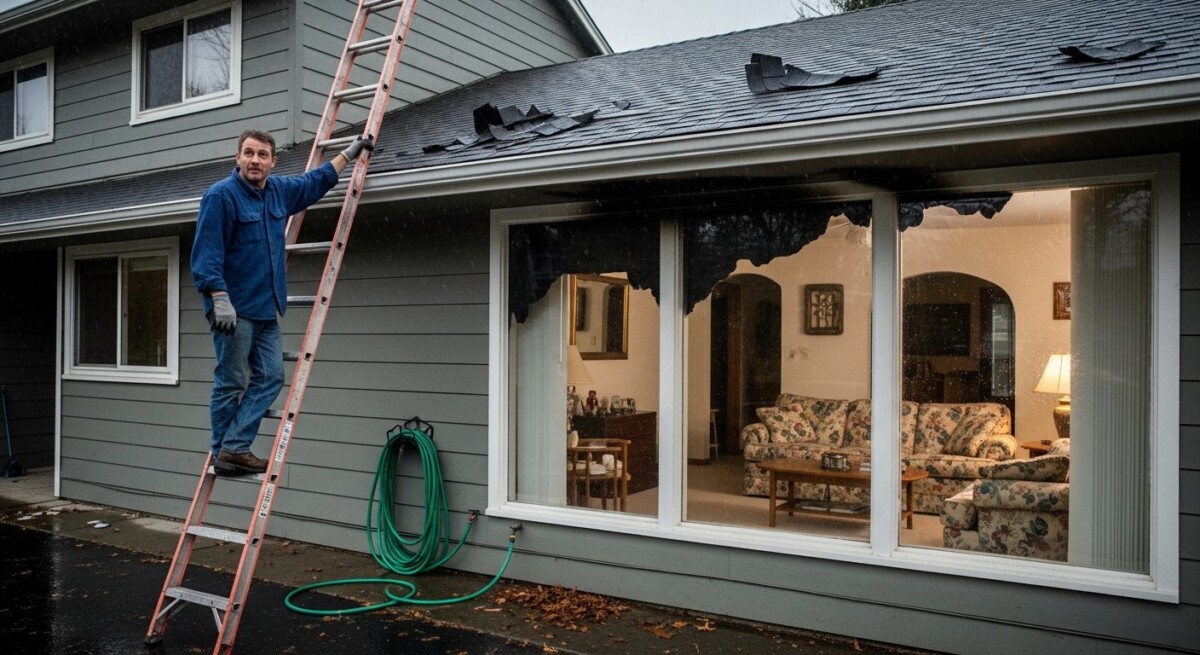
How to Get a Roof Repair Quote: A Homeowner’s Guide
Learn how to request a roof repair quote, spot warning signs, compare contractor options, and protect your home from costly damage with professional help.
Average Cost for Home Addition: What Homeowners Need to Know
Learn the average cost for home addition, what affects pricing, and how to budget wisely. Get tips on choosing contractors and avoiding costly mistakes.
Find a Pro!
"*" indicates required fields