
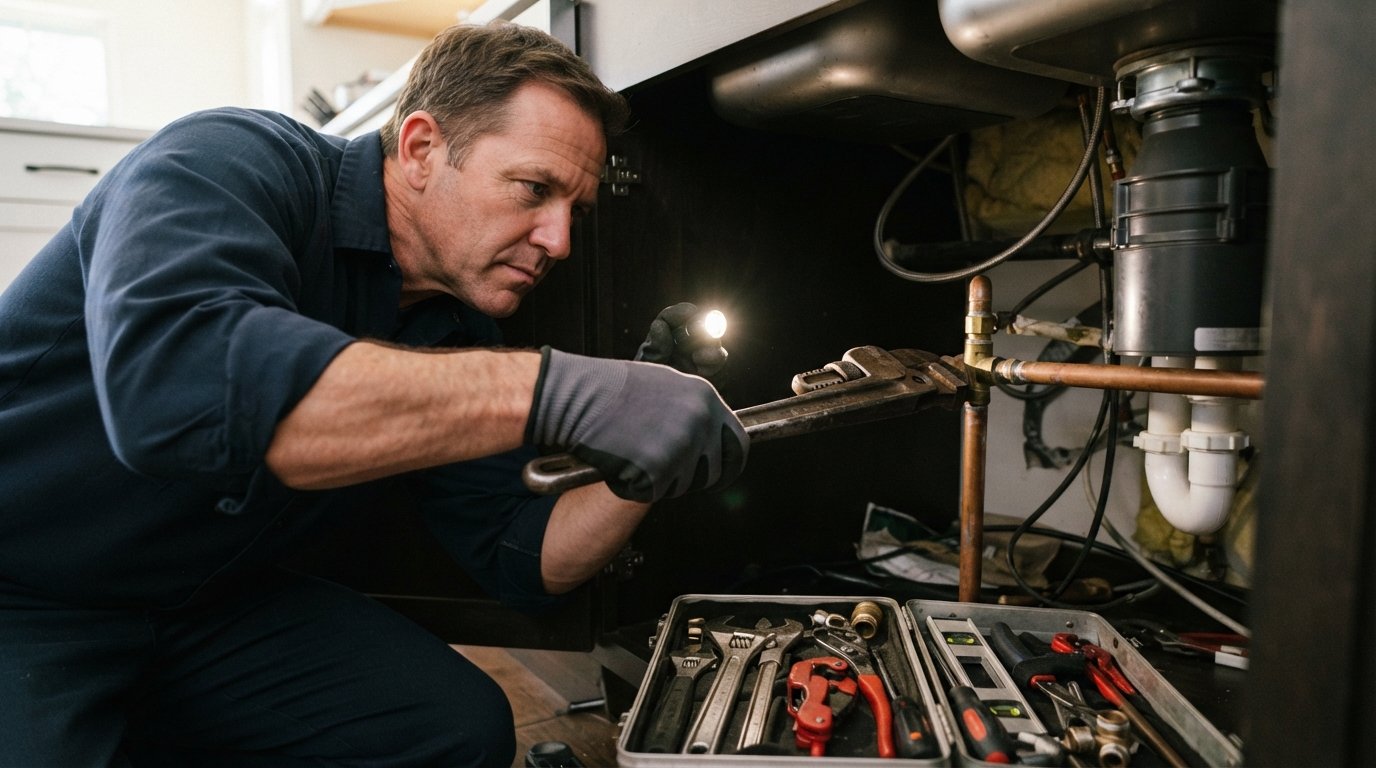
How to Choose Plumbing Contractors for Home Repairs
Learn how to vet, compare, and hire reliable plumbing contractors for your home repairs, saving time and avoiding costly mistakes.

By Margaret Sheridan
Learn more about Emergency Plumbing for guides, costs, and what to expect.
Compare Emergency Plumbing Pros Near You

Enter your ZIP code to compare top-rated local professionals and request free quotes.
When a pipe bursts or a drain clogs, the first name you search for is often "plumbing contractors near me." But finding a licensed professional who delivers quality work at a fair price is harder than it sounds. Many homeowners end up with surprise bills, unfinished jobs, or code violations because they skipped the vetting process. This guide walks you through every step of selecting and working with plumbing contractors, from verifying credentials to comparing quotes, so you can protect your home and your budget.
Why Professional Plumbing Contractors Matter
Plumbing systems are complex networks of pipes, valves, and fixtures that require precise installation and repair. A minor mistake can lead to water damage, mold growth, or even structural issues. Professional plumbing contractors bring the training, tools, and experience to handle everything from slab leaks to sewer line replacements. They also carry liability insurance and worker's compensation, which protects you if something goes wrong on the job.
Attempting a DIY fix or hiring an unlicensed handyman might save money upfront, but it often costs more in the long run. Faulty workmanship can void your home insurance policy or fail a municipal inspection. When you sell your home, unpermitted work can also delay the sale. Licensed contractors follow local building codes and pull the necessary permits, ensuring the work is safe and legal.
Licensing, Insurance, and Credentials
Before you call any plumber, verify that they hold the required state or local license. Most states require plumbers to pass an exam and complete apprenticeships. You can check your state's licensing board website to confirm a contractor's status. A valid license indicates that the plumber has met minimum competency standards.
Insurance is equally critical. Ask for proof of general liability insurance and worker's compensation. General liability covers damage to your property, while worker's comp covers injuries to the crew. If a contractor lacks these policies, you could be held financially responsible for an accident on your property. Also, ask about bonds, which protect you if the contractor fails to complete the job or pay subcontractors.
How to Verify Credentials Quickly
Most state licensing boards offer online lookup tools. You can also check the Better Business Bureau for complaints and ratings. For larger projects, consider verifying the contractor's trade association memberships, such as the Plumbing-Heating-Cooling Contractors Association. These memberships often require adherence to a code of ethics.
What to Look for in a Plumbing Contractor
Beyond licenses and insurance, you want a contractor who communicates clearly and gives straight answers. During the initial call, pay attention to how they respond to your questions. Do they explain the repair process in plain language? Are they transparent about pricing? Red flags include vague timelines, high-pressure sales tactics, or refusal to provide a written estimate.
Experience matters, especially for complex systems like tankless water heaters or radiant floor heating. Ask how long the company has been in business and whether they have worked on similar homes in your area. Local contractors understand regional plumbing codes and common issues, such as hard water or freeze-prone pipes.
Getting Multiple Quotes: A Step-by-Step Guide
Comparing quotes from at least three plumbing contractors gives you a realistic range of prices and helps you spot outliers. Here is a simple process to follow:
- Describe your plumbing issue in detail to each contractor, including any symptoms, age of fixtures, and photos if possible.
- Request a written, itemized estimate that breaks down labor, materials, and permit fees.
- Ask each contractor for a timeline, including start date and estimated completion.
- Confirm that the quote is a fixed price or a not-to-exceed amount, rather than an hourly rate.
- Check references from the last three similar jobs, and ask about cleanup and warranty.
After you gather quotes, compare them side by side. The lowest bid is not always the best value. A slightly higher quote might include better materials, a longer warranty, or faster turnaround. Use the quotes to negotiate, but never pressure a contractor to match a price if it means cutting corners.
Warning Signs and Red Flags
Some contractors use unethical tactics to inflate costs or rush you into a decision. Be wary of anyone who demands a large deposit before work begins, typically more than 10 to 20 percent of the total. In many states, there are legal limits on upfront payments. Also, avoid contractors who ask you to pay in cash, refuse to provide a contract, or show up without proper identification.
Another red flag is a plumber who recommends a full system replacement when a repair would suffice. Get a second opinion if a contractor suggests a costly upgrade without explaining why the repair is not viable. Trust your instincts: if a contractor pressures you or makes you feel uncomfortable, walk away.
Contracts, Permits, and Warranty
A written contract protects both you and the contractor. It should include the full scope of work, detailed cost breakdown, payment schedule, start and completion dates, and warranty terms. Read every clause before signing, and ask questions about anything unclear. If a contractor refuses to put the agreement in writing, find someone else.
For any plumbing work that involves structural changes, water lines, or sewer connections, a permit is usually required. Your contractor should pull the permit and schedule inspections. Ask to see the permit and the inspection reports. This documentation is valuable if you sell your home later.
Warranties vary by contractor and manufacturer. Some offer a one-year labor warranty, while others provide five-year or even lifetime guarantees on parts. Confirm what the warranty covers, whether it includes labor, and how to file a claim. Keep all receipts and warranty documents in your home file.
Average Costs and How to Budget
Plumbing rates vary widely depending on your location, the complexity of the job, and the contractor's overhead. On average, hiring a plumber costs between $175 and $450 per hour, including travel and materials. Simple repairs like a leaky faucet might run $150 to $350, while a water heater replacement can cost $800 to $1,500. Major projects like repiping a house can exceed $5,000.
To avoid surprises, ask for a detailed estimate that separates materials and labor. Also, ask about potential additional charges, such as emergency fees, after-hours rates, or trip charges. Some contractors charge a diagnostic fee that is waived if you hire them for the repair. Confirm this before scheduling a visit.
For budgeting, set aside 10 to 20 percent more than the highest quote you receive. This cushion covers unforeseen issues like hidden leaks or outdated pipe materials. If the job requires a permit, include that cost in your budget as well.
Questions to Ask Before Hiring
Narrowing down your list of plumbing contractors is easier when you ask the right questions. Here are a few that reveal a contractor's professionalism:
- How long have you been in business, and how many projects like mine have you completed?
- Can you provide a written, itemized quote within 24 hours?
- Will you pull the required permits and schedule inspections?
- What kind of warranty do you offer on parts and labor?
- Do you have references from recent jobs in this neighborhood?
Listen to how the contractor answers. A confident professional will provide clear answers and documentation. If they hesitate or give vague responses, that is a sign they may not be reliable.
Working With Your Contractor During the Project
Once you hire a plumbing contractor, establish clear communication from day one. Confirm the start date, work hours, and how you will be updated on progress. Keep a clear path to the work area and secure any valuables. If you have questions during the job, ask them directly and take notes.
Be present during the final inspection and walkthrough. Test all fixtures, check for leaks, and ask the contractor to explain any maintenance you should perform. Do not make the final payment until you are satisfied with the work and have received all warranties and permits. If issues arise later, a written contract and warranty give you recourse.
When to Call an Emergency Plumber
Some plumbing issues cannot wait for a regular appointment. A burst pipe, sewage backup, or gas leak requires immediate attention. Emergency plumbing services often charge a premium, sometimes double the standard hourly rate. Still, the cost of water damage far exceeds the surcharge. If you face a plumbing emergency, turn off the main water valve and call a licensed contractor right away.
Before you pick up the phone, check if the contractor offers 24/7 service. Many plumbing companies have on-call technicians. Ask about their response time and whether they charge a flat emergency fee. Keep the contact information of a trusted plumber in your phone and near your main water shutoff valve.
Using Online Resources to Find and Vet Contractors
Online directories and review sites can help you create a shortlist of plumbing contractors. Look for patterns in reviews rather than a single negative comment. A contractor with dozens of positive reviews and a few minor complaints is usually safer than one with no reviews at all. Cross-check reviews on multiple platforms, such as Google, Yelp, and the Better Business Bureau.
ContractorHomeQuotes simplifies this process by connecting you with pre-screened, licensed local contractors for free. You submit a request with your project details, and the platform matches you with up to three qualified professionals. This saves you hours of research while ensuring you receive competitive, no-obligation quotes from vetted experts.
When you receive quotes through the platform, review them carefully. Confirm that each contractor has the required licenses and insurance, and ask for references just as you would with any other lead. The platform does not guarantee pricing, but it streamlines the vetting process so you can compare apples to apples.
Maintaining Your Plumbing System
After your repairs are complete, regular maintenance prevents future issues. Schedule annual inspections of your water heater, sump pump, and visible pipes. Clean drains monthly with baking soda and vinegar to prevent clogs. Avoid pouring grease or coffee grounds down the sink, and install strainers to catch hair and debris.
Small leaks should be fixed promptly. Even a slow drip wastes water and can cause mold or rot. If you notice low water pressure, discolored water, or unusual noises, call a plumbing contractor for a diagnostic check. Early intervention is almost always cheaper than a major repair.
Final Thoughts on Hiring Plumbing Contractors
Choosing the right plumbing contractor is about more than finding the lowest bid. It requires verifying credentials, comparing written quotes, and trusting your judgment. A licensed, insured professional who communicates clearly and stands behind their work is worth the extra investment. Take your time during the vetting process, and do not hesitate to ask hard questions.
By following the steps in this guide, you can avoid common pitfalls and ensure your plumbing project is completed safely and within budget. Whether you need a simple faucet repair or a full repipe, a qualified contractor will protect your home and your peace of mind. Start your search today by requesting free quotes from trusted professionals in your area.