
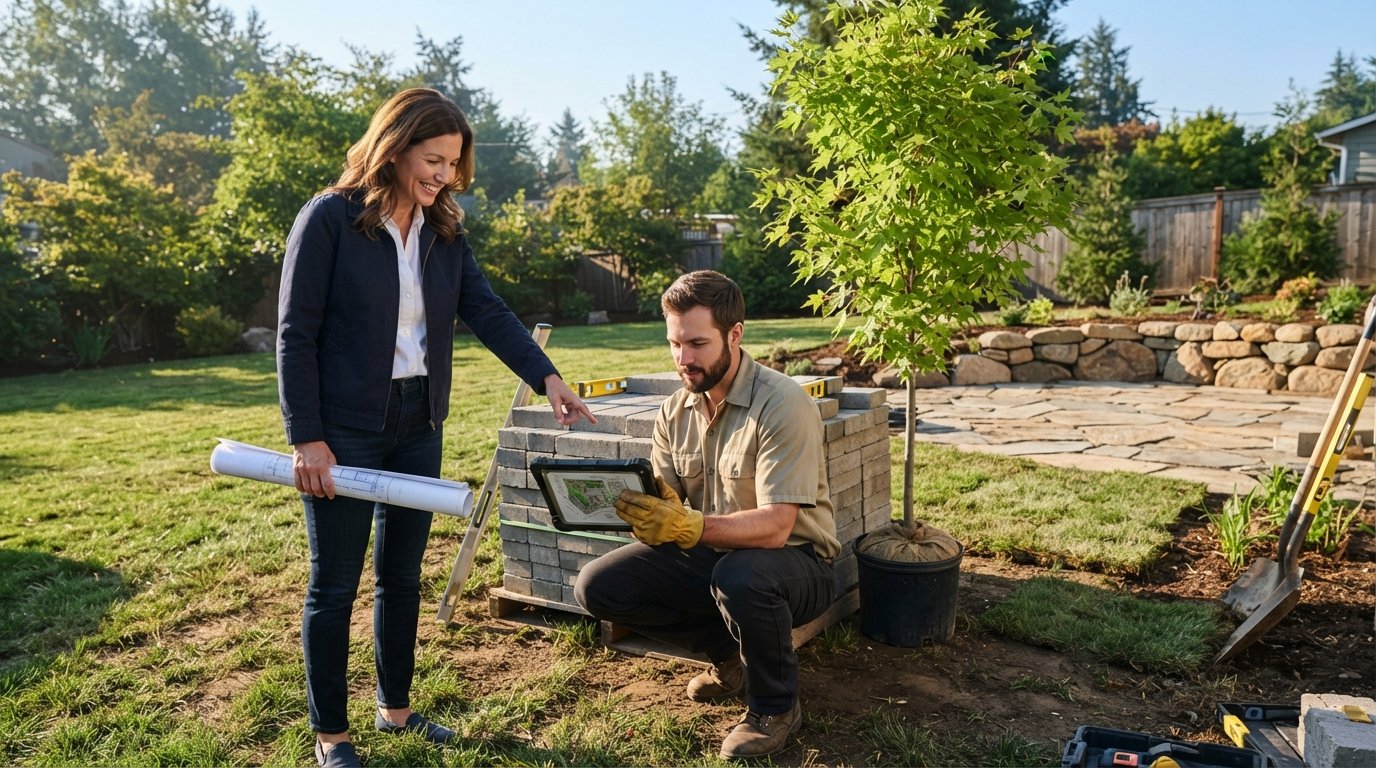
How to Choose Landscaping Contractors: A Homeowner Guide
Learn how to select landscaping contractors with confidence. Get tips on vetting, quotes, contracts, and budgeting for a successful project.

By Eric Andrew
Learn more about Outdoor Landscaping and Design for guides, costs, and what to expect.
Compare Outdoor Landscaping and Design Pros Near You

Enter your ZIP code to compare top-rated local professionals and request free quotes.
Your outdoor space is an extension of your home, a place for relaxation, entertainment, and curb appeal. But transforming a patchy lawn or a bare backyard into a beautiful landscape requires more than just a green thumb; it often demands professional expertise. Hiring the right landscaping contractor can mean the difference between a thriving outdoor oasis and a costly, disappointing project. This guide provides a clear, step-by-step approach to vetting, selecting, and working with landscaping contractors, ensuring your project stays on track and within budget.
Defining Your Landscaping Project Scope
Before you even begin searching for landscaping contractors, you need to have a clear vision of what you want to achieve. Are you looking for a complete landscape design and installation, or do you need specific services like hardscaping, irrigation, or regular maintenance? The scope of your project will determine the type of contractor you need. A design-build firm handles both the creative and construction aspects, while a specialized contractor might focus solely on patios, retaining walls, or sod installation.
Take the time to sketch out your ideas, gather inspiration from websites or magazines, and make a list of must-haves versus nice-to-haves. Consider practical factors such as drainage, sunlight exposure, and how you intend to use the space. This preparation not only helps you communicate your vision effectively but also allows contractors to provide more accurate quotes. A well-defined project scope is the foundation of a successful partnership and prevents misunderstandings down the line.
Where to Find Qualified Landscaping Contractors
Finding qualified landscaping contractors involves more than a quick online search. While search engines and review sites are good starting points, you should also tap into local networks. Ask neighbors, friends, or family for recommendations; word-of-mouth referrals are often the most reliable. Your local garden center or nursery can also be a valuable resource, as they frequently work with reputable landscaping professionals.
Another effective method is to use a lead-generation service like ContractorHomeQuotes. These platforms connect homeowners with pre-screened, licensed local contractors who specialize in landscaping and hardscaping. By submitting one request, you can receive up to three no-obligation quotes from qualified professionals. This not only saves you time but also ensures you are comparing bids from vetted businesses. When you receive quotes, you can then focus on evaluating the details of each proposal rather than worrying about the legitimacy of the contractors.
Questions to Ask Potential Contractors
Once you have a list of potential candidates, it is time to conduct interviews. Treat these conversations as a two-way street; you are evaluating them as much as they are evaluating your project. Prepare a list of questions that go beyond the basic cost estimate. Here are some critical ones to ask:
- Are you licensed and insured? Can you provide proof of both general liability and workers' compensation insurance?
- How long have you been in business, and can you provide references from similar projects in the area?
- Will you provide a detailed written contract that includes a timeline, payment schedule, and specific materials to be used?
- How do you handle unexpected issues, such as poor soil conditions or discovering underground utilities?
- Do you offer a warranty on your workmanship and the plants you install?
These questions help you gauge the professionalism and reliability of the contractor. A reputable professional will be happy to provide references and documentation. Be cautious of anyone who hesitates or gives vague answers. Checking references is just as important as asking questions; contact past clients to ask about their experience, the quality of work, and whether the project came in on time and within budget.
Comparing Quotes and Proposals
After interviewing several landscaping contractors, you should request a detailed written estimate from each one. Be wary of quotes that are significantly lower than the others; this can indicate the use of inferior materials, cutting corners, or a lack of proper insurance. Similarly, an excessively high quote does not always guarantee superior quality. The goal is to find a fair price that aligns with the scope of work and the contractor's reputation.
When comparing proposals, look beyond the bottom line. Check that each quote includes the same specifications: the type and grade of plants, the depth of topsoil, the quality of hardscaping materials, and the cleanup process. A detailed breakdown of labor and material costs is a good sign, as it shows transparency. If one quote is vague, ask for clarification. Remember, the cheapest option is not always the best value. Consider the contractor's experience, their communication style, and the overall impression they made during the interview. A slightly higher price may be worth it for peace of mind and superior craftsmanship.
Understanding Contracts and Timelines
Once you have selected a landscaping contractor, the next step is to sign a contract. This document is your protection, and it should be as detailed as possible. It must include the full scope of work, a clear description of materials (including plant species, sizes, and hardscape finishes), the total cost, a payment schedule, and a projected start and completion date. Ensure the contract also addresses how change orders will be handled, as modifications often arise during a project. Any change should be documented in writing and signed by both parties to avoid disputes over costs.
Timelines are equally important. A reputable contractor will provide a realistic schedule, but they should also account for potential delays due to weather or unforeseen site conditions. Discuss the timeline in detail and make sure you understand what happens if the work is not completed on time. A good contract will include a clause for addressing delays. Also, clarify who is responsible for obtaining any necessary permits. While the contractor typically handles this, it is your responsibility to confirm it is part of the agreement.
Managing the Project and Final Walkthrough
Your role does not end after the contract is signed. Effective project management involves regular communication with the contractor. Establish a point of contact and agree on a schedule for updates. Walk the site with the contractor at the start of each day or week to review progress and address any concerns immediately. This proactive approach helps prevent small issues from becoming major problems.
As the project nears completion, schedule a final walkthrough. Use this time to inspect every detail against the contract specifications. Check that all plants are healthy and correctly placed, hardscaping is level and properly installed, and the site is clean and free of debris. Do not make the final payment until you are completely satisfied with the work. If there are minor issues, list them and agree on a timeline for the contractor to correct them. A professional will be eager to resolve any problems to maintain their reputation.
Budgeting for Your Landscaping Project
Landscaping is an investment, and costs can vary widely depending on the scope and materials. According to industry data, a typical landscape project can range from a few thousand dollars for basic planting and mulch to over $20,000 for a complete redesign with patios, retaining walls, and irrigation systems. It is essential to establish a realistic budget before you start interviewing contractors. Use online cost estimation tools, like those offered by ContractorHomeQuotes, to get a ballpark figure for your specific project type. These tools provide transparent pricing data based on national averages and regional variations.
When setting your budget, remember to include a contingency fund of 10 to 20 percent for unexpected expenses, such as discovering a buried rock or needing to upgrade the irrigation system. Discuss your budget openly with potential contractors and ask for their input on where you can save money without sacrificing quality. For example, they might suggest choosing a less expensive paver material or selecting smaller plants that will grow to fill the space over time. A good contractor will work with you to achieve your vision within your financial constraints.
Investing in professional landscaping not only enhances your enjoyment of your home but also significantly increases its curb appeal and property value. A well-designed and properly installed landscape can yield a return on investment of up to 150 percent, making it one of the most valuable home improvements you can undertake. By following the steps outlined in this guide, you can confidently navigate the process of hiring landscaping contractors, ensuring a beautiful and durable outdoor space that you will enjoy for years to come.
In summary, the key to a successful landscaping project lies in preparation, research, and clear communication. Define your goals, vet contractors thoroughly, compare detailed quotes, and manage the project actively. By leveraging resources like ContractorHomeQuotes to connect with pre-screened professionals, you are already on the path to a stunning landscape. Take the first step today by requesting your free, no-obligation quotes and turning your outdoor vision into reality.