
How to Choose Between Multiple Contractors for Your Home
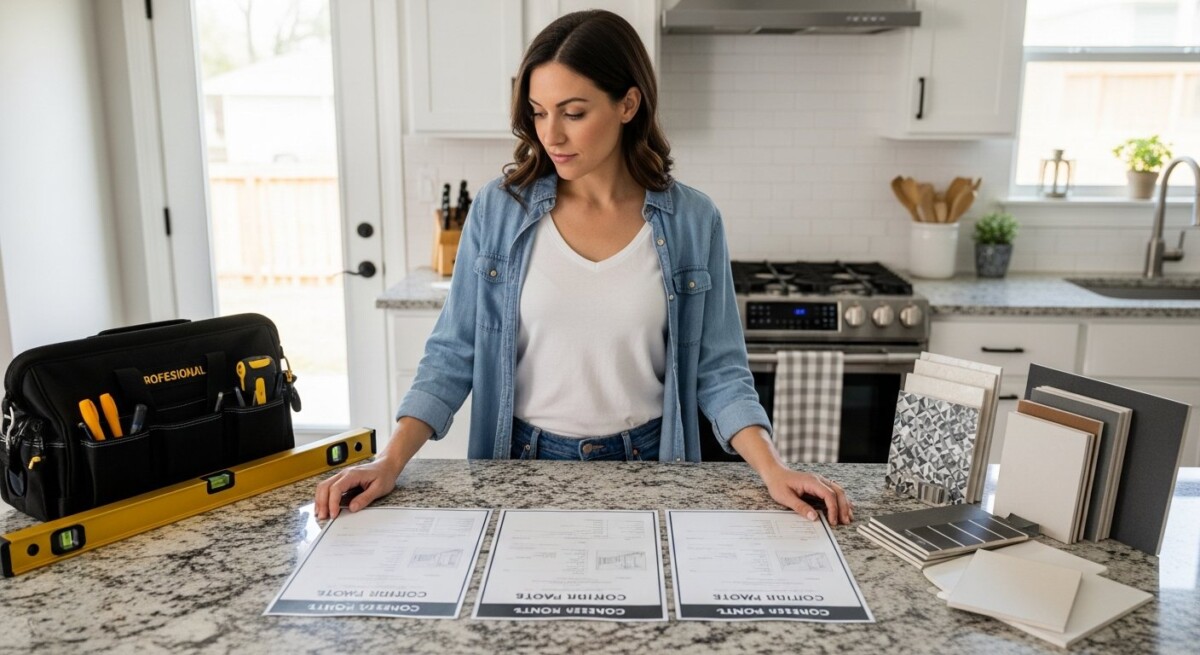
You’ve decided to tackle that home renovation or repair. You’ve done your research, made a few calls, and now you have three different contractors offering three different plans and prices. Instead of feeling confident, you feel overwhelmed. How do you know who is trustworthy, who will do the best work, and who is offering a fair price? Choosing the wrong professional can turn your dream project into a costly, stressful nightmare.
Understanding How to Choose Between Multiple Contractors
Choosing between multiple contractors is the critical final step before starting any home project. It’s more than just picking the lowest bid. It’s about evaluating who will deliver quality, reliability, and value for your specific needs.
This process happens whenever you need professional work, from a small repair to a major remodel. Every homeowner will face this decision, and getting it right protects your investment, your timeline, and your peace of mind.
The Core of a Good Decision
A good choice balances cost, communication, and proven capability. It involves looking beyond the price tag to understand the person and company you’re inviting into your home.
Why This Matters for Your Home
Your home is likely your largest investment. The contractors you hire directly impact its safety, functionality, and value. A poor choice can lead to subpar work that fails soon after completion, leaving you to pay for repairs twice.
More seriously, unqualified work can create hidden safety hazards, like faulty electrical wiring or structural weaknesses. These risks aren’t always visible immediately but can have serious consequences for your family.
If you notice signs of this issue in your home, it may help to speak with a qualified contractor. Request a free quote or call to explore your repair or remodeling options.
Common Problems Homeowners Experience
When the selection process goes wrong, homeowners face a range of frustrating and expensive problems. These issues often stem from rushing the decision or focusing solely on price.
You might end up with a contractor who disappears mid-project, uses inferior materials, or constantly presents unexpected “extra” charges. The stress of managing poor workmanship can overshadow the excitement of your project entirely.
- Unfinished or Abandoned Projects: The contractor starts but fails to complete the work, leaving you with a mess.
- Cost Overruns and Hidden Fees: The final bill is significantly higher than the initial estimate.
- Poor Quality Craftsmanship: The work looks sloppy, doesn’t function properly, or uses cheap materials.
- Missed Deadlines and Poor Communication: The project drags on for months with little progress or updates.
- Lack of Proper Licensing and Insurance: This exposes you to liability if a worker is injured on your property.
- Voided Warranties: Improper installation can void manufacturer warranties on materials like roofing or windows.
How Professionals Solve the Problem
A reputable contractor doesn’t just perform tasks; they manage your project from start to finish. They bring expertise, proper tools, and established relationships with suppliers. This professional approach turns a complex, stressful process into a smooth, predictable experience.
They handle permits, coordinate inspections, and solve unforeseen problems that inevitably arise. Their experience allows them to anticipate challenges and navigate them efficiently, saving you time, money, and headaches.
- Detailed Consultation & Estimate: They listen to your goals, assess the site, and provide a clear, written scope of work and price.
- Planning & Permitting: They secure necessary permits and create a realistic project timeline.
- Quality Execution: Skilled crews perform the work to code and industry standards.
- Project Management: They oversee the daily workflow, material delivery, and subcontractors.
- Final Walkthrough & Follow-up: They ensure your complete satisfaction and often provide warranties on their labor.
A professional inspection can reveal hidden issues before they become expensive repairs. Compare contractor quotes here or call to discuss your project.
Warning Signs You Should Not Ignore
During your search, certain red flags should make you pause. Ignoring these warnings is often the first step toward a bad contractor experience. Trust your instincts,if something feels off during the estimate phase, it likely won’t improve once the project starts.
Acting on these warnings allows you to narrow your choices to only the most qualified and professional candidates. This due diligence upfront is your best defense against project pitfalls.
- Pressure to Sign Immediately: High-pressure sales tactics or “today-only” discounts.
- Vague or Verbal-Only Estimates: Refusal to provide a detailed, written proposal.
- Large Upfront Payment Demands: Asking for more than a small deposit (typically 10-30%) to start.
- No Physical Business Address or License Number: They operate solely out of a truck or P.O. box.
- Unprofessional Communication: Consistently late, rude, or difficult to reach.
- Extremely Low Bid: A quote dramatically lower than others often means cutting corners or hidden costs.
What Affects the Cost of Repairs or Installation
Understanding cost factors helps you compare “apples to apples” when reviewing bids. A higher quote might include better materials, more labor hours for meticulous work, or necessary steps a cheaper bid is omitting.
Prices vary based on project scope, material quality, and regional labor rates. The age and condition of your home can also impact cost, as older homes may require additional repair work once walls or floors are opened up.
Costs can vary depending on the condition of your home. The best way to know the price is to get a personalized estimate. Request free quotes from contractors or call today.
How to Choose the Right Contractor
The key is a systematic comparison. Create a checklist for each contractor you interview. This ensures you gather the same information from everyone, making your final decision objective and clear.
Take your time. A good contractor will be patient and answer all your questions thoroughly. They understand this is a significant decision for you and want you to feel confident moving forward.
- Verify Licenses, Insurance, and Bonding: Confirm they are current and adequate for your project type and location.
- Check References and Online Reviews: Speak to past clients and read reviews on multiple platforms about their recent work.
- Review Detailed, Written Estimates: Ensure each bid outlines the same scope of work, materials (brands, grades, quantities), timeline, and payment schedule.
- Interview Them at Your Home: Gauge their communication style, professionalism, and how well they listen to your ideas.
- Assess Their Specialization: Choose a contractor with proven experience in projects similar to yours.
Long-Term Benefits of Professional Work
Investing time in choosing the right professional pays dividends for years. Quality workmanship stands the test of time, performing well and looking great long after the project is done. This durability means fewer callbacks for repairs and less maintenance for you.
Well-executed projects also enhance your home’s value and appeal. Whether it’s a kitchen remodel or a new roof, professional installation is a key selling point that future buyers will recognize and appreciate.
How Long Does a Typical Contractor Selection Process Take?
Plan for at least 2-3 weeks. This allows time to research, get 3-4 estimates, check references, and make a thoughtful decision. Rushing this process is one of the most common mistakes homeowners make.
What Should Be Included in a Written Contract?
A solid contract includes the contractor’s license number, start and completion dates, detailed scope of work, material specifications, total price, payment schedule, and warranty information. Never start work without a signed contract.
Is the Lowest Bid Always a Bad Choice?
Not always, but it should be a caution flag. Scrutinize it extra carefully. Often, the low bid excludes necessary work, uses inferior materials, or contains errors. Ensure you understand exactly why it’s lower before proceeding.
How Much Should I Pay as a Deposit?
A typical deposit ranges from 10% to 30% of the total project cost. Be wary of contractors who demand 50% or more upfront. Payments should be tied to completed project milestones, not just the calendar.
What Questions Should I Ask References?
Ask if the project was completed on time and on budget, if the contractor communicated well, if the workmanship has held up, and if they would hire the contractor again. This reveals more than a simple “yes, they were good.”
Should I Get Permits or Will the Contractor?
The contractor should typically pull all required permits. This is a sign they are doing work to code. If they suggest skipping permits to “save you money,” it’s a major red flag that can lead to fines and problems when you sell your home.
Taking the time to choose your contractor carefully is one of the most important steps in any home project. It transforms a potentially stressful experience into a successful partnership that improves your home for years to come. By comparing detailed quotes and doing your homework, you can move forward with confidence, knowing your investment is in good hands.

About
Understanding Labor Cost vs Material Cost for Homeowners
A clear guide for homeowners on labor cost vs material cost, explaining the difference and why both matter for your renovation budget and project success.
How to Choose Between Multiple Contractors for Your Home
A practical guide for homeowners on how to choose between multiple contractors, ensuring you pick the right professional for your repair or remodel.
General Contractors in Raleigh NC: Your Home Project Guide
Your guide to hiring a general contractor in Raleigh, NC. Learn how they manage home renovations, ensure quality, and protect your investment for a stress-free project.
Find a Pro!
"*" indicates required fields