
How to Choose Between Multiple Bids for Your Home Project
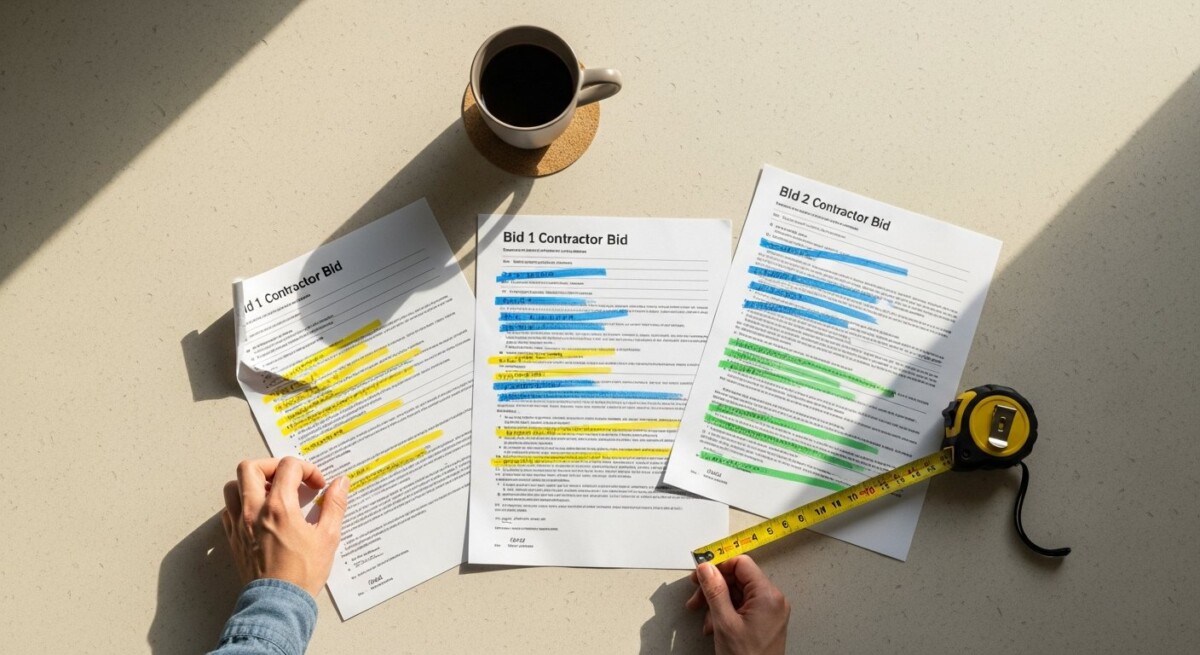
You’ve finally decided to replace your roof, remodel the kitchen, or install new siding. You called a few contractors, sat through estimates, and now you have three different bids sitting on your kitchen counter. The numbers vary wildly. One contractor is thousands of dollars cheaper, while another promises premium materials. You feel stuck, unsure which bid to trust and which one will actually protect your home. This is the moment when many homeowners make a costly mistake,choosing the wrong bid leads to shoddy work, unexpected expenses, or even safety hazards. Learning how to choose between multiple bids is one of the most important skills you can develop as a homeowner.
Understanding how to choose between multiple bids
Choosing between multiple bids means comparing contractor proposals side by side to find the best value,not just the lowest price. A bid is more than a number; it includes the scope of work, materials, timeline, and payment terms. When you understand what each line item means, you can spot red flags and hidden costs before signing a contract.
This situation happens because contractors calculate costs differently. Some bid low to win the job and then add change orders later. Others bid high because they use premium materials or include more thorough prep work. Older homes, complex projects, and urgent repairs tend to attract a wider range of bids. The problem is that most homeowners compare only the bottom line, missing critical details that affect quality and safety.
Why bids vary so much
Several factors cause price differences between bids. Contractor overhead, insurance costs, and profit margins vary. Some contractors include permits and disposal fees; others treat them as extras. Material grades also differ,builder-grade products cost less but wear out faster. When you understand these variables, you can ask smarter questions and make an informed decision.
Why This Matters for Your Home
Choosing the wrong bid can lead to serious consequences. A low-priced contractor might skip essential steps like proper waterproofing or load-bearing support, putting your home at risk for water damage, mold, or structural failure. Safety issues like electrical hazards or fire risks can arise from substandard work. You may also face comfort problems,poor insulation, drafty windows, or an HVAC system that never quite works right.
Delaying a decision or picking a bid without proper vetting often leads to higher costs down the road. Rotted wood behind new siding, a roof that leaks after one season, or a basement remodel that floods will cost you double to fix. In our guide on how to choose between multiple bids, we explain how comparing offers thoroughly helps you avoid these expensive mistakes.
If you notice signs of this issue in your home, it may help to speak with a qualified contractor. Request a free quote or call to explore your repair or remodeling options.
Common Problems Homeowners Experience
Homeowners often discover that the cheapest bid leads to headaches later. A contractor might rush the job, leave debris behind, or fail to pull required permits. You may notice gaps in trim, uneven paint lines, or a roof that doesn’t match the house style. These problems aren’t just cosmetic,they can affect your home’s resale value and insurance coverage.
Another common issue is miscommunication. One contractor assumes you want basic materials, while another thought you agreed to premium upgrades. By the time the work starts, you’re stuck paying for change orders or living with results you don’t love. Comparing bids carefully helps you align expectations from the start.
- Visible damage like cracks, leaks, or sagging after a repair
- Poor performance,windows that don’t seal, doors that stick, or HVAC that struggles
- Structural concerns such as uneven floors or bowing walls
- Aging materials that need replacement sooner than expected
- Permit issues that delay your project or cause fines
- Unexpected costs that blow your budget
How Professionals Solve the Problem
Experienced contractors solve the bid-selection problem by providing clear, detailed proposals. They break down every cost, explain the materials they plan to use, and outline the project timeline. A professional will also walk you through their warranty and insurance coverage, so you know exactly what’s protected. This transparency makes it easier for you to compare bids fairly.
The typical repair or installation process starts with a thorough inspection. The contractor assesses your home’s condition, identifies hidden issues, and recommends the best approach. They then provide a written estimate and answer your questions before you sign anything. During the project, they communicate progress, handle permits, and clean up daily. After completion, they inspect the work with you and provide maintenance tips.
- Initial consultation and on-site inspection
- Detailed written estimate with material specs and timeline
- Permit application and approval (if required)
- Pre-project walkthrough to confirm scope
- Professional installation or repair with daily cleanup
- Final inspection and walkthrough with homeowner
- Warranty activation and post-project support
Professional work is safer and more reliable than DIY fixes because contractors carry liability insurance, follow building codes, and have years of hands-on experience. They also have access to trade pricing on materials, which can offset some of their labor costs. A professional inspection can reveal hidden issues before they become expensive repairs. Compare contractor quotes here or call to discuss your project.
Warning Signs You Should Not Ignore
Your home often gives you clues that a repair or replacement is overdue. Pay attention to changes in how your house feels, smells, or sounds. A musty odor in the basement, a sudden spike in energy bills, or water stains on the ceiling are all signs that something needs attention. If you catch these early, you can address them before they turn into major projects.
Ignoring warning signs often leads to emergency repairs, which cost more and limit your ability to shop around for bids. When a pipe bursts or a roof collapses, you have to hire whoever is available,often at a premium. Proactive maintenance gives you the time to compare bids and choose the right contractor.
- Water stains on ceilings or walls
- Drafts near windows or doors
- Peeling paint or wallpaper
- Uneven floors or sticking doors
- Higher-than-normal utility bills
- Visible mold or mildew growth
- Rodent or insect entry points
What Affects the Cost of Repairs or Installation
Several factors influence the price of a home improvement project. The size of the job matters,replacing a small section of siding costs less than re-siding an entire house. Material quality also plays a huge role. Premium roofing shingles, energy-efficient windows, or custom cabinetry will raise the bid, but they often provide better durability and energy savings.
Labor requirements vary by project complexity. A straightforward roof replacement on a single-story home takes less time than a steep, multi-level roof with skylights. Accessibility matters too,if your basement has low ceilings or your crawlspace is tight, the contractor may charge more for the extra effort. The age of your home can also affect costs, as older homes may have outdated wiring, asbestos, or lead paint that requires special handling.
Costs can vary depending on the condition of your home. The best way to know the price is to get a personalized estimate. Request free quotes from contractors or call today.
How to Choose the Right Contractor
Selecting a contractor is about more than comparing numbers. You want someone who communicates clearly, shows up on time, and has a proven track record. Start by checking their license and insurance,this protects you if something goes wrong. Then read recent customer reviews on sites like Google, Yelp, or the Better Business Bureau.
Ask each contractor for a detailed estimate that lists materials, labor, permits, and cleanup. Compare these side by side, not just the total price. If one bid seems too low, ask why. If another seems high, ask what justifies the premium. A trustworthy contractor will happily explain their pricing. For more guidance, read our article on how to choose between multiple contractors to vet candidates thoroughly.
- Verify contractor license and insurance
- Read recent customer reviews and check references
- Request itemized, written estimates
- Get at least three quotes before deciding
- Confirm experience with similar projects
Long-Term Benefits of Professional Work
Investing in professional repairs and installations pays off over time. Quality work improves your home’s safety,no more worrying about electrical shorts, gas leaks, or structural collapse. It also boosts durability; a properly installed roof or HVAC system lasts years longer than a rushed job. Energy efficiency is another big win,new windows, insulation, or siding can lower your utility bills by 10 to 30 percent.
Professional work also increases your home’s resale value. Buyers pay more for a house with a new roof, updated kitchen, or finished basement,especially when they know the work was done by a licensed contractor. You also spend less on maintenance and repairs over the years because the job was done right the first time. In the end, choosing the right bid isn’t just about saving money today; it’s about protecting your home and your budget for years to come.
How many bids should I get before choosing a contractor?
Most experts recommend getting at least three bids. This gives you a good sense of the market rate and helps you spot outliers. If one bid is much lower or higher than the others, ask the contractor to explain why.
What should I look for when comparing bids?
Look beyond the total price. Check the materials specified, the scope of work, the project timeline, and the warranty terms. Make sure each bid includes the same items so you can compare apples to apples.
Is the lowest bid always the best choice?
No. A very low bid often means the contractor is cutting corners,using cheap materials, skipping permits, or underinsuring their crew. The lowest bid can end up costing you more in repairs and legal fees.
How do I know if a contractor is licensed and insured?
Ask for their license number and insurance certificate. You can verify a contractor’s license through your state’s licensing board. For insurance, call their provider to confirm coverage is current.
Should I pay a deposit before work starts?
Most contractors ask for a small deposit, typically 10 to 25 percent of the total. Avoid paying more than 30 percent upfront. Never pay the full amount until the work is completed and you’ve done a final inspection.
What if a contractor asks for cash payment?
Be cautious. Cash payments often mean the contractor is avoiding taxes or insurance obligations. Pay by check or credit card so you have a paper trail. This protects you if something goes wrong.
Can I negotiate with contractors after receiving bids?
Yes, you can ask if they’re willing to match a competitor’s price or offer a discount. However, don’t pressure them to cut corners. A small discount is reasonable; a huge price drop may signal trouble.
How long should I keep bids and contracts after a project?
Keep all paperwork for at least three years after the project is complete. This includes bids, contracts, receipts, and warranty documents. You may need them for tax purposes, insurance claims, or warranty service.
Choosing the right bid for your home project doesn’t have to be overwhelming. By understanding what each estimate includes, watching for warning signs, and comparing contractors carefully, you can make a confident decision that protects your home and your finances. Start by gathering multiple quotes and reviewing them side by side. The time you spend now will save you money, stress, and headaches later.

About Danica Leslie
Best Home Improvement Quote Tools for Smarter Renovations
Compare free quote tools to get accurate estimates, avoid surprise costs, and find vetted contractors for your next home improvement project.

How to Submit a Renovation Project for Quotes: A 5-Step Guide
Our step-by-step guide on how to submit renovation project for quotes helps you get competitive bids from contractors without wasted time or hidden fees.

How to Vet Contractor Credibility Before Hiring
Learn how to check contractor credibility with proven steps to verify licenses, insurance, and references so you can avoid costly mistakes and hire with confidence.
Find a Pro!
"*" indicates required fields