
How to Avoid Contractor Scams and Protect Your Home
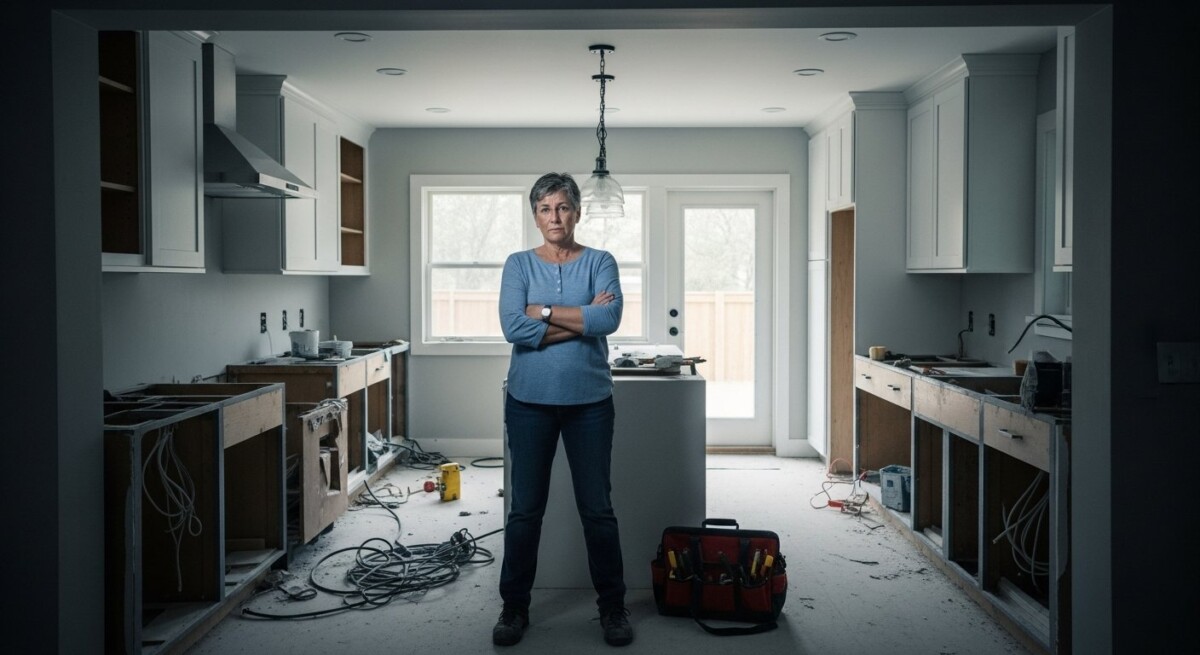
You’ve finally saved up for that kitchen remodel or that urgent roof repair. You find a contractor who seems friendly, offers a price that’s surprisingly low, and promises to start tomorrow. You pay a large deposit, full of hope. Then, the excuses begin. The start date gets pushed back. The work, when it finally starts, is shoddy. Calls go unanswered. Soon, you realize the money,and the contractor,are gone, leaving you with a half-finished project and a huge financial loss. This nightmare scenario is more common than you think, and it starts with a simple search for help.
Understanding Contractor Scams
Contractor scams are deceptive practices used by dishonest individuals or companies to take your money without delivering the promised work, or to deliver dangerously substandard work. These scams prey on homeowners who are often in a vulnerable position, dealing with urgent repairs or exciting but complex renovations.
They happen because home improvement is a high-trust industry. You’re inviting someone into your personal space and investing a significant sum based on their word. Scammers exploit this trust with high-pressure sales, too-good-to-be-true prices, and fake credentials.
While any homeowner can be targeted, those facing emergency repairs after a storm, seniors, and first-time homeowners managing their first major project can be particularly susceptible to these pressure tactics.
Why This Matters for Your Home
Falling victim to a scam goes far beyond losing money. It can put your home’s structural integrity and your family’s safety at serious risk. A botched electrical job can cause a fire. Poor plumbing can lead to hidden water damage and mold. A faulty roof installation can result in catastrophic leaks.
Ignoring the signs of a potential scam or hiring based on price alone can lead to exponentially larger costs down the line. You’ll not only have to pay a legitimate professional to fix the mess, but you may also have to pay for the damage the scammer caused. Your home’s value and your peace of mind are on the line every time you hire someone to work on your biggest investment.
If you notice signs of this issue in your home, it may help to speak with a qualified contractor. Request a free quote or call to explore your repair or remodeling options.
Common Problems Homeowners Experience
The aftermath of a contractor scam can leave a home in worse shape than before. Homeowners are often left with visible, unfinished work that is a daily reminder of the betrayal. But the worst problems are often the ones you can’t immediately see.
Behind new drywall or under fresh flooring, poor workmanship can fester. This creates long-term issues that may not become apparent until months later, when warranties (if any were provided) have expired and the scammer is long gone. The emotional and financial stress of dealing with this fallout can be overwhelming.
- Disappearing Contractors: The contractor takes a large deposit and then vanishes, ceasing all communication.
- Substandard Materials: Using cheap, incorrect, or even used materials billed as new and high-quality.
- Unfinished Projects: Walking off the job when payment slows, leaving your home in disarray.
- Unlicensed Work: Performing complex electrical, plumbing, or structural work without the required licenses, which can void your home insurance.
- Lien Threats: Not paying their suppliers or subcontractors, leading to liens being placed on your property.
- Constant Price Increases: “Discovering” unforeseen problems that drastically inflate the original quoted price.
How Professionals Solve the Problem
Legitimate, professional contractors build their business on reputation, quality, and reliability. They follow a transparent process designed to protect both you and them. Their goal is a finished project you are happy with, because your satisfaction leads to referrals and repeat business.
Professional work is safer and more reliable because it adheres to local building codes and manufacturer specifications. They carry proper insurance to protect you from liability if an accident occurs on your property. A reputable contractor’s process typically looks like this:
- Detailed Consultation & Estimate: They thoroughly assess the project and provide a clear, written estimate outlining scope, materials, labor, and timeline.
- Clear Contract Signing: You both sign a contract that includes payment schedules, specific materials to be used, and start/end dates.
- Proper Permits: They pull all required building permits from your local municipality, which ensures the work will be inspected.
- Quality Execution: Work is performed by skilled tradespeople, often with a project manager overseeing progress.
- Final Walkthrough & Follow-up: They ensure you are satisfied with the work and often provide warranties on both labor and materials.
A professional inspection can reveal hidden issues before they become expensive repairs. Compare contractor quotes here or call to discuss your project.
Warning Signs You Should Not Ignore
Knowing the red flags of a potential scam is your first and best line of defense. Scammers often use similar tactics, and being able to spot them can save you immense heartache. Trust your instincts,if something feels off, it probably is.
Paying attention to these early warning signs allows you to walk away before any money changes hands. It’s always better to delay your project by a few days to find an honest contractor than to rush into a deal that will cost you thousands. For a deeper dive into specific tactics, our guide on how to avoid contractor scams breaks down each red flag in detail.
- High-Pressure Sales: Insisting you sign a contract “today only” to get a special price.
- Large Upfront Cash Demands: Asking for more than 10-30% down or payment in cash only.
- No Physical Address or Contract: Operating out of a truck with only a P.O. Box and refusing to provide a detailed written contract.
- Unverifiable References: Cannot provide a list of recent local clients or has only vague, glowing reviews on an unsearchable site.
- Unsolicited Offers: Showing up at your door claiming they “just finished a job nearby” and noticed your roof/siding/driveway needs work.
- Vague or Changing Estimates: Providing a quote on a napkin, refusing to put details in writing, or constantly revising the price upward.
What Affects the Cost of Repairs or Installation
The cost of any home project is influenced by a combination of factors. A professional contractor’s estimate will account for all of these, which is why their price may be higher than a scammer’s bare-bones guess. Understanding these factors helps you evaluate quotes more intelligently.
Key elements include the size and complexity of the project, the quality and type of materials selected, and the labor intensity. Accessibility, such as working on a steep roof or a tight basement, can also increase time and cost. The age of your home can introduce unforeseen challenges like outdated wiring or structural quirks that need to be addressed.
Costs can vary depending on the condition of your home. The best way to know the price is to get a personalized estimate. Request free quotes from contractors or call today.
How to Choose the Right Contractor
Taking the time to vet a contractor thoroughly is the most important step in your project. This due diligence is an investment that pays off in quality, reliability, and peace of mind. Think of it as interviewing a key employee for your home.
Start by gathering recommendations from people you trust, like neighbors, friends, or family. Then, follow a consistent checklist with every contractor you consider. This allows you to make an apples-to-apples comparison and feel confident in your final choice. A crucial part of this process is understanding what questions to ask a contractor before you hire them.
- Verify Licenses and Insurance: Ask for their state license number and proof of general liability and workers’ compensation insurance.
- Check Reviews and References: Read reviews on multiple platforms (Google, BBB) and actually call 2-3 past clients to ask about their experience.
- Get Detailed, Written Estimates: Obtain at least three estimates that break down costs for materials, labor, profit, and overhead.
- Compare Multiple Quotes: Don’t automatically choose the lowest bid. Compare the scope, materials, and timelines to understand the value.
- Confirm Experience: Ask how many similar projects they’ve completed in the past year and request to see photos.
Long-Term Benefits of Professional Work
Hiring a true professional is an investment that pays dividends for as long as you own your home. Quality workmanship and materials stand the test of time, performing as they should for years to come. This durability means you won’t be facing the same repair again in a short timeframe.
Beyond durability, professional work enhances your safety, improves your home’s energy efficiency (saving you money on utilities), and directly increases your property’s market value. Perhaps the greatest benefit is reduced future maintenance and the profound peace of mind that comes from knowing the job was done right. To ensure you’re fully protected, it’s wise to learn about the essential clauses every contractor contract should have.
How can I verify a contractor’s license is real?
Don’t just take their word for it. Contact your state’s licensing board for contractors (easily found online). You can search by the contractor’s name, business name, or license number they provide. The board can confirm if the license is active, in good standing, and covers the type of work you need done.
What is a reasonable down payment for a home project?
A reasonable down payment is typically between 10% and 30% of the total project cost, often used to order specialized materials. Be very wary of any contractor who demands 50% or more upfront. Payments should be tied to clear milestones outlined in your contract, not just the start date.
Should I pull the building permit myself?
No, the contractor should always pull the required permits in their name. If they ask you to do it, it’s a major red flag. It often means they are not licensed or are trying to avoid responsibility. The permit holder is legally responsible for the work passing inspection.
What’s the difference between a quote and an estimate?
An estimate is a rough, non-binding guess of the project cost. A quote (or bid) is a fixed-price offer for the defined scope of work. For your protection, insist on a detailed, written quote that becomes part of your contract, so the price cannot arbitrarily increase.
Is it okay to pay a contractor in cash?
It is highly discouraged. Always pay by check or credit card so you have a clear paper trail. Cash payments are untraceable and make it nearly impossible to recover funds if something goes wrong. Legitimate contractors will not insist on cash-only terms.
What should I do if I think I’m being scammed?
Stop all payments immediately. Document everything,contracts, texts, emails, photos of work. Report the contractor to your state’s Attorney General, the Better Business Bureau, and your local consumer protection agency. If a significant amount of money is involved, consult with an attorney.
Protecting your home and your finances starts with awareness and careful planning. By understanding the warning signs and taking the time to vet contractors thoroughly, you can confidently move forward with your renovation or repair. Addressing potential issues early in the hiring process is the surest way to a successful outcome. For any project, comparing detailed quotes from several reputable professionals is the best first step you can take.

About Jessica Reis

How to Handle Multiple Contractor Calls: 7 Proven Strategies
Stop feeling overwhelmed by contractor calls. Learn a proven system to manage multiple quotes, compare offers, and hire the best pro for your project.
Why Every Homeowner Needs a Project Cost Estimation Platform
Avoid costly surprises by using a project cost estimation platform to plan your home renovation budget with accurate, transparent pricing.
Why Contractors Charge Different Rates: A Homeowner’s Guide
Understand why contractors charge different rates so you can compare quotes fairly and avoid overpaying or hiring an unqualified low bidder.
Find a Pro!
"*" indicates required fields