
How Long Home Renovation Projects Really Take
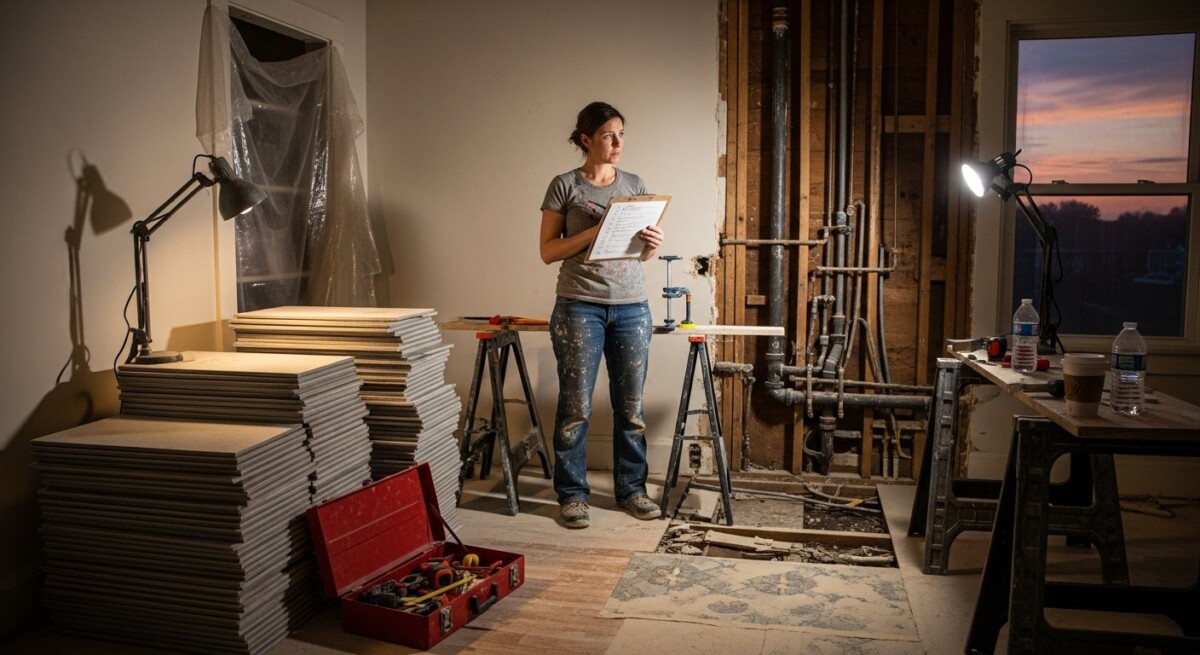
You’ve finally decided to tackle that kitchen update or add that bathroom you’ve always wanted. You set a budget, pick out finishes, and imagine the finished space. Then, reality hits. The project that was supposed to take six weeks stretches into three months. Life is disrupted, costs creep up, and frustration builds. This scenario is all too common for homeowners who underestimate the true timeline of a renovation.
Understanding how long home renovation projects take is the first step to a successful, less stressful experience. A realistic timeline helps you plan your life, manage your budget, and set proper expectations with your contractor. Ignoring this crucial planning phase can lead to rushed decisions, poor workmanship, and even more costly delays down the road.
Understanding How Long Home Renovation Projects Take
A home renovation timeline is more than just the number of days workers are in your home. It’s the entire process from initial idea to final cleanup. This includes planning, design, permitting, material ordering, the construction phase itself, and final inspections.
Timelines vary wildly because every home and project is unique. A simple bathroom refresh differs greatly from a full gut job. The age of your home, the complexity of the work, and even the time of year you start can all impact the schedule.
While all homes are affected, older homes often hide surprises behind walls that can extend a timeline. Similarly, ambitious DIY projects undertaken without a clear plan are notorious for dragging on indefinitely. Setting a realistic schedule from the start is key to your sanity.
The Three Phases of Every Project
Think of your renovation in three distinct blocks: pre-construction, active construction, and finalization. The pre-construction phase,planning, hiring, designing, and permitting,can often take as long as the physical work itself. Rushing this stage almost guarantees delays later.
Why This Matters for Your Home
An accurate timeline protects your investment and your daily life. When a project drags on, temporary living arrangements become expensive, and storage costs for your belongings add up. The financial strain of a prolonged renovation can be significant.
More importantly, a rushed project due to an unrealistic timeline often leads to cutting corners. Contractors pressured to finish fast might compromise on quality or skip important steps. This can create safety hazards, like improper electrical work or structural issues, that put your family at risk.
Your home’s value is also on the line. A well-executed, professionally managed renovation adds equity. A botched, never-ending project can do the opposite, leaving you with a half-finished space that’s difficult to sell. Planning for the right amount of time ensures the job is done right the first time.
If you notice signs of this issue in your home, it may help to speak with a qualified contractor. Request a free quote or call to explore your repair or remodeling options.
Common Problems Homeowners Experience
The most universal problem is the timeline ballooning far beyond the original estimate. What was pitched as a “quick” project becomes a months-long ordeal. This often stems from poor initial planning or unexpected problems discovered after demolition begins.
Homeowners also frequently struggle with the domino effect of delays. A late cabinet delivery holds up the countertop template, which delays the sink installation, which pushes back the plumber’s final hookup. One setback can ripple through the entire schedule.
These common issues derail timelines and budgets:
- Underestimating the planning and permit phase: Municipal approvals can take weeks or even months.
- Supply chain and material delays: Special-order items rarely arrive overnight.
- Discovering hidden damage: Old wiring, rotten subfloors, or plumbing issues behind walls.
- Contractor scheduling conflicts: Reliable crews are often booked well in advance.
- Changing your mind mid-project: “While we’re at it” changes are the biggest schedule killers.
- Poor weather for exterior work: Roofing or siding projects are at the mercy of the forecast.
How Professionals Solve the Problem
An experienced contractor doesn’t just guess at a timeline; they build one based on proven processes. They have the knowledge to anticipate common hurdles and build contingency time into the schedule for the unexpected. Their expertise turns a chaotic process into a managed sequence of events.
Professionals also have established relationships with suppliers and subcontractors. They know lead times for materials and can schedule electricians, plumbers, and carpenters in the correct order to avoid downtime. This coordination is nearly impossible for a homeowner to replicate on their own.
A professional renovation typically follows this organized process:
- Comprehensive Consultation & Estimate: A detailed scope of work is defined, forming the blueprint for the schedule.
- Detailed Planning & Design: All materials are selected and ordered, and permits are pulled before any work begins.
- Pre-Construction Preparation: The site is protected, and a clear schedule is communicated to the homeowner.
- Phased Construction: Work proceeds in a logical order (demo, rough-ins, inspections, finishes).
- Final Walkthrough & Punch List: The contractor identifies and completes any final touch-ups before project closeout.
A professional inspection can reveal hidden issues before they become expensive repairs. Compare contractor quotes here or call to discuss your project.
Warning Signs You Should Not Ignore
Before you even start, some red flags can predict a problematic timeline. If a contractor gives you a firm completion date without a detailed written schedule, be wary. Vague promises are often the first sign of poor project management.
During the project, consistent radio silence from your contractor or unexplained gaps of several days with no workers on site are major warning signs. So are frequent requests for immediate decisions on materials you thought were already ordered. These indicate poor planning and a schedule that is already off track.
Watch for these early signals that your timeline may be in jeopardy:
- A contractor who is available to start “tomorrow” (reputable pros are usually booked).
- An estimate that seems drastically lower and faster than others you’ve received.
- No discussion of permits or who is responsible for pulling them.
- Key materials are described as “on backorder” after demolition has already started.
- The project scope keeps expanding without a formal change order and schedule adjustment.
- You’re making daily decisions under pressure instead of from a pre-approved plan.
What Affects the Cost of Repairs or Installation
Time is money in renovation. The longer a project takes, the more it generally costs in labor and overhead. Therefore, the factors that extend a timeline directly impact your budget. The complexity of the design is a primary driver; a custom, one-of-a-kind layout takes longer to execute than a standard one.
The condition and age of your home are huge variables. A newer home with standard construction is more predictable. An older home may require extensive updates to bring plumbing, electrical, or structure up to code once walls are opened, which adds significant time and cost.
Finally, the level of finish you choose plays a role. Builder-grade materials are often readily available. High-end, custom, or imported tiles, cabinets, and fixtures have longer lead times. Your choices during the planning phase set the clock for the entire project. For a deeper dive into balancing these choices, our home renovation guide on making the right choices can be a valuable resource.
Costs can vary depending on the condition of your home. The best way to know the price is to get a personalized estimate. Request free quotes from contractors or call today.
How to Choose the Right Contractor
The single most important decision for your timeline is choosing the right contractor. Look for a communicator who provides clear, detailed schedules and regular updates. They should manage the process so you don’t have to.
Always verify their credentials and track record. A licensed, insured contractor with a solid reputation is more likely to have reliable crews and subcontractors, which is essential for staying on schedule. They also understand the legal and safety requirements that can cause delays if ignored.
Follow these tips to find a contractor who values your time:
- Get multiple detailed bids: Compare not just price, but the proposed timeline and project phases.
- Check references and past projects: Ask previous clients if the project finished on time and how issues were communicated.
- Ensure they pull permits: The contractor should handle this; it’s a sign they do work to code and won’t get shut down by inspections.
- Review the contract thoroughly: It should include a payment schedule tied to project milestones, not just dates, and a process for handling change orders.
- Trust your gut: Choose someone you feel comfortable communicating with openly for the duration of the project.
Long-Term Benefits of Professional Work
Investing in a well-planned, professionally executed renovation pays dividends long after the workers leave. The most immediate benefit is durability. Work done correctly, without rush, lasts longer. You won’t be dealing with callbacks for cracks, leaks, or malfunctions in a year.
Your home’s safety and efficiency are also enhanced. Proper electrical work, plumbing, and structural changes ensure your home is safe and may even improve energy efficiency, lowering utility bills. This quality and safety directly translate into higher resale value and buyer confidence when it’s time to sell.
Ultimately, a professional brings peace of mind. You gain a beautiful, functional space without the years of stress that a DIY or poorly managed project can create. You get your life back on schedule, confident that the work behind your walls is as solid as the finishes you see.
How long does a typical kitchen renovation take?
A minor kitchen remodel with layout changes can take 4-6 weeks. A major renovation involving structural changes, custom cabinets, and high-end appliances often requires 3-5 months from planning to completion. The pre-construction phase is critical for a smooth process.
What is the average timeline for a bathroom remodel?
A full bathroom remodel typically takes 3-4 weeks of active construction once materials are on site. However, the entire process from design to final walkthrough often spans 2-3 months, accounting for tile and fixture lead times and plumbing work.
Why do permits add so much time to a project?
Permits ensure work meets safety codes. The review process can take a few weeks, and inspections must be scheduled at specific project phases, which can pause work. A professional manages this schedule to minimize delays.
Can I live in my home during a major renovation?
It depends on the project’s scope. For kitchen or single-bathroom remodels, temporary setups are often possible. For whole-house renovations, you may need to plan to live elsewhere for a period. Your contractor can advise based on the work and timeline.
How much contingency time should I add to a timeline?
A good rule of thumb is to add a 10-20% time buffer to any contractor’s estimate. This accounts for unexpected discoveries, weather, or minor material delays. It’s better to finish early than to be constantly disappointed.
What’s the fastest type of home renovation?
Cosmetic updates like painting, flooring replacement, and fixture swaps in a single room can often be completed in 1-2 weeks. These projects involve less structural work and fewer tradespeople, making scheduling simpler. For more on planning efficient updates, explore our insights on strategic home renovation choices.
How does season affect renovation timelines?
Summer is peak season, so contractors are busiest and may schedule farther out. Winter can delay exterior work but may mean faster scheduling for interior projects. Spring and fall often offer a good balance of availability and weather.
What is a realistic timeline for a home addition?
A home addition is one of the longest projects. From design and permits to foundation work, framing, and finishing, a typical addition can take 4-8 months. Complexity, size, and weather for the foundation phase are major factors.
Understanding the true timeline of a home renovation is the foundation of a successful project. It allows you to plan your life, protect your budget, and reduce stress. By setting realistic expectations from the start and working with a professional who provides a clear schedule, you can navigate the process with confidence. The best next step is to gather information specific to your home. Comparing detailed quotes from qualified contractors will give you a clear picture of both the investment and the timeline required to create the home you envision.

About Eric Andrew

Request Home Service Quotes: Get Accurate Estimates Fast
Request home service quotes from multiple contractors to compare prices and secure the best deal on your home improvement project.

Best Home Improvement Quote Tools for Smart Renovations
Discover the best home improvement quote tools to compare contractor bids, save money, and avoid costly mistakes on your next renovation project.

Top Contractor Quote Services: Save Time and Money
Top contractor quote services help homeowners compare free estimates from licensed pros, saving time and preventing costly mistakes on repairs and renovations.
Find a Pro!
"*" indicates required fields