
How Contractor Estimates Work: A Homeowner’s Guide

You’ve finally decided to tackle that kitchen remodel or fix that persistent leak. You call a few contractors, and soon you have several pieces of paper with numbers on them. But one estimate is a single page with a round number, another is a detailed breakdown that’s twice the price, and a third is somewhere in between. As a homeowner, you’re left wondering: what am I actually paying for, and how do I know which estimate is fair? This confusion can lead to delays, choosing the wrong contractor, or unexpected costs down the line. Understanding how contractor estimates work is the first step to a successful, stress-free home project.
Understanding How Contractor Estimates Work
At its core, a contractor’s estimate is a professional prediction of what a project will cost. It’s based on their experience, the current prices of materials and labor, and the specific details of your home. Think of it as a roadmap for your project’s budget.
Contractors create estimates by assessing the scope of work, the materials needed, the labor hours required, and any potential challenges. This process happens after an initial consultation, where they measure, ask questions, and understand your goals. The level of detail in an estimate can vary greatly, which is why comparing them can feel like comparing apples to oranges.
The Difference Between an Estimate and a Quote
It’s important to know that “estimate” and “quote” are often used interchangeably, but they can have different meanings. An estimate is typically an educated guess of the cost, which may change as more details are uncovered. A quote, or a firm bid, is usually a fixed price for a defined scope of work. Always ask a contractor which they are providing.
Why This Matters for Your Home
Getting a clear, detailed estimate isn’t just about price shopping. It’s about protecting your investment and your peace of mind. A vague estimate can hide costs, leading to stressful change orders and budget overruns halfway through your project. You deserve to know exactly what you’re agreeing to before work begins.
More importantly, a professional estimate reflects a contractor’s thoroughness. It shows they’ve taken the time to understand your project’s unique needs, from the type of flooring to the wiring behind your walls. This diligence helps prevent surprises that could damage your home’s structure, safety, or long-term value. A low-ball estimate might save money upfront but could cost you dearly in shoddy workmanship or incomplete repairs.
If you notice signs of this issue in your home, it may help to speak with a qualified contractor. Request a free quote or call to explore your repair or remodeling options.
Common Problems Homeowners Experience
Navigating the world of contractor estimates can be frustrating. Many homeowners feel in the dark, unsure if they’re being treated fairly or if they’re comparing proposals correctly. This uncertainty can stall important projects that affect your home’s comfort, safety, and efficiency.
The root of the problem often lies in estimates that lack transparency. When costs aren’t itemized, you can’t see where your money is going. This makes it impossible to make informed decisions about material upgrades or value-engineering options. You’re left with a take-it-or-leave-it number instead of being a true partner in your own project.
- The “Ballpark” Figure: A verbal or one-line estimate with no details, which almost always increases later.
- Hidden Fees & Assumptions: Costs for permits, disposal, or unforeseen problems that aren’t listed upfront.
- Apples-to-Oranges Comparisons: Estimates that use different grades of materials or exclude key parts of the job.
- The Low-Bid Trap: An suspiciously low price that may indicate inexperience, cutting corners, or planned change orders.
- Scope Creep: An unclear estimate that leads to constant requests for more money as the project evolves.
- Pressure to Sign: Being rushed to agree to a estimate before you’ve had time to review it or get others.
How Professionals Solve the Problem
A reputable contractor views a detailed estimate as the foundation of a good working relationship. Their goal is to provide clarity, not confusion. They take a systematic approach to ensure you understand the investment you’re making in your home.
This process starts with a thorough on-site visit. They don’t guess measurements or conditions; they verify them. They ask detailed questions about your preferences and expectations. Then, they translate that information into a clear, written document that serves as a blueprint for the project and the budget. This professional approach minimizes misunderstandings and sets the stage for a smooth process.
- Initial Consultation & Site Visit: The contractor assesses the project area, discusses your vision, and identifies potential challenges.
- Scope of Work Definition: They create a detailed description of every task to be performed, which becomes part of the estimate.
- Material Takeoff & Pricing: They calculate the exact quantities and specifications of materials needed and source current prices.
- Labor & Timeline Calculation: They estimate the crew size, hours required, and project duration, factoring in their labor rates.
- Overhead & Profit Inclusion: Legitimate costs for insurance, licenses, equipment, and business sustainability are added.
- Contingency Planning: A responsible contractor includes a small percentage for unforeseen issues common in older homes.
- Proposal Presentation: They present the finalized, itemized estimate and are prepared to walk you through every line item.
A professional inspection can reveal hidden issues before they become expensive repairs. Compare contractor quotes here or call to discuss your project.
Warning Signs You Should Not Ignore
Just as your home shows signs when it needs repair, the estimate process shows signs when a contractor may not be right for you. Paying attention to these red flags can save you from a nightmare project. Trust your instincts,if something feels off during the estimating phase, it likely won’t improve once the job starts.
Ignoring these warning signs can lead to disputes, unfinished work, and financial loss. A proper estimate is a contractor’s first deliverable. If it’s sloppy, rushed, or evasive, it often reflects how they will manage the entire project. Protecting your home starts with choosing a partner who communicates openly and professionally from the very beginning.
- Refusal to Provide a Detailed Written Estimate: Always get it in writing. Verbal agreements are impossible to enforce.
- Large Down Payment Demands: Be wary of requests for more than 10-30% upfront before any work or materials are delivered.
- Vague Language: Phrases like “includes labor and materials” without specifics or model numbers.
- No License or Insurance Information: A legitimate contractor will proudly provide their license number and proof of insurance.
- Pressure to Act Immediately: Claims that the price is only good for today are a high-pressure sales tactic.
- No Physical Business Address: A PO box or only a cell phone number can be a sign of a fly-by-night operation.
What Affects the Cost of Repairs or Installation
Many factors influence the final number on your estimate. Understanding these variables helps you see why estimates differ and allows for meaningful comparisons. It’s rarely as simple as a price per square foot, especially for remodeling or repair work in existing homes.
The age and condition of your home are major cost drivers. An older home may have outdated wiring, plumbing, or structural issues that need to be brought up to code before new work can begin. These “hidden” conditions are often discovered during the estimate process and are a key reason why detailed assessments are so valuable. For a deeper look at what goes into these numbers, our guide on understanding contractor estimates breaks down each cost component.
- Project Scope & Complexity: A simple replacement is cheaper than a redesign. Custom work costs more than standard.
- Material Quality & Selection: Premium tiles, hardwood, or fixtures significantly impact the budget.
- Labor Intensity & Skill: Specialized trades like electricians or master carpenters command higher rates.
- Site Accessibility: A difficult-to-reach roof or a basement with narrow stairs increases time and labor.
- Permit & Inspection Fees: These are non-negotiable costs set by your local municipality.
- Geographic Location: Labor and material costs vary by region and even by neighborhood.
- Timeline: A rush job often costs more due to overtime pay or schedule rearranging.
Costs can vary depending on the condition of your home. The best way to know the price is to get a personalized estimate. Request free quotes from contractors or call today.
How to Choose the Right Contractor
The estimate is a powerful tool for vetting contractors, not just comparing prices. Look for a contractor who uses the estimate process to educate you and demonstrate their expertise. They should be patient, answer all your questions, and make you feel confident in their ability to manage your project.
Your relationship with the contractor is just as important as the numbers on the page. You’ll be working with them for weeks or months, so choose someone you communicate well with and trust. The goal is to find a partner who will protect your home and your investment, delivering quality work at a fair price.
- Verify Credentials: Check their state license, insurance (liability and workers’ comp), and bonding.
- Read Reviews & Ask for References: Look at recent reviews on multiple platforms and actually call past clients.
- Insist on Detail: Choose the contractor who provides the clearest, most thorough scope of work and line-item breakdown.
- Compare Multiple Quotes: Get at least three detailed estimates to understand the market rate for your project.
- Review the Contract: Ensure the final signed contract includes the detailed estimate, payment schedule, timeline, and warranty information.
Long-Term Benefits of Professional Work
Investing in a professional contractor who provides a thorough estimate pays dividends long after the project is complete. Quality workmanship with proper materials lasts longer, performs better, and requires less maintenance. This saves you money and hassle over the life of your home.
Beyond durability, professional work enhances your safety and comfort. Correctly installed electrical systems prevent fire hazards. Proper plumbing prevents leaks and water damage. Good insulation and sealing improve energy efficiency, lowering your utility bills. Perhaps most importantly, quality renovations and repairs protect and increase your home’s market value, ensuring a strong return on your investment when it’s time to sell.
How Long Does It Take to Get a Contractor Estimate?
Typically, a contractor will provide a preliminary estimate within a few days of the site visit. For complex projects, it may take a week or more to prepare a detailed proposal. A good contractor won’t rush this process, as accuracy is crucial. If you need a general idea faster, some services offer tools to get fast contractor estimates online as a starting point.
Should I Always Choose the Lowest Estimate?
Not necessarily. The lowest estimate can sometimes mean lower-quality materials, less experienced labor, or missed scope items that will become change orders. It’s more important to compare the value,the quality of materials, the clarity of the scope, and the contractor’s reputation,rather than just the bottom line.
What Should a Good Estimate Include?
A comprehensive estimate includes: contractor contact and license info, a detailed scope of work, a complete list of materials (including brands/model numbers), a breakdown of labor costs, a project timeline, payment schedule, and information about warranties, permits, and who is responsible for cleanup.
Are Online Estimate Calculators Accurate?
Online calculators can provide a very rough ballpark figure based on national averages. However, they cannot account for your home’s specific conditions, local labor rates, or project complexities. They are useful for initial budgeting but should not replace detailed, in-person estimates from local contractors.
What is a “Contingency” Line Item?
A contingency (often 5-15% of the project cost) is a budget set aside for unforeseen issues, like rotten wood behind a wall or outdated wiring. It’s a sign of a realistic and honest contractor. If not used, it won’t be charged, but having it prevents the project from stalling if a surprise arises.
Can I Negotiate a Contractor’s Estimate?
Yes, you can discuss the estimate. Focus on value-engineering: asking if there are comparable, lower-cost material alternatives or if phasing the project could help. Avoid simply demanding a lower price for the same work, as this may force the contractor to cut corners. A professional will work with you to meet your budget without compromising quality.
What Happens if They Find More Work During the Project?
This is called a “change order.” A reputable contractor will stop, document the newly discovered issue (with photos), provide you with a written change order detailing the extra cost and time, and get your signed approval before proceeding. This keeps the process transparent and avoids billing surprises.
Is a Deposit Normal?
Yes, a deposit to secure the job and order materials is standard. It typically ranges from 10% to 30% of the total project cost. Be cautious of contractors who demand 50% or more upfront. Payments should be tied to project milestones, not calendar dates.
Understanding how contractor estimates work empowers you to make confident decisions about your home projects. It transforms a confusing process into a clear path forward. By recognizing the value of a detailed estimate and choosing a contractor who provides one, you invest not just in a repair or remodel, but in the long-term health and value of your home. Don’t let uncertainty delay important improvements,start by gathering clear, comparable quotes from qualified professionals in your area.

About
How Contractor Estimates Work: A Homeowner’s Guide
A clear guide on how contractor estimates work, helping homeowners understand costs, compare quotes fairly, and choose the right professional for their project.
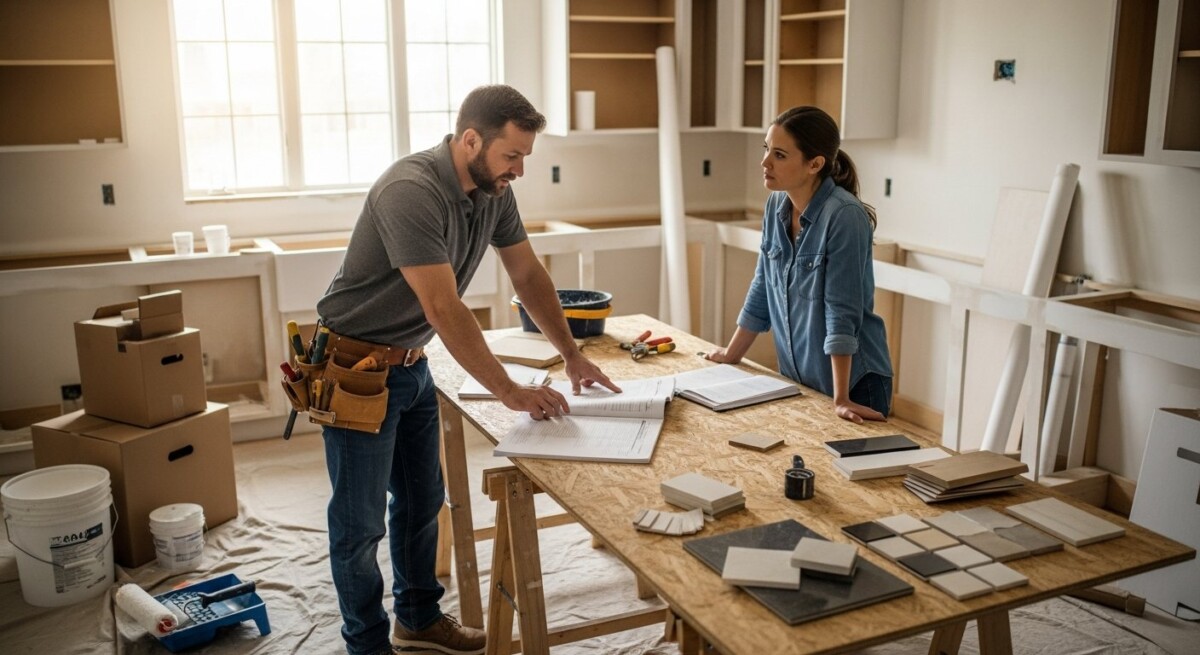
How Contractors Price Home Projects: A Homeowner’s Guide
A clear guide to how contractors price home projects, helping homeowners understand quotes, avoid hidden costs, and choose the right professional for quality work.
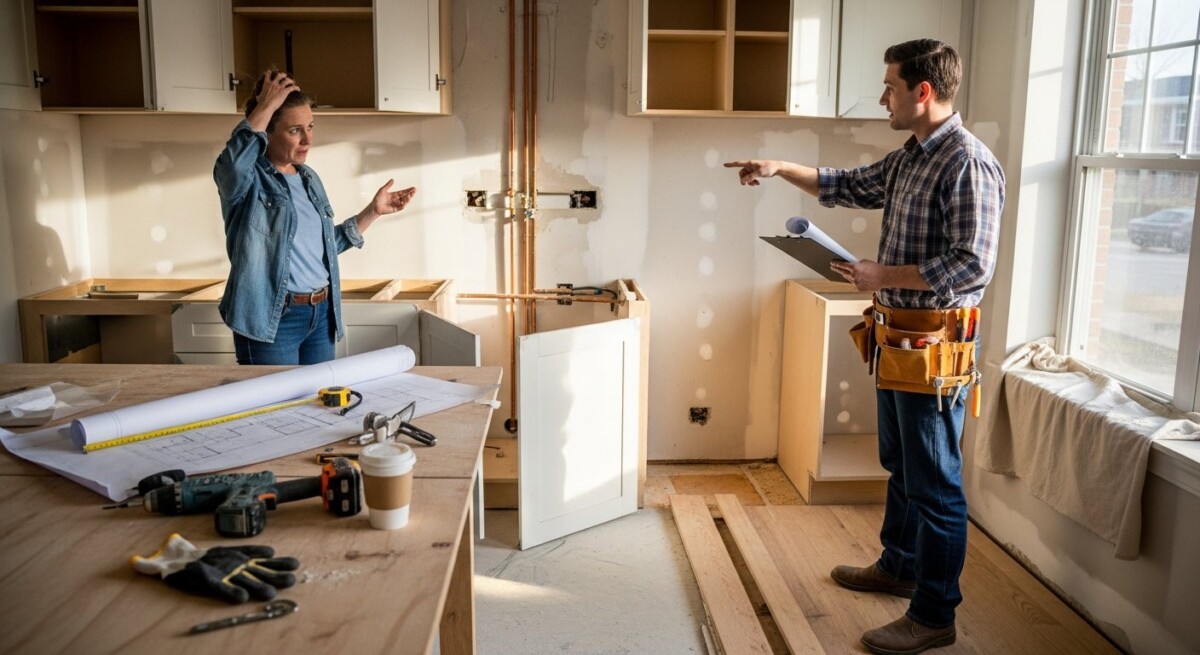
Can You Change Contractors Mid Project? A Homeowner’s Guide
A practical guide for homeowners wondering if they can change contractors mid-project, covering warning signs, legal steps, costs, and how to hire the right professional to finish the job.
Find a Pro!
"*" indicates required fields