
How Accurate Are Contractor Estimates for Homeowners?
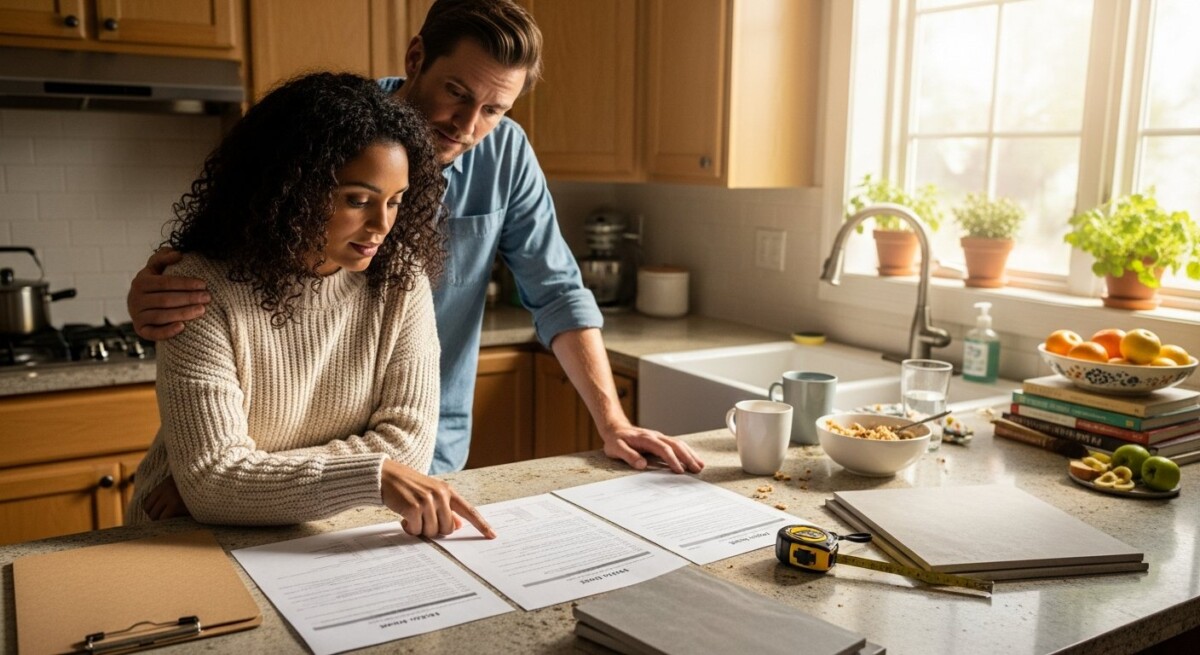
You’ve finally decided to tackle that kitchen remodel or fix the leaky roof. You call a few contractors, and the estimates start rolling in. One quote is surprisingly low, another seems sky-high, and a third is somewhere in the middle. As a homeowner, you’re left wondering which number is the real one. How accurate are these estimates, and can you trust them to reflect your final bill? This common dilemma can lead to stress, budget overruns, and stalled projects if not handled carefully from the start.
Understanding How Accurate Contractor Estimates Are
An estimate is a contractor’s best professional guess at the scope and cost of your project. It’s based on the information available during an initial walkthrough. Accuracy depends heavily on how much detail is included and how well the project’s variables are understood upfront.
Estimates can vary because every home and project is unique. Hidden issues behind walls, material price fluctuations, and unforeseen complications can all impact the final cost. A detailed, written estimate that breaks down labor, materials, and potential contingencies is always more reliable than a single number scribbled on a napkin.
The Difference Between an Estimate and a Quote
It’s important to know that the terms “estimate” and “quote” are often used interchangeably, but they can mean different things. An estimate is typically an approximation, while a quote or bid is usually a fixed price for the defined work. Understanding this distinction is your first step in evaluating the numbers you receive.
Why This Matters for Your Home
Relying on an inaccurate estimate can derail your finances and your project. A number that’s too low might mean the contractor cuts corners, uses subpar materials, or hits you with constant change orders to make up the difference. This can compromise the quality and safety of the work done on your home.
Conversely, an estimate that’s unrealistically high means you’re overpaying. More importantly, an inaccurate estimate of any kind prevents you from planning effectively. You might delay other important maintenance or, worse, start a project you can’t afford to finish, leaving your home in disarray.
If you notice signs of this issue in your home, it may help to speak with a qualified contractor. Request a free quote or call to explore your repair or remodeling options.
Common Problems Homeowners Experience
The frustration often begins when the final invoice arrives and doesn’t match the initial estimate. Homeowners feel blindsided by costs they didn’t anticipate. This usually stems from a vague initial estimate that didn’t account for all the project’s complexities.
Other times, the low estimate was a “bait” price to win the job, with the expectation that costs will increase later. This creates a climate of distrust and can leave you feeling trapped in the middle of a project with a contractor you no longer trust. For a deeper dive into this process, our guide to understanding contractor estimates breaks it down step-by-step.
- Final bills that are 20-50% higher than the original estimate.
- Constant “change orders” for items that seemed included.
- Discovering hidden rot, mold, or structural issues mid-project.
- Unclear breakdowns of labor vs. material costs.
- Pressure to make quick decisions on upgrades or fixes.
- Projects that stall because the budget runs out prematurely.
How Professionals Solve the Problem
A reputable contractor builds accuracy into the estimate process from the beginning. They invest time in a thorough inspection, ask detailed questions about your goals, and document the existing conditions. This diligence minimizes surprises later.
Their goal is to provide a comprehensive scope of work. This document outlines every task, material, and allowance, turning an estimate into a reliable roadmap. This transparency protects both you and the contractor, ensuring everyone agrees on what’s being done for the agreed-upon price.
- Detailed Consultation & Inspection: A pro examines the area, takes measurements, and looks for potential hidden issues.
- Scope of Work Creation: They draft a detailed list of all tasks, from demolition to final cleanup.
- Material Specification: Brands, grades, quantities, and costs for all materials are listed.
- Labor & Timeline Projection: They estimate the crew hours needed and provide a realistic schedule.
- Contingency Planning: A good estimate includes a small percentage (often 10-15%) for unforeseen issues, which is far better than unexpected charges.
A professional inspection can reveal hidden issues before they become expensive repairs. Compare contractor quotes here or call to discuss your project.
Warning Signs You Should Not Ignore
When reviewing estimates, some red flags should make you pause. An estimate that seems too good to be true almost always is. It may indicate inexperience, a plan to use low-quality materials, or an intent to nickel-and-dime you later.
Vagueness is another major warning sign. If the estimate lacks detail, is verbal instead of written, or refuses to put specifics in writing, proceed with extreme caution. This lack of clarity is where disputes and budget overruns are born.
- The contractor is reluctant to provide a written, detailed estimate.
- The estimate is a single round number with no line-item breakdown.
- You’re asked for a large down payment (more than 10-30%) before work begins.
- The contractor pressures you to sign immediately due to a “limited-time price.”
- They are vague about permits, licenses, or insurance.
- The timeline seems unrealistically short for the scope of work.
What Affects the Cost of Repairs or Installation
Many factors influence the final number on an estimate. The size and complexity of your project are the most obvious. A whole-house renovation will have more variables than a single bathroom update. The age of your home also plays a huge role, as older homes often conceal surprises like outdated wiring or plumbing.
Material choices cause significant price swings. Allowances for fixtures, flooring, and finishes can vary widely. Labor costs depend on the skill required, local wage rates, and the project’s accessibility. A difficult-to-reach roof or a basement with narrow stairs will cost more to work on than an easily accessible area.
Costs can vary depending on the condition of your home. The best way to know the price is to get a personalized estimate. Request free quotes from contractors or call today.
How to Choose the Right Contractor
The key to an accurate estimate is choosing the right contractor. Don’t base your decision on price alone. The lowest estimate can become the most expensive project if it leads to poor workmanship or constant add-ons. Your goal is to find a balance of fair price, clear communication, and proven reliability.
Take the time to vet each contractor thoroughly. Check their credentials and talk to their past clients. A trustworthy professional will welcome your questions and provide the documentation you need to feel confident. This upfront effort is your best defense against inaccurate estimates and project headaches.
- Verify they are licensed, insured, and bonded for your protection.
- Read recent reviews and ask for references from similar projects.
- Request and compare detailed, written estimates from at least three contractors. Our article on how to compare contractor estimates offers a great framework.
- Ask specific questions about what is and is NOT included in the price.
- Assess their communication style; you’ll be working with them for weeks or months.
Long-Term Benefits of Professional Work
Investing in a thorough, accurate estimate from a professional pays off for years. It leads to work done correctly the first time, with quality materials that last. This means fewer callbacks for repairs, less maintenance, and greater peace of mind knowing the job was done safely and to code.
Furthermore, professional work protects and enhances your home’s value. Whether it’s a repaired foundation, a updated electrical system, or a beautiful remodel, quality craftsmanship is an investment that pays dividends in comfort, safety, and resale value. Accurate planning is the foundation of that quality.
How Long Does a Contractor Estimate Last?
Most estimates are valid for 30 to 90 days. This is because material prices and labor availability can change. If you delay your project, be prepared to ask for an updated estimate to ensure the numbers are still accurate.
Should I Always Choose the Lowest Estimate?
Not necessarily. The lowest estimate may exclude necessary work, use inferior materials, or be based on miscalculations. It’s more important to evaluate the value, detail, and reputation behind each estimate. A slightly higher price from a more thorough and reputable contractor is often the better long-term value.
What Should a Detailed Estimate Include?
A good estimate includes a project description, line-item costs for materials and labor, a payment schedule, start and completion dates, information on permits, and details about warranties. It should also note what is the homeowner’s responsibility (like moving furniture).
Can I Get a Fixed-Price Contract?
Yes, for well-defined projects, you can request a fixed-price bid. This locks in the cost, barring any changes you request to the original scope. Ensure the scope of work in the contract is extremely detailed to make the fixed price meaningful.
What is a “Change Order” and How Does It Affect Cost?
A change order is a written amendment to the contract for any change in the work. This could be you choosing a more expensive tile or the contractor discovering unforeseen rot. It will adjust the project price and timeline. A reputable contractor will never proceed on a change without your written approval.
How Much Should I Pay Upfront?
A reasonable down payment is typically 10% to 30% of the total project cost, often to secure materials. Be wary of contractors who demand 50% or more upfront. Payments should be tied to completed project milestones, not just the calendar.
What if I Find a Problem After Work Begins?
This is why a contingency fund in the estimate is crucial. A professional will halt work, document the issue, and provide you with a change order outlining the new cost and plan to address it. Transparency at this stage is critical.
How Can I Improve the Accuracy of an Estimate?
Provide contractors with as much information as possible. Have your ideas, inspiration photos, and a realistic budget range ready. The more clarity you can give, the more precise their estimate can be. For more tips, see our resource on getting accurate contractor estimates.
Navigating contractor estimates doesn’t have to be a leap of faith. By understanding what goes into an accurate estimate, knowing the warning signs, and choosing your contractor carefully, you can move forward with confidence. The most important step is to start with clear, detailed information. Taking the time to compare professional quotes today is the surest way to protect your budget, your home, and your peace of mind tomorrow.

About
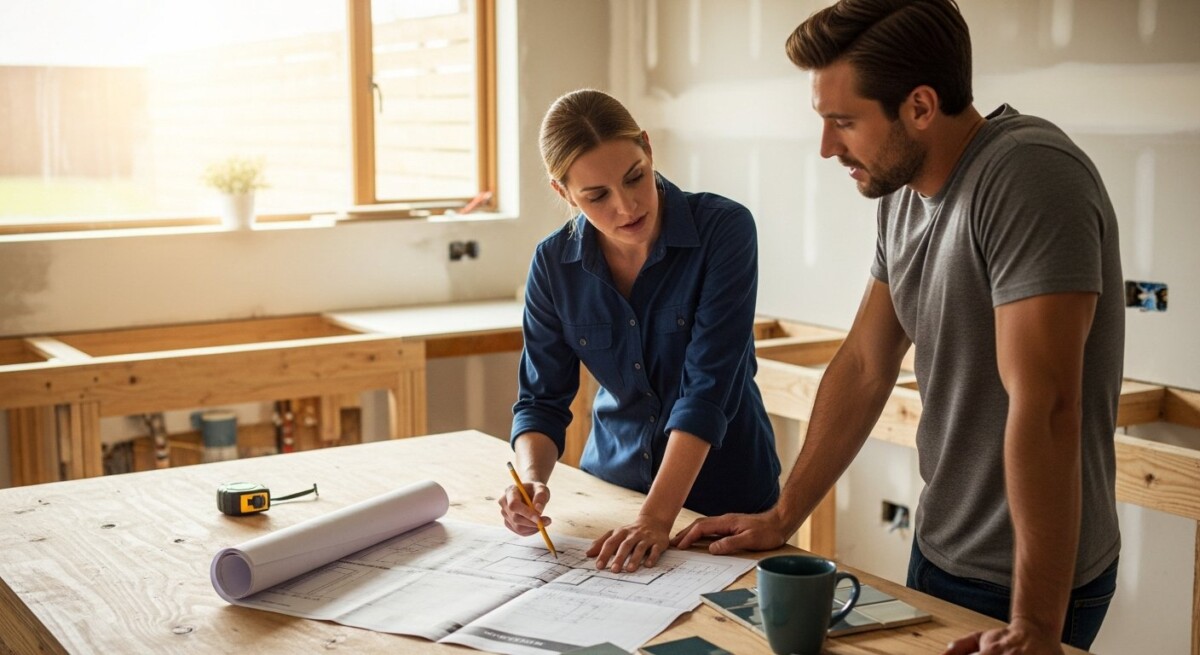
Construction Estimates Explained: A Homeowner’s Guide
A clear guide for homeowners on understanding construction estimates, why they matter, and how to compare contractor quotes for your project.
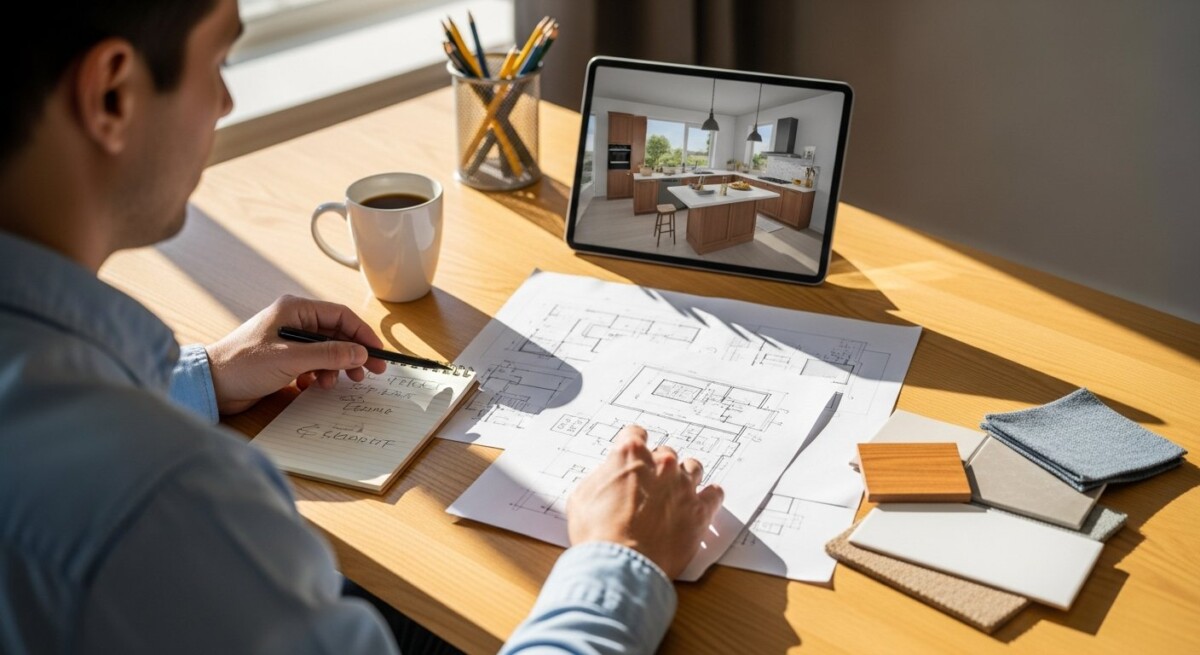
Contractor Bid vs Estimate: What Homeowners Must Know
Learn the crucial difference between a contractor bid vs estimate to protect your budget and ensure a successful home project.
How Accurate Are Contractor Estimates for Homeowners?
Learn how accurate contractor estimates really are, why they vary, and how to get a reliable quote for your home project.
Find a Pro!
"*" indicates required fields