
Hail Damage Roof Repair vs Replacement Insurance Claim
Deciding between hail damage roof repair vs replacement insurance claim? Get expert guidance and free quotes. Call 8333658755 for help.

By Justin Blake
Learn more about Roof Repair or Maintenance for guides, costs, and what to expect.
Compare Roof Repair or Maintenance Pros Near You

Enter your ZIP code to compare top-rated local professionals and request free quotes.
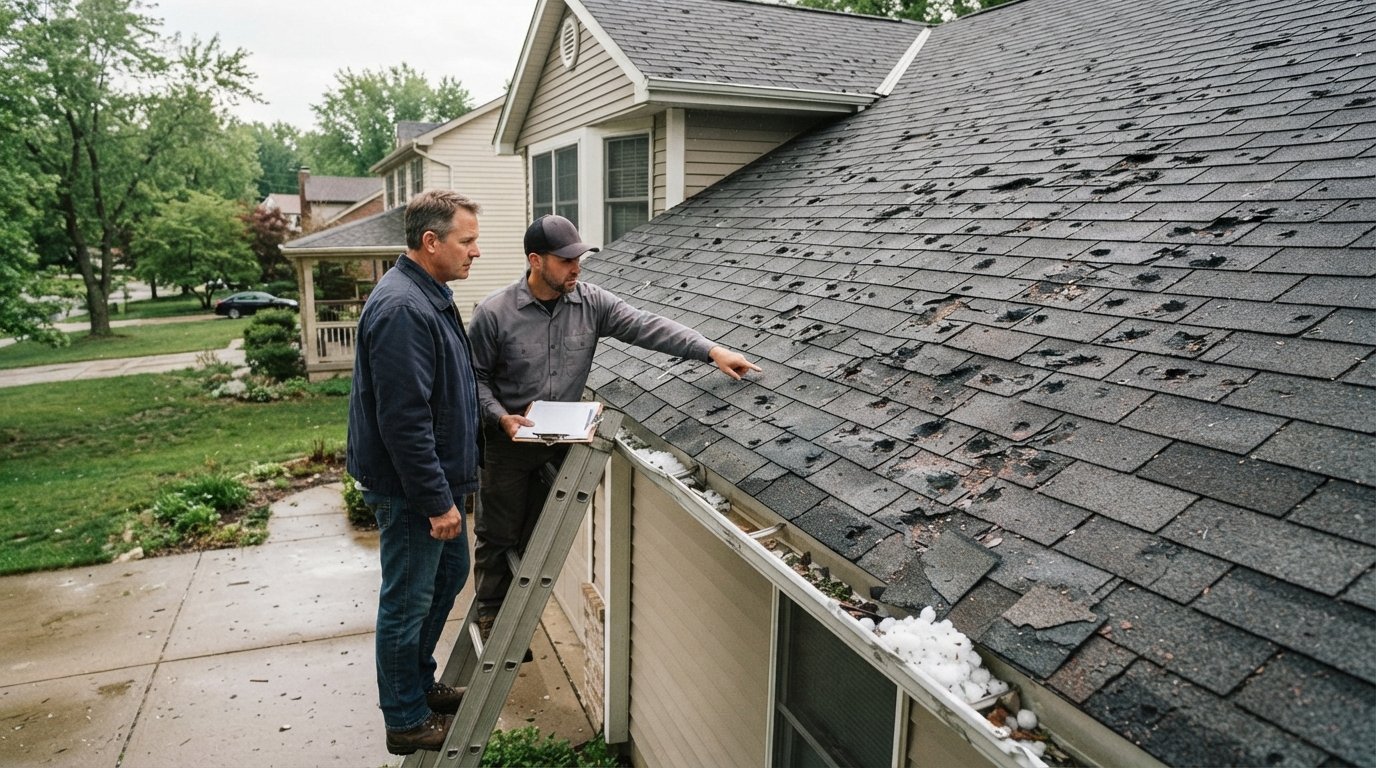
When a hailstorm rolls through your neighborhood, the aftermath can leave you staring at a roof that looks like it has been through a war zone. Dents in shingles, cracked tiles, and dented gutters are obvious signs of trouble. But the real question that keeps homeowners up at night is whether to file an insurance claim for repairs or go all-in on a full replacement. The decision is not just about fixing your roof today; it is about protecting your home's value, your wallet, and your peace of mind for years to come. With insurance premiums on the line and contractors offering differing opinions, you need a clear framework to cut through the noise.
In this guide, we will walk you through the critical differences between repairing and replacing a hail-damaged roof, how insurance claims factor into each path, and the steps you should take to maximize your recovery while minimizing long-term costs. We will also share how to find trustworthy professionals who can give you honest assessments, not just sales pitches. Whether you are in Atlanta, Georgia, or anywhere else in the United States, the principles remain the same: understand your policy, document everything, and make an informed choice that serves your home's best interest.
Understanding Hail Damage: More Than Just Dents
Hail damage is not always as obvious as a missing shingle. It can manifest as granule loss, which exposes the asphalt beneath to UV rays and accelerates deterioration. You might see bruising on softer metals like vents and flashing, or fractures in the mat layer of shingles that are invisible from the ground. These issues compromise the roof's ability to shed water, leading to leaks, mold, and structural rot if left unchecked. Insurance adjusters are trained to spot these signs, but they also rely on you to report the damage promptly.
The extent of damage depends on several factors: the size and density of the hail, the age and material of your roof, and the angle of impact. A roof that is already 15 years old may have weakened shingles that shatter easily, while a newer roof might sustain only cosmetic dents. This is why two neighbors can have vastly different outcomes after the same storm. Before you decide between repair and replacement, you need a professional inspection that goes beyond a quick glance. A certified roofer will check for:
- Bruised or cracked shingles, especially on slopes facing the storm
- Dented gutters, downspouts, and vents
- Granule accumulation in gutters and at the base of downspouts
- Exposed nail heads or fractured seals around flashing
- Soft spots or sagging that indicate underlying deck damage
Once you have a clear picture of the damage, you can weigh the repair versus replacement decision against your insurance policy. Remember, most homeowners insurance policies cover sudden and accidental damage from hail, but they may not cover wear and tear or poor maintenance. If your roof was already in disrepair, the insurer might only pay for the storm-related portion, leaving you with a hefty bill for the rest.
Repair vs. Replacement: The Core Decision
The choice between repairing and replacing your hail-damaged roof hinges on three key factors: the extent of the damage, the age of your roof, and your long-term plans for the home. A repair typically involves replacing individual shingles or small sections, while a replacement means tearing off the old roof and installing a new one. The cost difference can be substantial, but so can the longevity and performance.
If the damage is isolated to a few shingles and your roof is relatively new (under 10 years old), a repair is often the most cost-effective solution. It addresses the immediate problem without the expense of a full replacement. However, if the damage is widespread, or if your roof is nearing the end of its expected lifespan (15 to 25 years for asphalt shingles), replacement may be the smarter investment. Patching an old roof can be a temporary fix that leads to recurring leaks and higher energy bills.
Insurance claims add another layer of complexity. Most policies have a deductible, and filing a claim can affect your premiums. If the cost of repairs is only slightly above your deductible, it might not be worth filing a claim at all. On the other hand, if the damage is severe and replacement is necessary, the insurance payout could cover thousands of dollars, making the claim worthwhile. To navigate this, you need to understand how insurers evaluate hail damage and what they are willing to pay for.
How Insurance Claims for Hail Damage Work
Filing a hail damage claim is a structured process that starts with a phone call to your insurer. They will assign an adjuster to inspect your roof and assess the damage. The adjuster's report will determine whether the damage is covered and how much the insurer will pay. It is crucial to be present during the inspection and to have your own contractor present as well. A reputable roofer can point out damage that the adjuster might miss and advocate for a fair settlement.
Once the adjuster submits their report, you will receive a claim decision. If approved, the insurer will typically issue a payment for the actual cash value (ACV) of the damage, minus your deductible. ACV is the replacement cost minus depreciation. If you have replacement cost value (RCV) coverage, you will receive the full replacement cost upfront, but you may need to complete the work and submit receipts to recover the depreciation holdback. This is a critical distinction: ACV policies often leave homeowners with a gap between the payout and the actual cost of replacement.
Understanding your policy's terms is essential. Look for exclusions, such as cosmetic damage exclusions, which some insurers use to deny claims for purely aesthetic damage. Also, check for time limits on filing claims, as some states have strict deadlines. If your claim is denied or undervalued, you have the right to appeal. This is where a knowledgeable contractor can help by providing detailed documentation and photographs.
When Repair Makes Sense
Repairing your roof after hail damage is often the right call when the damage is localized and your roof is otherwise in good condition. For example, if a single slope of your roof took the brunt of the storm and the rest is intact, replacing just that section can restore your roof's integrity at a fraction of the cost. This approach also minimizes disruption to your daily life and reduces waste sent to landfills.
However, repairs are not without risks. If the underlying issue, such as poor ventilation or inadequate flashing, is not addressed, new shingles may fail prematurely. Moreover, if you have a repair done and later discover more damage, your insurer might question why you did not file a claim for the full extent initially. It is wise to have a contractor document all damage, even if you opt for a repair, so you have a record if problems arise later.
Another scenario where repair is preferable is when your deductible is high and the total repair cost is only slightly above it. For instance, if your deductible is $2,000 and repairs cost $2,500, filing a claim might only net you $500 after the deductible, and your premium could increase by more than that over time. In such cases, paying out of pocket for the repair keeps your claims history clean and may save you money in the long run.
When Replacement Is the Better Choice
Replacement becomes the clear winner when hail damage is extensive, affecting multiple areas of your roof or compromising its structural integrity. If your roof is older and already showing signs of wear, a storm can be the tipping point that makes replacement inevitable. A new roof not only resolves the immediate damage but also upgrades your home's curb appeal, energy efficiency, and resale value.
From an insurance perspective, a full replacement claim is more likely to be approved if the damage is severe and well-documented. Insurers prefer to pay for a one-time replacement rather than multiple repairs that could lead to future claims. If your roof is totaled, meaning the cost to repair exceeds a certain percentage of the replacement cost (often 50%), the insurer may declare it a total loss and pay for a new roof.
It is also important to consider the age of your roof. If it is over 15 years old and you plan to stay in your home for at least five more years, replacing it now with hail-resistant materials can save you money on future insurance premiums and prevent the hassle of another claim. Many insurers offer discounts for impact-resistant shingles, which can withstand hail up to 2 inches in diameter.
Steps to Take After Hail Damage
When the storm passes, your first priority is safety. Stay off the roof and avoid touching downed power lines. Once it is safe, document the damage with photos and videos from the ground. Then, follow these steps to protect your interests:
- Contact your insurance company promptly. Report the damage and ask about your policy's coverage and claim process. Keep a record of all communications.
- Get a professional inspection. Hire a licensed and insured roofing contractor to assess the damage. Do not rely solely on the insurance adjuster, who may not catch everything.
- Obtain multiple estimates. Get at least three written estimates for repair or replacement. This helps you understand the scope of work and fair pricing.
- Review your policy and claim decision. Understand what is covered and what your deductible is. If the claim is denied, ask for the reason in writing and consider an appeal.
- Choose a reputable contractor. Verify licenses, insurance, and references. Avoid storm chasers who demand upfront payment and disappear after the job.
Throughout this process, keep detailed records of all expenses, including temporary repairs like tarps. Your insurer may reimburse you for these costs. Also, be wary of contractors who offer to waive your deductible, as this is illegal in many states and can void your insurance policy.
For homeowners in Arizona, the intense sun and monsoon storms can exacerbate hail damage. If you are looking for roof repair in Arizona, it is important to work with local experts who understand the unique climate challenges and building codes.
Working with Contractors and Avoiding Scams
After a major hail storm, your neighborhood may be flooded with out-of-town contractors looking to make a quick buck. While some are legitimate, others are fly-by-night operations that take your money and run. To protect yourself, always check for a physical local address, a valid license, and proof of insurance. Ask for references from past customers and look for online reviews.
A trustworthy contractor will provide a detailed written estimate that breaks down materials, labor, and timelines. They will also help you navigate the insurance claim process without pressure. If a contractor promises to cover your deductible or offers a "free roof," that is a red flag. Insurance fraud is a serious offense and can leave you liable for repayment.
Consider using a platform like FreeQuotes.Contractors to connect with pre-vetted local professionals. Such services can streamline the process of getting multiple quotes and ensure you are working with reputable companies. Always verify that the contractor is licensed to work in your state and carries both general liability and workers' compensation insurance.
Before signing a contract, read the fine print. Ensure it includes a scope of work, payment schedule, warranty details, and a clause for change orders. Never pay the full amount upfront; a typical schedule is 10% to 20% down, with the balance due upon completion. Also, insist on a lien waiver from subcontractors and suppliers to avoid liens on your property.
Long-Term Considerations and Prevention
Once your roof is repaired or replaced, think about how to prevent future hail damage. Impact-resistant shingles (Class 4) are designed to withstand severe hail and may qualify you for insurance discounts. Regular roof inspections, especially after storms, can catch small issues before they become major problems. Keeping your gutters clean and trimming overhanging branches also reduces the risk of damage.
From a financial perspective, weigh the cost of upgrading to a hail-resistant roof against the potential savings on premiums and repairs. While the upfront cost may be higher, the long-term benefits can outweigh the initial investment. Additionally, a new roof can increase your home's resale value and improve its energy efficiency, especially if you choose reflective or cool roofing materials.
Finally, review your insurance policy annually to ensure you have adequate coverage. As construction costs rise, your dwelling coverage may need to be adjusted to reflect current replacement costs. Talk to your agent about your options and consider a separate wind and hail deductible if you live in a high-risk area.
Navigating the aftermath of a hailstorm is stressful, but with the right information and professionals by your side, you can make a decision that protects your home and your finances. Whether you choose repair or replacement, prioritize quality workmanship and transparent communication. Your roof is your home's first line of defense; treat it with the care it deserves.