
Get Accurate Contractor Estimates for Your Home Project

You’ve finally decided to tackle that kitchen remodel or fix that persistent leak in the basement. You start searching online, asking friends for recommendations, and soon you have a list of contractors. But when you call, each one asks to see the project in person before giving a price. You’re left wondering: how do you get a clear, fair, and comparable estimate without feeling pressured or confused? This initial step,the contractor estimate,is where many homeowners feel uncertain, and where costly misunderstandings can begin if not handled properly.
Understanding Contractor Estimate Service
A contractor estimate service is a professional process where a qualified contractor assesses your home project and provides a detailed breakdown of the expected costs. It’s more than just a quick guess or a ballpark figure. It’s a formal document that outlines the scope of work, materials, labor, timeline, and total price.
This service happens because every home and project is unique. An experienced contractor needs to see the space, understand your goals, and identify any potential hidden issues before committing to a price. It protects both you and the contractor by setting clear expectations from the very start.
While all homes benefit from detailed estimates, they are especially crucial for older homes, major renovations, or projects involving structural, electrical, or plumbing work. These projects often uncover surprises that a thorough estimate can help anticipate.
Why This Matters for Your Home
An accurate estimate is your first line of defense against budget overruns and project headaches. It transforms a vague idea into a concrete plan, giving you financial clarity and control. Without it, you’re essentially giving a blank check, which can lead to stress and disputes down the line.
More importantly, a professional estimate considers safety and long-term integrity. A contractor isn’t just pricing labor; they’re evaluating if the work meets building codes, uses proper materials, and will last. Cutting corners during the estimate phase often leads to cutting corners in the work itself, jeopardizing your home’s safety and value.
If you notice signs of this issue in your home, it may help to speak with a qualified contractor. Request a free quote or call to explore your repair or remodeling options.
Common Problems Homeowners Experience
Many homeowners face similar frustrations when seeking estimates. The most common issue is receiving a vague, one-line total with no detail on what it includes. This makes it impossible to compare bids or understand what you’re paying for.
Other problems arise from estimates that are unrealistically low to win the job, only to have “change orders” and extra fees appear later. This bait-and-switch tactic can blow your budget apart. Conversely, some homeowners receive estimates that seem high but lack the explanation to justify the cost, leaving them unsure if they’re getting a fair deal.
- Vague or incomplete cost breakdowns.
- Unrealistically low “bait” estimates that increase later.
- Significant price differences between contractors for the same described work.
- Estimates that don’t account for potential hidden problems (like rot behind walls or outdated wiring).
- Pressure to sign a contract immediately before you can compare options.
- Long delays in receiving a written estimate after the initial visit.
How Professionals Solve the Problem
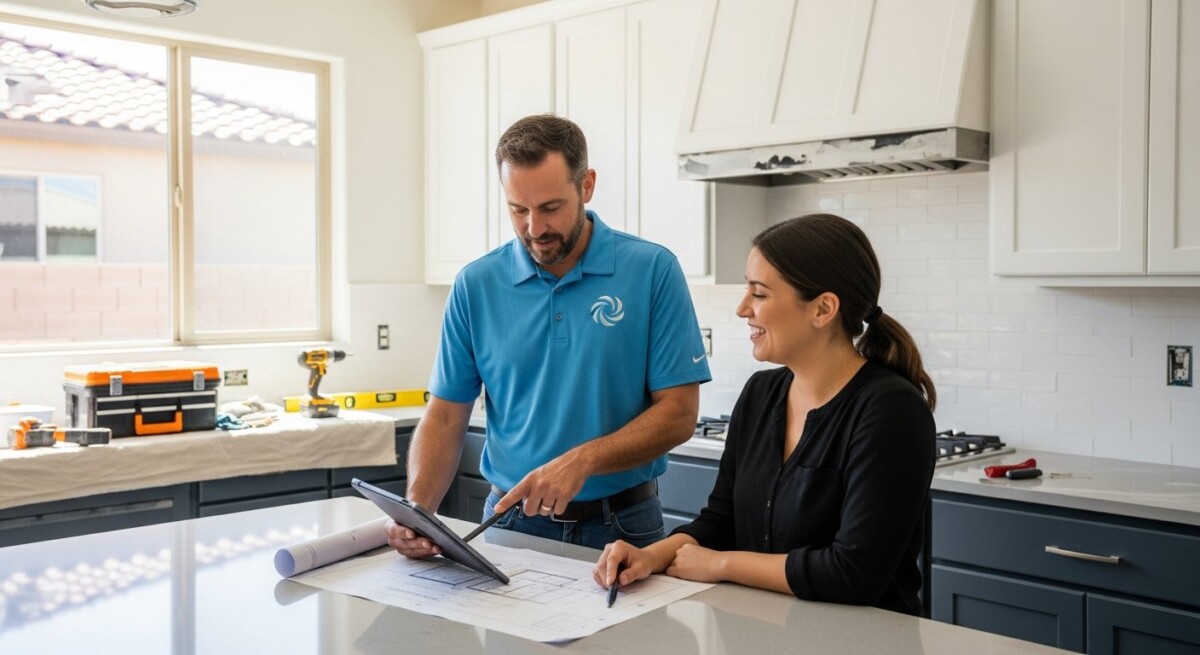
A reputable contractor approaches an estimate as a collaborative planning session. Their goal is to understand your vision fully and then map out the most efficient, safe, and cost-effective path to achieve it. They bring knowledge of materials, building science, and local regulations that most homeowners simply don’t have.
This professional process is far more reliable than a DIY guess or a quick online calculator. It accounts for real-world complexities, ensuring the work is done right the first time. This saves you money on future repairs and protects your home’s structure. For a deeper look at this process, our guide on how contractor estimates work breaks it down step-by-step.
- Initial Consultation: The contractor visits your home, listens to your needs, and examines the project area.
- Assessment & Measurement: They take precise measurements, note existing conditions, and identify any special requirements or challenges.
- Scope of Work Definition: They draft a detailed description of every task to be performed.
- Material & Labor Calculation: They specify the quality and quantity of materials needed and calculate the labor hours required.
- Final Quote Preparation: They compile everything into a clear, itemized estimate with a total project cost and proposed timeline.
A professional inspection can reveal hidden issues before they become expensive repairs. Compare contractor quotes here or call to discuss your project.
Warning Signs You Should Not Ignore
When reviewing an estimate, certain red flags should prompt you to ask more questions or seek another opinion. The estimate itself is a reflection of how the contractor does business. If it’s sloppy or unclear, the work might be, too.
Ignoring these warning signs can lead to a nightmare project. You might end up with unfinished work, subpar materials, or constant requests for more money. Taking the time to get a proper estimate from the beginning is the single best way to ensure a smooth, successful project.
- The estimate is verbal only, with nothing in writing.
- You’re asked for a large deposit (more than 10-15%) before work begins.
- The contractor is reluctant to provide references or proof of insurance and licensing.
- Key details like brand names, material grades, or model numbers are missing.
- The timeline seems impossibly short compared to other bids.
- The contractor pressures you to sign immediately, claiming the price is only good for today.
What Affects the Cost of Repairs or Installation
Many factors influence the final number on a contractor’s estimate. The size and complexity of the project are the most obvious. A whole-house renovation will cost more than a bathroom update, and moving plumbing lines is more involved than painting walls.
Material choices create a significant cost range. Contractor-grade cabinets differ in price from custom solid wood, and architectural shingles cost more than basic 3-tab asphalt. Labor intensity also plays a role; intricate tile work or detailed carpentry requires more skilled hours than straightforward installation. The age and condition of your home can add cost if the contractor needs to remediate mold, update old wiring, or level uneven floors before starting the new work.
Costs can vary depending on the condition of your home. The best way to know the price is to get a personalized estimate. Request free quotes from contractors or call today.
How to Choose the Right Contractor
Your choice of contractor is as important as the estimate itself. Start by verifying their credentials. A legitimate contractor should be licensed, insured, and willing to provide that information. This protects you from liability if an accident occurs on your property.
Next, look at their reputation. Read online reviews and ask for references from past clients with similar projects. When you have estimates in hand, take the time to compare contractor estimates line-by-line, not just by the bottom-line total. This ensures you are comparing the same quality and scope of work.
- Verify state or local licensing and current insurance (liability and workers’ compensation).
- Read recent reviews on multiple platforms and ask for 2-3 client references.
- Ensure the estimate is detailed, itemized, and specifies materials by brand/grade.
- Get at least three written estimates for any significant project.
- Choose a contractor who communicates clearly, answers your questions patiently, and makes you feel comfortable.
Long-Term Benefits of Professional Work
Investing in a professional contractor who provides a thorough estimate pays dividends long after the project is complete. Properly installed repairs and renovations last longer, perform better, and require less maintenance. This saves you money and hassle over the years.
Quality work also enhances your home’s safety, energy efficiency, and market value. A roof installed correctly won’t leak, energy-efficient windows lower utility bills, and a well-executed kitchen remodel significantly boosts resale value. Most importantly, you gain peace of mind knowing the job was done right, protecting your family and your largest investment.
What is included in a contractor’s estimate?
A good estimate should include a detailed scope of work, a list of materials with specifications, the cost of labor, a project timeline, payment schedule, and the total cost. It may also note assumptions, like “assuming no structural issues are found,” and outline warranty information. This clarity is what allows you to make an informed decision.
How long does it take to get a contractor estimate?
For most projects, a contractor will need to schedule an in-home consultation, which can take 30 minutes to an hour. After that, they typically need 1-3 business days to prepare a detailed written estimate. For very large or complex projects, this process may take a bit longer as they may need to consult with subcontractors or engineers.
Should I always choose the lowest estimate?
Not necessarily. The lowest estimate can sometimes indicate lower-quality materials, less experienced labor, or an incomplete scope that will lead to change orders. It’s essential to compare what each estimate includes. Often, the middle-priced bid from a highly-recommended contractor offers the best balance of value, quality, and reliability.
Is a contractor estimate binding?
An estimate is typically a non-binding approximation of costs. A quote or proposal, however, is usually a fixed-price offer for the specified work. It’s important to ask the contractor which they are providing. The estimate often becomes binding once both parties sign a contract based on its terms.
How can I get fast contractor estimates?
While a thorough estimate takes time, you can speed up the process by being prepared. Have your project goals, inspiration photos, and a rough budget in mind. You can also use services designed to connect you with pre-vetted local contractors. For a streamlined approach, learn more about how to get fast contractor estimates online through reputable platforms.
What questions should I ask during the estimate visit?
Ask about their experience with similar projects, who will be supervising the job daily, how they handle permits, their cleanup process, and their warranty on both materials and labor. Also, ask how they communicate during a project and how they handle unexpected issues that may arise once work begins.
Getting accurate, detailed contractor estimates is the foundation of any successful home project. It turns uncertainty into a clear plan, protects your budget, and ensures the work enhances your home’s safety, comfort, and value for years to come. By taking the time to understand and compare estimates from qualified professionals, you invest not just in your home, but in your peace of mind. Start by requesting a few quotes to understand your options and take control of your next home improvement project.

About
Finding Trusted Home Contractors in Phoenix Arizona
A guide for Phoenix homeowners on finding and working with reliable home contractors for repairs and renovations.
Get Accurate Contractor Estimates for Your Home Project
A guide to understanding and obtaining accurate contractor estimates for home projects, ensuring clarity, fair pricing, and successful outcomes.

Get Fast Home Renovation Estimates Without the Stress
Learn how to get fast, reliable home renovation estimates without the guesswork. A clear guide for homeowners planning updates.
Find a Pro!
"*" indicates required fields