
French Drain Yard Drainage Cost: 2026 Guide
Discover the cost to install a French drain for yard drainage, from materials to labor, and get tips to save on your project.

By Margaret Sheridan
Learn more about Home Waterproofing for guides, costs, and what to expect.
Compare Home Waterproofing Pros Near You

Enter your ZIP code to compare top-rated local professionals and request free quotes.
Standing water in your yard is more than an eyesore. It can weaken your foundation, kill your grass, and turn your backyard into a mosquito breeding ground. If you are dealing with soggy patches after every rain, a French drain is often the most effective fix. But before you call a contractor, you need to know what this project will cost. The cost to install a French drain for yard drainage typically ranges from $1,500 to $12,000, with most homeowners paying around $4,500. That wide range depends on several factors, which we will break down in this guide so you can budget accurately and avoid surprises.
In this article, we will cover everything from material choices and labor rates to how your yard's unique layout affects the final price. We will also help you decide whether to hire a professional or tackle the project yourself, and we will show you how to get free, no-obligation quotes from vetted local contractors. By the end, you will have a clear picture of what to expect and how to plan your drainage project with confidence.
What Is a French Drain and How Does It Work?
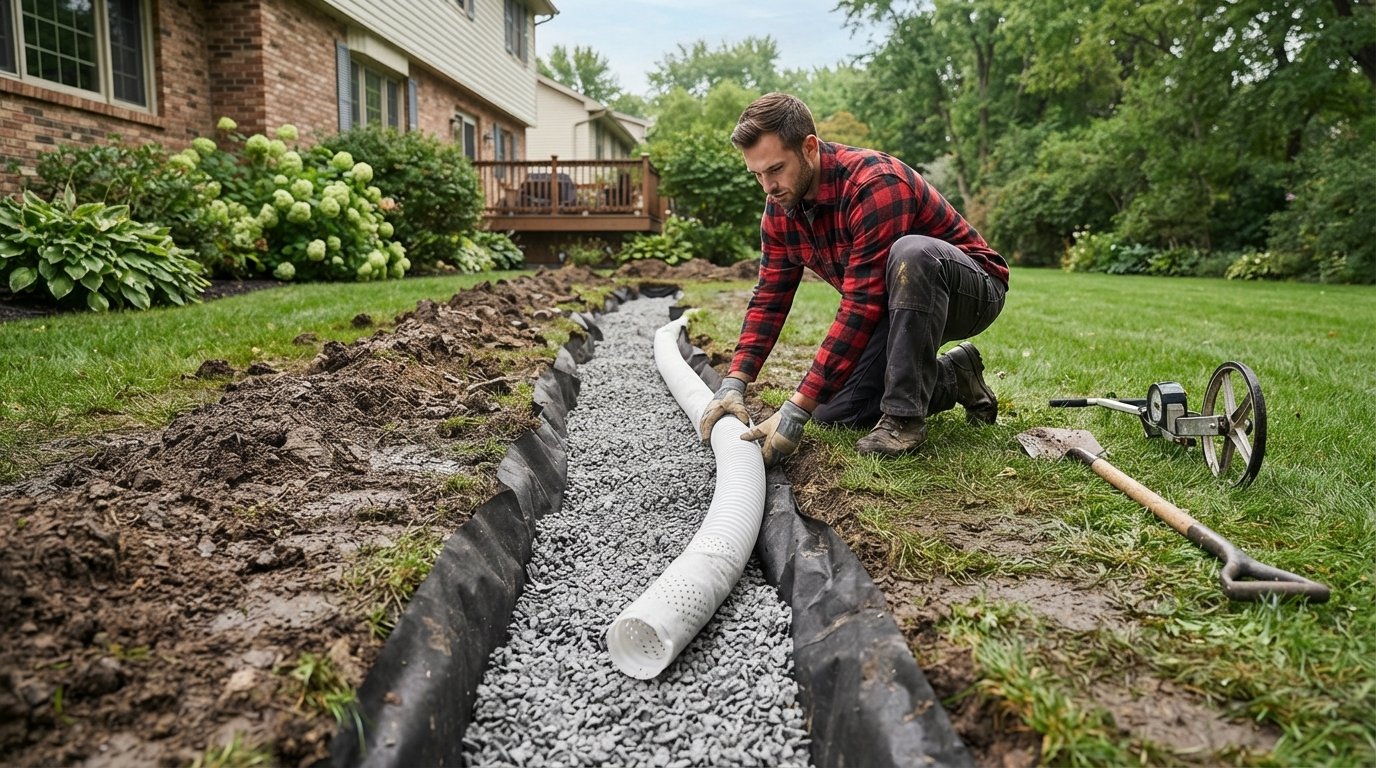
A French drain is a simple but highly effective drainage system. It consists of a trench filled with gravel and a perforated pipe that redirects surface water and groundwater away from problem areas. The pipe is laid at a slight slope, so water naturally flows downhill to a designated discharge point, such as a storm drain, dry well, or a low spot in your yard. The gravel around the pipe filters the water and prevents soil from clogging the system.
French drains can be installed for various purposes, including protecting your home's foundation, preventing water from pooling in low-lying areas, or managing runoff from downspouts. They are especially common in regions with heavy rainfall or clay soil, which drains poorly. The type of French drain you need will influence the cost to install a French drain for yard drainage, as some systems require more excavation and materials than others.
Types of French Drains
There are two primary types of French drains: interior and exterior. Interior drains are installed under the basement floor to manage water that seeps in through the foundation. Exterior drains, which are the focus of this article, are installed in your yard or around the perimeter of your home. Exterior systems are more common for yard drainage and are generally less expensive because they do not require breaking up concrete.
Within exterior drains, you can choose between a traditional gravel-filled trench or a newer, fabric-wrapped pipe system. The latter uses a geotextile fabric to wrap the pipe, which can reduce the amount of gravel needed and make the system more efficient. However, the labor and pipe costs are similar, so the price difference is minimal. Your contractor will recommend the best option based on your soil type and the volume of water you need to manage.
Average Cost Breakdown by Project Size
The total cost to install a French drain for yard drainage is largely driven by the length of the trench. Contractors typically charge per linear foot, and the price per foot decreases as the project gets larger. Here is a rough breakdown based on common project sizes:
- Small project (25-50 feet): $1,500 to $3,000
- Medium project (50-100 feet): $3,000 to $6,000
- Large project (100-200 feet): $6,000 to $12,000
- Extra-large or complex (200+ feet): $12,000 to $20,000 or more
These figures include both materials and labor. For a typical suburban yard with moderate water issues, a 60-foot drain will set you back around $3,500 to $5,000. If you need multiple drain lines or a more complex discharge system, the price will climb accordingly. It is always wise to get at least three quotes from different contractors, as prices can vary significantly based on local labor rates and the contractor's level of expertise.
Keep in mind that these are average costs. Your actual quote will depend on your specific property, the accessibility of the installation site, and the contractor you choose. To get a precise estimate for your project, consider using an online quote matching service like FreeQuotes.Contractors, which connects you with pre-screened local professionals who can provide tailored bids.
Key Factors That Influence the Cost to Install a French Drain for Yard Drainage
Several variables can push the price of your French drain up or down. Understanding these factors will help you ask the right questions when you request quotes and avoid being overcharged.
1. Trench Length and Depth
The longer and deeper the trench, the more material and labor required. Most French drains are 12 to 24 inches wide and 18 to 24 inches deep, but deeper systems may be needed if you have a high water table or poor soil. Excavation is the most labor-intensive part of the job, so anything that increases the digging time will add to the cost.
2. Soil and Terrain Conditions
If your yard is full of rocks, dense clay, or tree roots, the excavation will be more difficult and time-consuming. Contractors may need to use specialized equipment, which can raise the labor cost. Conversely, loose, sandy soil is easier to dig and will keep the price down. The slope of your property also matters; a gentle slope is ideal for gravity-fed drainage, while a flat yard may require additional grading or a sump pump to move the water.
3. Pipe and Gravel Material Quality
The type of pipe you choose affects the cost. PVC pipe is more expensive than corrugated polyethylene pipe, but it is more durable and less likely to clog. Gravel also varies in price, with washed, crushed stone costing more than pea gravel. High-quality materials will increase the upfront cost but can extend the life of your drain and reduce future maintenance needs.
4. Discharge Point Location
Where does the water go after it leaves the drain? If you have a convenient storm drain or street gutter nearby, the cost will be lower. If you need a dry well, a pop-up emitter, or a long extension to reach a suitable discharge area, the project will be more expensive. Some municipalities also require permits for drainage systems that connect to public storm sewers, which can add to the overall cost.
5. Contractor Labor Rates
Labor typically accounts for 50% to 70% of the total cost. Rates vary by region, with contractors in urban areas or high-cost-of-living states charging more than those in rural areas. The complexity of the job also affects labor time; a simple straight line is faster than a system with multiple turns or obstacles like patios and fences. Always ask for a detailed breakdown of labor and materials in your quote.
Additional Costs to Consider
Beyond the core installation, you may face extra charges that can affect the cost to install a French drain for yard drainage. These are not always included in the initial quote, so make sure to ask your contractor about them.
Permits: Some cities and counties require a permit for drainage work, especially if you plan to connect to a public storm sewer. Permit fees typically range from $50 to $500, depending on your local government. Your contractor can help you obtain the necessary permits, but the cost is usually passed on to you.
Landscaping Restoration: Digging a trench will disrupt your lawn, flower beds, and any hardscaping in the area. Restoring the surface can add $200 to $1,000 to the project, depending on how much landscaping you need to replace. Some contractors include basic sod or seed in their quote, while others charge extra.
Sump Pump: If your yard is flat or the water needs to be pumped uphill to reach a discharge point, you will need a sump pump. A basic sump pump costs between $200 and $600, and adding one to your French drain system can increase the total cost by $1,000 or more. This is a common upgrade for homes in low-lying areas.
Downspout Connections: If you want to connect your gutter downspouts to the French drain, you will need additional fittings and pipe. This is usually a small extra cost, but it can improve the overall effectiveness of your drainage system by managing roof runoff as well as groundwater.
DIY vs. Professional Installation
Many homeowners consider installing a French drain themselves to save money. While DIY installation is possible for simple, short runs, it is a labor-intensive project that requires careful planning and physical effort. You will need to rent a trenching machine, buy the pipe and gravel, and spend a full weekend digging. The cost of materials for a DIY project might be as low as $500 to $1,500 for a 50-foot drain, which is significantly less than hiring a professional.
However, there are several reasons to hire a professional. First, a contractor will have the experience to design a system that actually works. Poorly sloped drains, clogged pipes, and inadequate discharge are common DIY mistakes that can lead to ongoing water problems. Second, professionals have access to heavy equipment that can complete the job in hours rather than days. Finally, hiring a pro often comes with a warranty, giving you peace of mind that the system will perform as promised.
If you decide to hire a contractor, the best way to get a fair price is to compare multiple quotes. ContractorHomeQuotes can help you find up to three pre-screened local professionals who specialize in drainage systems. This service is free and puts you in control, allowing you to choose the contractor that best fits your budget and needs.
Regional Cost Variations
Where you live has a significant impact on the cost to install a French drain for yard drainage. Labor rates and material prices vary across the country, and local building codes can also affect the scope of work. Here are some general trends based on national data:
- Northeast: Higher labor costs, but many homes already have drainage infrastructure, which can lower the price of connecting to a discharge point.
- Midwest: Moderate costs due to flat terrain and a mix of soil types. Clay soil may require deeper trenches.
- South: Lower labor rates, but high humidity and frequent storms make drainage essential. Costs are often on the lower end of the national average.
- West: Higher costs in urban centers like California and Seattle, driven by labor rates and stricter environmental regulations.
To get a more accurate estimate for your area, consult local contractors or use an online cost estimator. Keep in mind that prices can change over time due to inflation and material shortages, so always get current quotes before budgeting.
How to Save Money on Your French Drain Project
While a French drain is a worthwhile investment, there are ways to reduce the cost without compromising quality. Here are some practical tips to keep your project within budget:
- Get multiple quotes: Always compare at least three bids from different contractors. This helps you spot overpriced offers and negotiate a fair rate.
- Choose the right materials: Ask your contractor about cost-effective alternatives. For example, corrugated pipe is cheaper than PVC and works well for most residential applications.
- Do some of the work yourself: You can save on labor by handling the landscaping restoration, such as reseeding or replanting, after the drain is installed.
- Combine projects: If you need other drainage or landscaping work, such as gutter installation or grading, bundle it with your French drain to get a better overall price.
Remember that the cheapest option is not always the best. A poorly installed drain will fail within a few years, costing you more in repairs. Focus on finding a reputable contractor who offers a fair price and a solid warranty.
Benefits of a French Drain Beyond Dry Soil
Investing in a French drain is not just about avoiding muddy shoes. A properly installed system offers several long-term benefits that can increase the value of your home and save you money down the road.
First, it protects your foundation by preventing water from pooling around the base of your house. Excess moisture can cause cracks in the concrete, bowing walls, and even basement flooding. Second, it improves the health of your lawn and plants by allowing roots to breathe and preventing root rot. Third, it reduces pest problems by eliminating the standing water that attracts mosquitoes and other insects.
Finally, a French drain can increase your property's curb appeal. No more swampy patches or erosion gullies. Instead, you get a lush, dry yard that you and your family can enjoy all year round. These benefits make the cost to install a French drain for yard drainage a smart investment for any homeowner.
When to Call a Professional
If you are unsure whether a French drain is the right solution for your water problems, consult a professional. A qualified contractor can assess your yard, identify the source of the water, and recommend the most effective drainage system. This is especially important if you have a complex situation, such as a high water table, poor soil, or a foundation that is already showing signs of damage.
Professional installation also ensures that the drain is properly sloped and connected, which is critical for long-term performance. A contractor will also handle any necessary permits and inspections, saving you time and hassle. Most reputable contractors offer a free initial consultation, so there is no risk in getting expert advice.
To find trusted professionals in your area, consider using a quote matching service. These platforms connect you with local experts who have been vetted for quality and reliability. You can compare quotes, read reviews, and make an informed decision without the pressure of a single sales pitch.
In our guide on flooring installation cost, we explain how similar factors like material choice and labor rates affect pricing. The same principles apply to drainage projects, so understanding those dynamics will help you budget for any home improvement.
Final Thoughts on Budgeting for a French Drain
Knowing the cost to install a French drain for yard drainage is the first step toward a dry, functional yard. Whether you choose a simple drain for a small soggy spot or a comprehensive system to protect your entire property, the investment is justified by the benefits you gain. By understanding the factors that influence pricing and comparing quotes from reputable contractors, you can ensure that your project stays on budget and delivers lasting results.
Remember to ask each contractor for a detailed written estimate that includes all materials, labor, and potential extras. Take the time to read reviews and check references before making your decision. With the right planning, you can enjoy a beautiful, water-free yard without breaking the bank. Start by getting free quotes today, and take the first step toward solving your drainage problems for good.