
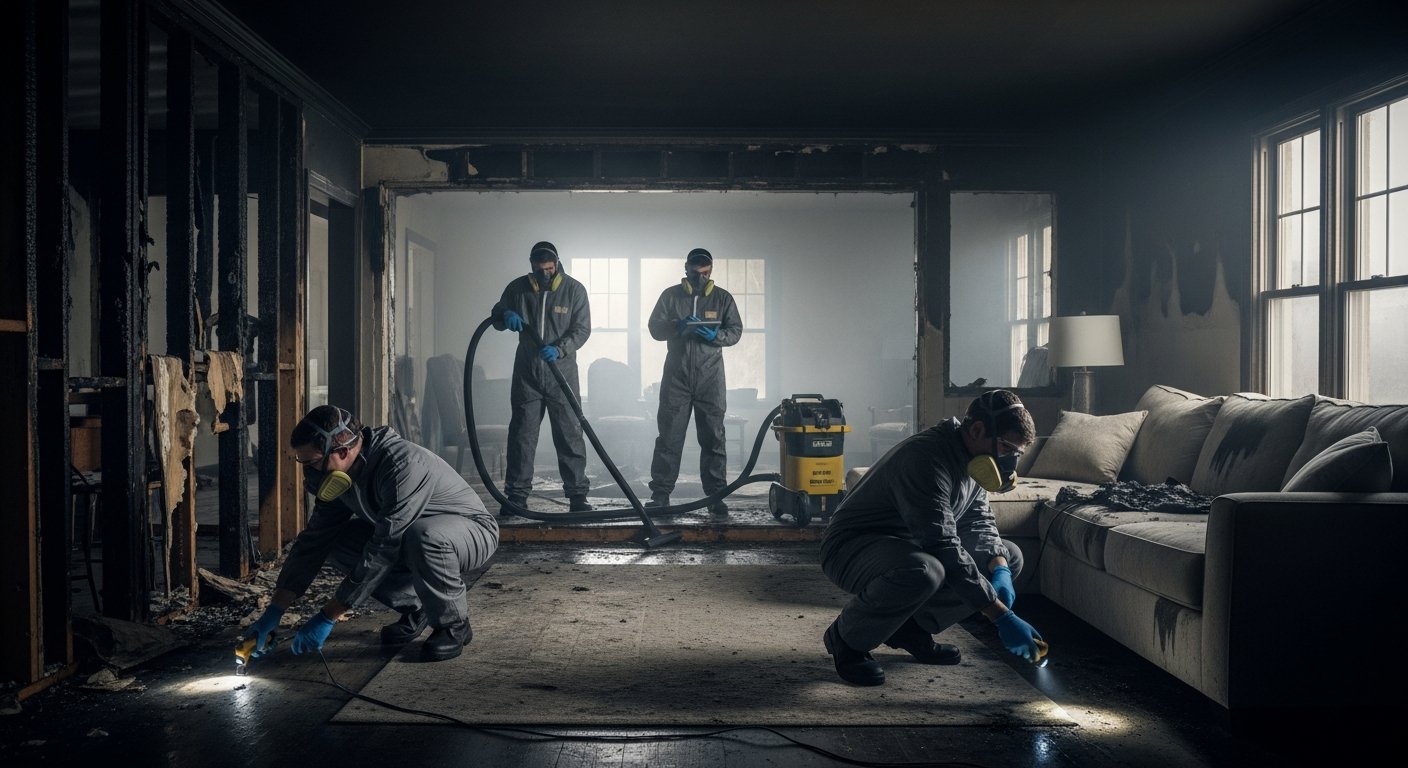
Fire Damage Restoration: Steps to Rebuild Your Home
Fire damage restoration involves more than cleaning. Learn the steps, costs, and how to choose the right contractor for a successful rebuild.

By Joshua Benson
Learn more about Water Damage Cleanup and Restoration for guides, costs, and what to expect.
Compare Water Damage Cleanup and Restoration Pros Near You

Enter your ZIP code to compare top-rated local professionals and request free quotes.
When fire strikes a home, the aftermath can feel overwhelming. The flames may be extinguished, but the damage lingers in the form of smoke residue, soot, structural weakening, and water from firefighting efforts. For many homeowners, the path to recovery begins with a single critical process: professional fire damage restoration. This is not merely about cleaning; it is about systematically returning your property to a safe, livable condition. Understanding what this process involves can help you act quickly, make informed decisions, and work effectively with contractors. This guide walks you through the essential steps, costs, and considerations, so you can navigate the restoration journey with confidence.
What Does Fire Damage Restoration Actually Include?
Fire damage restoration is a comprehensive service that addresses all types of damage caused by a fire, including heat damage, smoke damage, soot contamination, and water damage from firefighting efforts. Professional restoration companies do far more than just wipe down surfaces. They assess structural integrity, remove debris, clean and sanitize affected areas, neutralize odors, and restore your home to its pre-loss condition.
The scope of work is often broader than homeowners expect. For example, soot can travel through HVAC systems and settle in every room, even those far from the fire. Smoke residues are acidic and can corrode metals, discolor plastics, and permanently stain fabrics if left untreated. Water used to extinguish the fire can seep into walls and floors, leading to mold growth within days. A professional restoration team handles all these interconnected issues using specialized equipment and techniques.
Here is a breakdown of the core components of a typical restoration project:
- Emergency board-up and tarping to secure the property from further damage.
- Water extraction and drying to prevent secondary water damage and mold.
- Smoke and soot removal from all surfaces, including walls, ceilings, and contents.
- Cleaning and sanitizing of salvageable belongings, such as furniture and clothing.
- Structural repairs and reconstruction, from minor drywall patches to major framing work.
- Odor removal using thermal fogging or ozone treatments to eliminate smoke smells.
Each of these steps requires specific expertise and equipment. While a homeowner might be tempted to handle cleaning themselves, professional restoration ensures that hidden damage is addressed, which is critical for safety and preventing long-term issues.
The Step-by-Step Fire Damage Restoration Process
Restoration is a multi-phase process that typically takes anywhere from a few weeks to several months, depending on the severity of the damage. Understanding the sequence can help you prepare and communicate effectively with your restoration team. Here is what you can expect after a fire.
Emergency Response and Initial Assessment
The first step is immediate response. Most restoration companies offer 24/7 emergency services because time is critical. They will arrive at your property, secure the site, and perform a thorough assessment of the damage. This includes inspecting the structural integrity of the building, identifying hazardous conditions, and documenting the extent of the loss for insurance purposes. The team will also extract any standing water and begin drying processes to prevent further deterioration.
Content Cleaning and Pack-Out
Your personal belongings, including furniture, clothing, electronics, and keepsakes, require special attention. Restoration professionals often use a process called pack-out, where they inventory, pack, and transport your items to a secure facility for specialized cleaning. This includes ultrasonic cleaning for electronics, dry cleaning for fabrics, and immersion cleaning for hard goods. Items that cannot be safely restored are documented for insurance claims. This step is crucial for preserving as much of your personal property as possible.
Smoke and Soot Removal
Smoke and soot are pervasive and corrosive. Restoration technicians use various methods to remove them, depending on the type of smoke (wet, dry, protein, or fuel-based) and the surface affected. Dry sponges, vacuuming with HEPA filters, and chemical cleaners are common tools. In many cases, walls and ceilings may need to be washed multiple times. This step is labor-intensive, but it is essential for both appearance and health, as soot particles can be harmful if inhaled.
Structural Drying and Dehumidification
After the fire is out, water damage from firefighting efforts is often the next biggest threat. Restorers use industrial-grade dehumidifiers and air movers to dry out the building materials. This step can take several days, and moisture levels are monitored with specialized meters to ensure the structure is completely dry. Failing to dry properly can lead to mold growth, wood rot, and warping, which would compromise the integrity of your home.
Repairs and Reconstruction
Once the property is clean and dry, restoration moves to the repair phase. This can involve minor repairs, such as replacing drywall and re-carpeting, or major reconstruction, such as rebuilding entire rooms or sections of the house. The goal is to bring the property back to its original condition. Your restoration contractor will coordinate with subcontractors, such as electricians, plumbers, and carpenters, to ensure all work meets local building codes. This is also the stage where you might decide to make improvements or upgrades, as the space is already being renovated.
Final Cleaning and Odor Removal
The last step is a comprehensive final clean. Restoration teams will wipe down all surfaces, clean air ducts, and use specialized equipment like thermal foggers or ozone generators to neutralize lingering smoke odors. They also clean the interior of your home to a livable standard, ensuring that the air quality is safe. A final inspection is conducted to ensure that the restoration is complete and meets both your expectations and insurance requirements.
Cost of Fire Damage Restoration: What to Expect
One of the most pressing questions for homeowners is, "How much will this cost?" The answer varies widely based on several factors, including the extent of the damage, the size of your home, the materials affected, and your geographic location. On average, homeowners can expect to pay anywhere from $3,000 for small, localized fires to $50,000 or more for significant structural damage. For severe, whole-home fires, costs can easily exceed $100,000.
Here are the primary factors that influence the final price:
- Extent of structural damage: Whether the fire affected only a single room or the entire structure.
- Smoke and soot contamination: The severity and type of smoke residue, which affects cleaning methods.
- Water damage: The volume of water used to extinguish the fire and the resulting drying needs.
- Contents and personal property: The amount and type of belongings that require cleaning or replacement.
- Labor and materials: Local market rates for construction and restoration services.
To get an accurate estimate for your specific situation, it is essential to obtain multiple quotes from licensed restoration contractors. These quotes should include a detailed breakdown of costs, so you can compare them fairly. Many restoration companies also work directly with insurance providers, and they can help you document the damage for your claim. For a clearer picture of potential expenses, consider using cost estimation tools that provide regional pricing data, but always remember that actual quotes may vary based on your unique circumstances.
Working with Your Insurance Company on Fire Damage Claims
Navigating the insurance claim process can be complex, but it is a critical part of the fire damage restoration journey. Your homeowner's insurance policy likely covers fire damage, but the claims process involves detailed documentation, negotiation, and deadlines. Here are some steps to help you manage this process effectively.
First, contact your insurance company immediately after the fire to report the loss. Document all damage with photos and videos before any cleaning or removal begins. Keep a detailed inventory of all damaged and destroyed items, including their estimated value. Your restoration contractor can provide a detailed scope of work and cost estimate, which you will submit to your insurer. It is also wise to obtain a copy of your policy and understand your coverage limits, deductibles, and any additional living expenses (ALE) coverage that may reimburse you for temporary housing.
Your insurance adjuster will inspect the property and provide their own estimate. Discrepancies between the adjuster's estimate and your contractor's estimate are common. In such cases, it is helpful to have your contractor review the adjuster's findings and provide supporting documentation. Remember, the goal is to maximize your recovery so that you can fully restore your home. If you feel overwhelmed, consider hiring a public adjuster who works on your behalf, though this comes at a cost.
How to Choose a Fire Damage Restoration Contractor
Selecting the right restoration company is one of the most important decisions you will make. The right team can streamline the recovery process, while the wrong one can add stress and financial strain. Here are key factors to consider when evaluating contractors.
- Licensing and insurance: Verify that the company is licensed in your state and carries liability insurance and worker's compensation.
- Certifications: Look for certifications from recognized organizations, such as the Institute of Inspection, Cleaning and Restoration Certification (IICRC).
- Experience and reputation: Check online reviews, ask for references, and confirm they have handled fire damage projects similar to yours.
- Response time: A quick response is critical to mitigating damage. Ask about their emergency availability.
- Clear communication: They should provide a written estimate and be willing to explain the restoration process in detail.
You can also seek guidance from platforms like ContractorHomeQuotes, which connect homeowners with vetted local professionals. By comparing quotes from multiple contractors, you can make an informed decision and potentially save money. Remember, the cheapest estimate is not always the best; consider the quality of materials, the scope of work, and the contractor's reputation.
Preventing Future Fire Damage: Steps to Protect Your Home
While restoration is essential, prevention is always better. After you have gone through the restoration process, take proactive steps to reduce the risk of future fires. Simple measures can make a significant difference in protecting your home and family.
Install smoke detectors on every level of your home and test them monthly. Keep a fire extinguisher in the kitchen and near any potential hazards, such as a fireplace or garage. Have your electrical system inspected by a licensed electrician, especially if your home is older. Avoid overloading outlets and extension cords. In the kitchen, never leave cooking unattended, and keep flammable items away from the stove. If you use space heaters, keep them at least three feet from anything flammable. These small actions can prevent a disaster.
Understanding the Emotional and Financial Impact
A house fire is a traumatic event. Beyond the physical damage, the emotional toll on you and your family can be immense. It is important to take care of your mental health during this time. Seek support from friends, family, or professional counselors. Your restoration contractor and insurance company are there to handle the logistics, but you need to focus on your well-being.
Financially, the cost of restoration can be significant, but insurance should cover most of it. Be sure to document everything and stay organized. If you are facing a large out-of-pocket expense, explore payment plans or financing options that restoration companies may offer. The key is to make informed decisions and avoid rushing into agreements that could be financially burdensome.
Final Thoughts on Rebuilding After a Fire
Fire damage restoration is a complex, multi-step process that requires professional expertise, patience, and careful planning. By understanding what to expect, you can take control of the situation and work effectively with your restoration team and insurance company. Remember, the goal is not just to clean up, but to restore your home and your life to a state of normalcy. The journey may be long, but with the right support, you will rebuild and move forward.