
Finding Trusted Local Contractors for Your Home Projects
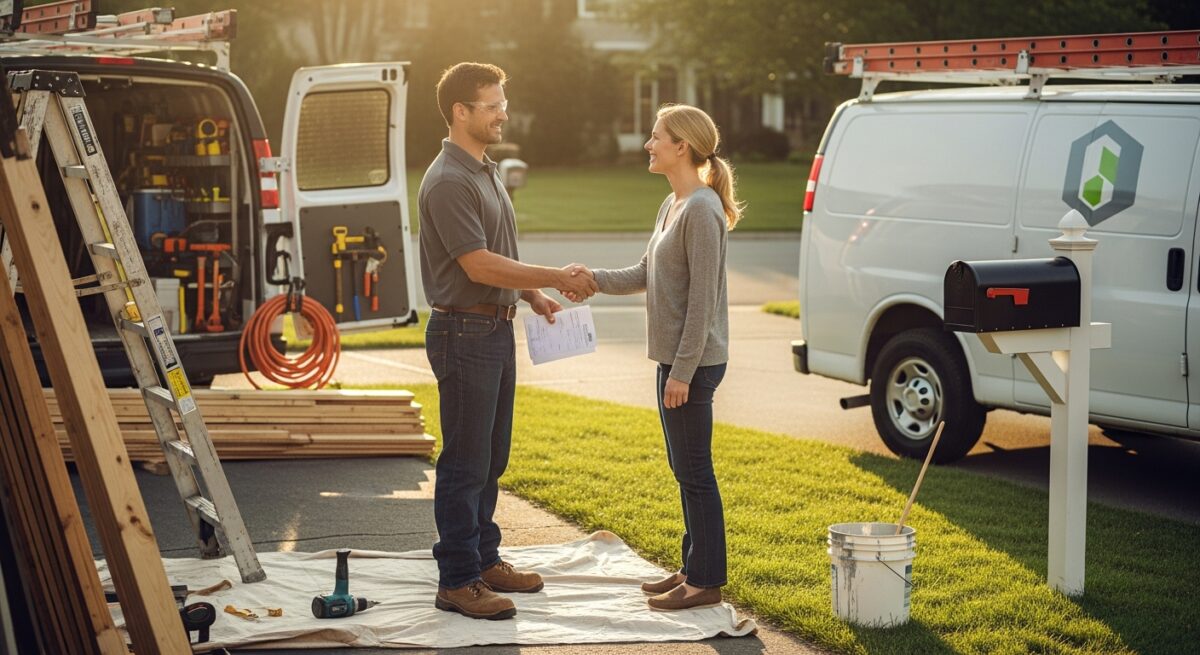
Your home is your biggest investment, and when something needs fixing or improving, you want to know you’re in good hands. The search for a reliable professional—someone who shows up on time, does quality work, and charges fairly—can feel overwhelming and risky. This guide is here to help you understand what makes a contractor truly trusted and how to find one with confidence.
What It Means to Be a Trusted Local Contractor
When we talk about a “trusted local contractor,” we’re describing more than just a skilled tradesperson. We’re talking about a professional who has built a solid reputation right in your community. This trust is earned through consistent, high-quality work, honest communication, and a commitment to treating your home as if it were their own.
A trusted contractor operates with integrity. They provide clear, detailed quotes, stick to agreed-upon timelines, and stand behind their work. They are fully licensed and insured, which protects you from liability and ensures they meet local building codes. Their local presence means they understand the specific needs of homes in your area, from common weather-related issues to regional building standards.
The Foundation of Trust: Credentials and Community
Trust starts with verifiable credentials. A legitimate contractor will proudly share their license number, proof of insurance, and any professional certifications. But trust deepens through community ties. A contractor who has been serving your town for years has a network of suppliers, knows the local inspectors, and their past work is often visible in your neighbors’ homes. This local accountability is a powerful motivator for them to do the job right.
Why Trusted Contractors Matter for Homeowners
Hiring the right professional makes all the difference between a smooth, successful project and a stressful, costly nightmare. A trusted contractor brings peace of mind. You can relax knowing the work will be done safely, correctly, and efficiently, adding value to your home instead of creating new problems.
The risks of choosing an unvetted or “fly-by-night” worker are real. You could face shoddy workmanship that fails soon after completion, leading to more repairs. You might encounter surprise fees halfway through the project, or discover the worker isn’t insured, leaving you financially responsible for any accidents on your property. A trusted professional eliminates these worries.
Ready to connect with a vetted, trusted professional in your area? Our network is built on reputation and verified reviews. Visit our service page to get started or call us directly at (555) 123-4567 for a personalized referral.
Common Home Issues and What Causes Them
Many home repair needs stem from a few common sources. Understanding these can help you describe problems accurately to a contractor.
Water is a frequent culprit. Leaky roofs, clogged gutters, or poor drainage can lead to interior water damage, mold growth, and compromised foundations. Wear and tear is another major factor. Over time, materials like roof shingles, siding, window seals, and flooring simply reach the end of their lifespan and need replacement.
Other issues arise from improper installation or a lack of maintenance. For example:
- Faulty Wiring: Often from DIY attempts or outdated systems, posing a fire hazard.
- Foundation Cracks: Caused by soil movement, water drainage issues, or natural settling.
- Poor Water Pressure: Can be due to corroded pipes, hidden leaks, or mineral buildup.
- Inefficient HVAC: Resulting from dirty filters, aging equipment, or improperly sized units.
How Professional Contractors Fix Problems Correctly
A trusted contractor doesn’t just apply a quick fix; they diagnose the root cause to ensure the problem doesn’t recur. Their process is methodical and thorough.
First, they conduct a detailed inspection. For a leaky roof, this means checking not just the obvious shingle damage, but also the flashing, vents, and attic ventilation. For an electrical issue, they will trace the circuit and test connections to find the true source. This comprehensive approach prevents wasted time and money on superficial repairs.
Next, they explain their findings and provide a clear plan. They’ll outline the necessary materials, the steps involved, and the expected timeline. The actual repair or installation follows industry best practices and local building codes. Finally, a true professional cleans up the work area and walks you through what was done, ensuring you are completely satisfied.
Don’t let a small problem become a major repair. Professional diagnosis saves money in the long run. Find a trusted pro on our platform today or call (555) 123-4567 to schedule an assessment.
Warning Signs You Should Not Ignore
Some home issues are subtle, while others are urgent cries for help. Knowing the difference can prevent damage and keep your family safe.
Certain signs indicate a problem that needs immediate professional attention. Putting off these repairs can lead to significantly higher costs and dangerous living conditions. Trust your instincts—if something seems off, it likely is.
- Persistent Damp Spots or Mold: Signals an active leak, often in walls, roofs, or foundations.
- Flickering Lights or Burning Smells: Potential electrical hazards that can lead to fire.
- Major Foundation Cracks (wider than 1/4 inch or stair-step patterns): Can indicate structural shifting.
- Sagging Roof or Ceilings: Points to potential framing failure or long-term water intrusion.
- Sudden Spike in Water or Energy Bills: Often reveals hidden leaks or system inefficiencies.
Cost Factors and What Affects Pricing
Understanding what goes into a contractor’s quote helps you evaluate estimates fairly. Pricing is rarely a simple flat rate and is influenced by several key factors.
The scope and complexity of the job are the biggest determinants. A full kitchen remodel costs more than replacing a few cabinets. The cost and quality of materials also play a huge role—premium tiles, hardwood, or roofing materials come at a higher price point. Labor intensity matters, too; jobs requiring specialized skills, like electrical or plumbing work, often have higher labor costs.
Other factors include your geographic location and the project’s accessibility. Permits and local disposal fees also add to the bottom line. A trustworthy contractor will break down these costs transparently in their estimate, so you know exactly what you’re paying for.
Get a clear, upfront estimate from a professional you can trust. We connect you with local contractors known for fair, transparent pricing. Start your project with confidence here, or speak with our team at (555) 123-4567.
How to Choose the Right Professional for the Job
Selecting the right contractor is the most important step in your project. Follow these practical tips to make an informed decision.
Always start with research. Ask friends and neighbors for personal referrals. Check online reviews on multiple platforms, but pay attention to how the contractor responds to both positive and negative feedback. Then, verify the essentials: a current state-issued license, general liability insurance, and workers’ compensation coverage. Don’t hesitate to ask for proof.
Get detailed written estimates from at least three contractors. The lowest price isn’t always the best value. Look for clear scope descriptions, material specifications, and a detailed timeline. Finally, trust your gut during the in-person meeting. Are they listening? Are they professional and communicative? A good working relationship is key to a successful project.
The Long-Term Benefits for Your Home
Investing in quality work from a trusted contractor pays dividends for years to come. The immediate benefit is a job done right, but the long-term value is even greater.
Proper repairs and installations enhance your home’s safety and durability. Correct electrical work prevents fire risks. A properly installed roof protects your entire structure from water damage. This leads to significant cost savings by avoiding repeat repairs and reducing energy waste from inefficient systems.
Well-executed projects also boost your property’s value and curb appeal. When it comes time to sell, documentation of professional work on major systems is a strong selling point. Ultimately, the greatest benefit is the comfort and security of knowing your home is a safe, well-maintained haven for you and your family.
Frequently Asked Questions
How do I verify a contractor’s license and insurance?
Ask the contractor for their license number and the name of their insurance provider. You can then verify the license online through your state’s licensing board website. Contact the insurance agent directly to confirm the policy is current and provides adequate coverage for your project.
Should I always get three estimates?
Yes, getting at least three detailed, written estimates is highly recommended. It allows you to compare not just price, but also the proposed scope of work, materials, and timelines. This process helps you identify fair market value and find a contractor whose approach and communication style you trust.
What’s the difference between an estimate and a quote?
An estimate is an educated guess of the project cost and can change. A quote (or bid) is a fixed-price offer for the work described. For budgeting, insist on a firm, detailed quote that outlines all costs, materials, and labor before signing any contract.
What should be included in a contractor’s contract?
A solid contract should include the contractor’s contact and license info, a detailed project description, material types and brands, start and completion dates, total price and payment schedule, warranty information, and a process for handling change orders if the scope changes.
How long do contractor warranties typically last?
Warranties vary. Manufacturer warranties cover materials (e.g., roofing shingles). The contractor’s workmanship warranty covers the quality of their installation, typically ranging from one year to a lifetime, depending on the trade. Always get warranty details in writing.
Is it okay to pay a large deposit upfront?
Be cautious. A reasonable deposit for materials (often 10-30% of the total) is standard. Avoid contractors who demand more than 50% upfront. The payment schedule in your contract should be tied to project milestones, with a final payment due only after you are fully satisfied.
What if I’m not happy with the work after completion?
Communicate your concerns directly to the contractor immediately and in writing. A reputable professional will want to make it right to protect their reputation. Refer to your contract’s warranty terms. If unresolved, you may contact your state licensing board or consider mediation.
Can a handyman do the same work as a licensed contractor?
It depends on the job’s scale and complexity. For small repairs, a skilled handyman may be perfect. For major electrical, plumbing, structural, or permit-required work, a licensed specialist is legally required and essential for safety, insurance, and code compliance.
Finding a trusted local contractor is the cornerstone of any successful home project. By focusing on verified credentials, community reputation, and clear communication, you can turn a potentially stressful process into a positive experience. The right professional doesn’t just fix a problem—they provide lasting value and peace of mind for your home.


About
Finding Trusted Local Contractors for Your Home Projects
Learn how to find and hire trusted local contractors for home repairs and renovations. Get peace of mind with our guide to verifying credentials and ensuring quality work.

Getting Emergency Home Repair Quotes Explained
A sudden home repair can be overwhelming. Learn how emergency repair quotes work to get fair, transparent pricing and fast, professional help when you need it most.

A Simple Guide to Choosing and Working with Residential Contractors
Your guide to hiring a residential contractor. Learn how to choose the right pro, understand costs, and ensure a successful home renovation or repair.
Find a Pro!
"*" indicates required fields