
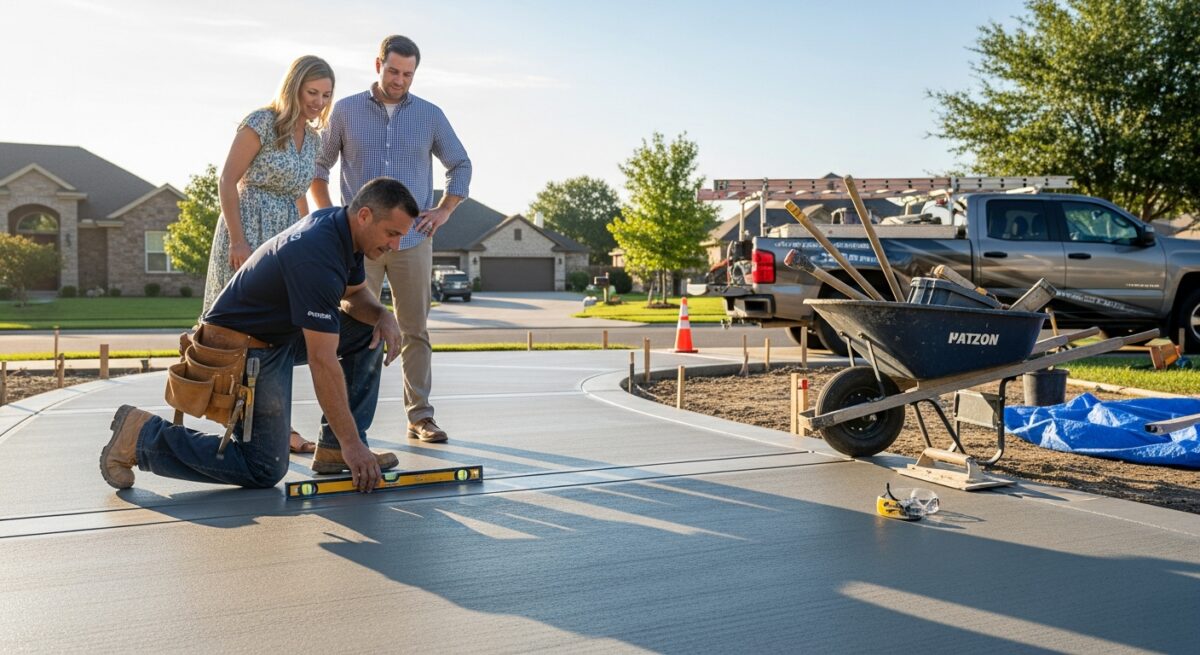
Finding a Trusted Concrete Contractor Near You
Your driveway is cracking, your patio is sinking, or you’re dreaming of a new walkway. You know you need a concrete professional, but typing “concrete contractor near me” into a search bar can feel overwhelming. How do you know who is reliable, skilled, and fair? This guide is here to walk you through every step, from understanding what to look for to enjoying your beautiful, long-lasting finished project.
What to Expect From a Local Concrete Contractor
When you search for a “concrete contractor near me,” you’re looking for more than just a company that pours concrete. You’re seeking a specialized professional who handles everything from the ground up. This includes site preparation, forming, pouring, finishing, and curing. A true contractor manages the entire project.
They bring expertise in different concrete mixes, reinforcement needs, and local climate considerations that affect durability. Whether it’s a simple repair or a complex new installation, their knowledge ensures your project meets building codes and stands the test of time.
Services Beyond Just Pouring
Many top-tier concrete contractors offer a full suite of services. This can include decorative finishes like stamping or staining, demolition of old surfaces, grading and drainage work, and even coordinating with other trades if your project is part of a larger renovation, much like the coordination needed when you hire a trusted general contractor for complex home projects.
Why Hiring a Local Pro Matters for Your Home
Concrete work is a major investment in your property. Doing it right the first time protects that investment and enhances your home’s value and curb appeal. Poorly installed concrete can lead to costly repairs, safety hazards like trip points, and even water damage to your home’s foundation.
A professional ensures proper installation that prevents these issues. They understand how soil conditions in your specific area affect concrete, know the local permit requirements, and can source materials efficiently. Their work comes with a warranty, giving you peace of mind that simply isn’t available with a DIY approach or an unqualified handyman.
Ready to start your project with confidence? Get a free, no-obligation quote from a pre-vetted local concrete pro today or call (888) 123-4567 to speak with our team.
Common Concrete Problems and What Causes Them
Concrete is incredibly durable, but it’s not indestructible. Over time, environmental factors and initial installation quality can lead to issues. Understanding the cause helps in discussing repairs with your contractor.
The most frequent problems include cracking, sinking (settlement), scaling (surface flaking), and discoloration. These are often symptoms of deeper issues rather than just surface flaws.
- Cracking: Often caused by ground movement, freeze-thaw cycles, improper curing, or a lack of control joints.
- Sinking or Settling: Usually due to poorly compacted soil underneath the slab that washes away or compresses over time.
- Surface Scaling: Can result from a weak surface layer, using salt for de-icing too soon, or finishing the concrete while water is still on the surface.
- Discoloration: Inconsistent mixing, adding water on-site, or uneven curing can lead to splotchy color.
How Professional Contractors Fix Concrete Issues
A skilled contractor doesn’t just patch over problems; they diagnose the root cause and apply the correct, lasting solution. The process begins with a thorough inspection to assess the damage and underlying conditions.
For sunken or uneven slabs, mudjacking (slabjacking) or polyurethane foam injection are common fixes. These methods lift the concrete back to level by pumping material underneath it. For cracks, repairs range from sealing with flexible caulk for hairline cracks to full-depth routing and filling for structural issues.
- Assessment & Prep: The area is cleaned, and any unstable concrete is removed.
- Corrective Action: The appropriate repair method (mudjacking, epoxy injection, replacement) is performed.
- Finishing & Curing: The repair is finished to blend with the surrounding area and allowed to cure properly for full strength.
Don’t let a small crack become a big expense. Connect with a local expert who can provide a permanent repair solution. Call us at (888) 123-4567 for a quick consultation.
Warning Signs You Should Not Ignore
Some concrete issues are cosmetic, but others signal serious underlying problems that need immediate attention. Waiting too long can turn a simple repair into a full, costly replacement.
Pay close attention to any changes in your concrete surfaces. Signs that affect safety or your home’s structure require a professional evaluation right away.
- Tripping Hazards: Slabs that have settled or heaved, creating an uneven edge of ¾ inch or more.
- Widening Cracks: Cracks that are getting wider, especially those that run through the entire thickness of the slab.
- Water Pooling: Water that doesn’t drain away from your foundation, which can lead to basement leaks.
- Spalling Near the House: Flaking or crumbling concrete on steps or slabs directly against your home’s foundation.
Understanding Cost Factors for Concrete Projects
The cost of concrete work varies widely because every project is unique. A reputable contractor will provide a detailed, transparent estimate that breaks down the costs. The biggest factors are the project’s size (square footage and thickness), site accessibility, and complexity of the finish.
Other key cost drivers include demolition and removal of old material, soil preparation and grading, the type of reinforcement (rebar vs. wire mesh), and any decorative finishes. Remember, the lowest bid isn’t always the best value; quality materials and skilled labor are worth the investment for a durable result, a principle that also applies when you’re finding the right roofing contractor for your home.
Get clarity on your project’s investment. Request a detailed, itemized estimate from a qualified local contractor by calling (888) 123-4567.
How to Choose the Right Concrete Professional
Selecting the right contractor is the most important step for a successful project. Start by verifying their license and insurance,this protects you from liability. Then, look at their portfolio of completed work and read reviews from past customers.
Ask specific questions: How long have you been in business locally? Can you provide references for a similar project? What is your warranty? A trustworthy contractor will communicate clearly, answer all your questions, and provide a written contract detailing the scope, timeline, materials, and payment schedule. This due diligence is as crucial as when you’re finding a trusted AC contractor for your home’s comfort systems.
- Check for proper licensing and insurance.
- Read online reviews and ask for local references.
- Get multiple detailed, written estimates.
- Ensure communication is clear and professional.
The Long-Term Benefits for Your Home
Professional concrete work delivers value that lasts for decades. A well-constructed driveway, patio, or sidewalk enhances your home’s first impression, directly boosting curb appeal and property value. More importantly, it ensures safety for your family and visitors by eliminating trip hazards.
Properly installed concrete with correct drainage protects your home’s foundation from water damage. The durability of quality work means you save money on frequent repairs and replacements, giving you a beautiful, functional outdoor space to enjoy for years with minimal maintenance.
Frequently Asked Questions
How long does a new concrete driveway need to cure?
Concrete reaches most of its strength within 7 days, but full curing takes 28 days. You can usually walk on it after 24-48 hours and drive on it carefully after 7 days. Your contractor will give you specific instructions based on the project.
What’s the difference between cement and concrete?
Cement is a powder (usually Portland cement) that acts as the binding agent. Concrete is the finished material made by mixing cement with sand, gravel (aggregate), and water. Think of cement as an ingredient and concrete as the final product.
Can cracked concrete be repaired, or does it always need replacement?
Most cracks can be effectively repaired. The method depends on the crack’s size, cause, and location. Hairline cracks may just need sealing, while larger structural cracks might require epoxy injection or partial replacement. A pro can assess the best solution.
When is the best time of year to pour concrete?
Spring and fall are often ideal, with moderate temperatures. Concrete can be poured in summer and winter, but it requires special precautions (like cooling the mix or using insulating blankets) to prevent issues from heat or freezing.
How much does a new concrete patio typically cost?
Costs vary by region and project details, but homeowners typically spend between $6 and $15 per square foot for a basic poured concrete patio. Decorative finishes, complex shapes, and difficult site access will increase the price.
What maintenance does concrete require?
Concrete is low-maintenance. Regularly sweep it clean. Seal it every 2-3 years to protect against stains, moisture, and de-icing salts. Avoid using harsh chemicals for cleaning, as they can damage the surface.
How long should a concrete project take?
A simple slab or small patio might take 2-3 days from start to finish, including site prep and pouring. Larger or complex projects like driveways with decorative stamping can take a week or more. Weather can also affect the timeline.
Do I need a permit for my concrete project?
It depends on your local building codes. Permits are often required for driveways, sidewalks, and any structural work. A reputable local contractor will know the requirements and usually handle the permit process for you.
Finding the right “concrete contractor near me” doesn’t have to be a stressful guessing game. By knowing what to look for, asking the right questions, and choosing a licensed, experienced local professional, you can invest in your home with confidence. The result will be a durable, beautiful addition to your property that serves you well for many years to come.
Why Licensed and Insured Contractors Protect Your Home
Learn why hiring licensed and insured contractors is essential for protecting your home, your finances, and your peace of mind on any repair or renovation project.
Finding a Trusted Concrete Contractor Near You
Learn how to find a reliable concrete contractor near you for driveways, patios, and repairs. Get tips on costs, warning signs, and ensuring quality work.
Understanding Floor Replacement Estimates for Your Home
Get a clear understanding of floor replacement estimates. Learn what factors affect cost, how to read an estimate, and why a detailed quote is essential for your home project.
Find a Pro!
"*" indicates required fields