
Electrical Services: What Homeowners Must Know
Learn what electrical services include, how to plan and budget for them, and how to hire a licensed electrician with confidence.

By Justin Blake
Learn more about Electrical and Wiring Repair for guides, costs, and what to expect.
Compare Electrical and Wiring Repair Pros Near You

Enter your ZIP code to compare top-rated local professionals and request free quotes.
When the lights flicker, a breaker trips, or an outlet stops working, most homeowners feel a surge of uncertainty. Electrical work is one of the few home systems where a small mistake can lead to fire, injury, or thousands of dollars in damage. That is why understanding what professional electrical services actually involve is so important. Whether you need a simple fixture swap, a full panel upgrade, or emergency troubleshooting, knowing how to plan, budget, and hire the right licensed electrician can save you time, money, and stress.
This guide walks you through the full scope of residential electrical services, from common repairs and upgrades to the true cost of hiring a professional. You will also learn how to vet contractors, what to expect during a service call, and how to use free quote tools to compare local pricing. By the end, you will feel confident about your next electrical project, no matter how big or small.
What Are Electrical Services and Why Do They Matter?
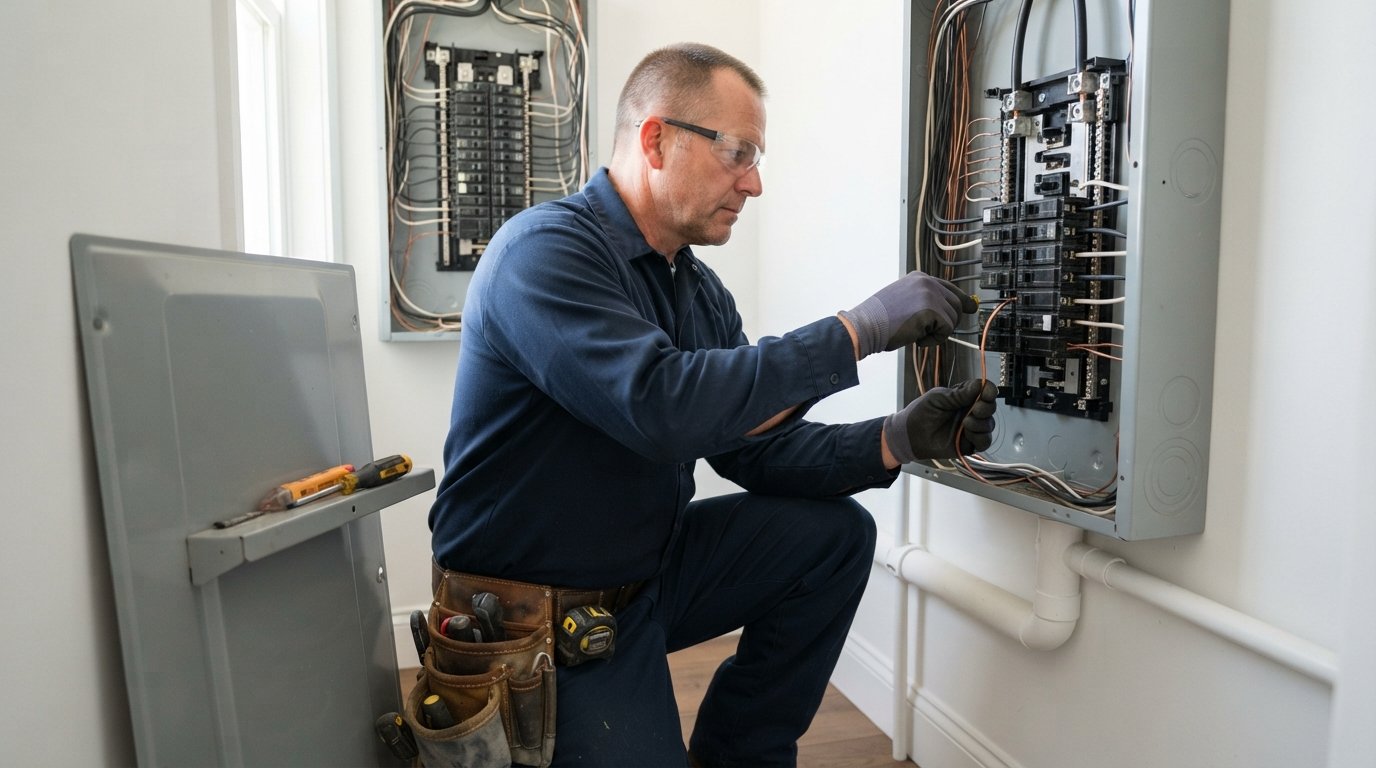
Electrical services cover any work performed on the wiring, panels, outlets, switches, and fixtures that deliver power through your home. Licensed electricians handle everything from installing ceiling fans to rewiring entire houses. These services are not just about convenience; they are about safety. Faulty wiring is one of the leading causes of residential fires in the United States, according to the National Fire Protection Association.
Professional electricians follow strict building codes and safety standards. They know how to handle high-voltage systems, avoid overloads, and ensure every connection is secure. Attempting DIY electrical work without proper training can result in electrocution, code violations, and failed home inspections. Even a seemingly simple outlet replacement can expose live wires and create serious hazards. That is why most experts strongly recommend hiring a licensed professional for any task beyond changing a light bulb or resetting a tripped breaker.
Common Types of Electrical Services for Homes
Residential electrical services fall into several broad categories. Understanding these will help you describe your project accurately when requesting quotes and comparing bids.
Repairs and Troubleshooting
When something stops working, an electrician diagnoses the root cause and performs the necessary repair. Common repair services include fixing dead outlets, replacing damaged switches, addressing frequent breaker trips, and resolving flickering lights. Electricians also troubleshoot more complex issues like voltage drops, short circuits, and faulty wiring that may not be visible to the untrained eye.
Upgrades and Installations
Upgrades improve the safety, capacity, and efficiency of your electrical system. Popular installation services include adding new outlets, installing ceiling fans or light fixtures, upgrading to a 200-amp panel, and setting up dedicated circuits for large appliances like electric vehicle chargers or hot tubs. Many homeowners also hire electricians to install whole-home surge protectors, standby generators, or smart home devices such as dimmers, motion sensors, and smart thermostats.
Rewiring and Panel Replacements
Older homes often have outdated wiring, such as knob-and-tube or aluminum wiring, that cannot safely handle modern electrical loads. Rewiring involves replacing old wires throughout the walls, attic, and crawl spaces with modern copper wiring. Panel replacements are another common project, especially when the current panel cannot accommodate additional circuits or fails to meet code. Both projects require permits and should only be done by licensed professionals.
How Much Do Electrical Services Cost?
Pricing for electrical work varies widely based on your location, the complexity of the job, and the electrician's experience. On average, homeowners pay between $150 and $500 for most repair calls, with a typical hourly rate ranging from $50 to $130 per hour. Simple tasks like replacing an outlet might cost $100 to $200, while more involved projects like a panel upgrade can run $1,200 to $3,000 or more.
To get an accurate picture, always request multiple quotes from licensed electricians. When comparing bids, look at the total scope of work, not just the bottom line. Some contractors charge a flat fee for specific services, while others bill by the hour plus materials. Ask about trip fees, diagnostic charges, and whether permits are included in the estimate. A detailed written quote protects you from surprise costs and ensures you are comparing apples to apples.
Here is a quick breakdown of typical price ranges for common electrical services:
- Outlet or switch replacement: $100 to $200 per unit
- Ceiling fan installation: $200 to $400, including labor
- Light fixture installation: $150 to $350 per fixture
- Electrical panel upgrade (200-amp): $1,200 to $3,500
- Whole-home rewiring: $3,500 to $15,000, depending on square footage
These figures are national averages and should be used as a guideline only. Actual costs depend on your region, the condition of your wiring, and the specific requirements of your project. Always obtain at least three written estimates before proceeding.
Choosing the Right Electrician
Finding a qualified electrician is arguably the most important step in any electrical project. Start by asking friends, family, and neighbors for referrals. Verify that any candidate holds a valid state license and carries both general liability insurance and workers' compensation. A licensed electrician has passed required exams and stays updated on local code changes.
Read online reviews on platforms like Google, Yelp, and the Better Business Bureau, but take them with a grain of salt. Look for patterns in feedback, such as consistent praise for punctuality or recurring complaints about hidden fees. Ask for references from recent jobs similar to yours. A reputable electrician will gladly share a list of past clients you can contact.
When you interview candidates, ask about their experience with your specific type of project. For example, if you need a panel upgrade, ask how many similar upgrades they have completed in the past year. Also, confirm that they obtain the necessary permits and schedule inspections. This protects you legally and ensures the work meets code standards.
For more guidance on vetting contractors, read our tips for vetting electricians before you hire.
Signs You Need Professional Electrical Services Immediately
Some electrical issues are minor and can wait for a scheduled appointment. Others demand immediate attention from an emergency electrician. Here are the most common warning signs that should not be ignored:
- Burning smell near outlets, switches, or the panel
- Frequent tripping of circuit breakers or blown fuses
- Sparkling or buzzing sounds from outlets or fixtures
- Warm or discolored outlets or switch plates
- Sudden loss of power in part of the home
If you notice any of these signs, turn off the affected circuit and call a licensed electrician right away. In case of smoke, fire, or a shock incident, evacuate the home and call 911 before contacting an electrician. Never attempt to fix these issues yourself.
For urgent situations, check out our guide on emergency electrical services to know what to expect and how to find help fast.
How to Prepare for an Electrical Service Visit
Once you have hired an electrician, a little preparation can make the visit smoother and more productive. Clear the area around the panel, outlets, or fixtures that need work. If you have pets, keep them in a separate room to avoid interference. Write down any symptoms you have noticed, such as which outlets fail or when the breakers trip. This information helps the electrician diagnose the issue more quickly.
Ask about the process before the work begins. Will they need to cut power to the whole house or just a circuit? How long will the job take? What materials will they use, and are they included in the quote? A professional electrician will explain everything clearly and answer your questions without frustration.
After the work is done, request a detailed invoice that lists the labor, materials, and any permits. Keep this documentation for your records, especially if you plan to sell the home in the future. Many homeowners also take photos of the completed work for reference.
Electrical Services and Home Safety
Your electrical system is not just about convenience; it is a critical safety infrastructure. According to the Electrical Safety Foundation International, more than 50,000 home fires each year involve electrical failure or malfunction. Many of these incidents could be prevented with routine inspections and timely repairs.
Consider scheduling a whole-home electrical safety inspection every 10 years for older homes, or immediately after buying a property. An inspector will check for overloaded panels, faulty wiring, missing ground fault circuit interrupters (GFCIs) in wet areas, and undersized service capacity. They will also verify that arc fault circuit interrupters (AFCIs) are installed in required locations. These inspections can identify hidden dangers before they become emergencies.
For new construction or major renovations, always hire an electrician who understands the latest National Electrical Code (NEC) requirements. Code compliance is not just about passing inspection; it is about ensuring your family's safety for decades to come.
DIY vs. Hiring a Professional
There is a time and place for DIY electrical work. Replacing a lamp cord, installing a plug-in night light, or swapping a battery in a smoke detector are all safe for homeowners. However, any work that involves opening a junction box, connecting wires to the panel, or running new cable should be left to a licensed electrician.
Why? Because electrical work is high-stakes. A loose connection can cause arcing and fire. An overloaded circuit can damage expensive appliances. Improper grounding can lead to electric shock. In many regions, unlicensed electrical work can also invalidate your home insurance or void a real estate sale. The few dollars you save by doing it yourself are simply not worth the risk.
If you are unsure whether a task is DIY-friendly, err on the side of caution and call a professional. Most electricians offer free phone consultations where they can tell you if a job requires a service call.
How to Get Free, No-Obligation Quotes
One of the smartest ways to manage electrical project costs is to compare multiple quotes before hiring. ContractorHomeQuotes makes this easy by connecting you with up to three pre-screened, licensed local contractors in your area. You simply describe your project, and we match you with electricians who specialize in that type of work. There is no cost and no obligation to hire anyone.
Using a quote comparison service helps you avoid overpaying and ensures you are working with qualified professionals. You can review each contractor's profile, read customer reviews, and ask questions before making a decision. This process is especially valuable for larger projects like panel upgrades or rewiring, where costs can vary significantly between contractors.
To get started, visit our electrical services page and fill out a short form. Within minutes, you will receive personalized quotes from local electricians who are ready to help. This is the fastest way to get accurate pricing and move forward with confidence.
Final Thoughts on Electrical Services
Your home's electrical system powers everything from your morning coffee to your evening entertainment. Keeping it in good working order is not optional; it is a responsibility that comes with homeownership. By understanding the types of services available, knowing what they cost, and choosing a licensed professional wisely, you can protect your investment and your family.
Start by assessing your current electrical needs. Are there outlets that spark? Does your panel look outdated? Are you planning a renovation that will require additional circuits? Whatever your situation, professional electrical services are an investment in safety and peace of mind. Use free quote tools to compare local electricians, ask pointed questions, and never settle for less than licensed, insured, and experienced help.
When you are ready to move forward, let ContractorHomeQuotes connect you with trusted local electricians. With the right partner, your electrical projects will be completed safely, on time, and within budget.