
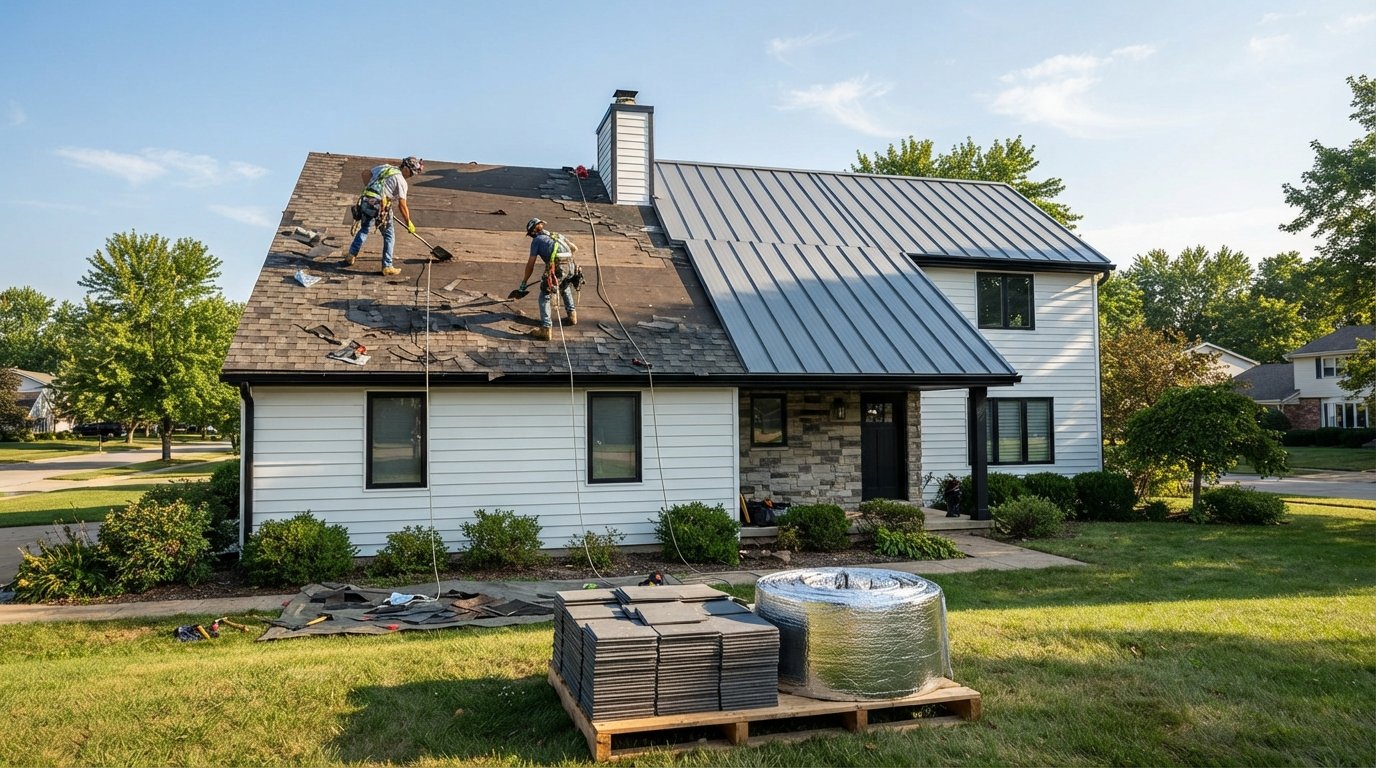
Eco-Friendly Roofing Materials: Sustainable Options
Explore eco-friendly roofing materials sustainable options that cut energy bills, last longer, and increase your home's value.

By Margaret Sheridan
Learn more about Roof Installation or Replacement for guides, costs, and what to expect.
Compare Roof Installation or Replacement Pros Near You

Enter your ZIP code to compare top-rated local professionals and request free quotes.
Your roof is one of the largest surfaces on your home, so its environmental impact matters more than you might think. Traditional asphalt shingles, which cover most North American homes, are petroleum-based and typically end up in landfills after a 20 to 30 year lifespan. If you are planning a roof replacement soon, you have a real opportunity to lower your home's carbon footprint, reduce your energy bills, and even increase your property value. The growing market for eco-friendly roofing materials sustainable options means you no longer have to choose between durability, aesthetics, and environmental responsibility. This guide walks you through the most promising green roofing choices, their real-world costs, and how to plan a sustainable installation that fits your budget and climate.
Why Choose Sustainable Roofing?
Opting for a green roof goes far beyond the feel-good factor of helping the planet. It offers tangible, direct benefits to you as a homeowner. First, consider energy efficiency. Many eco-friendly materials, such as metal or cool roof coatings, are designed to reflect solar heat rather than absorb it. This can significantly reduce your attic temperature in the summer, easing the load on your air conditioner and potentially lowering your monthly energy bills by 10% to 25%.
Second, sustainable roofing materials are often built to last much longer than standard asphalt. A metal roof, for example, can last 50 years or more, while high-quality clay or slate tiles can last a century. This longevity means fewer materials are needed over your home's lifetime, less waste goes to the landfill, and you avoid the cost and disruption of frequent replacements. Some insurance companies even offer discounts for impact-resistant or fire-resistant roofing materials, which many green options are. Finally, choosing recycled or recyclable content supports a circular economy, reducing the demand for virgin raw materials and lowering the overall carbon footprint of your home.
Top Eco-Friendly Roofing Materials to Consider
When you start researching eco-friendly roofing materials sustainable options, you will find a wide spectrum of products. Each has a unique balance of cost, longevity, aesthetics, and performance. Here are the most popular and credible choices available today.
Metal Roofing
Metal roofing is arguably the most popular sustainable option for residential homes. It is typically made from steel or aluminum, and a high percentage of the material often comes from recycled sources. At the end of its very long life, metal is 100% recyclable. Beyond its material properties, metal roofing excels at energy efficiency. Its smooth surface and special reflective coatings can significantly reduce heat gain. It is also extremely durable, withstanding high winds, hail, and fire, which makes it a smart choice for areas prone to severe weather.
Installation costs are higher than asphalt, usually between $7 and $15 per square foot, but this is offset by a lifespan of 40 to 70 years with minimal maintenance. You will also find that metal roofs perform well in both hot and cold climates, making them a versatile choice nationwide.
Clay and Slate Tiles
Clay and slate are some of the oldest roofing materials, and they are inherently sustainable due to their natural origins and incredible longevity. Clay tiles are made from baked earth, and slate is quarried stone. Both are completely natural, non-toxic, and fully recyclable at the end of their use. A properly installed clay or slate roof can easily last 100 years or more, which is why you see them on historic buildings. They offer a timeless, high-end aesthetic that many homeowners love.
However, these materials are heavy and expensive. Installation costs range from $10 to $30 per square foot, and your roof structure may need reinforcement to handle the extra weight. Because of their durability and classic look, they can also boost your home's resale value considerably. If you live in an area with the right architectural style, this is a premium, low-maintenance green choice.
Wood Shingles and Shakes
Wood shingles and shakes, typically from cedar or pine, are another natural and renewable roofing option. When sourced from certified sustainable forests, they have a low carbon footprint. Wood is a natural insulator, which can help with energy efficiency. At the end of their life, wood shingles can be ground up and turned into mulch or biomass fuel, avoiding landfill waste.
Their lifespan is shorter than metal or tile, often 20 to 30 years, depending on the climate and wood type. They are best suited for dry, well-ventilated areas to prevent rot and moss growth. The cost is comparable to mid-range options at roughly $6 to $12 per square foot. It is important to check your local fire codes, as wood roofs are restricted in some wildfire-prone areas unless treated with fire retardants.
Recycled Rubber and Plastic Shingles
An innovative and highly practical eco-friendly option is shingles made from recycled rubber, plastic, or a blend of both, often sourced from old tires and plastic bottles. These products are designed to mimic the look of wood shakes, slate, or even asphalt, but they offer superior durability and flexibility. They are lightweight, impact-resistant, and can withstand extreme temperatures without cracking.
Recycled shingles are a great way to divert waste from landfills. They are also low-maintenance and can last 40 to 50 years. The cost is competitive with premium asphalt, around $6 to $11 per square foot. They are an excellent choice for homeowners who want the look of a natural material without the maintenance or environmental cost of harvesting new wood.
Cool Roofing Coatings
While not a roofing material in itself, a cool roof coating can be applied over an existing roof (or a new one) to make it significantly more energy-efficient. These are highly reflective, often white or light-colored, liquid-applied membranes. They are typically made from acrylic or silicone and can be used on metal, modified bitumen, or single-ply roofs. They work by reflecting a high percentage of the sun's rays, keeping the building cooler and reducing the urban heat island effect.
Applying a cool coating can extend the life of your current roof by protecting it from UV damage. This is a very cost-effective sustainable measure, especially if your roof is in good shape but not performing well thermally. Professional application costs are generally lower than a full roof replacement, making this a great first step in a sustainability upgrade.
Living Roofs (Green Roofs)
For the ultimate in sustainable roofing, a living roof or green roof is a system that grows vegetation on your rooftop. This is more common on commercial buildings and flat or low-slope residential roofs. A living roof provides natural insulation, which drastically reduces heating and cooling costs. It also absorbs rainwater, reducing stormwater runoff, and creates a habitat for birds and insects. It can even help filter pollutants from the air.
Living roofs are complex and require a strong structural foundation to support the weight of soil, plants, and water. Installation costs are high, often starting around $15 per square foot and escalating with complexity. However, for a modern, flat-roofed home, it is a beautiful and highly functional sustainability statement.
Comparing Costs: Upfront Investment vs. Long-Term Value
Understanding the full cost picture is vital before making a decision. While the initial investment for eco-friendly roofing materials sustainable options can be higher than standard asphalt, you must weigh that against the longer lifespan and lower energy bills. Here is a quick breakdown of the typical cost ranges (including installation) as of 2026:
- Asphalt Shingles (Standard): $3.50 - $5.50 per sq ft; lifespan 20-30 years; lowest upfront cost, highest lifecycle waste.
- Recycled Rubber/Plastic: $6.00 - $11.00 per sq ft; lifespan 40-50 years; good balance of cost and durability.
- Wood Shakes: $6.00 - $12.00 per sq ft; lifespan 20-30 years; renewable but requires maintenance.
- Metal (Steel): $7.00 - $15.00 per sq ft; lifespan 40-70 years; high energy savings and long-term value.
- Clay/Slate: $10.00 - $30.00 per sq ft; lifespan 75+ years; premium cost, superior lifespan.
As you can see, the most sustainable options often have a higher upfront cost. However, consider the cost per year of ownership. A $15,000 metal roof that lasts 60 years costs $250 per year, while an $8,000 asphalt roof that lasts 20 years costs $400 per year. Add in the energy savings from the metal roof's reflective properties, and the financial case becomes very compelling over the long term.
How to Plan Your Eco-Friendly Roof Installation
Making the switch to a sustainable roof is a significant project that requires careful planning. Here is a step-by-step framework to guide you through the process, ensuring you get the best result for your home and budget.
- Assess Your Current Roof and Structure: Before you choose a material, have a structural engineer or experienced roofer inspect your roof deck and supports. Some sustainable materials, like clay and slate, are very heavy. You also need to know the current condition of your sheathing and if there are any issues with ventilation.
- Set a Budget and Timeline: Determine what you are willing to invest. Remember to include the cost of possible structural reinforcement, removal of the old roof, and any unexpected repairs to the deck. Get a realistic timeline for the installation, as some materials may have longer lead times.
- Research and Choose Your Material: Based on your climate, home style, and budget, pick the material that best meets your needs. Consider the energy performance in your specific region. For example, metal is excellent in hot climates, while wood can be better in temperate zones.
- Find a Qualified, Green-Certified Contractor: This is the most critical step. You need a contractor who has experience installing your chosen material. Ask for references and verify their licenses and insurance. Look for contractors who are certified by manufacturers or have specific green building credentials.
- Obtain Multiple Quotes: Get at least three detailed, written quotes. The quote should break down material costs, labor, disposal fees, and any permit costs. Do not just compare the bottom line; compare the specifications of the materials and the warranties offered.
- Check for Rebates and Incentives: Many local utilities and state governments offer rebates for ENERGY STAR certified roofing products. You may also be eligible for a federal tax credit for certain energy-efficient home improvements. Research these incentives before you commit, as they can significantly offset your upfront costs.
During the planning phase, you will find that comparing multiple detailed bids is essential to getting a fair price and high-quality workmanship. Our platform at FreeQuotes.Contractors can help you connect with pre-vetted local professionals who specialize in eco-friendly installations. You can also review our guide on new roof installation in California for more state-specific insight.
Rebates and Incentives for Sustainable Roofing
One of the smartest ways to make an eco-friendly roof more affordable is to take advantage of financial incentives. The federal government and many states and local utilities offer programs to encourage energy-efficient home improvements. While the specifics change, there are some general programs to look for in 2026.
First, the federal Energy Efficient Home Improvement Credit allows you to claim a credit for certain qualifying energy property. While roofing materials themselves often do not qualify for this specific credit unless they are solar shingles or a solar roof, you can often get credits for the added insulation that goes along with your roofing project. Second, many local utility companies offer rebates for installing cool roofs or highly reflective metal roofs because they reduce peak energy demand on the grid. Third, some states have their own tax credits or property tax exemptions for green building improvements.
To find these, use the ENERGY STAR Rebate Finder tool or consult with your local building department. For instance, if you live in California, you might be eligible for specific programs under the state's energy code (Title 24). A knowledgeable local roofer should also be aware of these incentives and can help you apply. Always confirm the current status of any incentive program, as funding and eligibility can change.
Installation Considerations and Long-Term Care
The performance of your new sustainable roof depends heavily on the quality of its installation. Improper installation can void warranties and lead to leaks, regardless of the material. For example, metal roofs require special fasteners and flashing to handle thermal expansion and contraction. Clay and slate roofs need a specific batten system and underlayment to allow for proper airflow and prevent water infiltration. Recycled shingles must be installed with the correct nailing pattern to withstand high winds.
Once your roof is installed, regular maintenance is still necessary, though it may be less frequent than with asphalt. You should have your roof inspected annually and after any major storm. Keep gutters clean, remove overhanging branches, and check for loose or damaged components. For living roofs, there is ongoing maintenance for the vegetation, including weeding, watering, and fertilizing. Proper care will ensure that your eco-friendly roof lives up to its full lifespan and continues to protect your home and save you energy for decades to come.
In summary, choosing eco-friendly roofing materials sustainable options is a powerful way to combine home improvement with environmental stewardship. By considering materials like metal, recycled shingles, and clay tiles, you are investing in a roof that is not only durable and beautiful but also contributes to a healthier planet and lower utility bills. The initial planning might take a bit more effort, but the long-term financial and environmental returns are well worth it. A sustainable roof is a legacy investment in your home and the future.