
DIY vs Contractor: How To Choose Your Home Project Path
Deciding between DIY and a contractor? Our clear comparison helps you choose the right path for your home project, saving time, money, and stress.

By Eric Andrew
Learn more about Exterior Painting for guides, costs, and what to expect.
Compare Exterior Painting Pros Near You

Enter your ZIP code to compare top-rated local professionals and request free quotes.
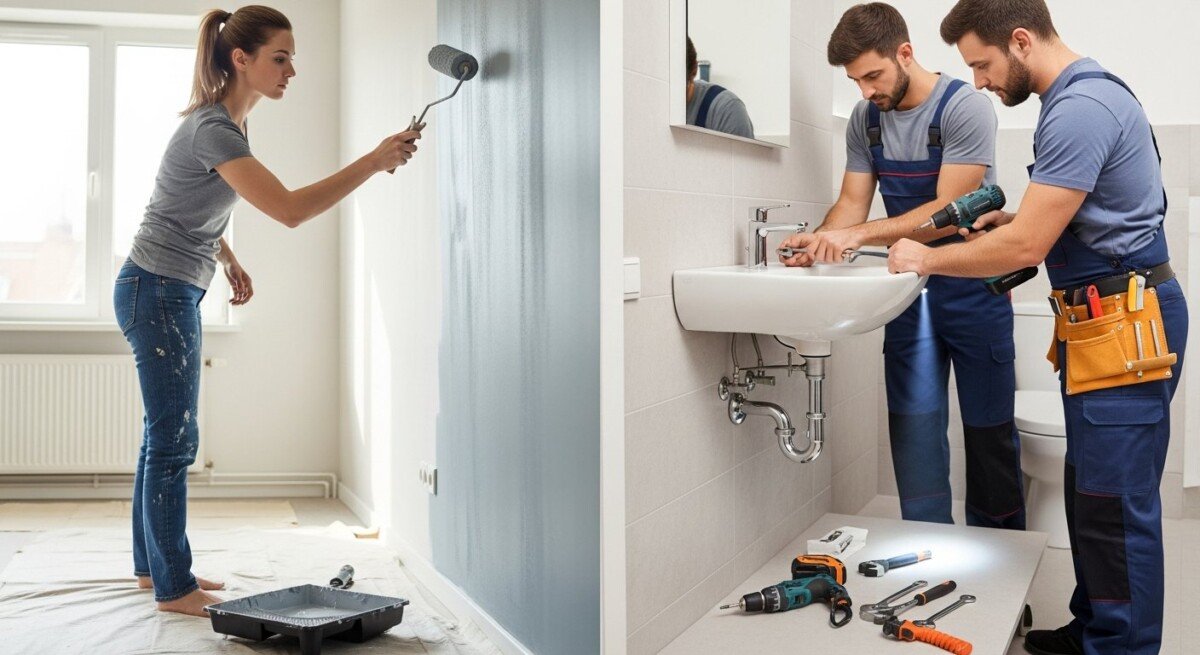
Every homeowner faces the same exciting yet daunting question: should I tackle this project myself or hire a professional? Whether it’s a fresh coat of paint or a full bathroom remodel, the choice between DIY and hiring a contractor impacts your budget, timeline, and peace of mind. Making the right call requires a clear understanding of what each path truly involves.
Protect your investment and ensure the right choice for your project. Schedule a free consultation by calling 📞833-365-8755 or visiting Get Expert Advice.
A Simple Breakdown of DIY vs. Hiring a Contractor
At its core, the DIY vs. contractor decision is about balancing your own skills, time, and budget against the complexity and risk of the project. DIY (Do-It-Yourself) means you are the project manager, laborer, and quality control. Hiring a contractor means you are hiring a team of skilled professionals to handle the work from planning to completion.
There’s no one-size-fits-all answer. A small, cosmetic update might be a perfect DIY weekend. A project involving structural changes, plumbing, or electrical systems typically demands a professional’s expertise. The key is to assess each project individually.
What Defines a True DIY Project?
A true DIY project is one where you already possess or can easily acquire the necessary skills. It should have a low risk of causing significant damage or safety hazards if done incorrectly. These projects usually don’t require permits, specialized tools, or complex problem-solving.
Why It Matters for Homeowners
Choosing the wrong path can lead to costly mistakes, unsafe living conditions, and a lot of stress. A botched DIY plumbing job can cause thousands in water damage. An improperly installed electrical fixture can be a fire hazard. Understanding the stakes helps protect your biggest investment,your home.
On the flip side, making the right choice brings immense benefits. A successful DIY project builds skills and pride while saving money. Hiring a pro for complex jobs ensures safety, compliance with building codes, and often a warranty on the work. It’s about investing wisely in your home’s value and your family’s well-being.
Ready for a professional assessment? Schedule a free consultation. Our experts can help you decide the best course of action for your specific project.
Common Issues and Their Causes
Many homeowners run into trouble when they underestimate a project’s scope. What starts as a simple tile replacement can uncover subfloor rot or outdated plumbing. This “scope creep” is a major cause of DIY projects stalling or going over budget.
Another frequent issue is a lack of proper permits and inspections. Many localities require permits for structural, electrical, and plumbing work. Skipping this step to save time or money can result in fines, difficulties selling your home, and unsafe conditions.
- Unrealistic Time Estimates: DIY projects often take 2-3 times longer than initially planned.
- Hidden Costs: Renting tools, buying materials in small quantities, and fixing mistakes add up quickly.
- Quality & Aesthetic Inconsistency: Without professional experience, finishes may look amateurish.
- Safety Oversights: From improper ladder use to electrical mishaps, safety risks are high.
How Professionals Fix the Problem
When you hire a reputable contractor, you’re hiring a system designed to avoid these common pitfalls. The process begins with a detailed assessment and quote, outlining the scope, timeline, and costs. This upfront clarity prevents surprises later.
Professionals then manage the entire project lifecycle. They pull necessary permits, source materials at trade prices, coordinate specialized subcontractors (like electricians or plumbers), and perform the work to meet building codes. Their experience allows them to anticipate and solve problems before they become costly issues for you.
- Consultation & Planning: Discuss goals, inspect the site, and create a detailed plan.
- Permitting & Procurement: Handle all paperwork and source quality materials.
- Execution & Quality Control: Skilled tradespeople perform the work with oversight.
- Final Inspection & Cleanup: Ensure everything meets standards and leave the site clean.
Don’t let a small problem become a big headache. Contact our team today for reliable, code-compliant repairs and renovations.
Signs You Should Not Ignore
Some projects clearly signal the need for a professional. If your project involves the words “load-bearing,” “main electrical panel,” or “gas line,” stop and call a contractor. These systems are critical to your home’s safety and functionality.
Listen to your own gut feeling. If you feel overwhelmed just researching the project, or if the thought of starting it causes significant anxiety, that’s a strong sign to seek professional help. Your time and mental well-being have value, too.
- The project requires a building permit.
- It involves plumbing, electrical, or HVAC systems.
- Mistakes could lead to water damage, fire, or structural issues.
- You lack the necessary specialized tools.
- The project value is high, and resale value is important.
Cost Factors and What Affects Pricing
The cost difference between DIY and a contractor isn’t just labor. For DIY, you must factor in your time, tool rentals or purchases, material costs (often at retail price), and potential waste. For contractors, their quote includes labor, materials (at wholesale cost), insurance, permits, overhead, and profit.
Protect your investment and ensure the right choice for your project. Schedule a free consultation by calling 📞833-365-8755 or visiting Get Expert Advice.
Project complexity is the biggest pricing factor. A simple drywall patch is low-cost for a pro. A full kitchen remodel involves cabinetry, countertops, plumbing, electrical, and flooring, driving the price up. Material choices also have a massive impact, whether you choose laminate or quartz countertops, for example.
How To Choose the Right Professional or Service
If you decide to hire a pro, due diligence is crucial. Always verify that they are licensed, bonded, and insured for your protection. Ask for and check references from recent clients who had similar work done.
Get at least three detailed, written estimates. The lowest price isn’t always the best value. Look for clear communication, a detailed scope of work, and a realistic timeline. A trustworthy contractor will answer all your questions patiently and provide a solid contract.
- Check online reviews and ratings on multiple platforms.
- Ensure their license is current and in good standing.
- Ask about warranties on both labor and materials.
- Trust your instincts about their professionalism and communication style.
Long-Term Benefits for Your Home
Investing in professional work for complex projects pays dividends for years. Proper installation extends the life of materials and systems, preventing premature failures. Code-compliant work ensures safety and can be a major selling point, as home inspectors will note quality craftsmanship.
Perhaps the greatest long-term benefit is peace of mind. Knowing a critical system in your home was installed correctly lets you sleep soundly. It also saves money on future repairs and energy bills, as professionals optimize for efficiency and durability. In the end, a well-done project protects your home’s value and your family’s comfort.
Frequently Asked Questions
What projects should I never DIY?
Any project involving major electrical work (like panel upgrades), structural changes to walls or foundations, extensive plumbing (especially involving the main line or gas), and complex roofing repairs. The risk of serious injury or catastrophic damage is too high.
How much money can I really save with DIY?
Savings vary widely. For simple painting or landscaping, you may save 50-75% on labor costs. For mid-complexity projects like tiling, savings might be 20-40% if you don’t make mistakes. For complex jobs, DIY can often end up costing more due to errors and inefficiency.
What questions should I ask a contractor before hiring?
Ask for proof of license and insurance, references for similar projects, who will be on-site daily, the projected start and completion dates, how change orders are handled, and what warranty is provided on the workmanship.
Do I need a permit for my project?
Permits are typically required for structural, electrical, plumbing, and mechanical (HVAC) work, as well as for additions and major renovations. Your local building department has specific rules. A reputable contractor will know and handle this for you.
How do I know if a project is within my skill level?
Be brutally honest with yourself. Have you successfully completed a similar task before? Can you access reliable, step-by-step guidance? Are you comfortable with all the tools required? If you have any doubt about safety or the final result, consult a pro.
What’s the biggest mistake DIYers make?
Underestimating the time, cost, and complexity. They often fail to plan for hidden problems, don’t acquire the right tools, or skip crucial steps like proper surface preparation, leading to poor results that don’t last.
Can I do part of the project myself and hire a pro for the rest?
Sometimes, in a model called “DIY-assist.” For example, you might handle demolition and cleanup to save on labor costs, while the pro handles the skilled installation. Always discuss and agree on this scope split with your contractor beforehand.
How long do most home renovation projects take?
DIY timelines are highly variable. A professional contractor will provide a schedule. Small projects like a bathroom update may take 1-2 weeks. A kitchen remodel or room addition can take 6-12 weeks, depending on size, materials, and complexity.
Choosing between DIY and hiring a contractor is one of the most important decisions in homeownership. By carefully weighing the project’s demands against your own resources and the value of professional skill, you can ensure a successful outcome that enhances your home for years to come. When in doubt, seeking expert advice is always the wise choice.
Protect your investment and ensure the right choice for your project. Schedule a free consultation by calling 📞833-365-8755 or visiting Get Expert Advice.
Learn more about Exterior Painting for guides, costs, and what to expect.
Compare Exterior Painting Pros Near You
Enter your ZIP code to compare top-rated local professionals and request free quotes.