
Contractor No Show or Abandoned Project: What to Do
A contractor no show or abandoned project can drain your budget fast. Follow these steps to document, terminate, and recover your money with confidence.
By James Morgan
Learn more about General Contracting for guides, costs, and what to expect.
Compare General Contracting Pros Near You

Enter your ZIP code to compare top-rated local professionals and request free quotes.
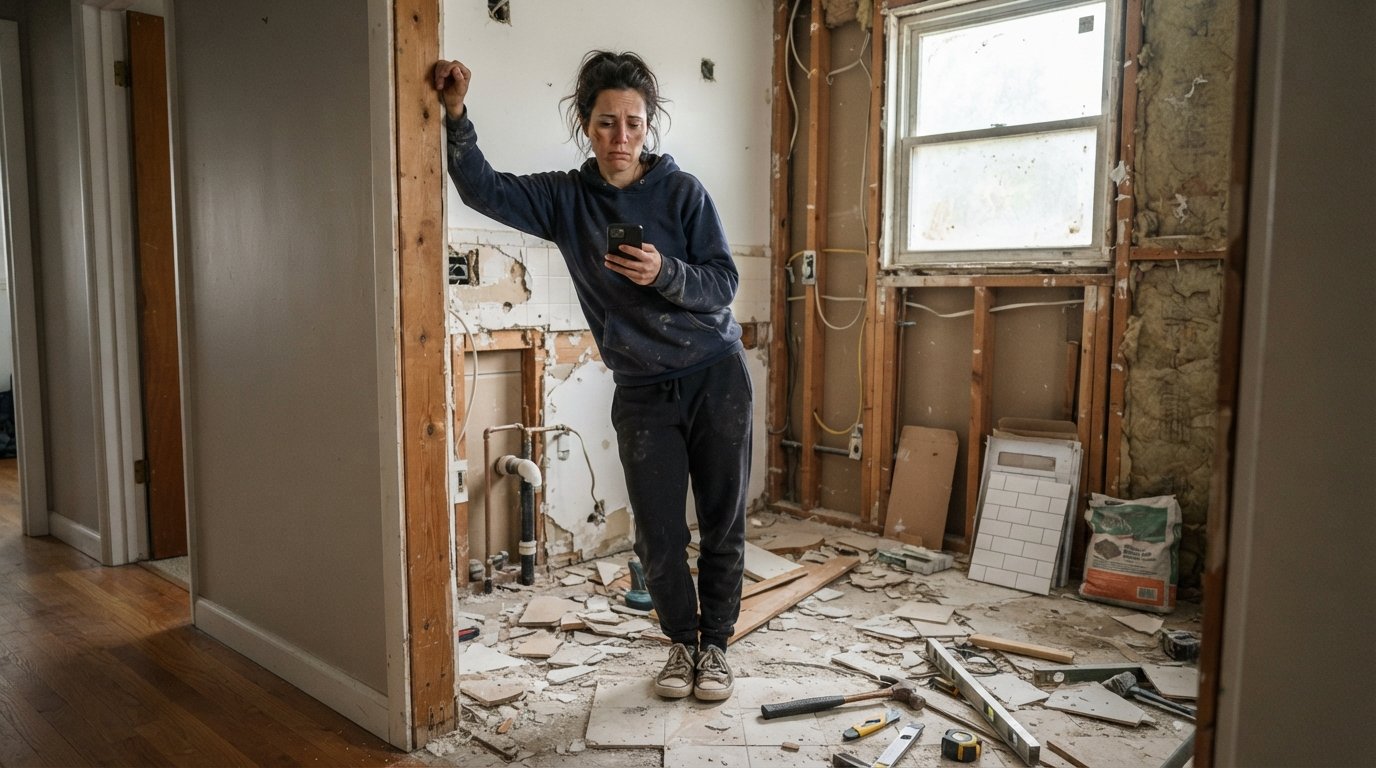
The half-finished bathroom. The missing crew. The phone that rings straight to voicemail. A contractor no show or an abandoned project is one of the most stressful events a homeowner can face, and it rarely happens without warning signs. Whether your contractor missed the first day, vanished mid-demolition, or stopped answering calls after cashing your deposit, you need a clear plan that protects your money, your property, and your legal standing. This guide walks you through how to handle a contractor no show or abandoned project step by step, from the first missed appointment to the final recovery of your funds.
What Counts as a No Show or Abandoned Project
A contractor no show is exactly what it sounds like: the contractor or crew fails to appear on an agreed date without notice, a valid excuse, or a rescheduled plan. A single missed day can be a scheduling hiccup. A pattern of missed days, vague excuses, and unanswered messages is something else entirely. An abandoned project is more serious: the contractor has effectively walked away from the job, leaving work incomplete, materials missing, or the site in an unsafe condition.
Most states treat abandonment as a specific legal event. Common thresholds include a set number of consecutive days without work (often 10 to 30, depending on the state), a failure to return after a written demand, or a combination of no labor, no communication, and no materials delivered. Your contract may also define abandonment, so read it carefully before you act. If the agreement says the contractor must provide written notice before any delay, a silent disappearance gives you stronger ground to terminate.
It helps to separate three scenarios because each calls for a different response. A short delay is a project management problem. A no show with poor communication is a relationship and oversight problem. A full abandonment is a legal and financial problem. Misclassifying the situation can cost you money, because terminating a contract too early may put you in breach, while waiting too long can let deadlines and legal remedies slip away.
Immediate Steps When Your Contractor Does Not Show Up
The first 48 hours matter. Your goal is to create a clear record of the no show while keeping the door open for a legitimate explanation. Send a written message (email or text) that states the date, the agreed start time, and the fact that no one arrived. Ask for a response within 24 hours. Keep the tone neutral and factual, because this message may become evidence later.
Document everything from day one. Photos of the site, copies of the contract, payment receipts, text threads, and emails all matter. If the contractor eventually responds with a reasonable excuse (illness, weather, supply delay), you can decide whether to grant one short extension. If the silence continues, escalate to a formal written notice.
Here is a simple sequence to follow when the no shows start adding up:
- Send a written check-in asking for status and a firm return date.
- If there is no response within 24 to 48 hours, send a formal notice of default citing the contract terms.
- Give a reasonable cure period (typically 3 to 10 days) as required by your contract or state law.
- If the contractor still fails to appear or respond, prepare to terminate the contract in writing.
Each of these steps should be in writing and dated. Verbal promises are nearly impossible to prove. A paper trail also strengthens any complaint you file with a licensing board, a claim you submit to a surety, or a case you bring in small claims court. If you are unsure whether the delay rises to abandonment, contact your state contractor licensing board and ask how abandonment is defined in your jurisdiction.
Protecting Your Money and Your Property
Money is usually the biggest exposure. If you paid a large deposit and the contractor disappeared, your first move is to stop any further payments immediately. Do not pay for work that was not completed, and do not let a contractor talk you into an advance for materials that were never delivered. If you paid by credit card, call the issuer and ask about a chargeback for services not rendered. If you paid by check, contact your bank about a stop payment on any uncashed checks.
Your property also needs protection. An abandoned site can attract vandalism, weather damage, or injuries. Secure the area, cover exposed surfaces, lock up tools and materials, and take photos of the condition. If the contractor left equipment behind, do not sell or discard it without legal advice, because doing so could expose you to a claim. Instead, document it, store it safely if possible, and mention it in your termination letter.
One of the most important protections is a mechanics lien. Subcontractors and suppliers who were not paid by your general contractor may file a lien against your home even though you already paid the general contractor. This is why you should request lien waivers from every subcontractor and supplier as work progresses. If a lien appears, do not ignore it. Contact a construction attorney, because deadlines for challenging a lien are short and unforgiving.
Terminating the Contract the Right Way
Terminating a contract is a legal act, and how you do it matters. Review your agreement for a termination clause, notice requirements, and any cure period. Most contracts require written notice and an opportunity to fix the problem before you can terminate for cause. Send your termination letter by certified mail and by email, and keep copies of everything.
Your termination letter should include the project address, the contract date, a summary of the no shows or abandonment, a demand to return all unused deposits and materials, a deadline for response, and a statement that you are reserving all legal rights. Attach a photo log and a payment summary. If the contractor owes you money, state the exact amount you believe is owed and how you calculated it.
Once the contract is terminated, you can hire a replacement contractor. Before you do, get a written scope of the remaining work and a fresh set of bids. A qualified replacement contractor can also inspect the prior work and document defects, which is useful evidence if you pursue a claim. If you need a fast, no-obligation way to compare local professionals, you can request free quotes for your project and start rebuilding momentum without overpaying.
Legal Remedies and Recovery Options
If the contractor will not return your money, you have several paths. The right one depends on the amount at stake, your state's laws, and whether the contractor is licensed and bonded. Small claims court is often the fastest and cheapest option for disputes under your state's limit (commonly $5,000 to $10,000). You do not need a lawyer, but you do need organized evidence: the contract, payment records, photos, and your written notices.
For larger losses, consult a construction attorney about claims for breach of contract, fraud, or violation of consumer protection statutes. Many states have homeowner protection laws that allow double or triple damages when a contractor takes money and does not perform. You can also file a complaint with your state contractor licensing board, which may suspend or revoke the license and, in some states, pay claims from a recovery fund.
If the contractor was bonded, you can file a claim against the surety bond. If the contractor was insured, notify the insurer in writing. Finally, report the situation to your state attorney general and to consumer protection agencies. These reports rarely recover money quickly on their own, but they build a pattern that supports your case and protects other homeowners.
How to Avoid a No Show or Abandoned Project Next Time
Prevention is far cheaper than recovery. The best protection starts before you sign anything. Verify the contractor's license, insurance, and bonding through your state licensing board. Check for complaints with the Better Business Bureau and your local consumer affairs office. Ask for three recent references from projects similar to yours and actually call them.
Structure your payments around milestones, not dates. A common safe schedule is a small deposit (10 to 20 percent), followed by payments tied to completed phases such as demolition, rough-in, and final inspection. Never pay for a phase that has not been inspected and approved. Hold back a final payment (often 10 percent) until all punch list items are done and you have lien waivers in hand.
Put everything in writing. The contract should include the scope of work, materials, start and completion dates, payment schedule, change order process, and termination terms. Avoid contractors who demand large upfront cash payments, refuse to provide a written contract, or pressure you to skip permits. If you are planning a remodel and want to compare vetted professionals before you commit, resources like searching for Utah bathroom remodel showrooms can help you understand local options and showroom standards.
Finally, stay involved. Visit the site regularly, keep a project journal, and communicate in writing. A contractor who knows you are organized and attentive is far less likely to disappear. For more guidance on vetting professionals, comparing bids, and planning projects with confidence, explore trusted resources at FreeQuotes.Contractors.
A contractor no show or abandoned project is a serious disruption, but it is not the end of your renovation. By acting quickly, documenting everything, protecting your money, and following the legal steps, you can limit the damage and get your project back on track with a more reliable professional.