
Construction Estimates Explained: A Homeowner’s Guide

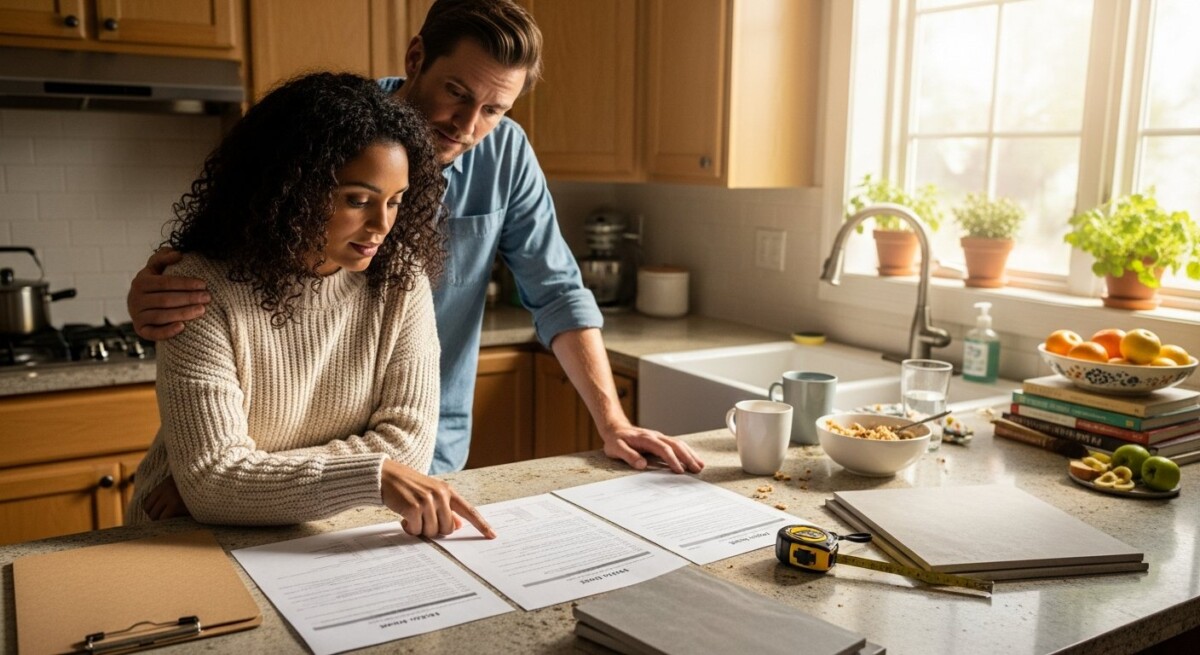
You’ve finally decided to tackle that kitchen remodel or fix that sagging porch. You call a few contractors, and soon you have several pieces of paper labeled “estimate” in your hand. They all look different, with varying numbers, line items, and scopes of work. Suddenly, what felt like an exciting step forward becomes confusing and stressful. How do you know what’s fair, what’s included, and who to trust? Understanding your construction estimate is the single most important step in ensuring your project stays on budget, on schedule, and meets your expectations.
Understanding Construction Estimates
A construction estimate is a detailed forecast of the costs for a building or remodeling project. It’s not just a final price tag. Think of it as a roadmap that shows how a contractor plans to get from your current situation to your finished project, including all the materials, labor, and expenses along the way.
It happens because every home and project is unique. An estimate translates your vision,whether from a Pinterest board or a simple sketch,into a tangible, priced-out plan. It protects both you and the contractor by establishing clear expectations before a single nail is hammered.
While all homes benefit from clear estimates, they are especially crucial for older homes where hidden issues are common, and for complex projects like additions or full remodels where costs can escalate quickly without a solid plan.
Why This Matters for Your Home
An accurate, detailed estimate is your primary tool for financial control and project success. It moves your project from a vague idea with an unknown price to a defined plan with clear costs. This clarity is essential for protecting your investment and your peace of mind.
Without a proper estimate, you risk significant budget overruns, unfinished work, and disputes with your contractor. A vague estimate can hide costs that surface later as unpleasant surprises, forcing you to make difficult financial decisions mid-project or settle for lower-quality work.
Getting a professional estimate helps you avoid these pitfalls. It allows you to compare proposals fairly, plan your finances accurately, and build a foundation of trust with your contractor from the very beginning.
If you notice signs of this issue in your home, it may help to speak with a qualified contractor. Request a free quote or call to explore your repair or remodeling options.
Common Problems Homeowners Experience
The most frequent issue homeowners face is receiving estimates that are impossible to compare. One might be a single-page bottom-line number, while another is a ten-page breakdown. This makes it feel like you’re comparing apples to oranges, leading to confusion and potentially choosing a contractor for the wrong reasons.
Another common problem is the “scope gap”,where what you assume is included isn’t actually listed in the estimate. You might think flooring is included in your bathroom remodel quote, only to find out later it’s an extra charge. This lack of detail is where budgets break down and frustration builds.
- Vastly different price ranges for the same described project.
- Unclear or missing line items for critical materials or labor.
- No defined payment schedule tied to project milestones.
- Vague descriptions like “install plumbing” instead of specifying pipe types, fixture brands, and labor hours.
- Failure to account for potential hidden issues (like rot behind walls or outdated wiring).
- No clear timeline or definition of what “project completion” means.
How Professionals Solve the Problem
Reputable contractors solve this by providing a thorough, transparent, and itemized estimate. They view the estimate as a communication tool, not just a sales document. Their goal is to align your expectations with reality, ensuring there are no surprises for either party once work begins.
Professional work starts with a proper estimate because it forces a detailed planning process. This process often uncovers potential issues before they become costly change orders. A contractor who invests time in a detailed estimate is demonstrating their commitment to doing the job right from the start.
- Site Visit & Consultation: The contractor visits your home to understand the full scope, take measurements, and discuss your goals in detail.
- Scope Definition: They document exactly what work will be done, including specific materials, brands, models, and quality levels.
- Cost Breakdown: Labor, materials, subcontractor costs, permits, and waste disposal are all calculated and listed separately.
- Timeline & Terms: A projected schedule and clear payment terms tied to completed work phases are established.
- Review & Agreement: You review the document together, ask questions, and sign it, making it the official guide for the project.
A professional inspection can reveal hidden issues before they become expensive repairs. Compare contractor quotes here or call to discuss your project.
Warning Signs You Should Not Ignore
Some estimates are red flags in disguise. Ignoring these warning signs can lead to a nightmare project filled with disputes, extra costs, and subpar results. Your estimate should build confidence, not create anxiety.
An estimate that feels rushed, overly simplistic, or pressured is a major concern. A trustworthy contractor wants you to understand and be comfortable with the proposal. They encourage you to take your time, ask questions, and even get other bids.
- A quote provided over the phone or email without a detailed site visit.
- Pressure to sign immediately to “lock in a price” or secure a “today-only discount.”
- An extremely low bid that seems too good to be true (it usually is).
- Vague language like “miscellaneous materials” or “incidentals” without explanation.
- No license, insurance, or bonding information on the estimate document.
- Refusal to provide references or a portfolio of past work.
What Affects the Cost of Repairs or Installation
Many factors influence the final number on your estimate. Understanding these helps you see why quotes can vary and make informed decisions. The size and complexity of the project are the most obvious drivers, but other elements play a huge role.
Material choices cause significant price fluctuations. Opting for standard laminate countertops versus quartzite, or builder-grade cabinets versus custom millwork, changes the cost dramatically. Labor intensity is another key factor; intricate tile work or detailed carpentry requires more skilled hours than straightforward installations.
Your home’s age and condition are critical. A remodel in a newer home with accessible systems will often cost less than the same project in an older home where contractors may encounter knob-and-tube wiring, plaster walls, or structural adjustments. For a deeper look at how costs are structured, our home renovation cost breakdown explains common line items in detail.
Costs can vary depending on the condition of your home. The best way to know the price is to get a personalized estimate. Request free quotes from contractors or call today.
How to Choose the Right Contractor
The estimate is a reflection of the contractor. A clear, thorough, and professional document often indicates a clear, thorough, and professional approach to the work itself. Use the estimate process to vet potential partners for your most important investment,your home.
Don’t choose based on price alone. The lowest estimate can end up being the most expensive if it leads to poor workmanship, constant change orders, or an abandoned project. Value, which combines quality, reliability, communication, and price, is what you’re truly seeking.
- Verify Credentials: Always check for a valid state license, liability insurance, and workers’ compensation coverage.
- Read Reviews & Ask for References: Look at online reviews and actually call past clients to ask about their experience, especially regarding budget and communication.
- Compare Detailed Estimates: Ensure you are comparing the same scope, materials, and timelines. A detailed kitchen remodeling quote explained shows what a comprehensive breakdown should include.
- Meet in Person: Gauge their communication style and willingness to answer your questions. You’ll be working with them for weeks or months.
- Understand the Contract: The estimate should evolve into a formal contract. Ensure it includes everything discussed, a start/end date, and a clear change order process.
Long-Term Benefits of Professional Work
Investing in a professional contractor who provides a proper estimate pays dividends long after the project is complete. It’s not just about the immediate result; it’s about the durability, safety, and value of your home for years to come.
Quality workmanship based on a solid plan ensures your renovation or repair performs as intended. This means no callbacks for leaks, cracks, or failures, saving you money and hassle on future repairs. It also protects your home’s structural integrity and your family’s safety.
Furthermore, professional work with proper permits and inspections adds documented value to your home. When it’s time to sell, a well-executed project with clear records is a strong selling point. Understanding the average cost to hire a general contractor helps you see this as an investment in your property’s equity, not just an expense.
What should a construction estimate include?
A comprehensive estimate should include a detailed scope of work, a breakdown of material costs (with brands/quality specified), labor costs, subcontractor costs, a projected timeline, a payment schedule, and information about the contractor’s license and insurance. It should also note what is NOT included to avoid assumptions.
How many contractor estimates should I get?
It’s generally recommended to get at least three detailed estimates. This gives you a good range for comparison on both price and approach. Fewer than three might not show you enough options, while many more can become overwhelming and time-consuming.
What’s the difference between an estimate and a quote?
In everyday talk, they’re used interchangeably. However, technically, an “estimate” is a professional guess of costs, while a “quote” or “bid” is often a fixed-price offer. Always ask a contractor if the number they provide is an estimate (subject to change) or a fixed-price bid.
Why are some estimates so much lower than others?
A very low estimate can be a major red flag. The contractor may be cutting corners on materials, using unskilled labor, omitting necessary work, or making costly mistakes. They might also be using the “low-ball” tactic to win the job, planning to add numerous change orders later.
Should I always choose the lowest estimate?
Not necessarily. The lowest price can often lead to the highest long-term cost due to poor quality, delays, or hidden fees. Evaluate the value, which includes reputation, communication, detail in the estimate, and the quality of materials proposed.
What is a change order?
A change order is a written amendment to the original contract and estimate. It’s used if you decide to change the project scope (e.g., upgrade a fixture) or if an unforeseen issue is discovered (e.g., hidden water damage). It should detail the change in work, cost, and any timeline adjustment before any extra work begins.
How long is a construction estimate valid?
Material and labor costs fluctuate. Most estimates are valid for 30 to 90 days. The validity period should be stated on the estimate document. If you delay your decision beyond that period, expect to ask for an updated estimate.
Can I negotiate a construction estimate?
Yes, you can discuss the estimate with the contractor. Focus on value engineering,asking if there are alternative materials or methods to achieve a similar look for less, rather than simply asking them to cut their profit. A good contractor will work with you to meet your budget where possible.
Taking the time to understand your construction estimate is the first and most critical step in a successful home project. It transforms uncertainty into a clear plan, protecting your budget, your home, and your sanity. By requesting detailed estimates from qualified professionals and comparing them carefully, you empower yourself to make the best decision for your home and your future. Start your next project with confidence by seeking out clear, comprehensive quotes today.

About
Construction Estimates Explained: A Homeowner’s Guide
A clear guide for homeowners on understanding construction estimates, why they matter, and how to compare contractor quotes for your project.

Contractor Bid vs Estimate: What Homeowners Must Know
Learn the crucial difference between a contractor bid vs estimate to protect your budget and ensure a successful home project.
How Accurate Are Contractor Estimates for Homeowners?
Learn how accurate contractor estimates really are, why they vary, and how to get a reliable quote for your home project.
Find a Pro!
"*" indicates required fields