
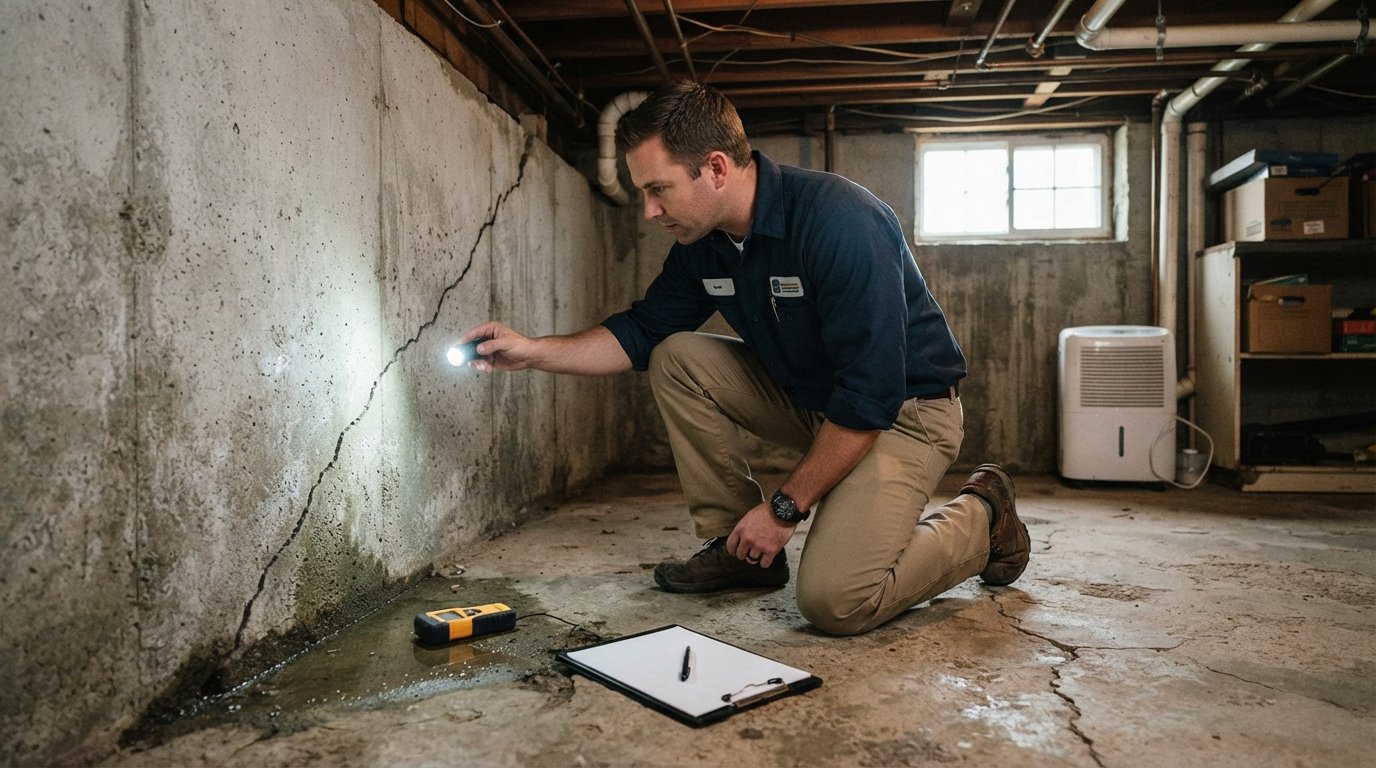
Common Foundation Problems: Cracks, Settling, and Leaks
Learn to identify common foundation problems cracks settling leaks before they worsen. Get expert tips on repair options and prevention to protect your home.

By Eric Andrew
Learn more about Foundation Repair for guides, costs, and what to expect.
Compare Foundation Repair Pros Near You

Enter your ZIP code to compare top-rated local professionals and request free quotes.
Your home's foundation is its silent guardian. It carries the weight of everything above it, day after day, season after season, without asking for recognition. When something goes wrong, the signs are rarely subtle, but they are often misunderstood. A hairline crack in the basement wall, a door that suddenly sticks, or a musty smell that will not go away: these are not random annoyances. They are the language your foundation uses to tell you something is wrong. Understanding common foundation problems, including cracks, settling, and leaks, is the first step toward protecting your largest investment and avoiding a repair bill that could reach five figures.
Why Foundations Fail: The Forces Beneath Your Home
Before diving into specific symptoms, it helps to understand the mechanics. A foundation does not fail overnight. It responds to soil conditions, water management, and time. The soil beneath your home expands when wet and contracts when dry, a process known as shrink-swell behavior. In areas with clay-heavy soil, this movement can be dramatic. Over years, that cyclical pressure creates stress points in concrete and masonry. Poor drainage compounds the problem. When gutters overflow or the ground slopes toward the house, water pools around the foundation. That water saturates the soil, increases hydrostatic pressure, and eventually finds its way through the smallest openings. Temperature changes add another layer: freeze-thaw cycles can lift and drop the ground unevenly, causing sections of the foundation to settle at different rates. Understanding these forces helps you see that cracks, settling, and leaks are not isolated events. They are connected outcomes of a system under stress.
Homeowners often ask whether a crack is structural or cosmetic. The answer depends on several factors: width, location, direction, and whether it is active. A vertical crack in a poured concrete wall that is less than one-eighth of an inch wide may be cosmetic. A horizontal crack in a block foundation wall, especially one that is widening, often signals serious lateral pressure. Stair-step cracks in brick or block are classic signs of differential settlement. Knowing what to look for can save you from unnecessary panic or, worse, dangerous delay.
Common Foundation Problems: Cracks, Settling, and Leaks
This trio of issues accounts for the vast majority of foundation repair calls. They often appear together, each one making the others worse. A crack lets water in, water softens the soil, the soil shifts, and the foundation settles further. Recognizing the early warning signs of each problem is critical for any homeowner.
Cracks: Types, Causes, and What They Mean
Not all cracks are created equal. The direction and location tell a story. Vertical cracks are often caused by shrinkage as concrete cures, and many are harmless. Diagonal cracks that start near the corners of windows or doors suggest settling or heaving. Horizontal cracks are the most concerning, particularly in block walls, because they indicate that the soil outside is pushing inward with enough force to bow the wall. Stair-step cracks follow the mortar joints in brick or block and almost always point to differential settlement, where one part of the foundation is sinking faster than another. If you can fit a quarter into a crack, or if the crack is wider at the top than the bottom, it is time to call a professional. Monitoring cracks over time is also important. A crack that changes width with the seasons is active and needs attention.
Settling: When the Ground Gives Way
Settling is the downward movement of a foundation due to soil compaction, erosion, or poor original site preparation. It is normal for a new home to settle slightly during the first few years, but ongoing or uneven settling is a red flag. Signs include doors and windows that stick or will not latch, floors that slope or feel bouncy, and gaps around exterior doors. You might also notice cracks in drywall at corners, or separation between the wall and ceiling. In severe cases, the foundation itself may pull away from the attached garage or porch. Settling is measured in inches, but even a small amount can cause significant structural stress. The key is differential settlement: when one part of the foundation sinks more than another. That is what causes the most damage.
Leaks: Water Where It Should Not Be
Foundation leaks are often the first symptom homeowners notice because water is hard to ignore. It might be a damp spot on the basement floor, white powdery deposits (efflorescence) on the walls, or a musty odor that suggests hidden moisture. Leaks can come from several sources: groundwater seeping through cracks, poor exterior drainage, a failed sump pump, or even a plumbing leak inside the slab. Over time, moisture leads to mold growth, wood rot, and deterioration of the foundation itself. In cold climates, water in cracks freezes and expands, widening the crack and making the leak worse. If you see water, do not wait. Addressing drainage and sealing cracks early is far less expensive than repairing a flooded basement or replacing a failed foundation.
How to Diagnose Foundation Issues Yourself
You do not need to be a structural engineer to perform a basic assessment. Start by walking around the exterior of your home. Look for cracks in the foundation walls, especially near corners and where the foundation meets the siding. Check that the ground slopes away from the house at least six inches over the first ten feet. Inspect gutters and downspouts to ensure they are clear and discharging water well away from the foundation. Inside, look for cracks in drywall, especially above door frames and in corners. Check floors for slope using a marble or level. Open and close windows and doors to see if they operate smoothly. Musty smells or visible mold in the basement or crawl space are strong indicators of moisture problems. Keep a record of what you find, including dates and photos. This log will be invaluable when you talk to a contractor.
If you notice any of the following, it is time to bring in a professional:
- Cracks wider than one-quarter inch or that are actively widening
- Horizontal cracks in block foundation walls
- Doors and windows that stick consistently, not just during humid weather
- Sloping floors or floors that feel spongy underfoot
- Water in the basement or crawl space after rain
- Visible bowing or leaning of foundation walls
These signs suggest that the problem is beyond simple DIY repair. A licensed foundation contractor can perform a more thorough evaluation, often using tools like a zip level or laser level to measure settlement, and may recommend a structural engineer for an expert opinion. Getting multiple quotes is essential. Costs can vary widely depending on the repair method, from simple crack injection to full piering or wall anchors. For homeowners in the United States, services like FreeQuotes.Contractors connect you with pre-vetted local contractors who can provide free, no-obligation estimates, helping you compare options and make an informed decision without pressure.
Repair Options: From Simple Seals to Structural Fixes
Once you have a diagnosis, the next step is understanding your repair options. The right solution depends on the type and severity of the problem. For minor cracks that are not causing structural issues, epoxy or polyurethane injection can seal the crack and prevent water intrusion. This is often a DIY-friendly fix for poured concrete walls, but it does not address the underlying cause if the crack is due to ongoing movement. For leaks, exterior drainage improvements are often the most effective long-term solution. This might include extending downspouts, installing a French drain, or regrading the soil. Interior solutions like a sump pump and interior drainage system can manage water that already enters, but they do not stop the water from coming in. For settling, the most common repair is underpinning with piers. Helical piers or resistance piers are driven or screwed into stable soil beneath the foundation and then used to lift the home back to a level position. This is a significant investment, often costing several thousand dollars, but it is the only permanent fix for differential settlement. For bowing walls, carbon fiber straps, steel I-beams, or wall anchors can stabilize the wall and prevent further movement. Each method has its place, and a qualified contractor will recommend the least invasive option that solves the problem.
It is important to get a written estimate that details the scope of work, materials, warranty, and timeline. Be wary of contractors who pressure you for a same-day decision or who offer a price that seems too good to be true. A reputable contractor will encourage you to get a second opinion and will not hesitate to explain the repair process in plain language.
Prevention: Protecting Your Foundation for the Long Haul
The best foundation repair is the one you never need. Preventive maintenance can add decades to the life of your foundation and save you tens of thousands of dollars. The single most important thing you can do is manage water. Keep gutters clean and ensure downspouts discharge at least five to ten feet away from the foundation. Maintain a positive slope away from the house, adding soil if necessary. In dry climates, consider a soaker hose around the perimeter during droughts to keep the soil from shrinking excessively. In cold climates, make sure snow does not pile up against the foundation. Inside, keep the humidity level between 30 and 50 percent to prevent condensation and mold. If you have a crawl space, ensure it is properly ventilated or encapsulated. Finally, inspect your foundation twice a year, in spring and fall, and after any major weather event. Catching a small crack early is far easier than dealing with a bowed wall.
For homeowners who want a professional assessment, many foundation repair companies offer free inspections. This is a good opportunity to get expert eyes on your property and ask questions. You can also use online resources to learn more about foundation repair costs and contractor selection. If you are planning a repair, gather at least three quotes and ask for references. Check that the contractor is licensed, insured, and has experience with your specific type of foundation. Do not be afraid to ask for a written warranty on both materials and labor.
When to Call a Professional
Foundation problems rarely fix themselves, and delaying repairs almost always makes them more expensive. If you see any of the signs discussed in this article, it is time to act. A small crack that lets in a little water can lead to mold, rot, and structural damage within a few years. A settling foundation can cause plumbing leaks, uneven floors, and cracked walls throughout the house. The sooner you address the issue, the more options you have and the less it will cost. Start by getting a professional inspection and multiple quotes. Compare not just price, but also the proposed solution, the contractor's experience, and the warranty. Your foundation is the most important part of your home. Treat it that way, and it will continue to keep you safe and dry for generations.