
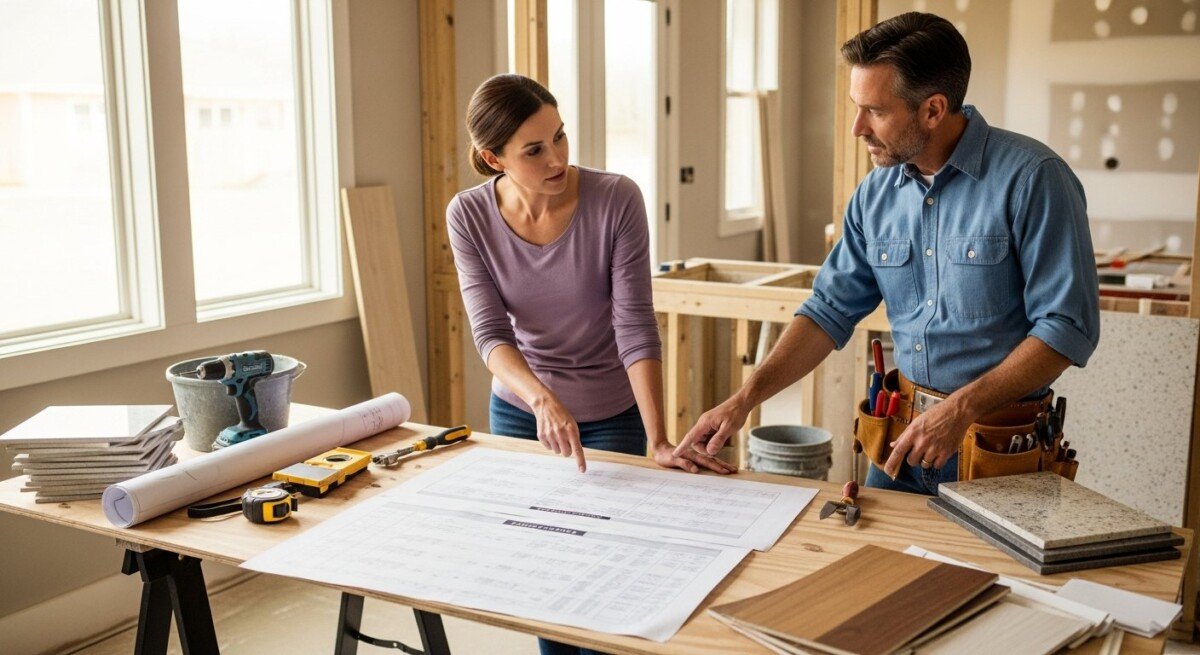
Can You Negotiate a Contractor Estimate? A Homeowner’s Guide
Wondering if you can negotiate a contractor’s estimate? Our guide shows homeowners how to have a professional conversation to get a fair price without sacrificing quality.

By Alexia Mabel
Learn more about Home Inspection for guides, costs, and what to expect.
Compare Home Inspection Pros Near You

Enter your ZIP code to compare top-rated local professionals and request free quotes.
You’ve just received an estimate for a home repair or renovation, and the number at the bottom gives you pause. It’s a common moment of truth for homeowners: the estimate is higher than you hoped. Your immediate thought is likely, “Can I negotiate this?” The short answer is yes, you often can, but doing it the right way is the key to getting a fair price without compromising on quality or your relationship with the contractor.
Get a clear, detailed estimate to discuss with confidence. Call 📞833-365-8755 or visit Get Your Estimate to connect with a vetted professional today.
Understanding Contractor Estimate Negotiation
Negotiating a contractor’s estimate isn’t about haggling like you’re at a flea market. It’s a professional conversation aimed at finding mutual value and aligning expectations. A contractor’s estimate, or quote, outlines the projected costs for labor, materials, permits, and overhead for your project.
Think of negotiation as a collaborative process. Your goal isn’t to “win” by driving the price down so low the contractor loses money, but to ensure you’re getting a fair price for the scope of work. A reputable contractor expects reasonable questions and discussion about their estimate. It’s a sign you’re an informed homeowner.
What’s Typically Negotiable?
Not every line item is flexible. Understanding what you can discuss helps focus the conversation. You’re more likely to find flexibility on material choices, project phasing, or the project’s start date than on the core cost of skilled labor.
Why Negotiating Your Estimate Matters
For most homeowners, a major repair or renovation is a significant investment. Getting the price right directly impacts your budget and peace of mind. A successful negotiation can make the difference between moving forward with a needed repair now or delaying it, potentially allowing a small issue to become a major, costly problem.
Beyond immediate savings, a good negotiation sets the tone for the entire project. It establishes clear communication, shows you are engaged and respectful of the contractor’s expertise, and helps prevent misunderstandings later. It ensures both parties are on the same page before a single nail is hammered.
Common Issues with Estimates and Their Causes
Sometimes, an estimate seems high because of misunderstandings or missing information. A common issue is an “apples to oranges” comparison, where estimates from different contractors don’t include the same materials or scope of work, making them difficult to compare directly.
Another frequent cause of sticker shock is unforeseen project complexities that aren’t visible during a initial walkthrough. For example, what looks like a simple drywall repair might hide outdated wiring or structural concerns. A high estimate might also reflect regional material shortages or peak season pricing when contractors are in high demand.
- Vague Scope: The estimate lacks detail, making it hard to know what’s included.
- Material Assumptions: The contractor assumed premium materials where standard would suffice.
- Project Timing: The quote is for an immediate start during the contractor’s busiest season.
- Unseen Problems: The quote includes a contingency for potential issues found after work begins.
How to Professionally Approach Negotiation
The best negotiation starts with preparation. Before you call the contractor, review the estimate line by line. Get at least two more estimates for the same project scope so you have a baseline for market rates. This research is crucial; you can’t negotiate effectively if you don’t know what’s reasonable in your area.
When you’re ready to talk, be polite and professional. Frame your questions around understanding value, not just cutting cost. For instance, instead of saying “Your price is too high,” try “I want to make sure I understand the value. Could we discuss alternative material options that might bring the cost closer to my budget while still ensuring quality?” This approach is collaborative, not confrontational.
- Do Your Homework: Research average costs and get multiple bids.
- Ask Clarifying Questions: Seek to understand each cost component.
- Propose Alternatives: Suggest different materials, phasing, or timing.
- Be Ready to Compromise: Focus on fair value, not just the lowest price.
Signs You Should Not Ignore
While negotiation is normal, some red flags in an estimate or a contractor’s response should make you proceed with caution. If a contractor immediately agrees to a drastic price cut without changing the scope, it may indicate they were overcharging, using low-quality materials, or planning to cut corners.
Another major warning sign is a contractor who refuses to provide a detailed, written estimate or who pressures you to sign immediately with a “today-only” discount. Transparency is the foundation of a good working relationship. A detailed estimate protects both of you, much like the guidance found in a comprehensive homeowner’s guide to accurate renovation estimates.
Get a clear, detailed estimate to discuss with confidence. Call 📞833-365-8755 or visit Get Your Estimate to connect with a vetted professional today.
- Extreme Lowballing: A bid is suspiciously lower than all others.
- High-Pressure Tactics: Being rushed to sign a contract.
- Cash-Only Discounts: A push for untraceable payments.
- Vague or Verbal Agreements: Refusal to put specifics in writing.
Cost Factors and What Affects Pricing
Many elements influence a contractor’s estimate. Labor is typically the largest cost, reflecting the skill, experience, insurance, and fair wages of the tradespeople. Material costs can vary wildly based on quality, brand, and availability,premium tiles cost more than standard, and lumber prices can fluctuate.
Other factors include project complexity (a simple roof patch vs. a full replacement), permits and fees, the contractor’s overhead (like insurance and licensing), and even the time of year. Understanding these components allows you to ask smart questions. For example, if you’re concerned about pests after the work, you could ask about sealing techniques, similar to methods discussed in our article on effective strategies for ant-proofing your home.
How to Choose the Right Professional for the Job
Choosing a contractor you can talk with openly is the first step toward a smooth negotiation and project. Look for licensed, insured professionals with strong local references and portfolios of similar work. Read online reviews and pay attention to how they respond to feedback.
During the initial consultation, gauge their communication style. Are they patient, listening to your needs and explaining things clearly? A contractor who is transparent from the start is more likely to be reasonable during a negotiation. Trust your instincts,if something feels off during the estimate phase, it likely won’t improve once the project starts.
Long-Term Benefits for Your Home
Successfully negotiating a fair estimate does more than save you money upfront. It invests in a positive contractor relationship, which often leads to better workmanship and care. You’re also more likely to stay on budget, reducing financial stress.
Most importantly, paying a fair price for quality work ensures the repair or renovation is done correctly, using durable materials. This protects your home’s value, prevents callbacks for fixes, and provides peace of mind for years to come. A well-executed roof repair, for instance, prevents minor cracks from becoming major leaks, safeguarding your entire home,a point underscored in our resource on the critical importance of addressing roof cracks.
Frequently Asked Questions
Is it rude to negotiate with a contractor?
Not if done respectfully. Professional contractors expect discussions about cost and scope. Framing it as a conversation to understand value and align with your budget is standard practice in the industry.
What is a reasonable percentage to negotiate off a contractor’s bid?
There’s no set percentage. Focus on the total cost and scope. Negotiation is about adjusting the project specifics (materials, timing) to find a fair price, not arbitrarily demanding a 10% or 15% discount.
Should I get multiple estimates before negotiating?
Absolutely. Getting at least three detailed estimates is the most important step. It gives you a clear understanding of the market rate for your specific project, which is your strongest tool in any negotiation.
Can I negotiate after the work has started?
This is very difficult and not recommended. Any changes after signing a contract are “change orders,” which often come at a premium. All negotiations should be finalized before the contract is signed and work begins.
What if a contractor won’t budge on price?
Respect their position. They may have minimal profit built in or be using specific, non-negotiable materials. Thank them for their time. If their bid is within your range, you must decide if their reputation and quality are worth it. If not, move on to another option.
Are there parts of an estimate I should never try to negotiate?
Be cautious about negotiating the cost of skilled labor, necessary permits, or essential safety measures. Cutting corners here can lead to poor workmanship, legal issues, or unsafe conditions.
Navigating a contractor estimate doesn’t have to be stressful. With the right preparation and a professional approach, you can confidently discuss costs to secure a fair price for quality work that protects your home and your budget for the long haul.
Get a clear, detailed estimate to discuss with confidence. Call 📞833-365-8755 or visit Get Your Estimate to connect with a vetted professional today.
Learn more about Home Inspection for guides, costs, and what to expect.
Compare Home Inspection Pros Near You
Enter your ZIP code to compare top-rated local professionals and request free quotes.