
Can You Change Contractors Mid Project? A Homeowner’s Guide
A practical guide for homeowners wondering if they can change contractors mid-project, covering warning signs, legal steps, costs, and how to hire the right professional to finish the job.

By Chelsea Kris
Learn more about Exterior Painting for guides, costs, and what to expect.
Compare Exterior Painting Pros Near You

Enter your ZIP code to compare top-rated local professionals and request free quotes.
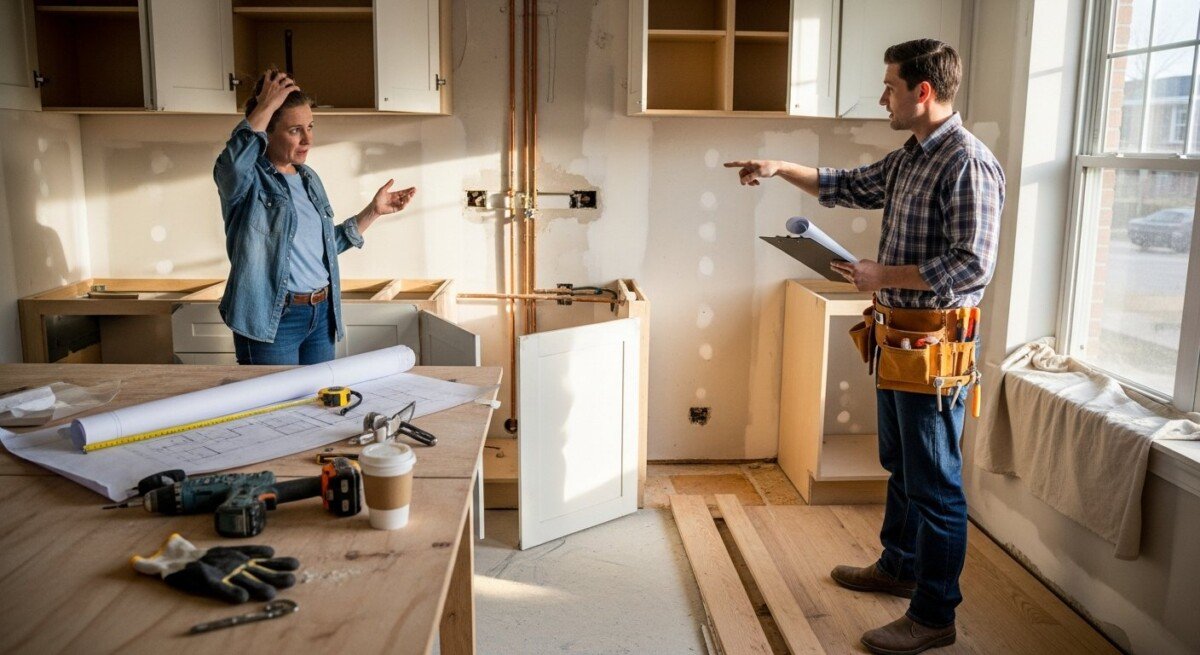
You hired a contractor with high hopes, but now the project is stalled. Communication has broken down, the work quality is questionable, or maybe they’ve just stopped showing up. Your home is in disarray, your budget is bleeding, and you’re left wondering: can you actually fire your contractor and hire someone new? The short answer is yes, but it’s a significant decision that requires careful steps. Ignoring serious problems with your contractor can lead to costly legal disputes, subpar work that devalues your home, and endless project delays that disrupt your life.
Understanding Can You Change Contractor Mid Project
Changing contractors mid-project is the process of formally ending your agreement with one professional and hiring another to complete the work. It’s a scenario no homeowner plans for, but it’s more common than you might think.
This situation usually arises from a breakdown in trust, communication, or performance. Perhaps the original contractor underestimated the project’s complexity, as can happen with major systems like roofing and energy efficiency upgrades. Or maybe there are consistent delays, cost overruns without approval, or work that fails to meet building codes.
While any home improvement project can be affected, larger, more complex renovations,like whole-house remodels, major additions, or custom builds,are often where these issues surface. The stakes are higher, and the margin for error is smaller.
Why This Matters for Your Home
Sticking with a contractor who is unreliable or doing poor work can have serious consequences for your biggest investment. The most immediate impact is financial; you may be paying for work that will later need to be torn out and redone, essentially paying twice.
Beyond money, there are safety risks. Incorrect electrical wiring, faulty plumbing, or structural modifications not done to code can create hazards for your family. Furthermore, a half-finished project leaves your home vulnerable. An exposed subfloor or an unsealed roof opening can lead to water damage, mold, and pest infestations, turning a remodeling headache into a major repair crisis.
If you notice signs of this issue in your home, it may help to speak with a qualified contractor. Request a free quote or call to explore your repair or remodeling options.
Common Problems Homeowners Experience
The decision to switch rarely comes out of the blue. It’s typically the culmination of ongoing issues that erode confidence. Homeowners often feel a growing sense of frustration and helplessness as their project veers off course.
These problems can manifest in many ways, from constant rescheduling to arguments over change orders. The home itself becomes a stressful environment instead of a place of comfort. Recognizing these common issues can help you identify if you’re on a problematic path.
- Chronic Delays and No-Shows: The contractor or crew repeatedly fails to show up as scheduled with little to no communication.
- Poor Communication: Calls and texts go unanswered for days, and you’re left in the dark about the project timeline and next steps.
- Substandard Workmanship: The quality of the work is visibly poor, doesn’t match what was promised, or fails inspections.
- Ballooning Costs Without Approval: You receive surprise invoices for “extras” that were not part of the original, detailed estimate.
- Unsafe or Messy Worksite: The job site is dangerously disorganized, with tools and debris left around, posing a risk to your family.
- Personality Conflicts: A fundamental breakdown in the working relationship makes collaboration impossible.
How Professionals Solve the Problem
A reputable, new contractor brought in to rescue a project follows a careful, methodical process. Their first goal is to assess the situation thoroughly and create a realistic plan to move forward. This isn’t about placing blame, but about finding a solution.
They will conduct a detailed inspection of all completed and in-progress work, much like diagnosing a complex issue such as tackling persistent faucet repairs. This review identifies what was done correctly, what needs correction, and what materials are required to finish the job. Their experience allows them to navigate the complexities of taking over another’s work.
- Project Assessment & Documentation: The new contractor reviews the original contract, all change orders, and inspects the current job site to understand the full scope.
- Corrective Action Plan: They create a detailed plan outlining necessary repairs to existing work and a clear path to completion.
- Transparent Proposal: You receive a new, fixed-price contract for the remaining work, clearly separating correction costs from completion costs.
- Efficient Execution: With a skilled crew and clear plan, they work to complete the project to code and to your satisfaction, restoring order to your home.
A professional inspection can reveal hidden issues before they become expensive repairs. Compare contractor quotes here or call to discuss your project.
Warning Signs You Should Not Ignore
Early detection of contractor problems can save you immense stress and money. Don’t dismiss small red flags, as they often snowball into major crises. Trust your instincts,if something feels off, it probably is.
Addressing concerns early gives you more leverage and options. It’s easier to have a corrective conversation in week two than to untangle a mess in month six. Proactive communication is key, but if warnings are consistently ignored, it’s time to consider your next steps.
- They ask for a large upfront payment (more than 10-15%).
- They are difficult to reach and rarely provide updates proactively.
- They request cash payments or pressure you to skip permits.
- The work site is left unsafe overnight (unguarded hazards, no dust containment).
- You discover unapproved subcontractors on the job.
- Their work consistently fails municipal inspections.
What Affects the Cost of Repairs or Installation
Bringing in a new contractor mid-stream almost always costs more than if they had started the project from day one. They are inheriting potential problems and unknown variables. Understanding what drives these costs helps you budget realistically.
The primary factors include the cost to correct any faulty work, which may involve demolition and redoing tasks. The new contractor also assumes risk, as they must warranty work they didn’t originally install. Furthermore, the complexity of integrating new work with old, sourcing matching materials, and the potential for uncovering hidden damage (like the surprise issues one might find behind walls or above ceilings) all influence the final price.
Costs can vary depending on the condition of your home. The best way to know the price is to get a personalized estimate. Request free quotes from contractors or call today.
How to Choose the Right Contractor
If you need to make a switch, selecting the right replacement contractor is critical. You need a true problem-solver, not just another bidder. Look for a professional with specific experience in project rescue or complex completions.
Be completely transparent about the situation from the first conversation. A qualified contractor will want to see all existing paperwork and inspect the site before giving a meaningful quote. Their willingness to thoroughly investigate the challenge is a good sign of their thoroughness.
- Verify Licensing & Insurance: Confirm their state license is active and that they carry both liability and worker’s compensation insurance.
- Seek Rescue Experience: Ask directly if they have taken over incomplete projects before and request references from those clients.
- Get a Detailed, Fixed-Price Contract: The new contract should explicitly state the scope for correcting existing work and completing the project.
- Check Reviews & References: Look beyond star ratings; read detailed reviews about communication, problem-solving, and finishing on budget.
- Trust Your Gut: Choose someone who communicates clearly, answers your questions patiently, and makes you feel confident during a stressful time.
Long-Term Benefits of Professional Work
While switching contractors is difficult, completing the project correctly with a trustworthy professional pays dividends for years. Your home’s value is protected, and you gain peace of mind knowing the work was done safely and to code. A properly finished renovation or repair functions as intended, whether it’s a leak-free bathroom or an energy-efficient attic, preventing future headaches.
You also avoid the long-term costs of Band-Aid fixes or latent defects that could emerge later, like structural issues or chronic leaks. Furthermore, establishing a relationship with a reliable contractor gives you a trusted resource for future maintenance and projects, adding lasting value and security to your homeownership experience.
FAQs
Is it legal to fire my contractor?
Yes, it is legal, but the process depends on your contract. Most contracts have a termination clause outlining the conditions and required notice. If the contractor has fundamentally breached the contract (e.g., by abandoning the job or doing work not to code), you likely have grounds for termination. It’s wise to consult with an attorney before taking formal action to ensure you follow the correct legal steps.
Will I lose money if I change contractors?
You may incur additional costs, but you could lose more by sticking with a bad contractor. You might pay for corrective work and a new contract, but this prevents paying for even more extensive repairs later. The key is to get detailed, transparent quotes from new contractors to understand the full financial picture before making a decision.
How do I handle payments to the old contractor?
Do not make any further payments until you have formally terminated the contract and agreed on any final settlement. Pay only for work that is completed satisfactorily and in line with the contract. If you have already overpaid, you may need to pursue reimbursement through small claims court or mediation, which is why detailed documentation of payments and work status is crucial.
What should I do before hiring a new contractor?
Secure your property first. Take detailed photos and videos of the entire job site. Gather all documents: the original contract, all change orders, permits, communication records, and proof of payments. Then, interview multiple contractors, showing them everything so they can provide accurate bids for the rescue and completion work.
Can the new contractor warranty the old contractor’s work?
Typically, no. A reputable contractor will only warranty the work they themselves perform. They may correct the previous contractor’s mistakes as part of the new scope, and those corrections will be under their warranty. The original contractor is still responsible for warrantying their own work, though collecting on that may be difficult.
What if my contractor abandons the job?
First, document everything. Send a formal letter (via certified mail) giving notice that they are in breach of contract and a deadline to return. If they don’t, you can legally terminate the contract and hire a new contractor. Check if your state has a contractor recovery fund for such scenarios, and consider filing a complaint with your state licensing board.
Should I involve a lawyer?
For complex situations involving large sums of money, disputed work, or an uncooperative contractor, consulting a lawyer who specializes in construction law is highly recommended. They can review your contract, advise on your rights, and help draft termination letters or negotiate settlements, protecting you from potential legal missteps.
Changing contractors mid-project is a challenging but sometimes necessary step to protect your home, your investment, and your peace of mind. By recognizing the warning signs early, understanding the process, and carefully selecting a qualified professional to complete the work, you can navigate this difficult situation successfully. If you’re facing uncertainty with your current project, taking the proactive step to compare detailed quotes from trusted contractors is the most powerful way to understand your options and move forward with confidence.
Learn more about Exterior Painting for guides, costs, and what to expect.
Compare Exterior Painting Pros Near You
Enter your ZIP code to compare top-rated local professionals and request free quotes.