
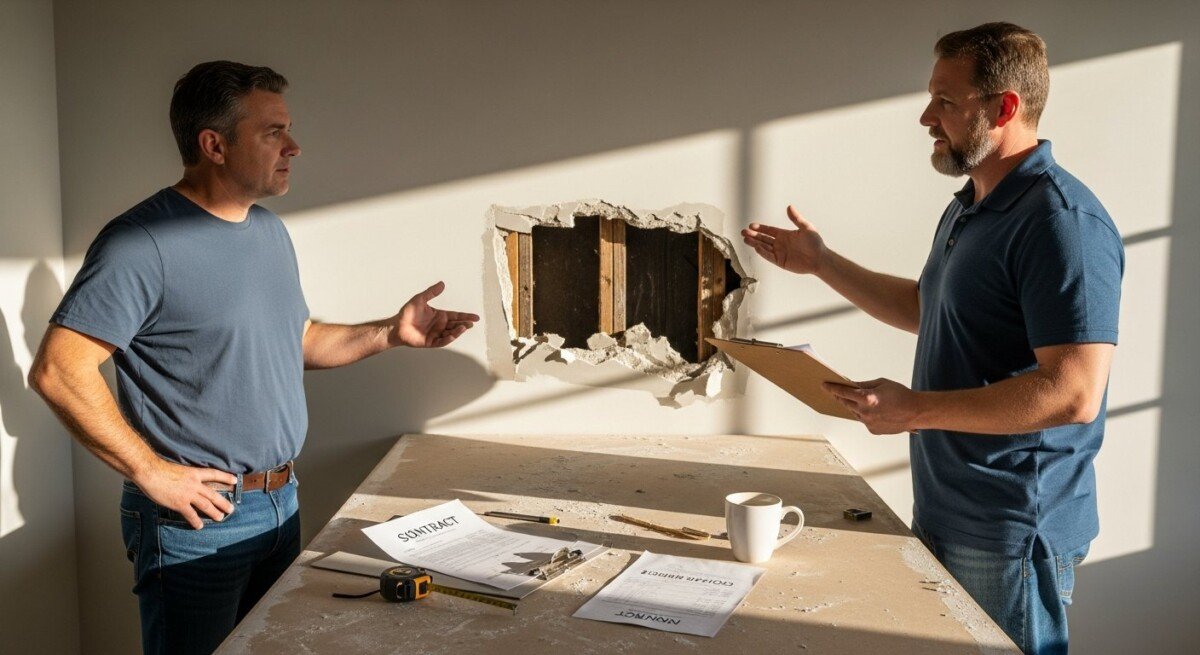
Can a Contractor Increase Price After a Contract Is Signed?
Worried your contractor might raise the price after signing? Learn when it’s allowed, how to protect yourself, and ensure a fair, stress-free home project.

By Eric Andrew
Find Local Pros Near You

Enter your ZIP code to compare top-rated local professionals and request free quotes.
You’ve signed the contract, the work is scheduled, and you’re ready to begin your home improvement project. Then, your contractor mentions a price increase. Your stomach drops. Is this even allowed? This frustrating situation is more common than you might think, and understanding your rights is the first step to protecting your budget and your peace of mind
Protect your project and budget with a transparent, fixed-price agreement. Call 📞833-365-8755 or visit Resolve Contract Disputes to schedule your free consultation today.
Understanding Contractor Price Increases After a Contract
A signed contract is meant to be a binding agreement that locks in the scope of work, timeline, and, most importantly, the price. In a perfect world, that price would be final. However, the reality of home renovation and repair can be unpredictable. While a contractor cannot arbitrarily decide to charge you more, there are specific, legitimate circumstances where a price adjustment may be legally permissible.
The key lies in the contract details and the reason for the change. A well-written contract will include clauses that outline how unexpected issues are handled. If the contract is vague or silent on these matters, disputes can easily arise. Knowing the difference between a fair adjustment and an unfair hike is crucial for every homeowner.
What Makes a Contract Binding?
For a contract to be legally binding, it must have an offer, acceptance, and consideration (the agreed-upon price). Once both parties sign, they are obligated to fulfill their promises. The contractor must do the work as described, and you must pay the agreed amount. Any change to this agreement requires mutual consent.
Why It Matters for Homeowners
This issue goes far beyond just an unexpected bill. An unplanned price increase can derail your entire project budget, forcing you to cut corners elsewhere or even halt work entirely. It can create significant stress and erode the trust between you and your contractor, turning what should be an exciting upgrade into a source of constant anxiety.
More importantly, understanding this topic empowers you. When you know what to look for in a contract and what questions to ask upfront, you significantly reduce the risk of surprise costs. You can vet contractors more effectively and enter into agreements with confidence, knowing you have a clear framework for handling the unforeseen without financial shock.
Common Issues and Their Causes
Most price increase disputes stem from a few common scenarios. Often, the root cause is a lack of clarity in the initial contract or an unexpected condition discovered once work begins. Homeowners and contractors may have had different assumptions that weren’t written down.
Another frequent issue is a “change order” that isn’t fully understood. A contractor might present a change due to an unforeseen problem, but the communication about the new cost is rushed or unclear. Without proper documentation, what seems like a minor adjustment can lead to major billing confusion later.
- Hidden or Unforeseen Conditions: Rotting wood behind a wall, outdated electrical wiring, or foundation issues not visible during the initial walkthrough.
- Vague Contract Language: A contract that uses phrases like “includes standard materials” without defining them, or fails to specify who pays for permit fees or waste disposal.
- Fluctuating Material Costs: Sudden spikes in lumber, metal, or other material prices, especially on long-term projects.
- Homeowner-Requested Changes: Deciding to upgrade a fixture, add an extra outlet, or change the tile after work has begun.
- Poor Initial Assessment: A contractor providing a quick, low-ball estimate to win the job, then finding the actual work is more involved.
How Professionals Handle Legitimate Price Changes
Reputable contractors follow a clear, professional process for any potential change to the contract price. Transparency and documentation are their guiding principles. Their goal is to ensure you are fully informed and agree to any extra cost before the work proceeds.
The cornerstone of this process is the Change Order. This is a formal, written document that describes the newly discovered issue or the homeowner’s requested change, details the additional work required, states the new cost (or cost reduction), and requires your signature before any new work begins. A professional will never proceed with extra work based on a verbal conversation alone.
- Identification & Communication: The contractor immediately pauses work on the affected area and explains the unforeseen issue to you, often showing you the problem directly.
- Written Change Order: They prepare a detailed change order form that breaks down the new labor and material costs.
- Client Approval: You review and sign the change order, giving explicit permission to proceed with the extra work and cost.
- Work Resumes: Only after you sign does the contractor resume and complete the additional work.
Signs You Should Not Ignore
While some price adjustments are valid, certain red flags indicate you may be dealing with an unreliable or unethical contractor. Paying attention to early warning signs can save you from a painful and expensive experience. Trust your instincts,if something feels off during the bidding or contracting phase, it often is.
A major sign is pressure to sign an incomplete or vague contract. If the contractor brushes off your questions about specific materials, model numbers, or cleanup details, they may be leaving room to charge more later. Similarly, a refusal to put anything in writing, especially regarding change orders, is a serious concern.
Protect your project and budget with a transparent, fixed-price agreement. Call 📞833-365-8755 or visit Resolve Contract Disputes to schedule your free consultation today.
- The contractor asks for a large upfront deposit (more than 10-30%) before any work begins.
- They resist providing a detailed, written contract, preferring a simple one-page estimate.
- You receive a sudden, substantial price increase request without a detailed written explanation or a visible, unforeseen problem.
- The contractor claims “supply chain issues” or “increased costs” but cannot provide a revised invoice from their supplier.
- They threaten to walk off the job or leave it unfinished if you don’t agree to the new price immediately.
Cost Factors and What Affects Pricing
Understanding what typically influences project costs helps you evaluate whether a price increase is reasonable. Legitimate factors are usually tied to specific, tangible changes in the project’s scope or conditions. These factors should always be documented and verifiable.
The most common factor is the discovery of hidden damage. Fixing rotted structural framing costs significantly more than simply installing new siding. Similarly, bringing old plumbing or electrical up to current building code is often a mandatory but unexpected expense. Material cost clauses are another factor; some contracts include a clause allowing for adjustments if material prices rise by a certain percentage, though this should be clearly stated upfront.
How To Choose the Right Professional or Service
Selecting the right contractor is your best defense against unfair pricing. Start by seeking multiple detailed bids for comparison. A bid that is drastically lower than others is often a warning sign, not a bargain. Research each company thoroughly: read reviews, check their license and insurance status with your state’s licensing board, and ask for references from past clients.
When you review the contract, look for specificity. It should list brands, model numbers, quantities, and colors of materials. It should define the work schedule, payment schedule, cleanup duties, and warranty terms. Most importantly, it must include a clear change order process that requires your written approval for any extra work and cost. Never sign a contract you don’t fully understand.
Long-Term Benefits for Your Home
Investing time in securing a solid contract with a trustworthy professional pays dividends long after the project is complete. You gain more than just a beautiful renovation; you gain peace of mind. Knowing that the work was done correctly, at the agreed price, means you can enjoy your updated space without worrying about future disputes or financial surprises.
A professionally managed project also ensures the work meets building codes and quality standards, which enhances your home’s safety, efficiency, and resale value. The trust built with a reliable contractor becomes an invaluable asset for future home maintenance and improvement needs, creating a long-term partnership for your home’s care.
Frequently Asked Questions
Can a contractor raise the price if they made a mistake in the estimate?
Generally, no. A contractor’s underestimation is typically their responsibility, not yours. A signed contract with a fixed price is binding. They cannot raise the price simply because they realized the job will be less profitable than they thought.
What is a “cost-plus” contract?
A cost-plus contract means you pay for the actual cost of materials and labor, plus a fixed percentage or fee for the contractor’s overhead and profit. These contracts are more flexible but carry more risk of price increases for homeowners, as the final cost isn’t fixed upfront.
What should I do if a contractor demands more money halfway through?
First, ask for a detailed, written change order explaining the reason. If the reason is an unforeseen condition (like hidden rot), it may be legitimate. If it seems arbitrary or the contractor is threatening to leave, refer to your contract, do not pay, and consider seeking legal advice.
Is a verbal agreement for extra work binding?
It can be, but it’s very difficult to enforce and leads to “he said, she said” disputes. Always insist on a written change order signed by both parties before any extra work begins. This protects both you and the contractor.
Can I cancel the contract if the price increases?
If the contractor tries to impose an unfair, unilateral price increase that is not allowed by the contract, it may be considered a breach of contract. You may have the right to cancel and hire someone else, but you should consult with an attorney to understand your specific options and liabilities.
What does “time and materials” mean?
Similar to cost-plus, a “time and materials” (T&M) contract means you pay for the actual hours worked and materials used, usually at set hourly rates. The final cost is not fixed, so the project budget is less predictable than with a fixed-price contract.
Should my contract have a clause for unforeseen problems?
Yes, a good contract will have a clause that outlines the process for handling hidden conditions or necessary changes. This clause should mandate written change orders and your approval, ensuring any price adjustment is handled professionally and transparently.
Navigating contractor agreements doesn’t have to be stressful. By understanding your contract, knowing the signs of a reputable professional, and insisting on clear communication, you can protect your investment and ensure your home project is a success from start to finish. A trustworthy contractor will be your partner in the process, not a source of surprises.
Protect your project and budget with a transparent, fixed-price agreement. Call 📞833-365-8755 or visit Resolve Contract Disputes to schedule your free consultation today.
Find Local Pros Near You
Enter your ZIP code to compare top-rated local professionals and request free quotes.