
Average Remodeling Project Cost: What Homeowners Should Know

You finally saved up for that kitchen update, but when you start browsing materials and labor prices, the numbers feel overwhelming. One minute you are dreaming of new countertops, and the next you are staring at a spreadsheet that seems to grow every time you add a line item. This is the moment most homeowners discover that the average remodeling project cost is rarely a single, simple number,it shifts based on your home’s age, the scope of work, and the materials you choose. Ignoring those variables or delaying the project because of uncertainty can lead to bigger headaches, such as water damage from outdated plumbing or lost equity when you eventually sell. Understanding what drives these costs is the first step toward a successful renovation.
Understanding Average Remodeling Project Cost
In simple terms, the average remodeling project cost is the total amount homeowners typically pay to update or repair a space, from a single bathroom to an entire basement. This figure includes everything,materials, labor, permits, and sometimes unexpected surprises behind the walls. It is not a fixed price because every home is different; a 1950s bungalow may need structural updates that a newer house does not.
Costs vary widely based on location, the size of the room, and the quality of finishes. For example, a mid-range kitchen remodel in the Midwest might run $25,000, while the same project in a coastal city could exceed $50,000. Older homes often require more work to bring electrical, plumbing, or framing up to code, which pushes the average remodeling project cost higher. Knowing your home’s baseline condition helps you set a realistic budget from the start.
Which Remodels Cost the Most?
Kitchens and master bathrooms typically top the list because they involve plumbing, electrical, and cabinetry. Basement remodels can also be expensive if you finish them with full bathrooms or wet bars. In our guide on understanding cost per square foot, we explain how room size directly impacts your total investment.
Why This Matters for Your Home
Ignoring the real costs of a remodel does not make them disappear,it often makes them worse. When you put off replacing old wiring or fixing a leaky roof during a renovation, you risk property damage that costs thousands more later. Water seepage behind tiles, for instance, can rot subflooring and attract mold, which is both unsafe and expensive to remediate.
Safety is another urgent concern. Outdated electrical panels or improperly installed gas lines can create fire or carbon monoxide hazards. Beyond safety, comfort suffers: a poorly insulated addition will be drafty in winter and stuffy in summer, driving up utility bills. By understanding the average remodeling project cost early, you can plan a project that protects your home and your family.
If you notice signs of this issue in your home, it may help to speak with a qualified contractor. Request a free quote or call to explore your repair or remodeling options.
Common Problems Homeowners Experience
Homeowners often run into surprises that inflate the average remodeling project cost. A simple countertop swap might reveal rotting wood underneath, or a bathroom tile removal might uncover mold. These hidden issues are common, especially in homes built before 1980.
Another frequent problem is scope creep,adding extra features mid-project without adjusting the budget. What starts as a $15,000 bathroom update can balloon to $25,000 if you decide to move plumbing or upgrade fixtures. Being aware of these pitfalls helps you stay on track.
- Water damage behind walls or under flooring
- Outdated wiring that needs replacement to meet code
- Asbestos or lead paint in older homes requiring special removal
- Uneven floors that need leveling before new materials
- Poor insulation leading to higher energy costs
- Permit delays that extend the timeline
How Professionals Solve the Problem
Experienced contractors bring more than tools,they bring knowledge of local building codes and proven methods to avoid costly mistakes. They start with a thorough inspection to identify hidden issues before demolition begins, which keeps the average remodeling project cost under control. Instead of reacting to surprises, professionals plan for them with contingency funds (typically 10 to 20 percent of the budget).
Here is how a professional team typically handles a remodel:
- Inspection and planning: They assess the space, check for structural issues, and create a detailed scope of work.
- Permitting: They pull the necessary permits, ensuring the work meets safety standards.
- Demolition and preparation: They remove old materials carefully to avoid damaging adjacent areas.
- Rough-in work: Electricians, plumbers, and HVAC specialists complete behind-the-wall systems.
- Finishing: Drywall, flooring, cabinetry, and fixtures are installed with precision.
- Final inspection: They walk through with you to confirm everything meets your expectations and code.
DIY attempts often skip the inspection step, leading to missed problems that surface later. A professional’s systematic approach saves time and reduces the chance of rework, which keeps your project within budget.
A professional inspection can reveal hidden issues before they become expensive repairs. Compare contractor quotes here or call to discuss your project.
Warning Signs You Should Not Ignore
Certain red flags indicate that your average remodeling project cost might be higher than expected,or that you cannot afford to delay work. If you notice these signs, it is wise to call a professional for an assessment before the problem worsens.
Early detection can mean the difference between a simple repair and a full gut renovation. For example, a small water stain on the ceiling might be a slow pipe leak that, if caught early, costs a few hundred dollars to fix. Left alone, it can rot joists and require thousands in structural repairs.
- Peeling paint or wallpaper near plumbing fixtures
- Musty odors that suggest mold growth
- Flickering lights or frequent breaker trips
- Cracked tiles or grout in showers or floors
- Drafty windows or doors that increase energy bills
- Visible sagging in ceilings or floors
What Affects the Cost of Repairs or Installation
Several factors determine the average remodeling project cost for your specific home. The size of the space is the most obvious,a 200-square-foot bathroom costs less than a 500-square-foot kitchen. But material choices matter just as much: quartz countertops cost two to three times more than laminate, and hardwood flooring can double the price of carpet.
Labor rates vary by region and by trade. Electricians and plumbers charge more than painters because of licensing and insurance requirements. Accessibility also plays a role,a third-floor bathroom without elevator access takes longer to work on, increasing labor costs. Older homes often have outdated systems that require upgrades to meet current building codes, adding to the total.
Costs can vary depending on the condition of your home. The best way to know the price is to get a personalized estimate. Request free quotes from contractors or call today.
How to Choose the Right Contractor
Selecting the right professional is just as important as setting a budget. A great contractor helps you stay close to the average remodeling project cost for your area, while a poor one can blow your budget and leave you with subpar work. Start by asking friends and neighbors for recommendations, then research each candidate thoroughly.
Always get at least three written estimates for your project. The cheapest bid is not always the best,it might mean lower-quality materials or shortcuts. Look for a contractor who communicates clearly, answers your questions, and provides a detailed contract that spells out the scope, timeline, and payment schedule.
- Verify their license and liability insurance
- Read recent reviews on Google or the Better Business Bureau
- Ask for a detailed written estimate with line items
- Compare quotes from at least three contractors
- Check that they have experience with projects similar to yours
Long-Term Benefits of Professional Work
Investing in professional remodeling pays off over time. A properly executed renovation improves safety,no more worrying about faulty wiring or mold. It also boosts energy efficiency: new windows, insulation, and appliances can lower monthly utility bills significantly.
Durability is another key advantage. Professional installations last longer than many DIY attempts, meaning you avoid frequent repairs. And when it comes time to sell your home, a well-documented, code-compliant remodel can increase resale value by 50 to 80 percent of the project cost, depending on the room. Understanding the average remodeling project cost helps you invest wisely in improvements that truly add value.
How do I estimate my remodeling budget?
Start by researching the average remodeling project cost for your room type in your region. Then add 10 to 20 percent for unexpected issues. ContractorHomeQuotes offers cost guides to help you set a realistic number.
What is the most expensive part of a remodel?
Labor and materials for kitchens and bathrooms are typically the highest. Cabinetry, countertops, and plumbing fixtures take up the largest portion of the budget. Structural changes, like moving walls, also add significant expense.
Can I negotiate remodeling costs with contractors?
Yes, but focus on value, not just price. Ask for alternative materials or a phased approach to lower the total. Getting multiple quotes gives you leverage to find a fair deal.
How long does a typical home remodel take?
A bathroom remodel averages two to four weeks, while a kitchen can take six to twelve weeks. Delays often come from material backorders or hidden damage discovered during demolition.
What is a reasonable contingency fund for remodeling?
Most professionals recommend setting aside 10 to 20 percent of your total budget for surprises. This covers issues like rot, outdated wiring, or permit changes that arise during the project.
Should I remodel or move to a new home?
Compare the average remodeling project cost with the price of a new home that meets your needs. If your current location is desirable and the home has good bones, remodeling often costs less than moving and buying.
Do I need a permit for my remodeling project?
Most structural, electrical, and plumbing changes require a permit. Your contractor should handle this. Skipping permits can lead to fines and problems when selling your home.
How can I save money on my remodel without sacrificing quality?
Keep the same footprint to avoid moving walls. Choose mid-range materials instead of top-tier, and do some demolition or painting yourself if you are skilled. Always compare multiple contractor quotes.
Remodeling your home is a big decision, but understanding the average remodeling project cost takes the guesswork out of planning. By recognizing warning signs early, hiring a qualified professional, and comparing multiple quotes, you protect your home, your budget, and your peace of mind. Take the first step today,reach out to local contractors and see what your dream renovation could really cost.

About Jessica Reis
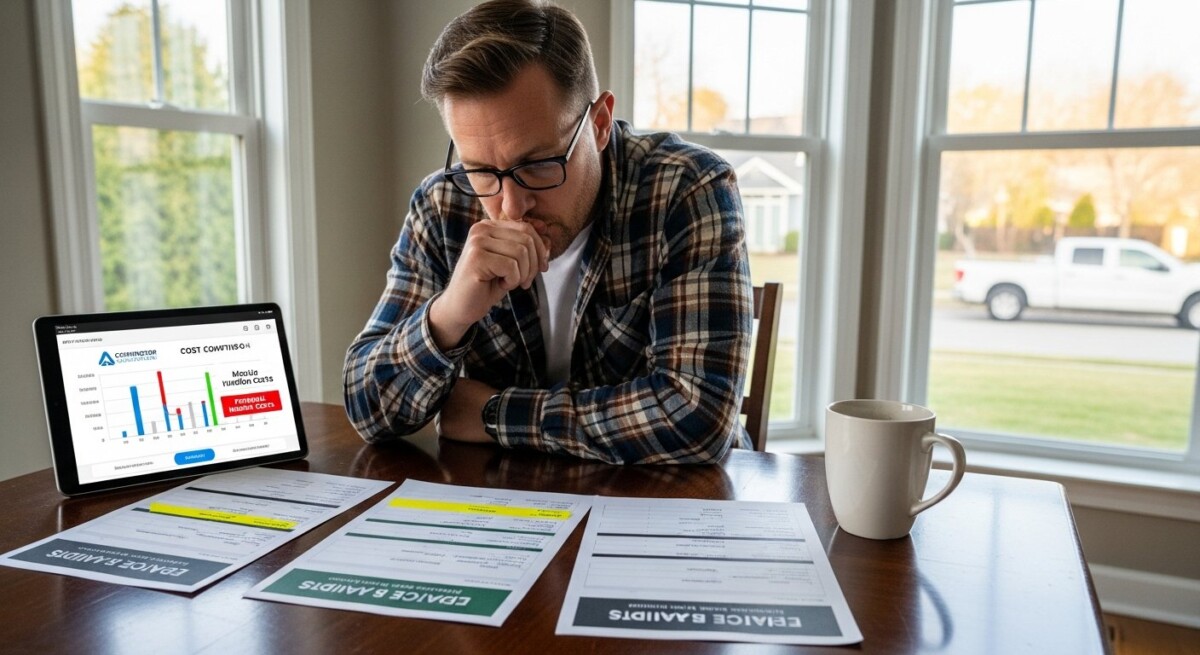
Request Home Service Quotes: Get Accurate Estimates Fast
Request home service quotes from multiple contractors to compare prices and secure the best deal on your home improvement project.

Best Home Improvement Quote Tools for Smart Renovations
Discover the best home improvement quote tools to compare contractor bids, save money, and avoid costly mistakes on your next renovation project.
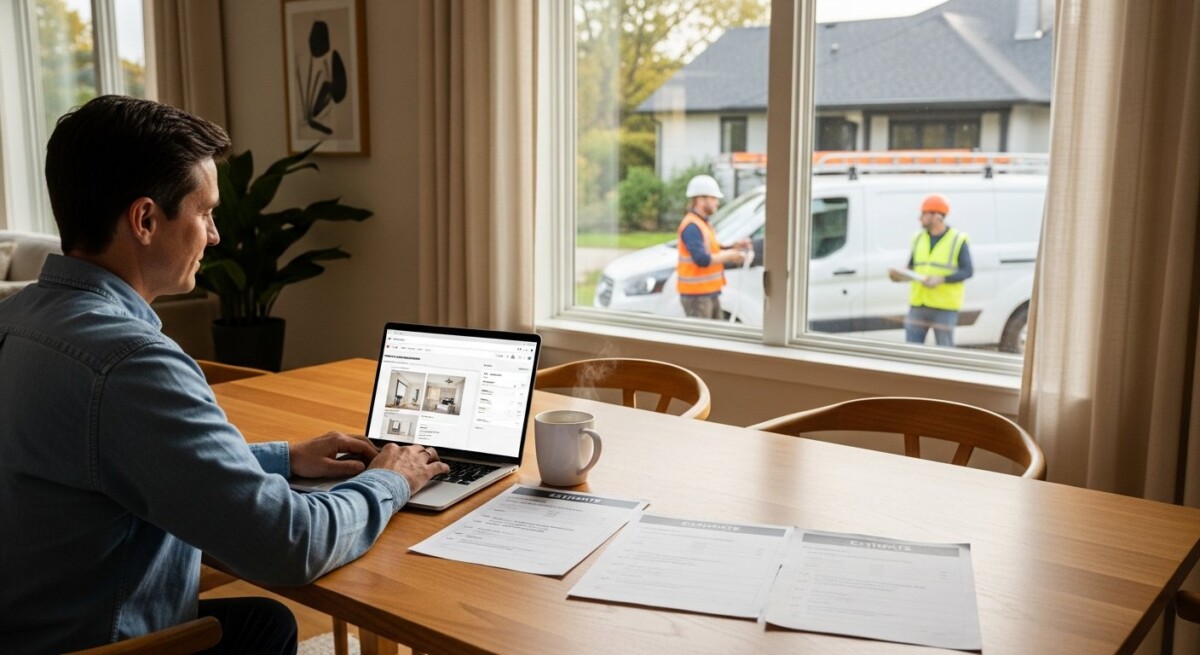
Top Contractor Quote Services: Save Time and Money
Top contractor quote services help homeowners compare free estimates from licensed pros, saving time and preventing costly mistakes on repairs and renovations.
Find a Pro!
"*" indicates required fields